Why Does Coffee Taste Sour? Exploring the Origins of Natural Acidity
Acidity in coffee does not come from added souring agents. Natural acids, processing, roasting and brewing all influence whether acidity tastes pronounced or mild in the cup.
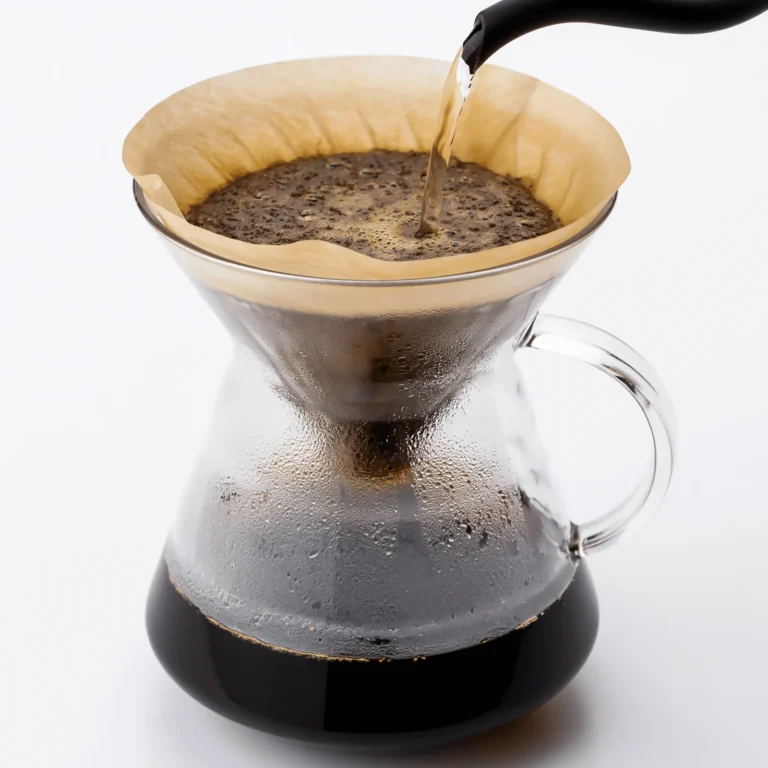
A sip of freshly brewed coffee can surprise you with its acidity, even when the phin filter, pour-over brewer or coffee machine contains nothing but coffee and water. That acidity originates in the bean itself. As coffee cherries develop, their seeds accumulate a variety of natural constituents, including organic acids. Processing, roasting and brewing subsequently influence how those acids and other compounds come together as the flavor we perceive.
1. Where Does Coffee’s Natural Acidity Begin?
Not all coffee acidity feels the same. Some cups taste bright and lively; in others, acidity catches your attention from the first sip; and some leave only a gentle acidic note behind a bitter foundation. Perceived acidity depends on more than the amount of acid present. Bitterness, perceived sweetness, aroma and the concentration of the drink also matter. As a result, two cups with different acid compositions will not necessarily taste more or less acidic in the order we might expect.
2. Which Compounds Contribute to Acidity?
When exploring the origins of acidity, we frequently come across the names of different acids. Think of them as instruments in an ensemble: each has its own properties, but the final impression comes from the mixture as a whole, not one compound acting alone. Researchers have identified numerous acids in brewed coffee, including citric, malic, acetic, lactic and quinic acids, alongside other groups of compounds.
2.1 Citric Acid and Malic Acid
Citric acid also occurs naturally in citrus fruit, while malic acid is found in apples and many other fruits. That is why coffee tasting descriptions sometimes use citrus- or apple-like associations to make acidity easier to imagine. Yet finding citric acid in coffee does not guarantee an orange flavor, just as the presence of malic acid does not mean that a cup will taste exactly like an apple.
In each sip, acids coexist with a great many other constituents. Research into sensory detection thresholds also suggests that identifying individual acids by taste alone is far more difficult than people often assume. For everyday coffee drinkers, it is more useful to understand that these acids contribute to natural acidity, while the exact character of that acidity has to be judged in the context of the whole cup.
2.2 Acetic, Lactic and Other Acids
Acetic acid is familiar as the acid associated with vinegar, while lactic acid occurs in many types of food fermentation. Both may also be present in coffee, at concentrations that vary with the raw material and the processing method. Quinic acid and the chlorogenic acid family are likewise part of the bean’s chemistry. Chlorogenic acids, in particular, undergo substantial changes during roasting.
3. Why Can Arabica Taste More Acidic Than Robusta?
Arabica is often associated with acidity, while Robusta is linked to a bolder, more bitter profile. But it would be wrong to assume that every Arabica bean contains more acid than every Robusta bean. Variety, processing, roast level and brewing method all help shape how the drinker experiences acidity.
Perhaps surprisingly, reviews of chemical data have reported that roasted Robusta may contain more total organic acids than roasted Arabica. Yet acidity can be less noticeable in the cup when bitterness and roasted notes take the lead. This is why the total amount of acid alone cannot tell us how sour a coffee will actually taste.
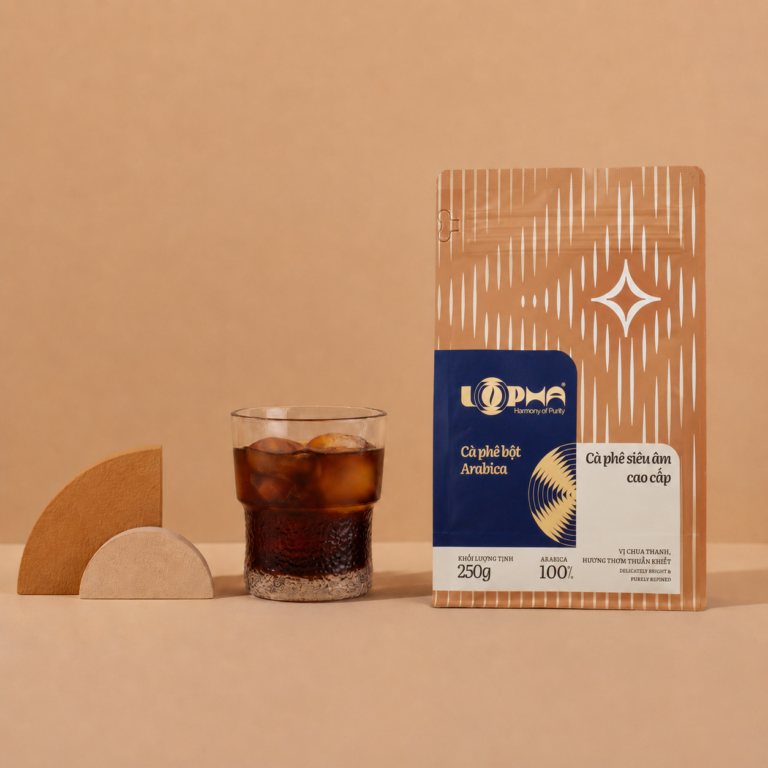
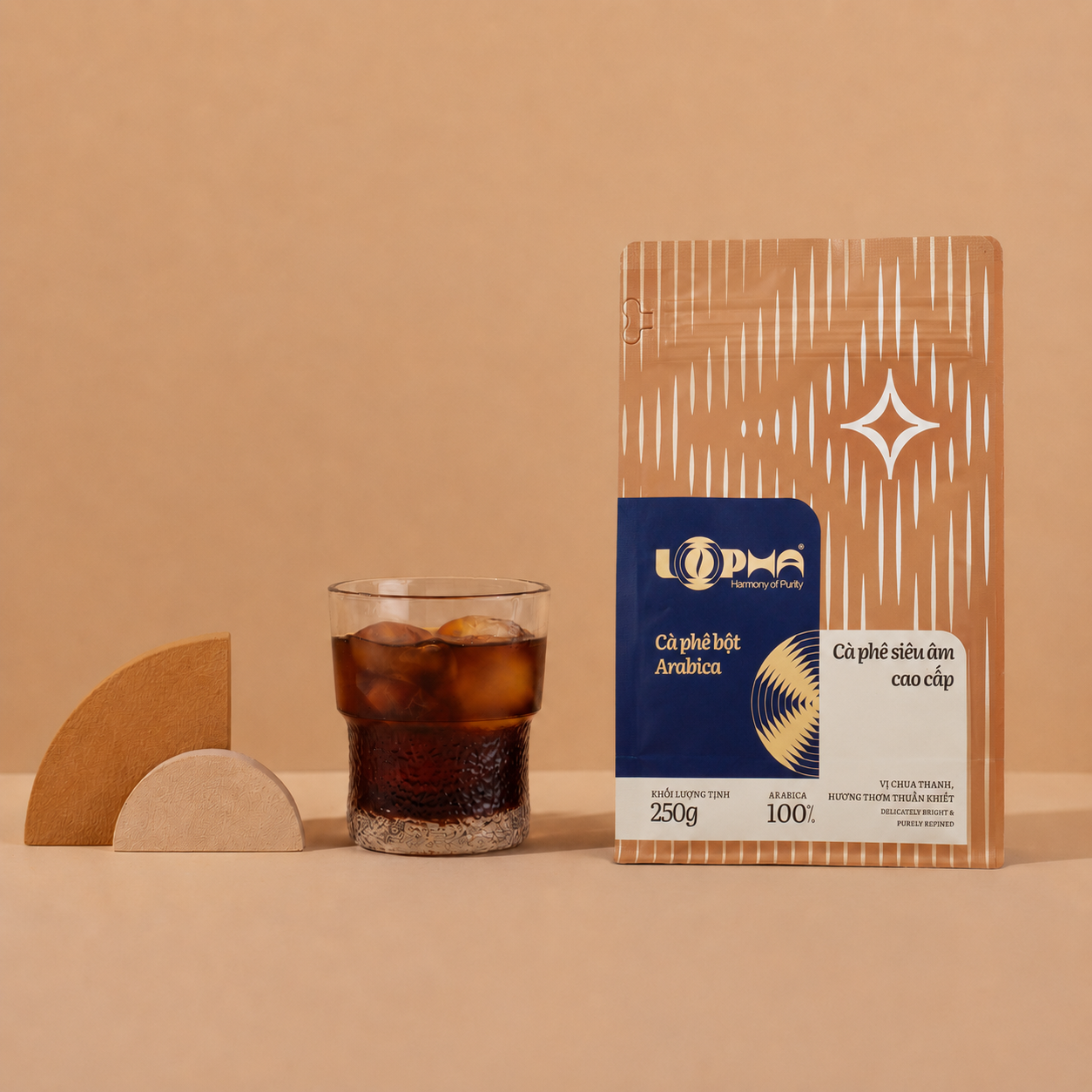
In LOPHA’s tasting descriptions, 100% Arabica whole-bean coffee offers clear acidity with floral and fruity aromas, while LOPHA 100% Robusta whole beans lean toward pronounced bitterness, woody notes and a lingering finish. These are two styles suited to different preferences, not a ranking of which is better. Their differences also help explain how a blend can maintain a bold foundation while introducing a touch of mild acidity.
4. Does Coffee Processing Change Acidity?
Freshly harvested coffee cherries do not immediately become beans ready for roasting. In between come depulping or hulling as appropriate, handling the fruit flesh and mucilage, drying and storage. Depending on the method, timing, temperature and hygiene conditions, biological and chemical changes can alter the raw material’s composition. Some fermentation processes also involve the formation or transformation of acids.

Consequently, two batches from the same variety and growing region may not produce identical flavors if they are processed differently. Nevertheless, a processing method’s name alone cannot guarantee strong or mild acidity or the aroma of a particular fruit. The outcome still depends on the starting material and how each stage is managed.
5. Why Does Roasting Change Coffee Acidity?
Roast level is one reason why the same green coffee can produce two very different cups. As beans are heated, the concentrations of some natural acids decline, while other compounds increase or form through chemical reactions. Aromatic and bitter compounds develop at the same time, shifting the overall balance in the cup. Roasting is therefore much more than turning a pale bean brown.
Under many roasting conditions, lighter roasts tend to make acidity more noticeable, while deeper roasting may allow bitterness and roasted notes to dominate. This is not an absolute rule for every variety, batch or brewing method. In particular, dark roasting does not make every acid disappear: different acid groups respond differently as temperature and time increase.
6. How Is Clear Acidity Different from Harsh Sourness?
Acidity that is easy to notice is not necessarily unpleasant. “Clear acidity” primarily describes how prominent it is: a single sip is enough for the drinker to recognize an acidic note. “Harsh sourness,” by contrast, usually describes an overly sharp, dominating or unbalanced experience. These two expressions are not interchangeable.
An Arabica cup with pronounced acidity, floral and fruity aromas and a gentler bitterness can be very appealing to someone who enjoys that style. Another drinker accustomed to Robusta might find the same acidity too strong. Personal preference does not turn a flavor characteristic into a product defect. On the other hand, poorly matched extraction can sometimes make a cup taste sharply sour or lacking in body; in that case, it is worth reviewing the brewing recipe before judging the beans.
7. Can pH Tell Us How Sour a Coffee Will Taste?
Many people assume that measuring pH is enough to establish how sour a cup of coffee will taste. In reality, it is more complicated. pH describes acidity through a chemical measurement, whereas sourness is a sensory response to the whole beverage. Research on filter coffee has found that perceived sourness has only a weak relationship with pH, but a stronger relationship with titratable acidity—the amount of material that can be neutralized in a chemical test.
You do not need to memorize these measurements to choose coffee. The important thing is to avoid equating “low pH” with “delicious acidity” or “high pH” with “little sourness.” Coffee concentration, dissolved compounds, the relationship to bitterness and even drinking temperature all shape the final impression. Acidity enjoyed by one person may simply not suit another person’s palate.
8. Why Does the Same Coffee Taste More or Less Acidic with Different Brewing Methods?
Without changing the variety of coffee at all, a brewer can produce a cup in which acidity is more or less prominent. Grind size affects how much coffee surface is exposed to water. Coffee dose, water volume, temperature and contact time all affect how soluble substances move into the drink. These variables do not change the identity of the bean, but they can alter concentration and the balance of flavors in the cup.
Sometimes an overly dilute cup makes acidity stand out without support from other flavors. In other cases, extended extraction may bring bitterness or dryness to the foreground, making the initial acidity harder to perceive. These are common possibilities, not rigid rules for every brewing device. To find a satisfying recipe, change one small variable at a time rather than changing everything together.
9. Understanding Acidity to Find Your Coffee Preference
Coffee lovers do not have to agree on a single ideal level of acidity. Some look for a clear, bright tang with floral and fruity aromas; others prefer substantial bitterness, deeper aromas and a long finish. Still others want a powerful foundation with only a little acidity for added nuance. Understanding the origins of acidity helps us recognize these as different personalities in the cup, rather than dividing coffee into right and wrong choices.
Among LOPHA’s three styles, 100% Arabica highlights clear acidity; 100% Robusta places bitterness and boldness in the foreground; and LOPHA’s 80% Robusta–20% Arabica Blend combines a bold base with mild acidity. The 80/20 figure describes the proportion of beans, not a claim that bitterness accounts for exactly 80% and acidity for 20% of the drinking experience.