Why Does Coffee Taste Harshly Bitter? How to Recognize the Cause and Brew a Smoother Cup
Bitterness is a normal part of coffee, but harsh bitterness, lingering astringency, or a burnt smell may be related to the beans, roast level, or brewing method. Adding sugar does not always solve the problem.
Strong coffee often has noticeable bitterness, but it does not have to taste harsh. An enjoyable cup may start intense and then mellow, while a burnt-tasting or persistently astringent one can be difficult to finish. The cause may lie in the beans, roast, grind size, or brewing technique. If you are using your usual bag but today's coffee suddenly tastes harsher, the dose and the phin's drip rate are two things to check first.
1. Not All Coffee Bitterness Feels the Same
For people accustomed to phin-brewed Robusta, pronounced bitterness is not necessarily unpleasant. Mixed with condensed milk, a strong coffee base can make a satisfying iced drink. But when bitterness overwhelms the aroma or leaves your mouth dry and puckered, the cup may no longer be what you wanted. We may call both sensations 'bitter', but the aftertaste can be very different.

People sometimes describe every unpleasant coffee sensation as 'bitter'. In fact, a burnt smell reminiscent of scorched beans, mouth-drying astringency, and intense bitterness are three distinct sensations that may occur together. Recognizing them helps avoid responding to every disappointing cup by adding sugar. Sugar can soften the perception of bitterness, but it cannot remove a burnt aroma already present in the coffee.
A concentrated coffee base tasted on its own may seem much stronger than the completed iced milk coffee. If you usually add milk, assess the drink with your normal amount, since milk softens perceived bitterness. But if the finished cup still tastes harsh or burnt with your usual milk ratio, examine the coffee base. Continually adding more milk can make the drink both excessively sweet and difficult to enjoy.
2. How Do Coffee Beans Contribute to Bitterness?
Robusta generally has a fuller body and more pronounced bitterness than Arabica, while Arabica often has more noticeable acidity. A blend's bitterness and acidity depend on its proportions. Yet even two bags of Robusta can taste different because of bean origin and roasting. One unpleasantly bitter cup is no reason to conclude that all Robusta is difficult to drink.
Roast level also changes flavor. Darker roasting may bring roast aromas and bitterness to the foreground, while medium roasting offers a different balance. But a medium roast does not guarantee a mild cup: too much coffee and too little water can still produce a stronger brew than you are used to. Conversely, dark-roasted beans are not automatically defective. The important question is whether the roast suits the raw material and intended flavor profile.
Arabica drinkers often notice its acidity and may find Robusta considerably stronger. Longtime Robusta drinkers, in turn, may find Arabica unexpectedly sour at first. Those are differences in preference, not enough to establish that either coffee is faulty. If you want more moderate bitterness, decide whether you truly want less bitterness or mainly want to avoid a burnt smell. That distinction helps you choose more accurately.
3. Even Your Familiar Phin Can Change the Cup
Yesterday's coffee tasted just right, but today's tastes more bitter despite coming from the same bag. Sometimes the brewing technique has changed. A more heaped spoonful, a tighter screw-down insert, or less water can all alter the coffee concentrate. There is no need to change beans after one unexpected cup. Check the amount of coffee, the water, and the flow through the phin to identify what changed.
3.1. A Very Slow Drip Does Not Necessarily Mean Better Coffee
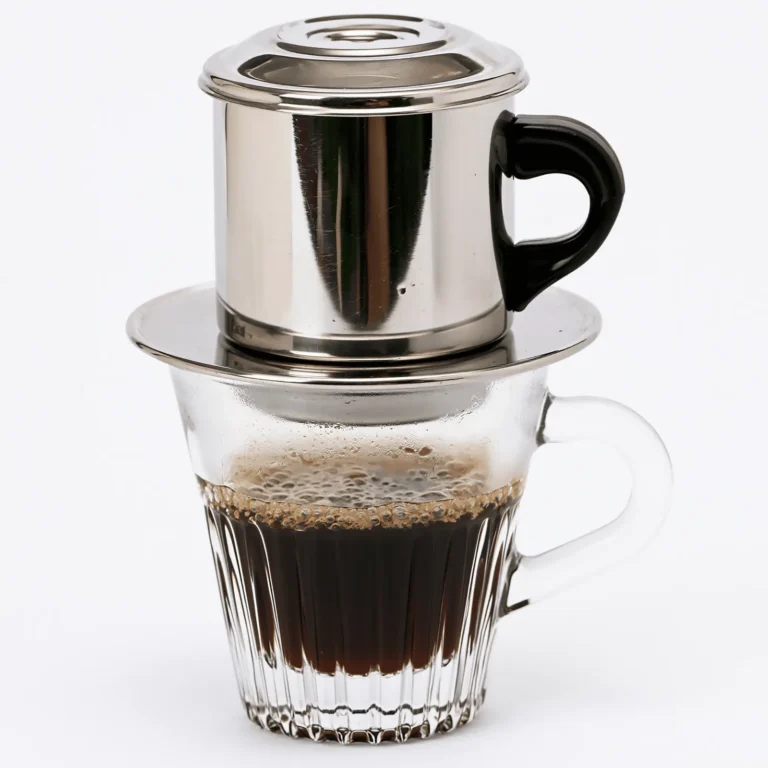
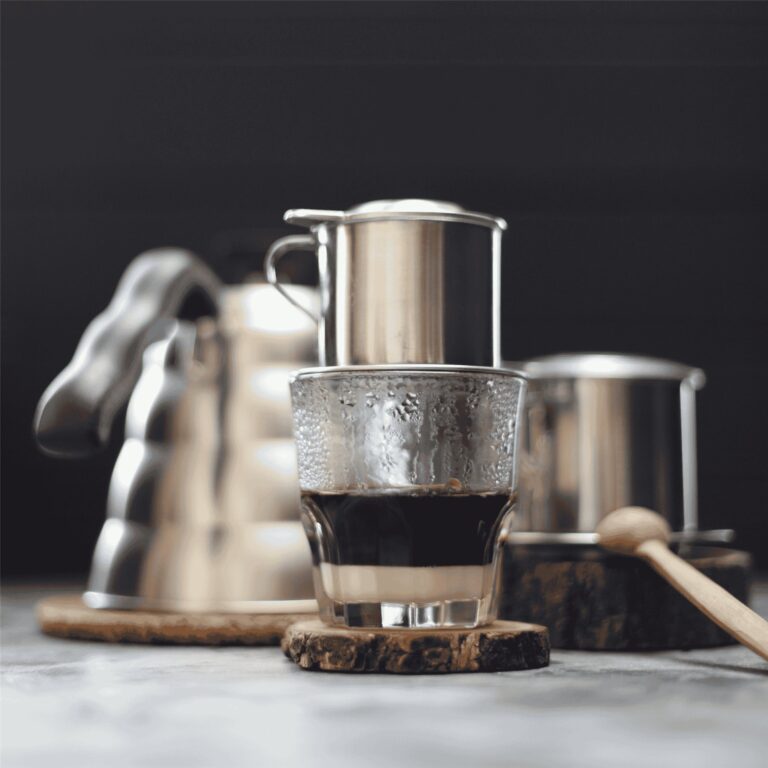
A slow-dripping phin can produce concentrated coffee, but abnormally slow is not necessarily good. Grounds that are too fine, an insert pressed too tightly, or clogged drainage holes restrict water flow. The result may taste heavier and more astringent than expected. If the phin used to drip steadily but now barely moves, check the grind and the brewer before adding more grounds.
If a phin is full of hot water but will not drip, do not remove its lid immediately; you could be scalded. Let it cool, then check for blocked holes, overly fine grounds, or a screw-down insert that was tightened excessively. You can address those causes in the next brew. Adding coffee just to increase strength will not fix a clogged phin.
3.2. Today's Two Spoonfuls May Contain More Coffee Than Yesterday's
Two level spoonfuls and two heaped ones do not contain the same amount of grounds. If you scooped more today but poured in less water, the brew may be substantially stronger and more bitter than yesterday. Scooping consistently and using a reasonably stable amount of water reduce unpredictable changes. Home brewers do not need to weigh every gram each morning, but it helps to know roughly how much suits their taste.
Grind size also matters. Finer grounds can change contact with water and slow the flow; coarser grounds may produce a lighter brew. If you have just bought another bag, even of the same bean variety, its grind may differ from the last one. When a cup changes, remembering what you changed is more useful than adjusting everything at once.
4. Can Water Temperature Make Coffee Taste Burnt or Bitter?
Water temperature contributes to the flavor of phin coffee, but it is not the only reason a cup tastes bitter. Many recipes begin around 90–96°C, then adjust for the beans and equipment. Without a thermometer, you can boil water and let the vigorous bubbling subside before pouring. More importantly, use clean, sufficiently hot water and keep your brewing method reasonably consistent, so you can tell what caused a flavor difference.
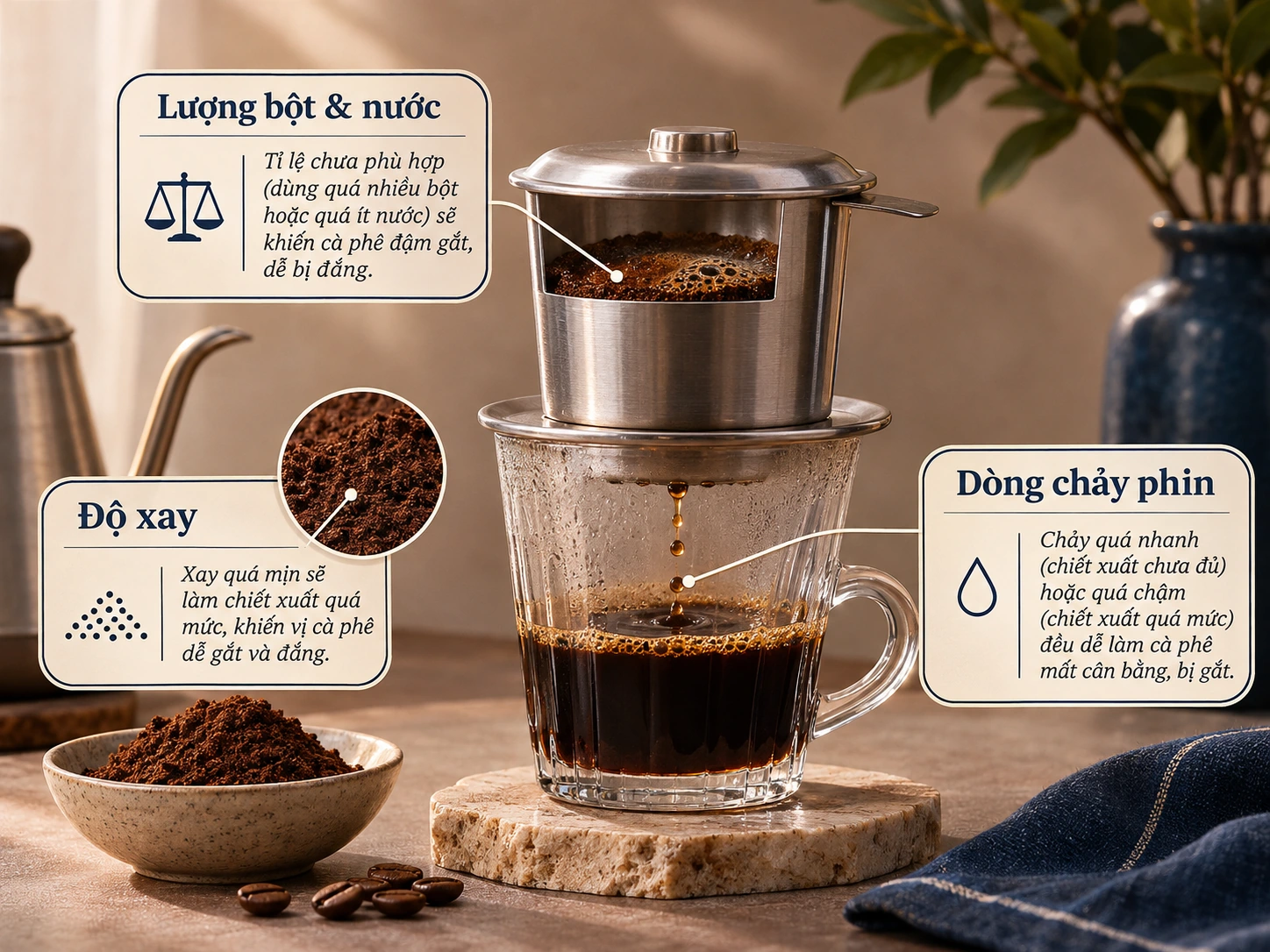
If the grounds smell distinctly scorched as soon as you open the bag, changing water temperature is unlikely to remove that smell. Old coffee oils in the phin or unusually smelling water can also make a cup unpleasant. When coffee tastes more bitter than usual, consider both the ingredient and the equipment. Blaming hot water alone may lead to repeated adjustments without solving the actual problem.
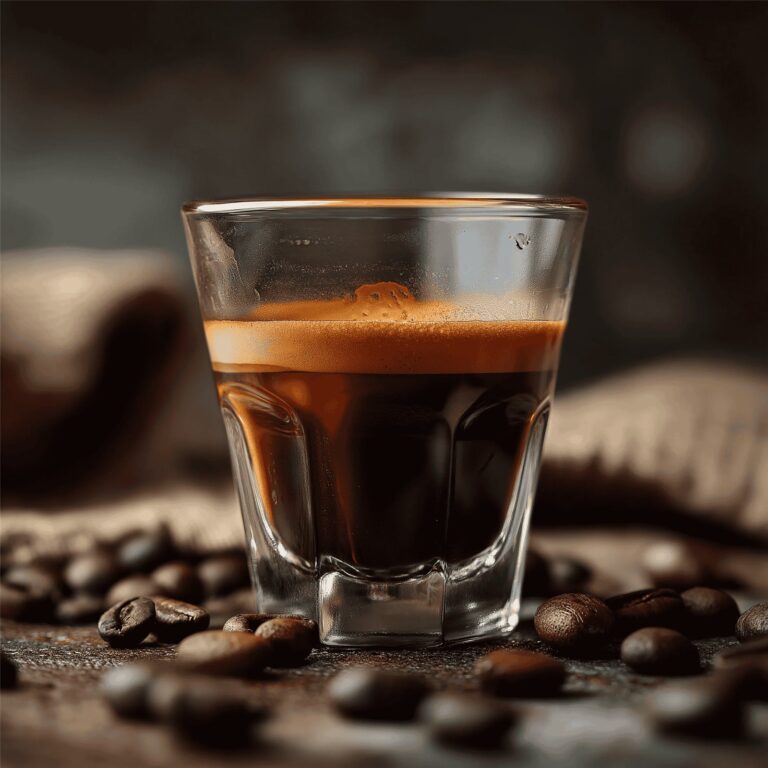
Espresso is extracted under pressure, so phin brewing temperatures or timings cannot be used to explain every bitter espresso shot. Different brewing methods create different conditions. Whether you use a phin or a machine, the final judgment still comes from aroma, bitterness, and how pleasant the coffee feels after the first sip.
5. Can Adding Milk Fix Coffee That Is Too Bitter?
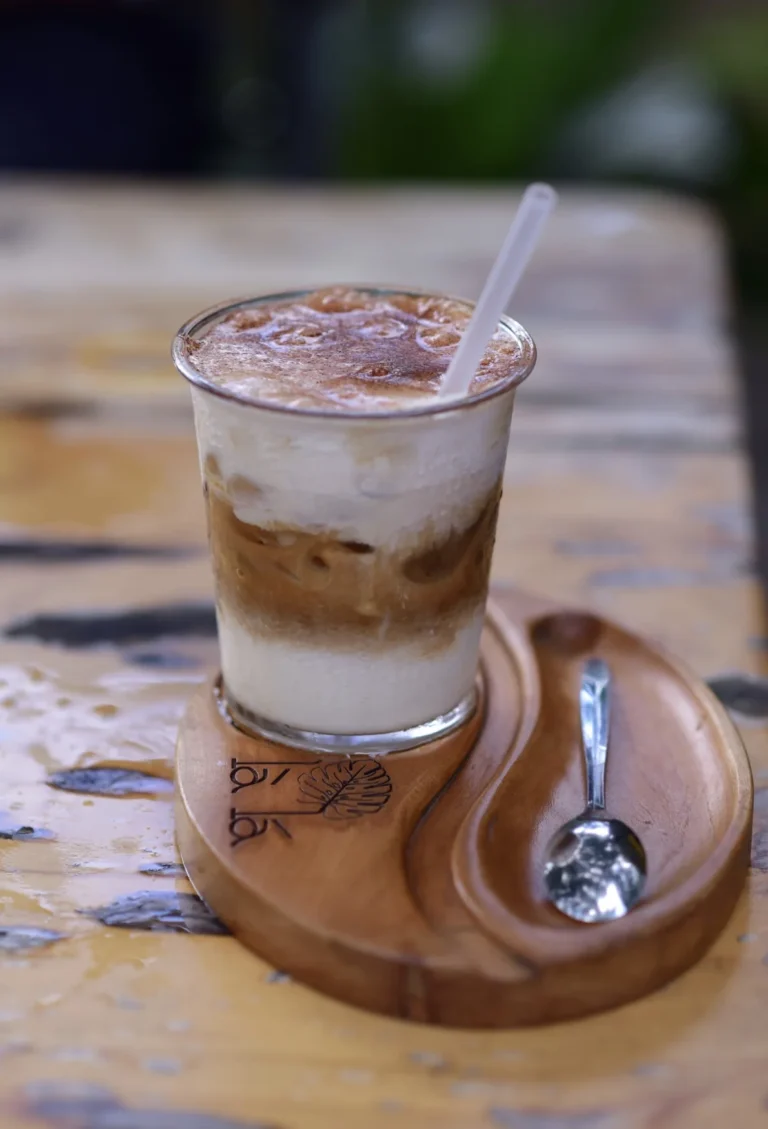
If a cup is simply a little stronger than you like, adding a little water or milk may soften the taste. Vietnamese iced milk coffee is built around the contrast between a bitter coffee base and rich, sweet milk. But there is a limit: condensed milk cannot make a burnt smell disappear. Some drinks end up both cloyingly sweet and harshly bitter because the drinker keeps trying to cover one taste with another.
If the coffee base has an unusual smell and you suspect damp, moldy, rancid, or improperly stored ingredients, discard it. Do not try to disguise the problem with sugar, milk, or ice. If the coffee still smells normal but is simply too concentrated, slight dilution may help. Distinguishing an abnormal odor from a flavor that is not to your taste matters because the two situations require completely different responses.
Black coffee and coffee with milk do not have to use the same amount of concentrate. Black-coffee drinkers may prefer a lighter cup, while iced milk coffee requires enough strength for the coffee not to disappear behind the milk. Adjusting the recipe for the drink is normal. If a particular coffee consistently tastes too bitter for you even when brewed properly, a different flavor profile may be a better solution than continually adding sugar or milk.
6. When Is Changing Beans More Helpful Than Changing the Recipe?
If you have a clean phin, suitably ground coffee, and a sensible water ratio but the cup is still too bitter for your taste, the bean's natural characteristics may be the reason. Robusta often suits those who enjoy a bold base; Arabica tends to show more acidity; blends vary according to their proportions. Choosing beans is not a contest in how much bitterness you can tolerate. You want a balance of strength, acidity, and aftertaste you genuinely enjoy.
LOPHA's blend contains 80% Robusta and 20% Arabica and is described as balanced with mild acidity. Someone switching from 100% Robusta may notice a difference, but changing bags does not automatically eliminate harsh bitterness. A clogged phin, excessively fine grounds, or the wrong water ratio can still make a blend taste unpleasant. Choosing a bean style and brewing it appropriately go hand in hand.
Tasting a small cup often helps you work out what you really want to change. Someone may say coffee is 'too strong' when the real problem is a burnt aroma; another person may want to retain the bitterness but enjoy a clearer fragrance. Once you distinguish those sensations, selecting a new coffee becomes more informed. The least bitter coffee is not necessarily the one you will enjoy most.
7. Some Bitterness Is Worth Keeping
Bitterness is a familiar part of many coffees, especially Robusta. A little can balance the sweetness of condensed milk or contribute a distinct aftertaste when the coffee is drunk black. The issue is acrid bitterness, lingering astringency, or burnt odors that obscure other aromas. Recognizing the difference helps you know when to adjust the water, check the phin, or try another bean.
If today's cup tastes more bitter than yesterday's, recall what changed: a fuller spoonful, less water, a slower-dripping phin, or a newly opened bag. Brewing technique can correct many small differences, but not every variation is a fault. Pronounced bitterness may delight one drinker and feel excessive to another. What matters is a cup you enjoy, not forcing all coffee to taste equally bitter.