What Is Coffee Body? Why Do Some Cups Feel Full and Others Light?
Body is not the same as bitterness or strength. Discover what creates a full mouthfeel and how bean composition and brewing methods influence that sensation.
Two cups of coffee can share the same dark-brown color yet feel very different from the first sip. One may seem thick and full across the mouth; the other may feel lighter and more delicate while still having a distinct flavor. Coffee tasters often use the term “body” to describe this difference. You will encounter it in descriptions of Robusta, Arabica and espresso, but reducing body to nothing more than “strength” misses an important part of the experience.
1. What Does Body Feel Like When You Drink Coffee?
Body is a physical sensation in the mouth, not a basic taste such as bitterness, acidity or sweetness. As you sip coffee, you perceive more than flavors on your tongue: you also sense fullness, mouth-coating texture, smoothness or a little dryness after swallowing. These sensations are often grouped under the word “body,” although detailed sensory analysis can separate them into attributes such as thickness, mouth-coating and astringency.

Compare a sip of plain water with a sip of a beverage that has more texture. Coffee does not need to be as thick as milk to have body; even a modest difference can be noticeable. It is important not to equate body with “good coffee.” Someone who likes a clean, light cup may prefer a lighter body, while a bold-coffee lover may seek fullness. These are styles, not a ranking in which heavier always means better.
2. Are Strong Flavor, High Bitterness and Full Body the Same?
A very bitter cup does not necessarily have a full body. Bitterness describes a chemical taste sensation, while “strength” may mean different things in everyday conversation, from concentration to intensity of flavor. Body is more closely connected to the texture of each sip. When we say “Robusta is bold and full-bodied,” we are describing two complementary traits, not repeating the same idea. A poorly balanced extraction can be very bitter without delivering the fullness the drinker wants.
Color tells us even less about body. Two similarly colored cups can contain different amounts of dissolved solids, oils and suspended particles. Paper-filtered drip coffee may look clear and feel lighter than coffee prepared with equipment that allows more oils or fine particles through, but the actual difference depends on the beans, ratio and brewing method. Do not judge mouthfeel from color alone. Take a small sip and notice what remains once the initial bitterness or acidity has faded.
3. Which Coffee Compounds Contribute to Body?
Brewed coffee contains dissolved substances as well as dispersed components. Polysaccharides—large carbohydrate molecules—can affect viscosity and mouthfeel. Lipids, the bean’s natural fats, also contribute to texture and influence how aromas are released. Melanoidins, colored compounds formed in part during roasting, are associated with various physical and chemical characteristics of brewed coffee. But it is difficult to identify any one component as the sole cause of body.
Sensory research also suggests that phenolic compounds can influence mouth-coating and astringency. Body, therefore, is not simply the quantity of thick substances dissolved in water; it is also about interactions among the cup’s components. You do not have to memorize the names galactomannan or arabinogalactan to enjoy coffee. What matters is understanding that body comes from the structure of the beverage. Without specific analytical results, descriptions of LOPHA products should not claim exact concentrations of compounds responsible for thickness or smoothness.
4. Why Do Different Brewing Methods Change Body?
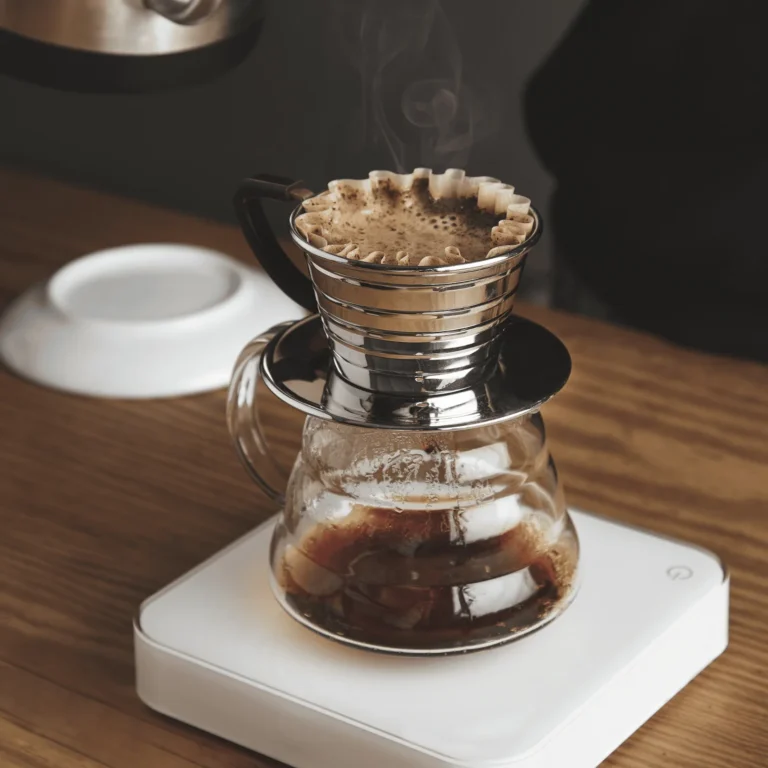
Paper filters in drip brewing often retain some oils and very fine particles, helping the cup feel cleaner and lighter under many conditions. A Vietnamese phin uses a metal filter, so the final texture varies with grind size and flow rate. Espresso combines pressure, fine grinding and a lower water ratio than many common methods, producing a concentrated beverage; crema and suspended particles can also contribute to mouthfeel. No piece of equipment automatically produces the “right” body for every coffee.
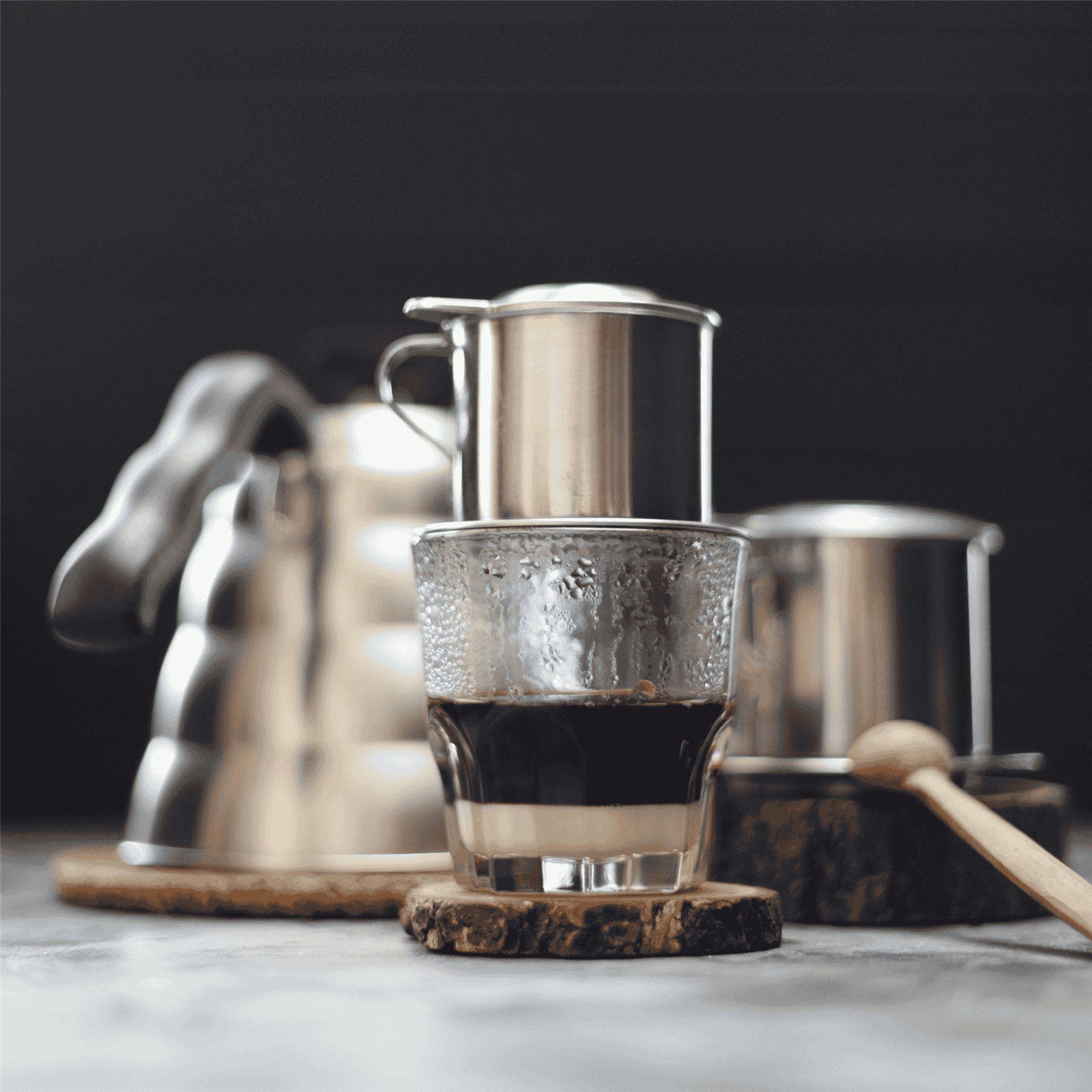
Changing brewing methods often changes several things simultaneously: dissolved-solid concentration, how much oil passes through the filter, temperature and serving volume. Thus, saying espresso is fuller than drip usually means comparing two recipes, not merely two types of filter. Someone might enjoy a light Arabica drip in the morning and choose a concentrated Robusta espresso on another occasion. Body helps describe these differences without forcing every preference into one brewing method.
5. Do Grind Size and the Coffee-to-Water Ratio Affect Fullness?
Finer grounds increase the area exposed to water and thus influence extraction rate and extent. The coffee-to-water ratio also contributes to the concentration of the finished drink. Using less water for the same amount of coffee may create a more concentrated cup, but adding more grounds does not automatically improve body. If water flows unevenly through the coffee bed, the drink may taste unbalanced, dry or overly heavy. Concentration and pleasant mouthfeel are not the same thing.
To explore body, try brewing two cups from the same beans with different water ratios while keeping the grinder setting and equipment reasonably consistent. Taste both when they have cooled to a comfortable temperature, paying attention to the sensation left across your mouth after a small sip. If you want to adjust further, change just one variable at a time. The Level 2 article on brewing methods explains concentration and extraction yield in more detail, allowing this body article to focus on mouthfeel rather than becoming a technical brewing manual.
6. Does Body Influence How We Experience Acidity and Bitterness?
Yes, but body does not automatically “erase” acidity or bitterness. A full-bodied beverage provides a different sensory background from a thin, dilute one. Pronounced bitterness may feel like a powerful foundation in a full-bodied cup, while similar bitterness in a lighter cup may seem sharper to some drinkers. Arabica’s acidity may stand out in a lightly textured cup, but how clearly it appears still depends on acids, concentration and the brewing recipe.
It helps to separate characteristics that are often mentioned together. LOPHA describes its 100% Robusta as clearly bitter and full-bodied; its 100% Arabica as clearly acidic with a lighter feel; and its 80/20 Blend as bold with mild acidity. These descriptions help people select a style. They do not prove that the body of the three products has been measured at particular fixed values. When tasting, focus on what you personally seek: a full, substantial sensation or something light and airy that gives aroma more room to shine.
7. How Does Body Change with Milk or Ice?
Coffee with milk may feel thicker than the original black coffee because milk contributes its own proteins, fats and viscosity. You should not therefore use the thickness of a milk coffee to conclude that its coffee base has a high body. To compare different beans, taste them black first, then add milk to find your preferred ratio. This is particularly useful when choosing Robusta or Blend as the foundation for milk-based drinks.
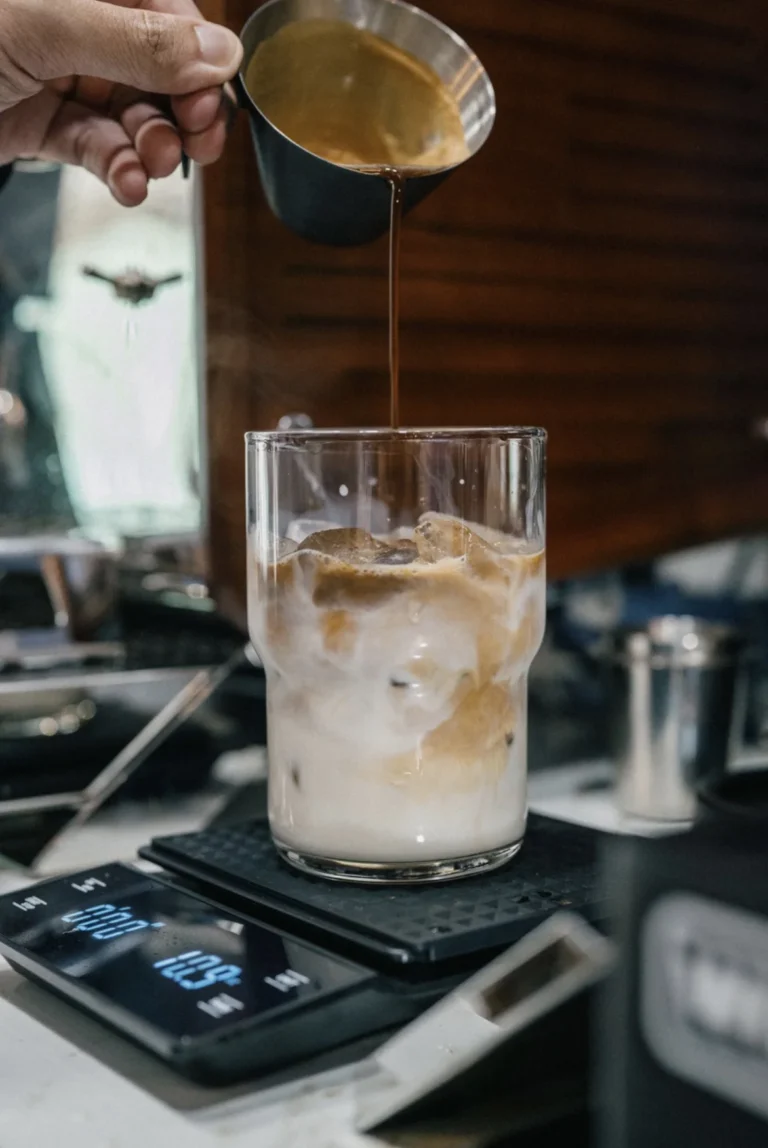
When ice melts, the extra water usually dilutes the coffee, changing its concentration and often reducing perceived fullness over time. Lower temperature also alters mouthfeel and aroma. If you enjoy iced coffee with a substantial presence, plan the amount of ice and the strength of the coffee base instead of arbitrarily prolonging extraction. A balanced cup harmonizes coffee, added ingredients and the way it is consumed; it is not a race to produce the thickest drink possible.
8. Learn to Notice Body by Slowing Down a Little
You do not have to be a professional taster to understand body. Begin with a comfortably warm sip of black coffee, hold it in your mouth briefly and notice the feeling on your tongue, palate and sides of your mouth. After swallowing, ask whether it feels full or light, smooth or slightly dry. You can compare Robusta and Arabica brewed with similar recipes to explore these differences, without forcing yourself to detect every descriptor on a tasting sheet.
Body makes the conversation about coffee richer than acidity and bitterness alone. Once you understand it as a physical sensation in the mouth, product descriptions become easier to interpret and you are less likely to confuse thickness with color or caffeine. Finding a body that suits you adds another way to choose coffee: not just which taste you like, but how you want each sip to feel.