What Is Dirty Coffee? How to Pour Hot Espresso Over Cold Milk at Home
Dirty Coffee combines cold milk with freshly pulled hot espresso, creating brown coffee streaks against a white milk base. Usually served without ice, it is best enjoyed immediately, while the warm coffee still contrasts with the chilled milk.
1. What Is Dirty Coffee, and Why Does It Have Those Brown Streaks?
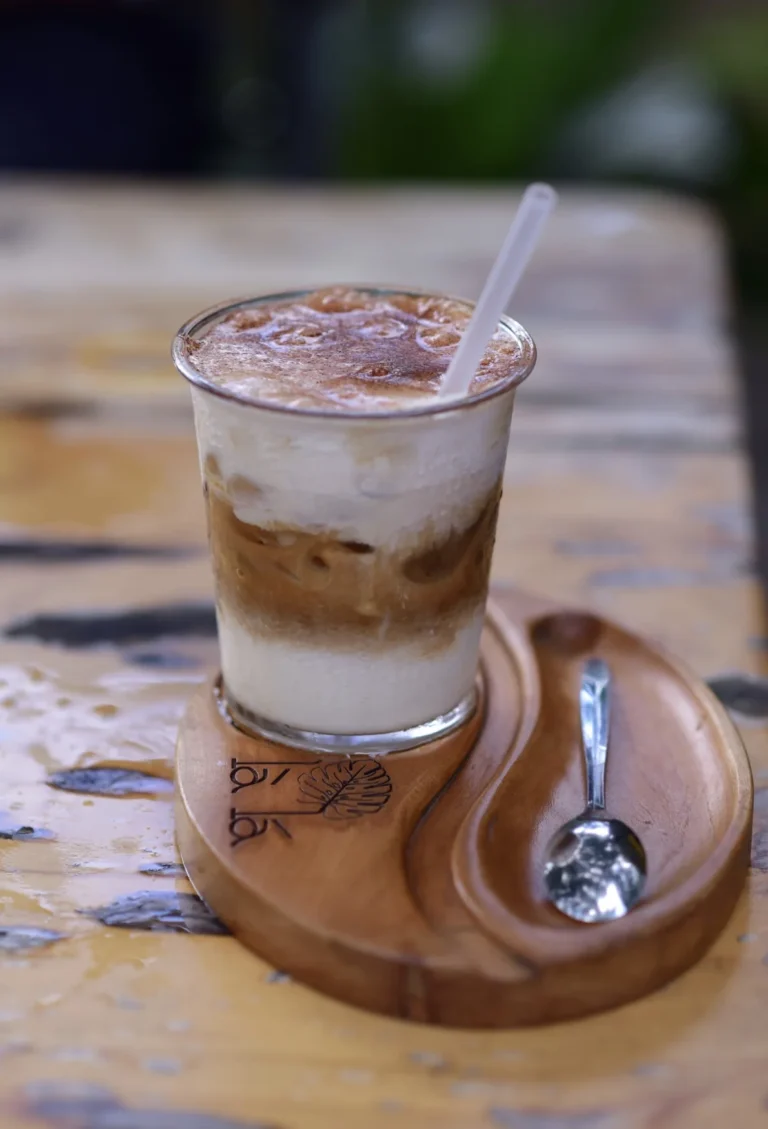
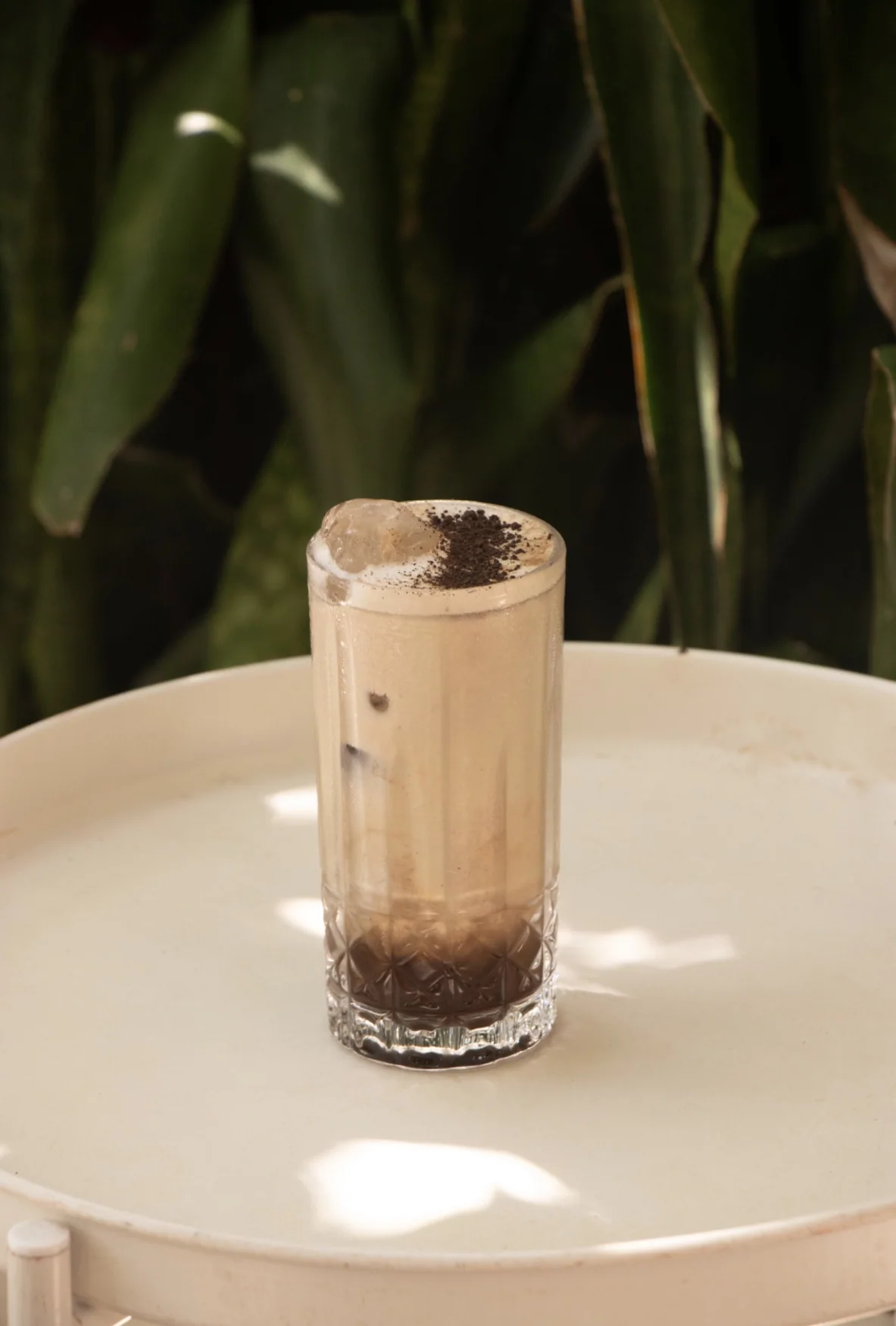
Look at a freshly made Dirty Coffee and you will see white milk at the bottom, with brown streaks of coffee running down from the rim. The two colors do not form perfectly straight, separate layers. As the hot espresso meets the cold milk, it begins to spread in fine trails, creating the drink’s distinctive appearance. The word “dirty” refers to those streaks, not to dirty ingredients or poor hygiene.
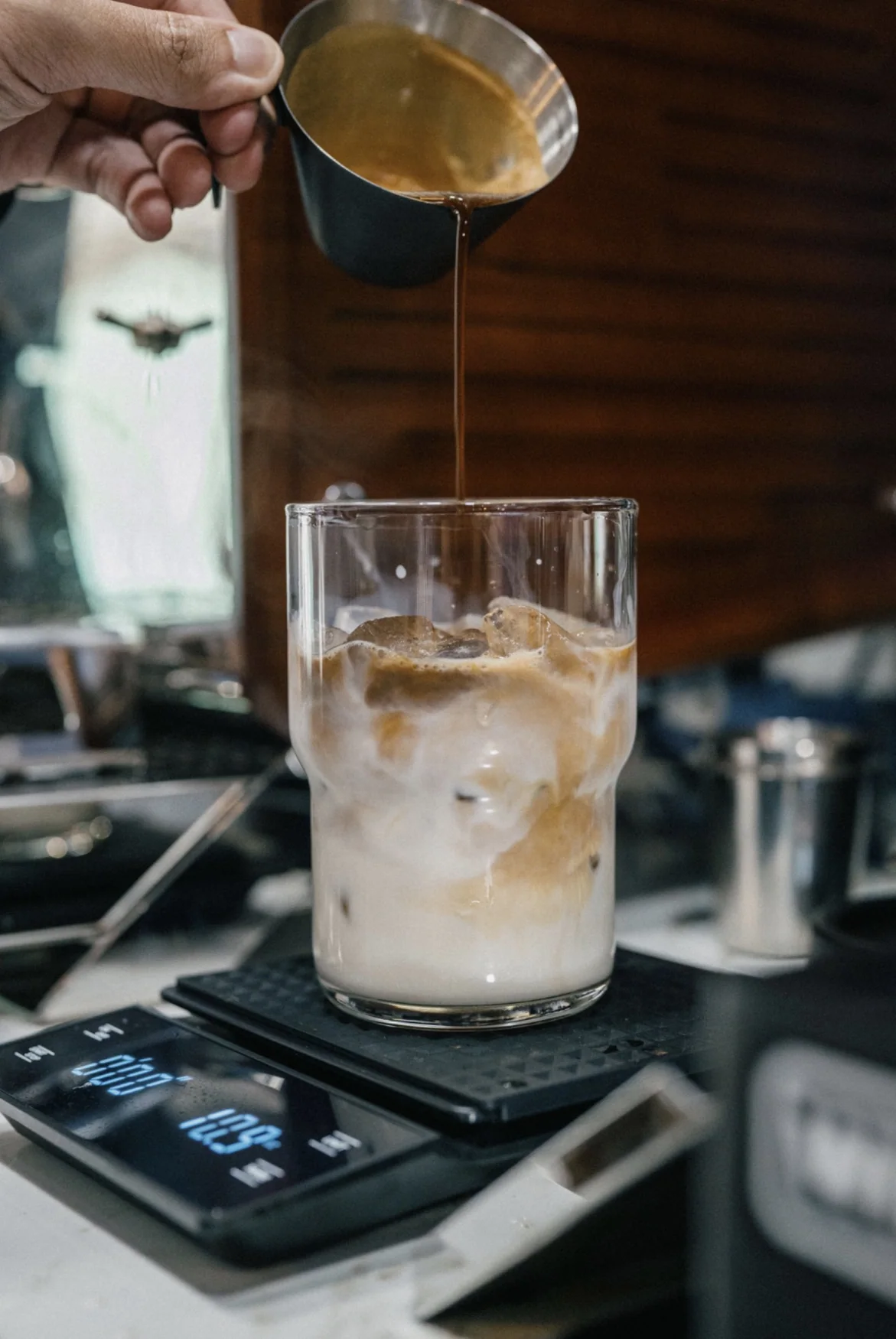
The basic ingredients are simple: chilled fresh milk and hot espresso. You usually start with a small glass, chill the milk, then pull the espresso straight into it or gently pour it over the surface. Unlike an iced latte, the drink does not contain ice cubes to cool the whole mixture. When you lift the glass immediately after making it, you can experience the intriguing contrast between the still-warm coffee and the cool milk underneath.
Good Dirty Coffee does not need three perfectly even color bands. Coffee gradually mixes into milk, and that is a natural part of the drink. More important questions are whether the espresso comes through, whether the milk is cold enough, and whether a sip tastes harmonious rather than dominated by one ingredient. For your first attempt, start with a manageable recipe you can repeat, rather than concentrating on getting a picture-perfect pattern.
2. How Is Dirty Coffee Different from an Iced Latte or Latte Macchiato?
Dirty Coffee and an iced latte both contain coffee and milk, but they differ in preparation and drinking experience. For an iced latte, ice, cold milk, and espresso are usually combined in a glass. The ice keeps the drink cold as you sip and progressively dilutes it as it melts. Dirty Coffee leaves out the ice, using pre-chilled milk topped with hot espresso. It is therefore often served in a smaller glass and is best drunk immediately.
Latte macchiato can also show attractive layers of milk and espresso, so the names are easy to confuse. Traditionally, however, latte macchiato emphasizes milk marked by a portion of espresso; hot versions may use steamed milk and milk foam. Dirty Coffee deliberately plays on the temperature difference between freshly brewed espresso and cold milk, allowing brown trails to spread naturally along the glass. A still photograph can be misleading, but watching the preparation makes the difference easier to recognize.
In terms of taste, Dirty Coffee often delivers a stronger coffee impression in the first sip, softening as the milk mixes in. An iced latte with ice and more milk tends to stay milder and cooler throughout. Neither drink is more sophisticated by definition; they simply offer different experiences. An iced latte may be more practical if you want to sip slowly at your desk, while Dirty Coffee is worth trying if you enjoy tasting a drink change over just a few minutes.
3. A Dirty Coffee Recipe for One Small Glass
An accessible starting recipe uses 100–120 ml of chilled unsweetened milk and 30–40 ml of freshly pulled espresso. You will need a glass of about 180–220 ml, a small cup to catch the espresso if you cannot extract it directly into the glass, and a spoon only if you want to stir after tasting. Whole milk can give a fuller, creamier sensation; lower-fat milk also works, but its texture will be different.
Refrigerate the milk beforehand, allowing it to chill evenly rather than briefly adding ice cubes and fishing them out. You can also put the serving glass in the refrigerator for a while so that it does not warm the milk as quickly. If you have an espresso machine, grind the beans to the appropriate setting and extract a shot using your familiar recipe. Around 30–40 ml of espresso is a sensible starting point for this amount of milk; you can increase the coffee after tasting your first glass if you prefer it stronger.
Pour the cold milk into the glass first and keep the rim clean. As soon as the espresso is ready, bring the pouring cup close to the milk’s surface and tip it slightly so the coffee flows in gently. If the machine has enough clearance, you can extract espresso directly over the milk, but a stream falling from higher up may mix the two more quickly. Set the glass down after pouring, watch the streaks for a few seconds, and drink before stirring. If you want a consistent flavor from start to finish, give it a gentle stir after a few sips.
Timing is the most important detail. Espresso that has cooled completely loses the hot-versus-cold contrast that defines Dirty Coffee. Conversely, milk that is merely lukewarm or slightly cool soon reaches the same temperature as the coffee, making the opening sips less distinctive. A simple recipe that preserves each ingredient’s temperature usually produces a clearer result than adding unnecessary layers of cream, syrups, or decoration.
4. How to Choose Milk That Is Creamy Without Hiding the Coffee
Whole milk is often chosen for its creaminess and soft mouthfeel. As espresso enters the milk, its bitterness and acidity are softened, while some of the other aromatic notes can still be appreciated. Unsweetened fresh milk makes this change relatively easy to notice. Sweetened milk may make the drink more approachable from the first sip, but it also makes it harder to judge how bitter or acidic the coffee was to begin with.
Not everyone drinks dairy milk. Oat milk and other alternatives can be interesting, but their sweetness, richness, and ability to blend with coffee depend on the formulation. Some oat milks taste gently sweet even without added sugar; others can appear to form fine particles when mixed with hot coffee. On your first attempt, test a small serving rather than making a large glass only to discover that you dislike the underlying flavor.
The amount of milk should also match the experience you want. Combining 150–180 ml of milk with a small espresso can make the drink milk-forward, masking the strength many people expect from Dirty Coffee. Using only a few dozen milliliters of milk, on the other hand, may make the coffee too intense for a beginner. Roughly three parts milk to one part espresso is a place to begin adjusting, not a fixed rule for every coffee bean or milk brand.
5. Which Espresso Works Best, and Do You Need an Espresso Machine?
Espresso forms the flavor base of Dirty Coffee, so extraction quality makes a substantial difference. A weak shot may disappear under the milk, while an aggressively bitter shot cannot be fully rescued by cold milk. If you enjoy more noticeable acidity and lighter aromas, Arabica is worth trying. If you prefer a bolder profile and a lingering finish, Robusta or a Robusta-forward blend offers another direction. The best choice depends on your palate, not on the prestige of a bean’s name.
If you own a grinder, whole roasted coffee beans let you adjust the grind for espresso extraction. If you buy pre-ground coffee, choose a grind appropriate for your particular machine. Coffee ground for a Vietnamese phin can behave very differently in an espresso machine even when the beans are identical. Keeping your espresso recipe consistent makes it easier to judge the amount of milk instead of wondering why the coffee base tastes different every time you prepare Dirty Coffee.
Without an espresso machine, you can still make a Dirty Coffee-inspired drink using a moka pot or a small serving of strong phin coffee. However, the texture, temperature, and concentration will differ from true espresso. If using a phin, brew a sufficiently concentrated coffee and pour a small amount over the chilled milk; an overly dilute brew will mix quickly and resemble ordinary coffee with milk. Calling it a phin-based variation is more accurate than suggesting every brewing method produces exactly the same result as espresso.
6. Why Does the Coffee Sink Too Quickly Instead of Forming Attractive Streaks?
The most common reason is pouring too forcefully. Espresso falling from high above the glass creates turbulence that mixes the milk and coffee almost instantly. Try using a pouring cup with a narrow lip, holding it close to the milk’s surface, and tipping it gently. Glass shape matters, too: coffee spreads quickly across a very wide glass, while a smaller, straight-sided glass makes the streaks easier to see.
Temperature also affects the result. Milk at room temperature quickly loses the contrast; espresso left standing too long becomes cooler and less aromatic. One easy test is to prepare the glass and milk first, extract the shot last, and pour it straight away. There is no need to chase one absolutely precise temperature. The goal is genuinely cold milk and freshly brewed, warm espresso so you can notice the change in the first sip.
Sometimes even careful pouring does not create sharply defined streaks, because espresso strength and crema vary with the beans and extraction conditions. Crema is the foam on espresso, associated in part with CO₂ and brewing; thicker crema does not automatically mean better-tasting coffee. If your glass is not photogenic, taste it before increasing the dose or adding syrup. A gently marbled Dirty Coffee with a balanced flavor is more enjoyable than a strikingly layered one with unpleasantly bitter coffee.
7. How Should You Drink Dirty Coffee to Appreciate Its Flavor?
Dirty Coffee is normally served right after preparation. Try the first sip without stirring: you may encounter the warm espresso first, followed by cool milk softening its intensity. The next sip will often taste a little different because more coffee has dispersed into the milk. That is part of the drink’s appeal: over a few minutes, one glass offers subtly changing sensations without elaborate toppings or a complicated recipe.
If strong coffee is unfamiliar, drink from an area where the ingredients have already partly mixed, or stir gently after trying the first sip. If you like sweeter drinks, add a little syrup before pouring in the milk, but only once you know how much sweetness you want. Adding sugar on the first attempt makes it harder to recognize the flavors of the espresso and milk themselves. For this drink, getting the milk and base shot right generally matters more.
Leave Dirty Coffee on the table too long and it gradually becomes cool coffee with milk, eventually reaching room temperature. It is therefore better suited to a few minutes of sitting and enjoying than to a long journey. When serving friends, you can chill the glasses and portion the milk in advance, then pour the espresso only when everyone is ready. That gives each person an experience closer to the drink’s original intention.
8. Frequently Asked Questions About Making Dirty Coffee
Does Dirty Coffee have to use unsweetened milk? No, but unsweetened milk helps beginners taste the coffee’s aroma and flavor more clearly. Sweetened milk or plant-based alternatives can work, as long as you choose them to suit your palate and accept that the finished flavor will change. To compare, use the same espresso in two small glasses with different types of milk.
Is Dirty Coffee the same as Vietnamese iced milk coffee? Both combine coffee and milk, but they differ in their usual ingredients, sweetness, and especially how temperature is managed. Vietnamese iced milk coffee commonly includes condensed milk and ice, whereas basic Dirty Coffee pairs ice-free cold milk with hot espresso. You can enjoy both without treating one as a replacement for the other.
Should you add ice to keep it cold for longer? Adding ice makes the drink closer to a variation on an iced latte. To experience Dirty Coffee’s characteristic hot-and-cold contrast, start without ice. Once you have tasted it, you can adapt it to your habits, as long as you understand which part of the drinking experience you are changing.
Dirty Coffee is appealing because it uses few ingredients and takes little time, yet every detail can be seen and tasted. Cold milk, freshly brewed espresso, and a few seconds of gentle pouring are enough to create something distinct from a familiar latte. Once you have found a recipe you like, making it again becomes a simple pleasure: watching the brown trails spread downward, then drinking while the contrast in temperature is still there.