Can You Drink Coffee Left Overnight? Black Coffee vs. Coffee With Milk
Milk coffee left at room temperature overnight should not be consumed. Whether black coffee can be kept depends on its container, the time involved, and how promptly it was refrigerated after brewing.
Can you drink coffee that has been left overnight? If it was mixed with milk and left on the counter all night, it should not be consumed. For black coffee, what matters is whether the container was left open or sealed and refrigerated promptly. A drink that still smells pleasant or looks unchanged is not necessarily safe.
1. Should You Drink Coffee Left Over From Last Night?
Milk coffee needs appropriate refrigeration because milk is perishable. Black coffee contains no milk, but it can still become contaminated when left uncovered or after someone has drunk from the cup. So 'overnight' does not tell the whole story; how you stored the coffee matters far more.

A half-finished cup and a freshly brewed, untouched container of coffee are two different situations. A cup someone has drunk from has been exposed to their mouth, a straw, or a spoon, making it unsuitable for extended storage. If you want to prepare coffee ahead, transfer the untouched portion into a clean, food-safe container, cover it, and refrigerate it promptly.
Consider three common situations: milk coffee left out until morning; black coffee left uncovered on the table; and black coffee brewed into a clean, closed container and chilled soon afterward. The first two are not worth keeping. The third may be suitable to consume if the storage conditions were controlled and there are no signs of spoilage.
2. Milk Coffee Left on the Counter Overnight: Do Not Drink It
2.1. Why Does Milk Change the Storage Requirements?
Fresh milk, cream, and drinks prepared with dairy ingredients need to be kept cold. According to food-safety guidance from the FDA and CDC, perishable foods should not remain at room temperature for more than two hours; when ambient temperatures exceed approximately 32°C, that limit falls to one hour. Milk coffee left on the table overnight should therefore be discarded.
A takeaway milk coffee left on the table for hours cannot be made safe simply by putting it in the refrigerator afterward. The time already spent unrefrigerated still matters. If you know you will not drink it immediately, arrange proper refrigeration as soon as it is purchased or prepared.
Milk coffee left out from evening until morning is not worth drinking, even if it has not turned sour or developed a visible film. Disease-causing bacteria do not always produce an unusual smell. Reheating also does not reliably undo improper storage.
Temperature matters for takeaway drinks too. Leaving milk coffee in a vehicle storage compartment or in direct sun is very different from keeping it in an insulated container designed to maintain a safe cold temperature. If you have a long journey, plan how to keep it cold from the start rather than waiting until you reach home to refrigerate it.
2.2. Is Condensed-Milk Coffee Different From Fresh-Milk Coffee?
An unopened can of condensed milk may be stored according to its manufacturer's instructions. Once you have mixed condensed milk with coffee and water, however, you have a prepared drink—not an intact, shelf-stable can. It needs to be stored under conditions appropriate to its ingredients, particularly if it also contains fresh milk or cream.
Even if you use condensed milk rather than fresh milk, do not leave prepared milk coffee at room temperature overnight. Added water, ice, and contact with utensils create a very different situation from an unopened can. If you want to keep coffee for the next morning, storing the black coffee separately and adding milk when you drink it is a more sensible option.
If you buy takeaway coffee but do not intend to drink it immediately, keeping the black coffee separate from the milk can make storage easier to manage when the café can prepare it that way. Once the ingredients have been mixed, consume the drink soon and refrigerate it appropriately. Do not assume the drink is at a safe temperature simply because some of the ice has not melted.
3. Is Black Coffee Left Overnight Different?
3.1. Safety and Quality Are Two Separate Questions
Black coffee contains no milk, but an uncovered or half-finished cup can still become contaminated. If it has sat on a table overnight, you cannot know with certainty what it has been exposed to. Making a fresh cup is safer than deciding to drink the old one based solely on its dark color or remaining aroma.
A small container with a lid is better for storage than the cup you have already drunk from. Pour out only the portion you need and close the container immediately afterward. That limits exposure to air and used utensils, while allowing you to add ice or milk to each serving instead of storing a whole batch of prepared milk coffee.
Brewed black coffee often loses aroma as it sits, especially when exposed to air. Freshly brewed hot coffee and coffee refrigerated overnight can taste and smell different even when made from the same beans. If you value that freshly brewed aroma, making only the amount you will drink each time remains the best approach.
Prepared coffee gradually loses some of its distinctive aroma even in the refrigerator. This change may be easier to notice when you drink it black than when you add milk. People who particularly enjoy freshly brewed coffee may prefer preparing their phin and coffee grounds the night before, then adding hot water the next morning, rather than storing a large amount of brewed concentrate.
3.2. When the Coffee Was Refrigerated Right After Brewing
If you want black coffee ready for the next morning, place it in a clean, food-safe container, close it securely, and refrigerate promptly. Coffee with milk must follow the storage instructions applicable to its dairy ingredients. Do not apply the shelf life of commercially bottled coffee to homemade coffee.
For a single morning cup, a small clean bottle or jar of black coffee is more practical than a large container. Take out only what you need and close the remaining portion again. The aim is to limit repeated opening and pouring and to keep the remaining coffee under more consistent storage conditions.
Prompt refrigeration is helpful but cannot remedy a cup that has already been left out for hours. If you enjoy cold coffee in the morning, you can refrigerate freshly prepared black coffee overnight in a clean container and add milk or ice only when you are ready to drink it.
When taking coffee out of storage, check that the container was sealed and stayed refrigerated. Discard it if there are signs of spoilage or you are unsure how it was stored. A normal smell is not proof that a drink is safe.
4. Should You Brew Coffee the Night Before?
To avoid waiting for a phin to drip in the morning, you can prepare the phin and grounds the night before. If you must brew ahead, store black coffee separately in a clean container and chill it promptly. Adding milk close to serving time makes both flavor and storage easier to manage.
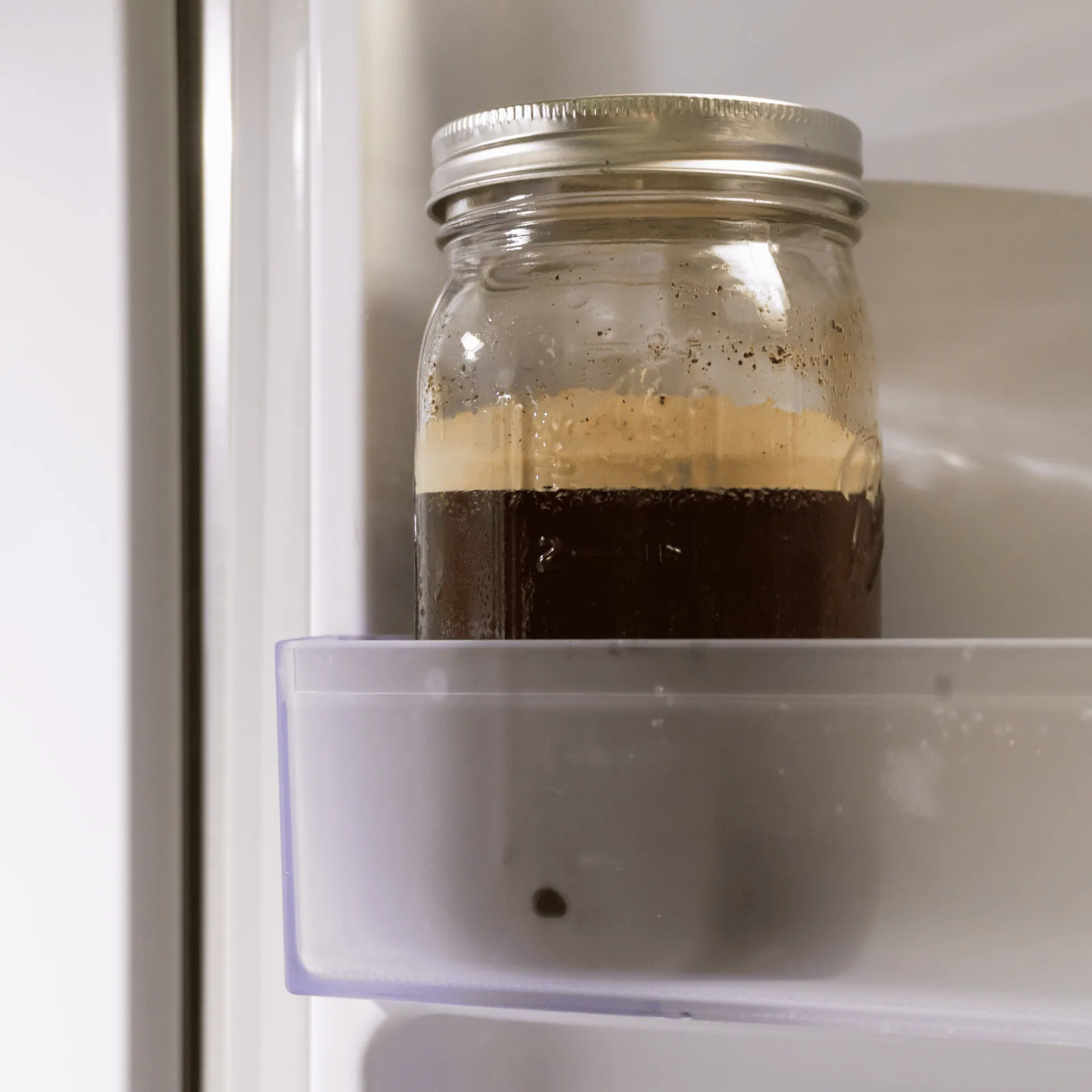
Cold brew is another option if you want coffee already chilled from the previous night. Ground coffee is steeped in cool or cold water in a clean, covered container in the refrigerator for several hours. Choose roasted coffee ground appropriately for cold brewing; do not substitute hot coffee that was forgotten on the counter overnight.
Coffee containers should be clean, securely covered, and free from food odors. Coffee readily picks up smells from containers or refrigerators, making the next day's drink less pleasant even if it has been kept cold. Wash the lid and small crevices after use and let all parts dry thoroughly before storing them.
5. Are Sour Smells, Surface Films, or Sediment a Concern?
A little phin sediment at the bottom is normal. But coffee kept for a long time that develops an unusual smell, surface film, or other signs of spoilage should be discarded. Do not taste a drink you already suspect is unsafe just to test it.
Quality and safety are different questions. Coffee that has lost aroma or contains a little phin sediment is not automatically spoiled, but mold, an unusual surface film, or curdled milk are signs to discard it. More importantly, improperly stored drinks may show no obvious change in taste or smell.
Arabica can have noticeable acidity even when freshly brewed. That is a flavor characteristic, not evidence of spoilage. To assess coffee left overnight, consider the storage conditions first; taste and smell alone cannot establish safety.
If you notice mold, an abnormal film, or unusually curdled milk, discard the entire drink and clean the container thoroughly. Do not skim off the top and consume what remains underneath. Clean the lid and seal as well, since residue can build up there.
6. How Can You Reduce Waste From Leftover Coffee?
The easiest way to reduce waste is to brew an amount you will finish. If two people share a phin but prefer different sweetness levels, prepare black coffee and divide it between two cups before adding milk. That leaves less to discard than making a large jug of milk coffee in advance and trying to store the leftovers.
When buying takeaway coffee, choosing a size you generally finish helps prevent waste. Drink milk coffee promptly or keep it properly chilled if you need to carry it for some time. A cup left in a hot vehicle for hours should not be consumed simply because it still smells like coffee.