How Does Roasting Affect Coffee Flavor?
Roasting transforms green coffee into new aromas and flavor characteristics. Explore how heat changes acidity, bitterness and the overall style of each cup.
Roasting is one of the most visible transformations in coffee, taking green beans to aromatic brown ones. Many of the familiar coffee aromas develop strongly only after roasting, acidity may be perceived differently, and bitterness often becomes more prominent at certain roast levels. But the saying “light roasts are sour and dark roasts are bitter” is an oversimplification that can mislead if treated as an absolute rule. Each roast involves numerous chemical reactions, while the final flavor still depends on the beans and brewing method.
1. What Happens to Coffee Beans When Heated?
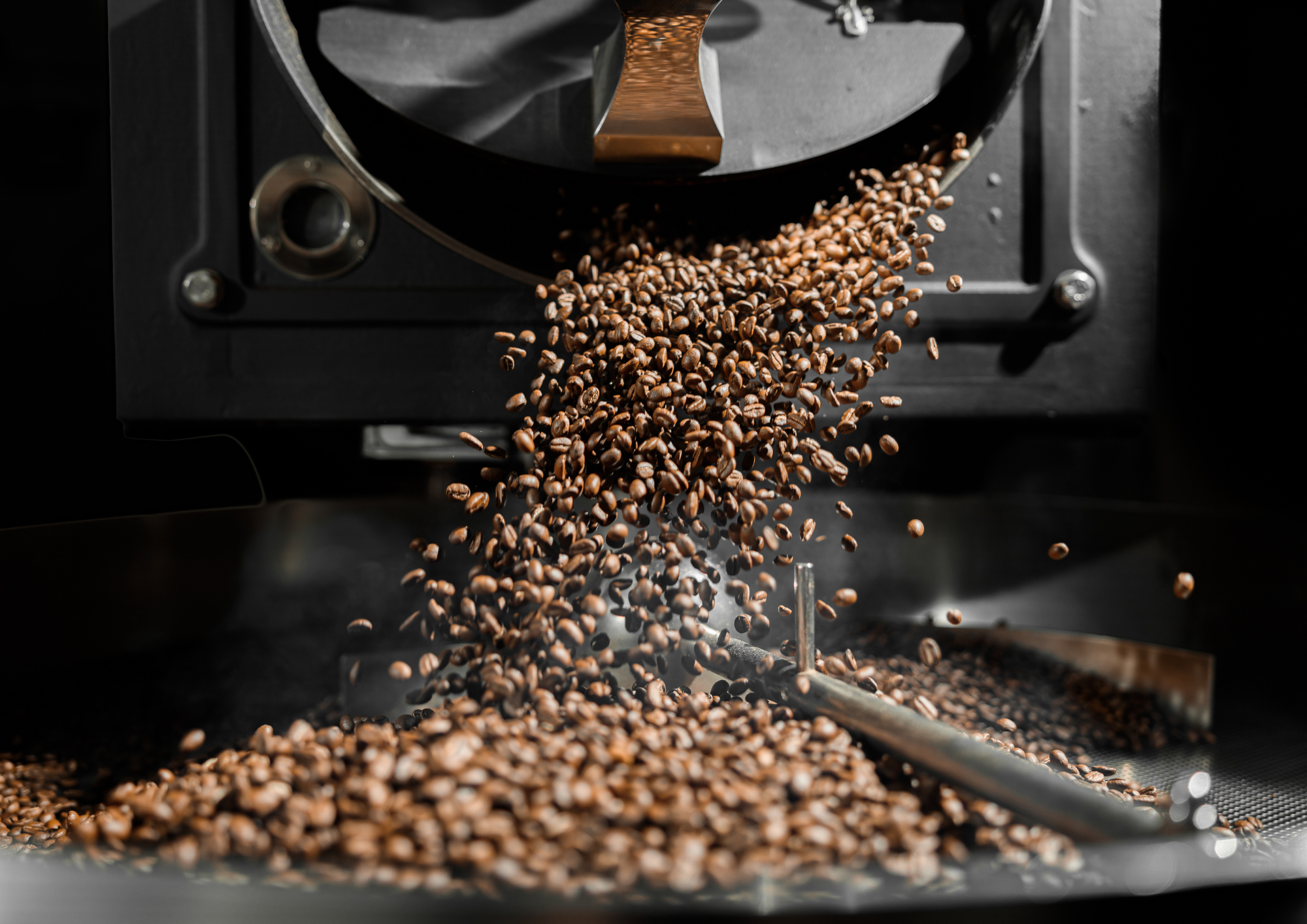
Inside a roaster, green beans absorb heat, lose moisture, change structure and gradually darken. Sugars, amino acids, organic acids and many other constituents undergo a range of reactions. Some original substances decrease, new ones form, and decomposition and rearrangement reactions continue. Roasted coffee is therefore much more than a dried, darker version of green coffee. Heat has transformed its flavor on a far deeper level.
Bean color alone cannot reveal the full amounts of aroma- and flavor-producing compounds remaining. Two batches with similar brown shades can still differ because of development time, equipment and heat-transfer rate. Labels such as light, medium and dark roast are useful descriptions of broad styles, not sets of measurements capable of explaining every batch. Use roast level as a starting point when choosing coffee, then let the cup itself reveal which characteristics are most prominent.
2. How Does the Maillard Reaction Develop Aroma?
When amino-containing components interact with sugars and sugar breakdown products under heat, reactions within the Maillard family can occur. These reactions play an important part in the development of color and aroma in many heated foods, from toasted bread to coffee. In coffee beans, Maillard and other thermal reactions help create numerous aromatic precursors and compounds, making roasted beans smell very different from the original green material.
The resulting aroma compounds can evoke roasted notes, nuts, cocoa and many other impressions. Yet Maillard is not the only reaction responsible for every smell; thermal decomposition, changes in starting compounds and related processes also contribute. When coffee has a rich aroma, drinkers need not know the exact share produced by each reaction to appreciate it. It is more useful to understand that roasting develops aroma—not simply a darker bean color.
3. Why Can Roasting Change Acidity?
Coffee beans contain various natural organic acids. Some decompose or decrease in concentration during roasting, while others may form or change. Perceived acidity therefore shifts with roast level. In many cases, lighter roasts allow acidic characteristics connected to the original beans to stand out more, whereas deeper roasts give roasted and bitter notes greater prominence and can make acidity less noticeable.
Still, this is not a case of “roast level controls everything.” Two lightly roasted coffees may differ greatly in acid composition, aroma and extraction behavior. Nor can pH alone predict the acidity a drinker will perceive. The foundational article on why coffee tastes sour explains acids and sensory balance in more detail. Here, the central point is that heat changes the overall picture without erasing the influences of coffee species and brewing.
4. Why Is Deeper Roasting Often Linked to More Noticeable Bitterness?
Some substances associated with bitterness, including caffeine, are present before roasting. Under heat, however, chlorogenic acids can transform into compounds that contribute bitterness, including chlorogenic acid lactones. At deeper roast levels, further reactions may form compounds with other bitter characteristics. This is why many dark-roasted cups tend to have pronounced bitterness and stronger roasted aromas, although the actual intensity depends on the raw material and recipe.
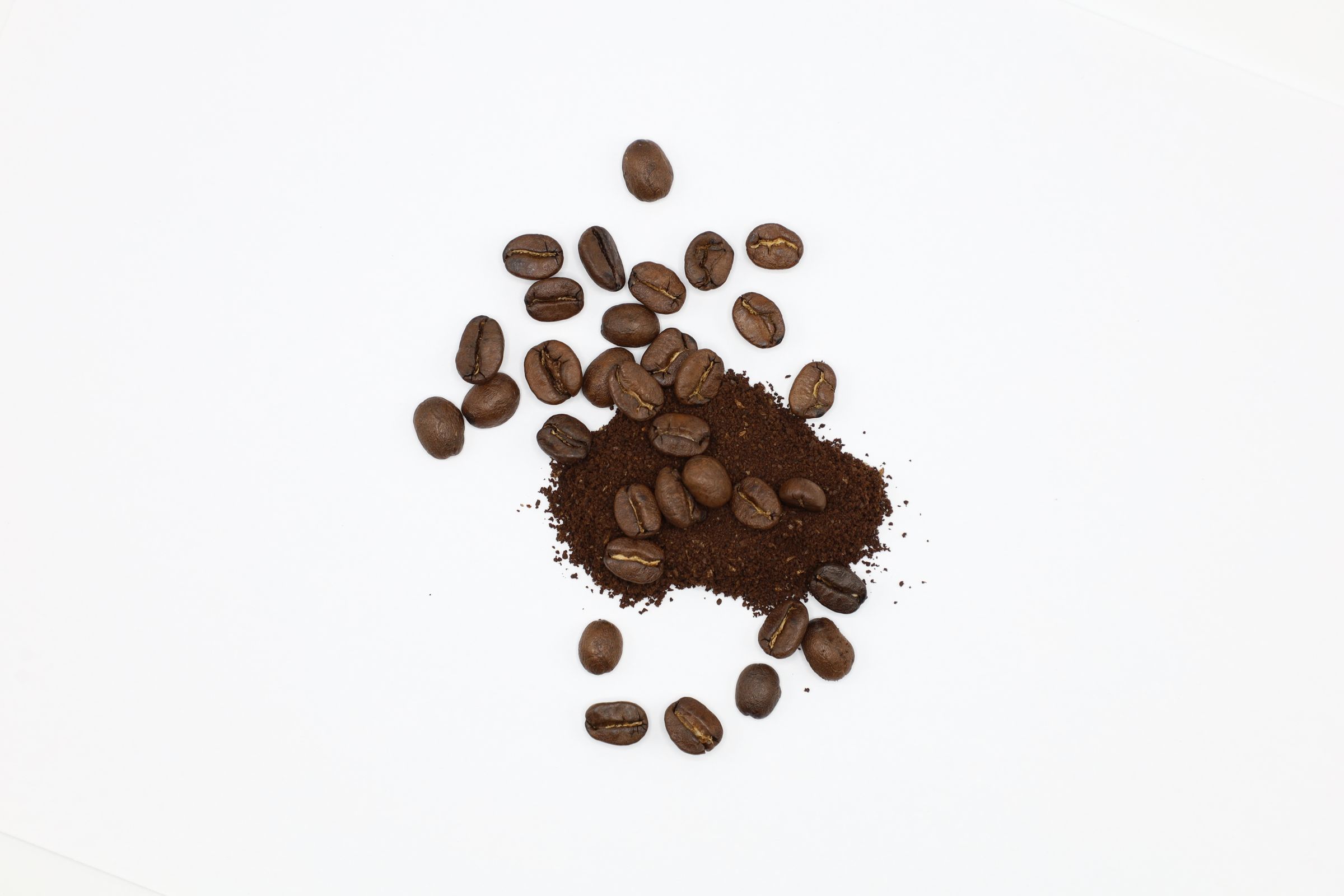
It is important not to treat every type of bitterness as identical. Some drinkers enjoy a noticeable bitter taste with a lingering finish; others find a dark-roasted cup too dry or heavy. Roasting may contribute to that difference, but unsuitable extraction may also be responsible. When choosing a dark roast, do not seek only “the most bitter” option. Consider whether its bitterness works with the aroma and a finish that you personally enjoy. That is a more practical way to separate intensity from balance.
5. How Do Light, Medium and Dark Roasts Differ?
Light roasting is often associated with retaining more of the characteristics linked to the original coffee, including readily perceived acidity. Many roasters use a medium roast to explore a combination of those initial qualities and aromas developed through heat. Dark roasting takes thermal changes further, generally suggesting a stronger foundation, less emphasis on acidity and more distinct roasted notes. These are useful tendencies, not three neatly divided boxes of flavor.
Beyond roast level, the duration and delivery of heat also matter. Medium roast should not be assumed to sit precisely halfway between light and dark in acidity, bitterness or body. Changing brewing equipment can alter perception as well. That is why roast descriptions help narrow your choices but cannot replace information about species and tasting notes. A “light roast” label does not mean the coffee is completely free of bitterness, just as “dark roast” does not guarantee the total absence of acidity.
6. Why Do Arabica and Robusta Still Differ at the Same Roast Level?
Arabica and Robusta differ in their starting composition, so their roasting reactions and sensory outcomes cannot be expected to be identical. Arabica with clear acidity will often remain distinct from bitterness-focused Robusta even when both are brewed similarly. A deeper-roasted Robusta may emphasize bold flavor and warm, woody aromas, while Arabica may be chosen to highlight floral and fruity notes. These are descriptions of common styles, not claims that certain notes belong exclusively to one species.
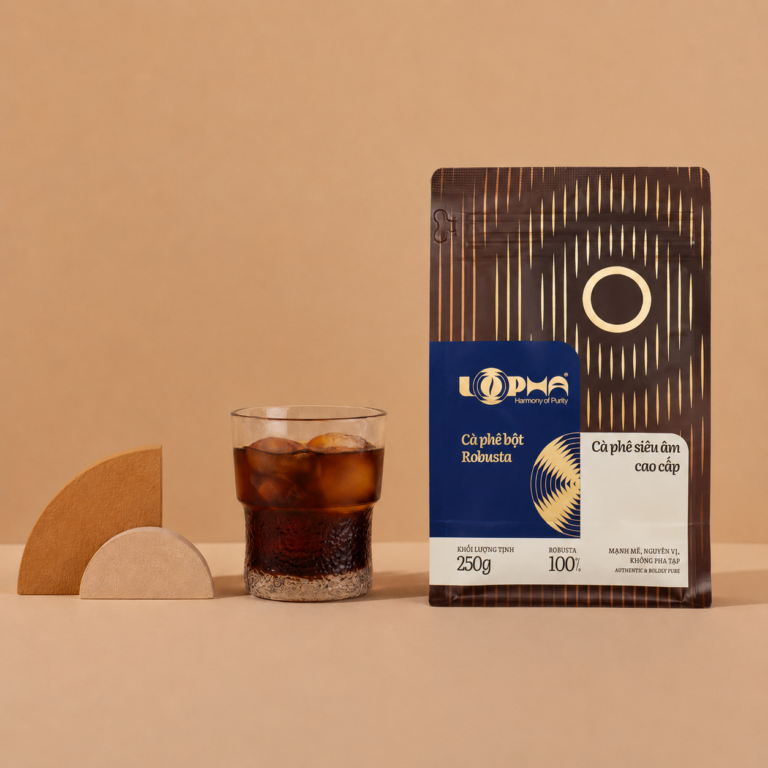
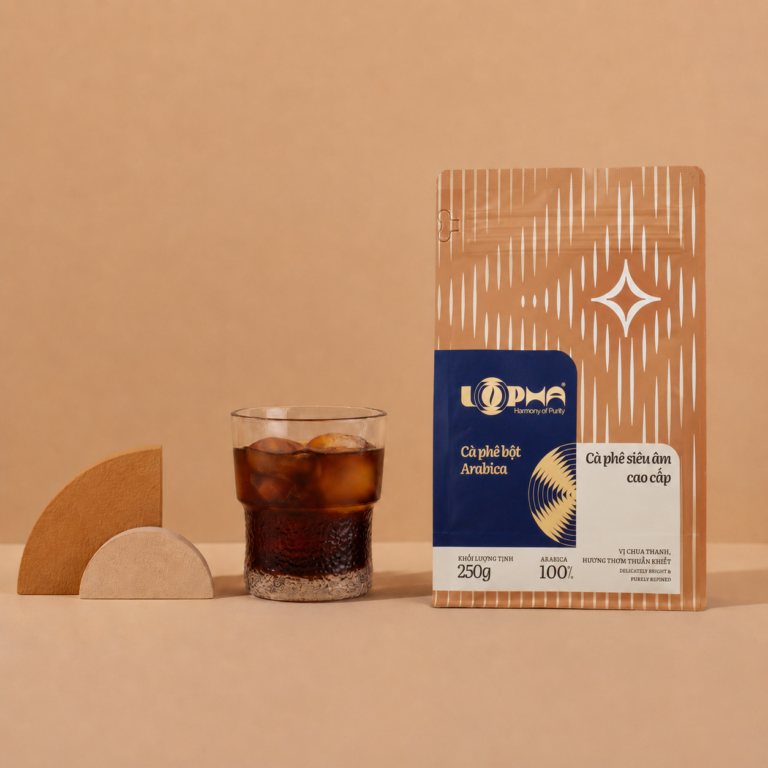
In the source descriptions, LOPHA’s 100% Robusta is presented as dark-roasted, with pronounced bitterness and woody aromas. Its 100% Arabica stands out for clear acidity and floral, fruity notes. Drinkers can recognize this as a genuinely different profile, not merely a less-bitter version of Robusta. The 80/20 Blend combines Robusta and Arabica to retain a bold base with mild acidity. Such descriptions help people choose without turning roast level into a promise about the concentration of specific compounds in the cup.
7. Can Darker Roasting Fix Every Flavor Problem?
When coffee tastes more acidic than you would like, roasting it darker is not automatically the best solution. Acidity also depends on the starting material, processing and extraction. An unsuitable grind size or water ratio can make a cup seem sharp and thin; adjusting the brewing recipe may improve the experience without changing the roast. Similarly, if a dark roast tastes excessively bitter or drying, it is worth checking your brewing method before concluding that no dark-roasted coffee suits you.
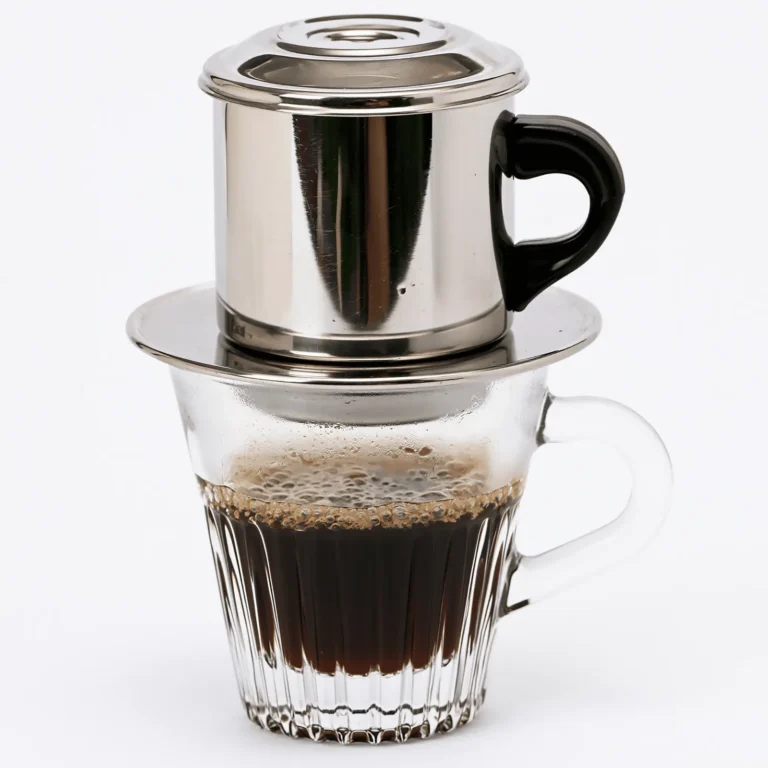
Roasting is decided by the producer, while extraction is something the drinker can choose. These act at different stages, so one cannot fully replace the other. Someone who enjoys bold coffee may select dark-roasted Robusta and brew it in a phin or espresso machine. A fan of clearly acidic Arabica might try drip brewing and adjust the grind. Understanding these boundaries makes coffee choices less dependent on oversimplified claims about bean color.
8. Choose a Roast for Your Taste, Not Just Its Label
The first question when buying coffee should be what experience you enjoy. Are you looking for clear acidity and bright aromas, or pronounced bitterness with a full body? Do you prefer a black cup where each note can be noticed, or do you usually add milk and ice? These answers narrow your options more effectively than automatically choosing “medium roast” because it sounds universally balanced. Once you have selected a coffee, try a reasonably consistent recipe a few times before deciding whether it suits you.
Roasting transforms aroma- and flavor-forming compounds through heat. Its influence is significant, but it always interacts with the raw material and brewing method. With this in mind, every cup becomes the result of connected choices: which beans were selected, how heat changed them, and what water extracted from the grounds. Those connections make coffee roasting a richer subject than the three labels light, medium and dark.