Why Does the Same Coffee Taste Different with Different Brewing Methods?
The same bag of coffee can taste very different when brewed with a phin, espresso machine or drip brewer. Discover how grind size, water, time and extraction shape each cup.
You might use the same bag of coffee for a morning phin, a short espresso when you need something quick and a leisurely drip brew later. Yet those cups rarely taste identical. One may be bold with obvious bitterness; another may be lighter in concentration, bringing acidity and aroma into focus; a third may feel fuller in the mouth. The difference does not necessarily mean the beans have changed in quality. It comes from the way water draws components out of the coffee grounds. That process is called extraction.
1. What Exactly Is Coffee Extraction?
When water meets coffee grounds, some of the substances in the coffee move into the liquid. They include organic acids, bitter compounds, aromatic constituents and many others. Moving them from the grounds into water is known as extraction. Not everything in the bean is soluble, however, and different substances are not extracted at identical rates. Contact time, grind particle size, temperature and how water moves through the coffee bed all influence the outcome.
Interestingly, the goal of brewing is not to extract absolutely everything. An enjoyable cup usually needs amounts and proportions of substances that suit its intended style. With too little extraction, some recipes may taste thin, lack depth or show sharp acidity. Too much or poorly balanced extraction may allow bitterness and dryness to dominate. Yet these are not infallible diagnoses: the beans, roast level and beverage concentration also change the outcome. Good extraction must be understood in the context of a particular cup.
2. How Are Coffee Strength and Extraction Different?
A cup may be highly concentrated without having a high extraction yield, and the reverse is also possible. Strength generally concerns how much dissolved material is present in a volume of brewed coffee, while extraction yield refers to the proportion of material transferred into water from the original grounds. Imagine using the same dose of coffee with two different water volumes. The smaller cup may be more concentrated without necessarily extracting a larger fraction of the coffee. “Very strong” should therefore not be confused with “fully extracted.”
Research into brewing control has shown that both factors influence the sensory profile. Someone seeking a powerful black cup might prefer a higher concentration, while a person who wants to sip slowly may choose a larger beverage. Both should still pay attention to acidity, bitterness, aroma and mouthfeel. A strong recipe will not appeal to everyone, just as a lighter cup is not necessarily made incorrectly. The distinction helps explain why espresso is generally more concentrated than drip without assuming that espresso always extracts more from the bean.
3. What Does Grind Size Change in the Cup?
Grinding increases the bean’s surface area in contact with water. Finer particles usually allow substances to extract more quickly, but they may also slow the water passing through the coffee bed or encourage uneven flow in some devices. Coarser grounds behave differently. Grind size should therefore match the brewing method: Vietnamese phin, espresso, drip, moka pot and cold brew do not all call for the same particle size.
Finer is not always better. With a phin, excessively fine coffee may cause very slow dripping; for espresso, grind size must be adjusted to produce a flow suited to the machine and recipe. If the result tastes too heavy, changing the grind may help. If it seems thin and weak, check grind size before endlessly increasing the dose. Whole-bean coffee gives users the freedom to grind before each brew, while ground-coffee buyers should choose a grind suited to their equipment at purchase.
4. Does Water Temperature Change Acidity and Bitterness?
Temperature affects how fast substances dissolve and how water moves through the coffee bed, but the sensory result does not depend on temperature alone. A UC Davis study found that, when extraction yield and beverage strength were held at comparable levels, changing the brew temperature within the tested range had less sensory impact than those two factors. That reminds us not to claim that “hotter water must make coffee more bitter” in every situation.
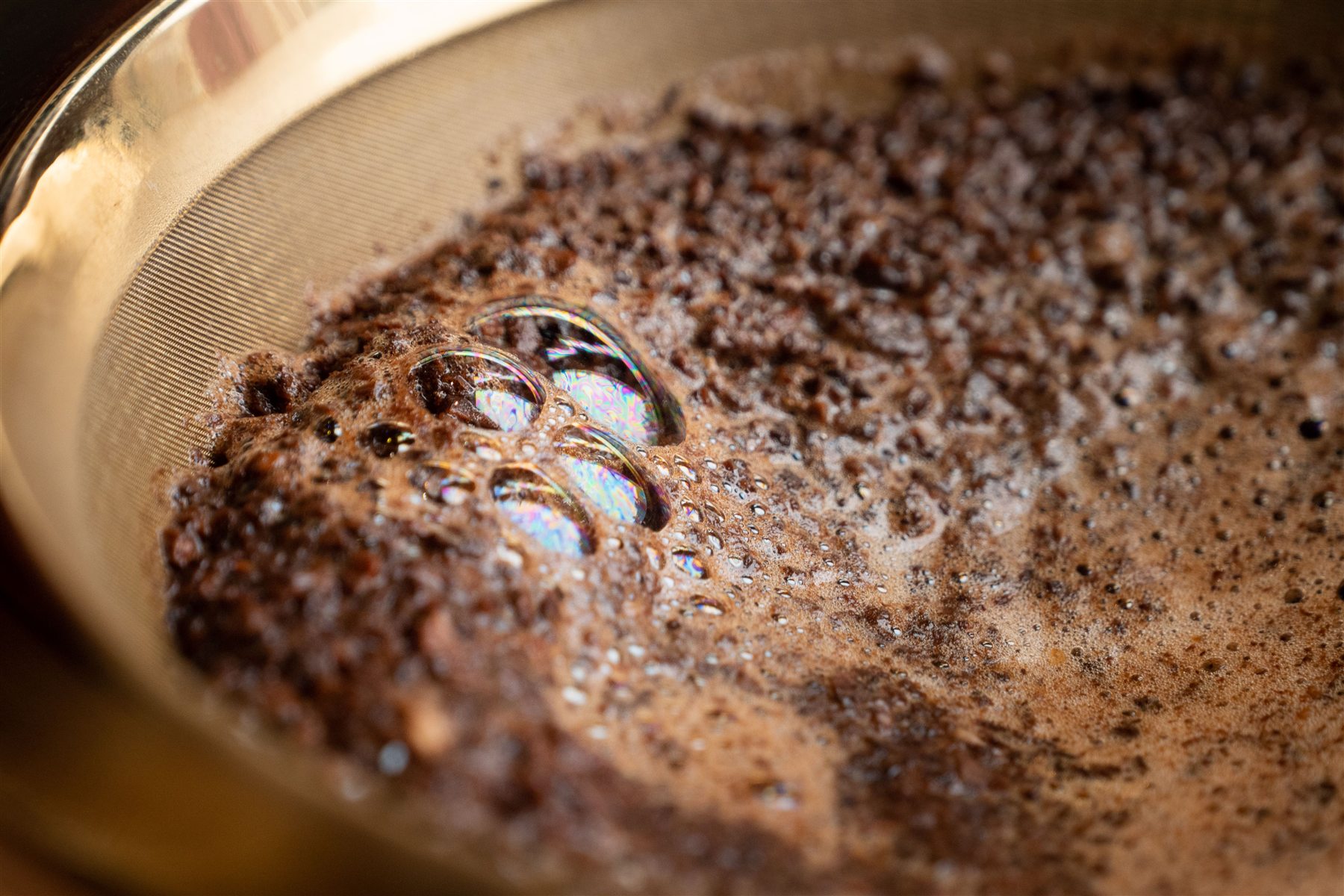
In practice, raising temperature while keeping all other steps unchanged can alter extraction and therefore the cup. But if grind size, contact time or water volume is adjusted to achieve comparable results, the flavor need not move in the direction initially expected. Temperature is a tool for adjustment, not a switch labeled sour or bitter. For everyday drinkers, choosing a suitable temperature for the equipment and keeping it consistent before changing other variables is often more useful than chasing a supposedly magic number.
5. Is Longer Water Contact Always Better?
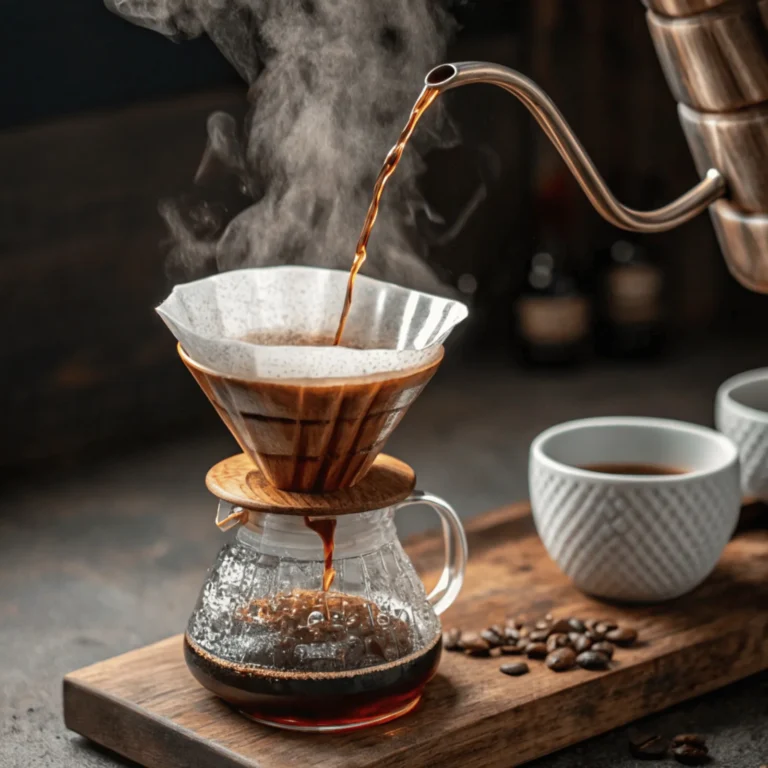
Brewing time is easy to observe: a phin needs time to drip, pour-over often involves several pours, espresso takes a relatively short time, and cold brew can take hours. But time does not work independently. Fine and coarse grounds can extract differently over the same interval; with the same grind, more water or a different agitation method can change the outcome. The number of minutes alone should never be treated as an absolute score for how good a cup is.
If a phin drains too quickly and produces a thin drink, it may help to check the grind, dose and position of the filter. If espresso flows too slowly and tastes heavy, the grind or distribution of grounds could be responsible. In cold brewing, lower water temperature changes extraction behavior, so a long steep is not equivalent to leaving coffee in hot water for an excessive time. What matters most is observing the flavor and adjusting variables deliberately.
6. Why Do Phin, Espresso and Drip Taste Different?
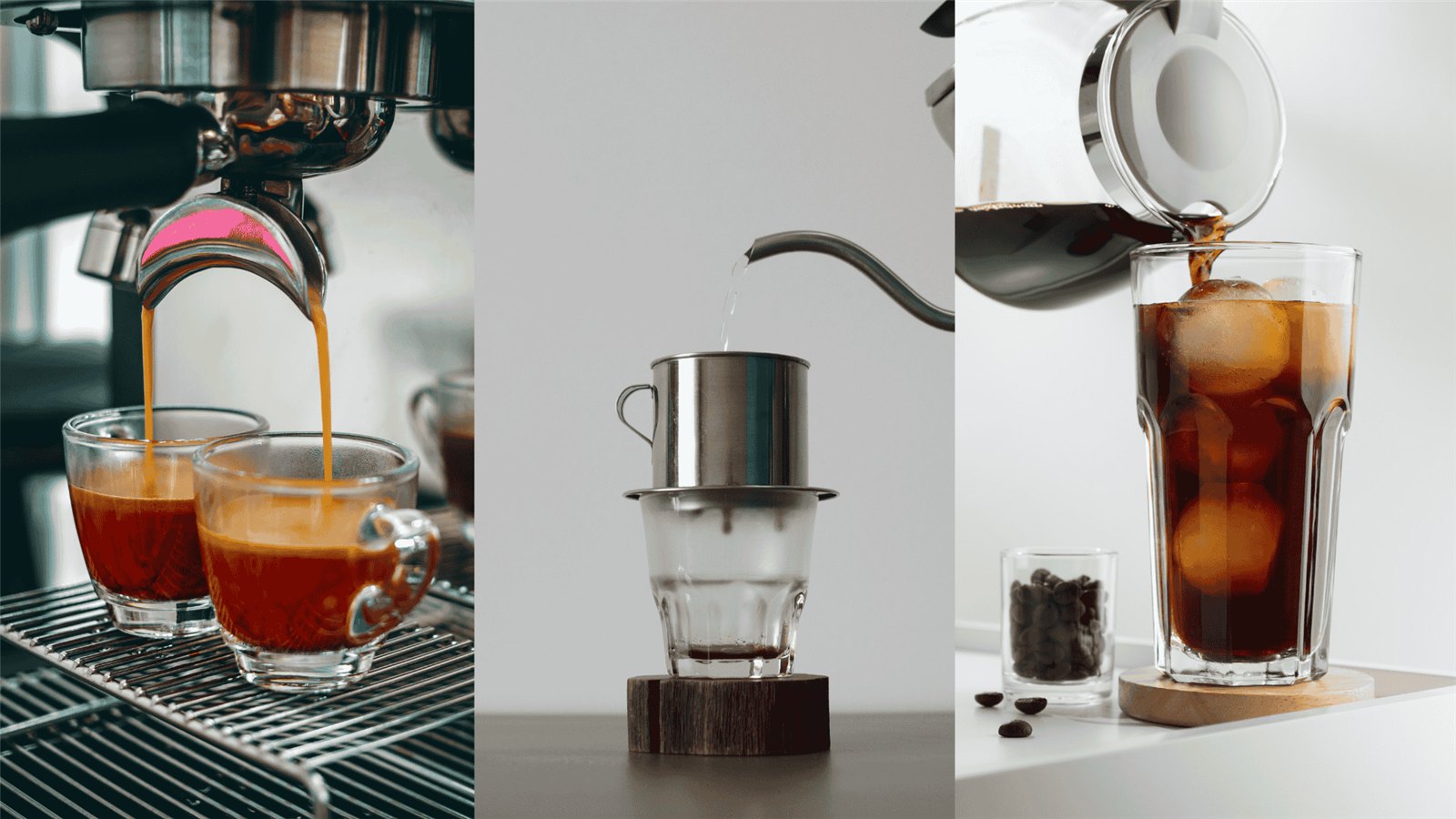
A Vietnamese phin uses gravity to move water slowly through the grounds and produce a drip-by-drip brew. Espresso uses higher pressure and usually produces a smaller volume of drink relative to the coffee dose, creating a concentrated cup. Paper-filtered drip brewing retains some oils and fine particles, producing a different mouthfeel from metal-filtered methods. These differences influence not only acidity and bitterness but also aroma, body and the sensations left afterward.
That does not make one method more premium than another. A bold Robusta phin may be ideal for someone who loves a traditional style; an Arabica drip can highlight clear acidity and floral or fruity aromas; and a Blend espresso may provide a bold base with mild acidity in a small serving. These are examples of matching equipment to preferences, not promises that every brew will deliver identical notes. Each method opens a different door into the same raw material, with its own possibilities and limitations.
7. How Can You Improve a Cup That Does Not Suit Your Taste?
Start by describing the problem accurately. Is the cup too sour, or simply clearly acidic but pleasant? Is it excessively bitter, or just very strong? Is the aroma appealing but the mouthfeel thin, or is the body full but the finish dry? Once those sensations are separated, it becomes easier to choose what to adjust. For a cup that appears under-extracted, review grind size and contact time; for an overly heavy one, inspect the water ratio, grind and flow. Do not immediately add sugar to disguise every issue in the recipe.
It is best to change only one variable at a time and keep track of a recipe that produces an enjoyable cup. LOPHA’s three styles have different goals: Robusta should express pronounced bitterness without necessarily becoming harsh; Arabica should show clear acidity within a harmonious whole; and Blend should pair a bold foundation with mild acidity. Knowing what you want in the cup helps you judge whether a small change genuinely brings the experience closer to your taste.
8. One Bag of Coffee, Many Ways to Enjoy It
The same beans can provide many experiences because water does not extract every substance in one fixed way. Grind size, temperature, contact time, water volume and filtering method work together to change extraction yield and concentration. That explains why coffee lovers can explore a single bag across many mornings before trying a new product. Each brew is a chance to discover the levels of strength, acidity and mouthfeel they enjoy most.
There is no need to turn brewing into a complicated formula. Begin with the equipment you already have, keep coffee and water amounts reasonably consistent, taste a sip without sugar and remember which adjustment improved the result. Once you understand extraction, the question is no longer just “Are these beans good?” You can also ask, “Have I brewed them in a way that brings out the flavors I enjoy?” That is the shift from drinking by habit to enjoying coffee with understanding.