When Acidity Takes Center Stage: LOPHA Whole-Bean Arabica
LOPHA whole-bean Arabica puts clear acidity in the spotlight. Floral and fruity aromas and a lighter mouthfeel offer something different to those accustomed to bold, bitter coffee.
Where Robusta makes its mark through a bold, bitter foundation, LOPHA whole-bean Arabica opens a different tasting experience: clearly noticeable acidity, delicate aromas and a deliberately lighter touch.
1. Open the Bag and Discover a Brighter Aroma
Whole-bean Arabica has a charm of its own from the moment you reach for the grinder. The beans are broken down, the freshly ground coffee releases its aroma, and a little anticipation builds before brewing. LOPHA Arabica leans toward floral and fruity notes, contrasting with the deeper aromatic style of Robusta. These are ways of describing naturally occurring coffee aromas; they do not mean flowers or fruit have been added to the product. Newcomers need not name a particular blossom or piece of fruit. Compare the scent of the whole beans with the freshly ground coffee, then notice how the aroma changes on contact with hot water. Its brightness and delicacy may be easier to recognize than any one particular note. Whole-bean Arabica is for those who enjoy this moment of discovery even before the first sip.

2. Clear Acidity: A Personality, Not a Flaw
If you are accustomed to bold Robusta, your first sip of Arabica may be a surprise: acidity plays a more noticeable role rather than giving way to bitterness. In LOPHA Arabica, that clear acidity is a defining characteristic, not a fleeting hint. Coffee naturally contains organic acids, while processing, roasting and brewing all influence how we perceive them. You do not have to memorize chemical names to decide whether you enjoy the result. Instead, notice the difference between “clearly noticeable acidity” and “harsh sourness.” The first describes prominence; the second often accompanies an unbalanced brew or a flavor that does not suit your palate. A cup of Arabica with vivid acidity still needs aroma, body and aftertaste to work together in a way that makes you want to keep exploring.
What makes Arabica distinctive is that acidity is not something to conceal. For someone moving from a strongly bitter style, it may feel unfamiliar—even enough to prompt the question of whether the coffee tastes as expected. But once you know that clear acidity is part of LOPHA Arabica’s identity, you can approach it with curiosity rather than immediately comparing it with Robusta. Pleasant acidity is usually experienced in relation to aroma, gentle bitterness and the finish, not as an isolated measure of intensity. Seeing acidity as part of the whole is what makes Arabica varied and interesting.
3. How Do Floral and Fruity Aromas Meet Acidity?
The pleasure of Arabica is not simply acidity on its own. When floral and fruity aromatic impressions meet noticeable acidity, the cup can feel bright, light and full of movement. Raising the cup lets you experience aroma through your nose; sipping brings acidity and other tastes to your tongue and palate. These sensations are connected but not identical. Smell the freshly ground coffee, then the brewed cup, and notice whether the aroma seems to return after you swallow. Not everyone will detect the full range of floral or fruity nuances in one sip, and their prominence may shift with the brewing method. Those differences make exploring Arabica a matter of personal taste rather than a compulsory scoring exercise.
Floral and fruity descriptions are associations with aroma, not a promise that everyone will smell the same flower or fruit. One person may remember a bright, delicate impression; another may simply notice that the scent is quite different from their usual Robusta. Both are perfectly valid starting points. When these aromas accompany clear acidity, Arabica can feel more dynamic than a cup described only in terms of strength. The attraction is that each time you lift the cup, a different detail may catch your attention—without turning coffee drinking into an aroma-guessing test.
4. A Lighter Mouthfeel and a Gentle Finish
LOPHA Arabica tends toward a lighter body, gentler bitterness and a cleaner, more delicate finish than a bold Robusta style. To notice this, do not judge by the color of the coffee alone. Take a moderate sip, feel how the liquid moves across your palate, and then swallow. Body is not the same as visible thickness, nor is it a quality ranking. Some people love a dense, powerful cup; others enjoy a lighter sensation that gives aroma and acidity space to emerge. Arabica often appeals to the latter. When bitterness does not dominate, the drinker can focus on floral and fruity notes, the pronounced acidity and a finish that fades relatively gently. That difference is a character of its own, with no need to declare one type of bean better than another.
A light-bodied cup does not have to be weak or lacking in character. Arabica can make a clear impression through acidity and aroma even when it does not feel as substantial as Robusta. That contrast is worth enjoying: the aroma offers plenty to discover while the coffee itself may leave the palate more lightly. A clean, quick finish can make you reach for another sip to find the acidity you just noticed. With whole-bean Arabica, delicacy is not the opposite of depth; it simply creates depth in a different way.
5. One Coffee, Different Brewing Methods
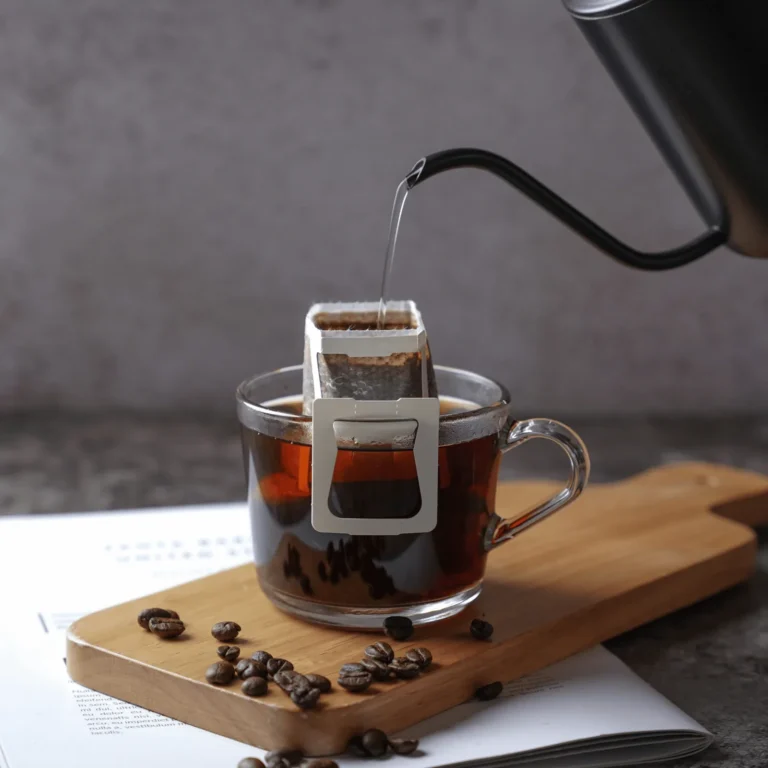
Whole-bean Arabica lets you try different methods without switching products. Filtered drip coffee is usually less concentrated than espresso, which can make it easier to notice aromas and acidity at a slower pace. Espresso is more concentrated, bringing strength and several flavor qualities together in a short sip. A Vietnamese phin filter offers another perspective: the familiar method does not turn Arabica into Robusta. The useful attitude is curiosity, not deciding which tool is the single “correct” one for Arabica. When comparing methods, use the same beans and taste the coffee before adding milk or sugar. Each method may highlight acidity differently without changing the nature of the coffee beans.
The fun of whole-bean coffee is not just changing equipment but discovering when you most enjoy Arabica. Some prefer a cup sipped slowly on the weekend, when there is time to take in the aroma. Others enjoy a short, focused coffee that brings a little acidity to the beginning of the day. Those experiences may emphasize different sides of the same beans. There is no need to make Arabica taste identical in every recipe. Whole beans provide choices, and enjoyment grows as each person finds a style suited to their routine and palate.
6. Take Another Sip as the Coffee Cools
Aroma and taste are not perceived in exactly the same way when a cup is freshly brewed and when it has cooled somewhat. At high temperatures, rising steam and heat can draw attention to the aroma while making subtle tongue sensations harder to recognize. As the cup cools, some tastes may stand out more. With Arabica, this is an interesting opportunity to observe what happens to the acidity: is it as sharp as the first sip, gentler, or accompanied by aroma in a different way? There is no need to wait until the coffee is cold or follow an elaborate tasting ritual. Drink slowly and compare two moments. You may discover your preferred drinking temperature rather than applying a single standard to everyone.
When drinking a coffee known for its aroma and acidity, rushing can make you remember only its most obvious feature. Give Arabica a few extra minutes and the experience may change: the scent differs from when more steam was rising, and the acidity may attract your attention in a new way. Even if you notice no major difference, returning thoughtfully to the cup makes the experience more deliberate. Not everyone will discover a complex chain of flavor notes. Simply learning how you like the coffee served is already worthwhile.
7. For People Who Enjoy Exploring Acidity
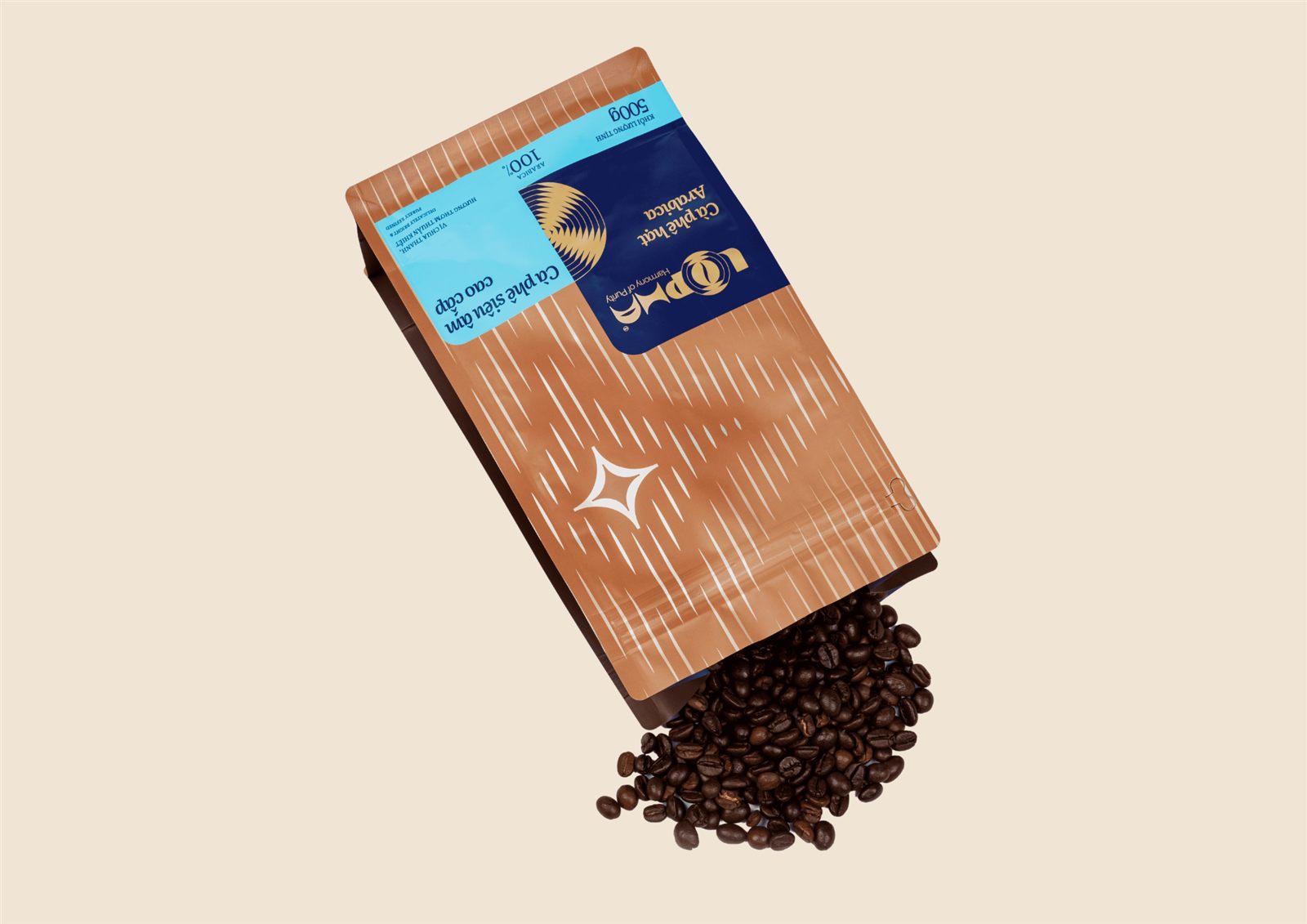
LOPHA whole-bean Arabica suits those who want clear acidity in the spotlight, enjoy floral and fruity aromatic notes, and prefer grinding their own beans for their chosen equipment. If you normally drink bold coffee, you may need a few cups to become familiar with a style that places less emphasis on bitterness. That does not make one type more premium than another; each has its own flavor language. Begin with a black cup brewed to a comfortable strength, give the aromas and acidity room to appear, and decide for yourself whether you want to return to that sensation. For those who enjoy discovering little details in a cup, LOPHA 100% Arabica whole beans are well worth trying. The most beautiful flavor is not the one described with the most adjectives, but the one that makes you remember what you actually tasted.
Arabica does not try to please everyone. Its distinct acidity and bright aromatic direction invite anyone who genuinely wants to explore another way of enjoying coffee.