
How to Make Coffee With Fresh Milk at Home: How Is It Different From Condensed Milk?
Coffee made with fresh milk is generally less sweet and thinner than coffee with condensed milk. These starter ratios for phin coffee and fresh milk help retain a clear coffee aroma in both hot and iced drinks.
Coffee made with fresh milk tends to taste milder than coffee made with sweetened condensed milk, especially when you use unsweetened milk. It is less intensely sweet, the coffee flavor can be easier to recognize, and the drink feels lighter. With a Vietnamese phin, fresh milk, and ice, you can make it at home; the key is not adding so much milk that the coffee aroma disappears.
1. Is Fresh-Milk Coffee Just a Less-Sweet Iced Milk Coffee?
Sweetened condensed milk is both sweet and thick, while unsweetened fresh milk is thinner with a gentle natural sweetness. Changing the milk therefore changes how strongly the coffee comes through. Someone accustomed to bold, sweet Vietnamese iced milk coffee may initially find fresh-milk coffee a little weak, even when the coffee concentrate itself has not been diluted.

Fresh-milk coffee brewed with a phin does not require an espresso machine. All you need is a phin, ground coffee, fresh milk, and a cup. The most useful thing to experiment with first is the ratio, not more equipment: less milk makes the coffee more pronounced, while more milk softens it. Tasting before adding ice helps you choose an amount of milk that suits you.
2. How Is Coffee With Fresh Milk Different From Condensed-Milk Coffee?
2.1. Fresh Milk Is Milder; Condensed Milk Is Sweeter and Richer
Do not replace 20 g of condensed milk with exactly 20 ml of fresh milk and expect the flavor to be similar. Fresh milk contains more water and is less sweet. With a small serving of concentrated phin coffee, you can start with around 110–140 ml of unsweetened fresh milk. The milk quantity is larger, but the drink will still be less sweet than the condensed-milk version.
Coffee with fresh milk is not automatically sugar-free. You can use unsweetened or sweetened milk, or add a little sugar during preparation. Unsweetened fresh milk is the most convenient starting point if you want control over sweetness.
2.2. How It Differs From Latte in Brewing Method and Experience
A latte is generally made with espresso and milk, whereas the fresh-milk coffee in this article uses phin concentrate. Because the coffee bases differ, the same milk can produce a different aroma and perceived strength. Phin-brewed milk coffee can be served hot or iced without creating the fine foam associated with a hot latte.
If you already enjoy phin coffee, making it with fresh milk is a way to change the flavor without changing equipment. An iced latte usually starts with espresso, while this drink starts with phin coffee. They may look alike after milk is added, but their aroma and intensity will depend on the beans, brewing water, and milk ratio.
3. Ingredients for One Iced Coffee With Fresh Milk
For a drink of approximately 250–300 ml, start by brewing 20–22 g of phin-ground coffee with 80–90 ml of hot water, then add 110–140 ml of unsweetened fresh milk and clean ice. If you prefer a little sweetness, dissolve 5–10 g of sugar in the still-warm coffee base. Taste before adding ice, because melting ice will dilute the flavor.
Chill the milk before making an iced version. The coffee grounds should be suitable for a phin; unground whole beans cannot be used directly. A small scale makes measurements easier, but you can also use the same spoon and measuring cup for subsequent brews.
The easiest starting point is the pre-ground coffee you already brew in your phin, because you know how strong its concentrate tastes. Once you have found a milk quantity you enjoy, try switching to Robusta or Blend. Changing one ingredient at a time makes the differences clearer than changing both the coffee and the milk ratio in the same cup.
4. How to Make Phin Coffee With Fresh Milk at Home
4.1. Brew a Sufficiently Strong Coffee Base
Rinse the phin with hot water, add the grounds, and level the surface reasonably well. Pour in approximately 20 ml of hot water, wait 40–60 seconds for the grounds to absorb it, then add the remaining water. When the phin has finished dripping, remove it and let the coffee cool slightly before mixing it with milk.

The coffee base needs enough aroma and strength for its flavor to remain recognizable after mixing. But 'strong' does not mean harshly bitter. If the black coffee tastes astringent or smells burnt, revisit the brewing method; adding milk may soften those sensations but will not make a poorly brewed concentrate good.
4.2. Mix the Coffee With Cold Fresh Milk
Pour cold fresh milk into a glass, add the slightly cooled coffee concentrate, and stir. Taste before adding ice. If you want sugar, dissolve it in a little still-warm coffee first; granulated sugar is difficult to dissolve completely once the glass is full of ice.
If the drink is a little too strong, add milk in increments of 15–20 ml. If so much milk has been added that the coffee aroma is almost gone, use less milk or a stronger concentrate next time. Keeping the coffee dose constant during your first few trials helps you find the right ratio without changing too many things at once.
4.3. Add Ice Without Losing the Coffee Flavor
As ice melts, it gradually dilutes fresh-milk coffee. If you enjoy sipping slowly, use larger ice cubes and chill the milk beforehand. Measure the milk and coffee concentrate you need; do not add plain water merely to fill the glass.
Some people like to pour coffee over cold milk and ice to create two visible layers. It looks appealing, but stir before drinking so the flavor is even. The top may taste strongly of coffee while the bottom contains more milk; a sip after mixing reflects the flavor of the whole drink.
5. How Does Hot Fresh-Milk Coffee Differ From the Iced Version?
For hot fresh-milk coffee, use the same phin concentrate but replace cold milk with warmed milk. Combine them in a heatproof cup, stir, and taste. With no melting ice, the hot drink generally maintains a more consistent strength as you drink it.
Warm the milk over moderate heat, stirring gently, then turn off the heat; it need not boil vigorously. Prolonged heating may produce a surface film and a noticeable cooked-milk aroma. If you use a milk-frothing device, follow the manufacturer's instructions.
Foam is optional in the hot version. Warm milk mixed with phin coffee is already a pleasant drink. If you want a softer mouthfeel, froth the milk using a suitable tool and pour it into the cup; the principal flavors still come from the coffee and the milk you chose.
6. Why Does Homemade Fresh-Milk Coffee Taste Weak or Unusual?
6.1. Too Much Milk and Too Little Coffee
Fresh-milk coffee often tastes weak when there is too much milk relative to the coffee base. You can tell when the glass smells mainly of milk and barely of coffee. Reducing the milk or adding a little more concentrate helps the coffee come through; there is no need to top up the glass with water.
Bean choice changes the drink as well. Robusta is generally bolder and more bitter, Arabica has more noticeable acidity, and blends combine those characteristics. When changing coffee, taste the black concentrate before adding milk to decide whether the ratio needs adjusting.
6.2. Adding Sugar to Milk That Is Already Sweetened
Sweetened fresh milk already contains added sweetness. If you then use the same sugar quantity as a recipe for unsweetened milk, the drink can easily become too sweet. Checking the milk carton before brewing is an easy way to avoid this mistake.
When a glass is already too sweet, more ice only dilutes the coffee along with the sweetness. If you have some concentrate left, a small addition may make the coffee more noticeable. Next time, reduce the sugar or switch to unsweetened milk for easier control.
6.3. When the Milk or Coffee Smells Unpleasant
Do not use milk that smells unusual, curdles unexpectedly, or has been stored incorrectly. The phin and glass should also be clean, without old coffee residue or dishwashing-product odors, since these can easily spoil the aroma of a fresh drink.
Fresh-milk coffee is at its best soon after preparation. If you take it away, use a clean container capable of maintaining a suitable cold temperature and drink it within an appropriate period. Do not leave milk coffee in the heat for hours and then consume it.
7. Should You Use Robusta, Arabica, or Blend With Fresh Milk?
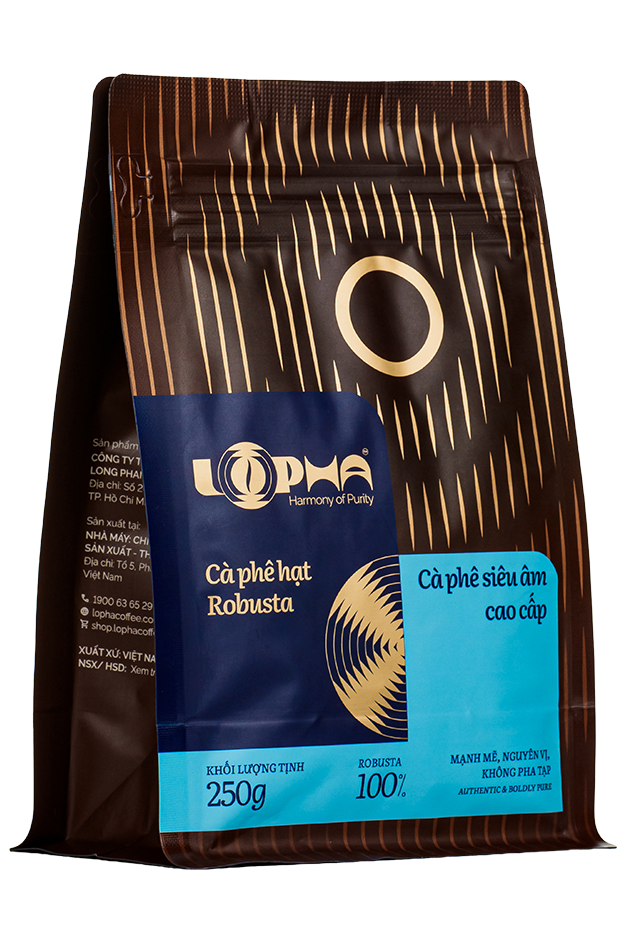
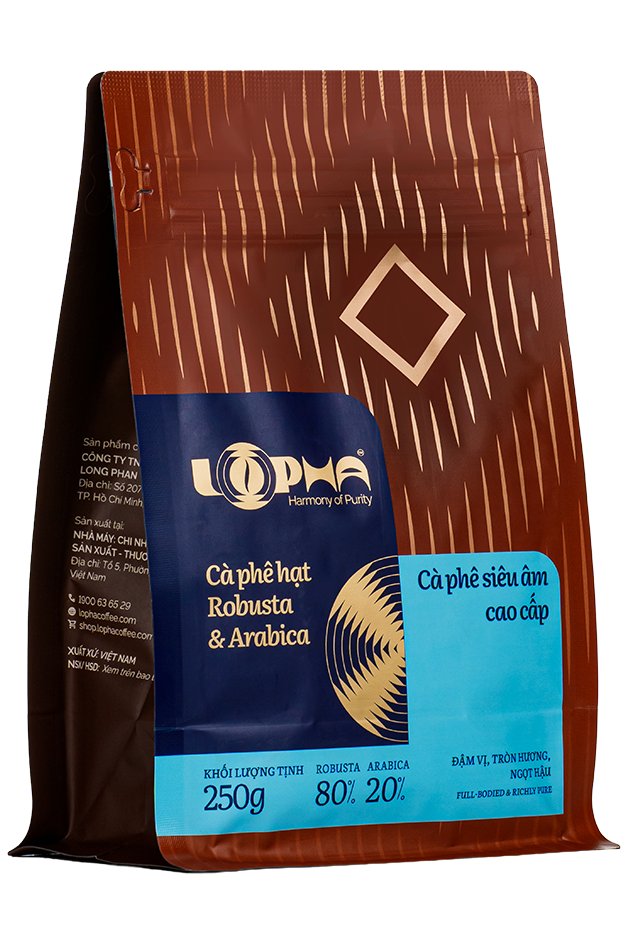
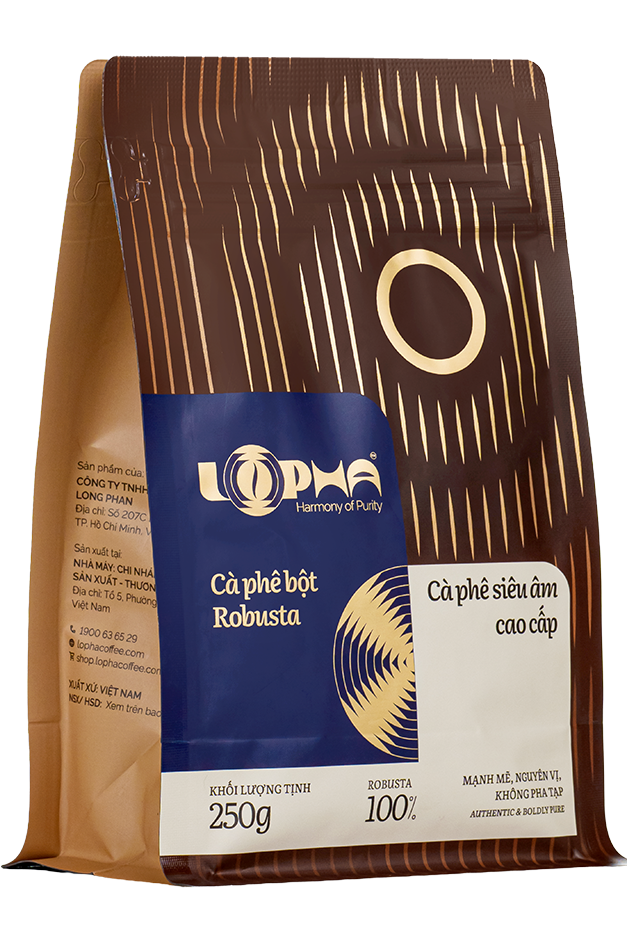
Unsweetened fresh milk lets you notice the differences among coffee varieties quite clearly. LOPHA's roasted and ground Robusta is bold, distinctly bitter, and long in the finish. LOPHA Arabica has more pronounced acidity, while its 80% Robusta and 20% Arabica Blend offers a balanced taste with mild acidity. Those who like their fresh-milk coffee to retain a strong coffee presence may prefer Robusta or Blend.
When trying a different coffee, keep the milk amount unchanged. Robusta will generally bring more noticeable bitterness, while Blend is more balanced with a touch of acidity. If you enjoy Arabica, its pronounced acidity can still come through in unsweetened fresh milk. Tasting each version this way helps you settle on a lasting preference.
Pre-ground coffee prepared for phin brewing is convenient when you do not have a grinder. If you buy whole beans, you must grind them before putting them into the phin. When choosing among LOPHA coffees, check whether the packaging contains beans or grounds so you buy a format that suits your equipment.
8. Frequently Asked Questions About Fresh-Milk Coffee
Can fresh milk replace all the condensed milk? Yes, but both sweetness and texture will change. For an iced drink using phin coffee, try around 110–140 ml of unsweetened fresh milk and add sugar only if you want it.
Do you have to add sugar to unsweetened fresh milk? No. The drink will have a gentle milk taste and a clearer coffee presence. If you are used to sweet coffee, add a little dissolved sugar and taste before adding ice.
Does fresh-milk coffee have fewer calories than condensed-milk coffee? You cannot know from the drink's name alone. The amounts of fresh milk, condensed milk, and sugar determine most of the energy content; check nutrition labels and the quantities actually used.
Should you prepare fresh-milk coffee the night before? A better approach is to store the black coffee concentrate separately in a clean, covered container and chill it promptly, then add milk when you are ready to drink. Coffee already mixed with milk should not be left at room temperature for long.
Fresh-milk coffee suits anyone who wants less of the intense sweetness of condensed milk but still enjoys coffee with milk. You can make it with a phin and serve it hot or iced. Once you know how strong you like the coffee base and how much milk to add, repeating your preferred cup becomes simple.