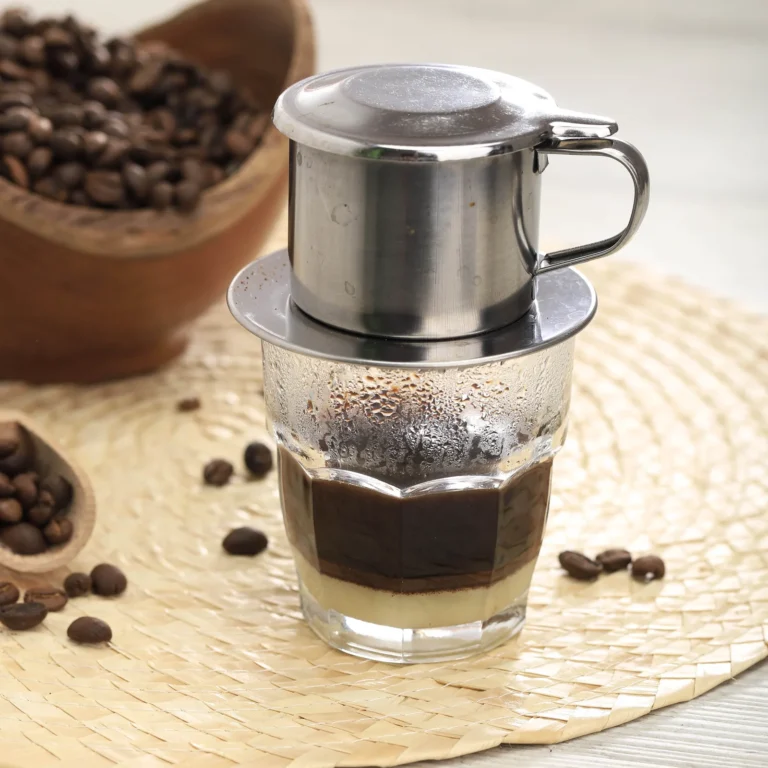
Bold Flavor, Drop by Drop: Tasting LOPHA 100% Robusta Ground Coffee
With no grinder needed, a phin and a few quiet minutes can bring ground Robusta into your morning. Notice its pronounced bitterness, deeper aromas and long finish in that first black cup.
From the dry grounds in a phin filter to the first drops in the glass, LOPHA ground Robusta brings its bold character into a wonderfully familiar daily ritual.
1. A Phin Filter and a Familiar Morning Rhythm
Some mornings, all you need is a phin filter and a few quiet minutes. Open a bag of LOPHA ground Robusta, measure out the coffee, pour in the water, and listen for that first drop reaching the bottom of the glass. The steps are familiar, but the aroma gives the morning its own small milestone. Pre-ground coffee skips the grinding stage, making it ideal for people who like an uncomplicated start. While waiting, you may notice that the scent of dry grounds differs from the aroma rising from hot coffee; deep, woody notes mix with steam in a way that feels close to the Vietnamese phin tradition. There is no need to turn brewing into a complicated experiment. What matters more is the moment the coffee is ready and the first sip reveals a distinctly bold, bitter foundation. The charm of ground Robusta lies in this simple rhythm that many people look forward to repeating every day.

2. What Bitterness Tells Us in a Black Coffee
A sip of black phin coffee is the most direct way to discover the character of LOPHA ground Robusta. With no milk or sugar in the foreground, pronounced bitterness takes center stage. But “strong” still does not tell the whole story. After the first impression, notice how full the coffee feels in your mouth and what remains after swallowing. Too high a concentration can focus all your attention on bitterness alone; too much dilution can leave the Robusta character faint. What you are looking for is not the strongest possible phin, but a cup that lets you recognize the beans and still enjoy drinking it. A small sip, a brief pause and then another sip often reveal more than simply looking at how dark the coffee appears.
A black phin coffee makes its impression in a remarkably direct way: without upfront sweetness or creaminess, the coffee itself comes through. Yet that straightforwardness is not the same as simplicity. Pay attention and you may notice how quickly the bitterness arrives, whether the fullness lingers or fades neatly, and whether you want another sip straight away. These little differences help explain why some people remain devoted to black Robusta phin coffee without adding much else. They are not just searching for a “strong” cup to wake them up; they are returning to a familiar sensation that has depth.
3. Do the Drops from a Phin Change the Experience?
Phin brewing has its own rhythm. Water slowly makes its way through the coffee bed, the earliest drops are often dark, and the glass gradually fills. The flow does not determine every aspect of quality, but it affects extraction and, in turn, the tasting experience. A brew that runs too quickly may taste thin; an excessively slow one may sometimes feel heavy or dry. The interesting thing to watch is not an absolute “correct” brewing time, but the relationship between the dripping pace and the final cup. With ground Robusta, you can keep the coffee dose steady and make small adjustments to brewing in later attempts to find consistency. In the end, what matters is not the number on a timer but the way those drops come together into a cup with character—bold enough and just right for the person drinking it.
Waiting for a phin to drip can feel like a rare pause in the day. You hear the faintest drops, the aroma gradually fills the air, and an empty glass becomes a drink ready to enjoy. Watching this unfold gives the Robusta cup a different feeling from grabbing a takeaway coffee in a hurry. When people take the time to watch, they often give the first sip more attention and find it easier to sense how bold they want their coffee that day. A phin does not automatically guarantee a great brew, but the waiting creates room to connect with the flavor in a very personal way.
4. A Touch of Deep Aroma Rising from Hot Coffee
For LOPHA ground Robusta, woody notes are a characteristic part of its deeper aromatic profile. For phin drinkers, the pleasure lies in how the aroma develops across three familiar moments: opening the bag, pouring hot water over the grounds, and lifting the finished cup to the nose. The smell of dry coffee is rarely identical to the aroma of a hot brew, and this difference brings the experience to life. Instead of trying to name numerous tasting notes, notice whether the scent seems warm, deep, or perhaps something else altogether. Then take a sip of black coffee and see whether the aroma feels at home beside its clear bitterness. Scent and taste are separate sensations, but in our memories of a good phin, they often stay together.
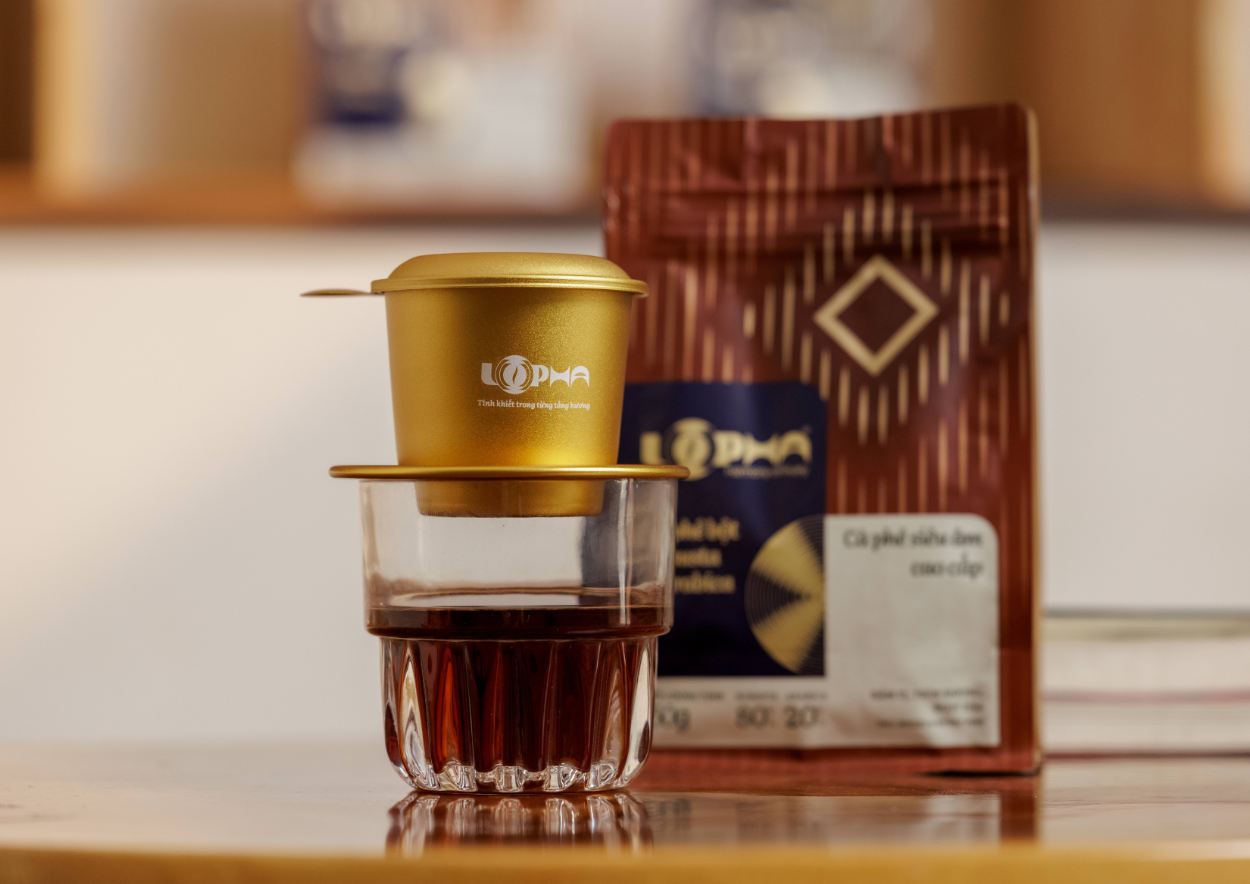
There is something interesting about comparing dry ground coffee with the aroma of a freshly brewed phin: the initial scent may feel subdued and deep, while hot water allows more of it to spread through the surrounding air. When you sip, aromas experienced through the nose mingle with tastes in the mouth, and you remember the coffee as a whole. That is why asking only how strong Robusta smells can miss a more important point: does the aroma sit comfortably beside its bitter foundation? A memorable phin cup often feels connected from its first scent to its first sip and lasting finish.
5. Robusta with Milk: The Coffee Still Shines Through
For many people, ground Robusta goes hand in hand with a morning coffee with milk. Adding milk introduces sweetness and creaminess that soften the perception of bitterness, rather than making the bitter compounds disappear. If the coffee base is sufficiently distinct, you can still recognize the Robusta character beneath that creamy sweetness. That is one reason Robusta is often chosen for Vietnamese-style milk coffee: it delivers body, a strong flavor presence, and a recognizable coffee finish. But everyone has a different preference for sweetness. You do not have to add so much milk that the coffee becomes unrecognizable, nor brew something excessively harsh to “stand up” to the milk. A small adjustment to your own taste can make milk coffee both familiar and interesting.
Coffee with milk also suggests a different rhythm of tasting. Black coffee brings bitterness to your attention straight away, whereas a milky cup often begins more softly before its coffee base becomes apparent. Some drinkers want to taste Robusta clearly from the first sip; others prefer it to sit behind a modest layer of sweetness. There is no need to rank those preferences, because both begin with the same coffee and tell different flavor stories. What is worth preserving in milk coffee is a recognizable coffee identity, rather than a drink that tastes only sweet.
6. Ice Brings a Different Pace of Enjoyment
Robusta phin coffee poured over ice feels different from the same brew served hot. Cold temperatures release less aroma into the air, and the melting ice gradually changes the concentration of the drink. As a result, the bitterness may seem less sharp and the full body may become lighter over time. Some people love that refreshing character, especially around lunchtime. Others only feel the full experience when their Robusta is still warm and its aroma rises clearly from the glass. Both are valid ways to enjoy coffee. To compare them yourself, take one sip of black coffee before adding ice, then taste it again once cold. The difference can be more surprising than the simple name “iced coffee” suggests.
On a hot day, iced Robusta is often chosen for refreshment before anyone gives much thought to the aftertaste. The cool sensation arrives immediately, and the bitter foundation may appear at a different pace from a hot phin. As the ice melts, the drink continues to change: at times it becomes easier to drink, and at other times it feels lighter than you intended. This reminds us that coffee does not stay the same throughout a drinking session. A cup tasted right after brewing and the same cup at the final sip may leave two different impressions. With ground Robusta, those simple, familiar changes are part of everyday enjoyment.
7. Bold Taste in a Simple Daily Ritual
The appeal of LOPHA ground Robusta does not lie in needing elaborate equipment. It lies in a flavor profile you can recognize in an everyday cup: prominent bitterness, deep aromas, substantial body and a lingering finish. Ground coffee removes the grinding stage, making it suited to regular phin drinkers or those wanting quicker preparation before work. In return, it is worth taking only the amount you need each time and resealing the pack carefully to help protect the aroma. If you enjoy traditional black coffee or want a strong coffee base for milk coffee, LOPHA 100% Robusta ground coffee offers an approachable starting point. You do not need to overhaul your drinking habits. Sometimes paying a few extra seconds of attention to the first sip is enough to make an ordinary cup feel special.
Once the phin has finished dripping, the first black sip is enough to recognize the Robusta foundation. Everything else—from ice to milk—is up to the person enjoying it.