Why Does Coffee Taste Bitter? What Determines Bitterness in Every Cup?
Bitterness in coffee is not caused by caffeine alone. Explore how roasting, naturally occurring compounds and brewing influence whether bitterness tastes pronounced or harsh.
For many people, coffee without bitterness hardly feels like coffee at all. Yet simply changing the beans, roast level or brewing equipment can make bitterness more obvious, gentler or even leave a lasting dry sensation. This tells us that bitterness has no single cause. Understanding the factors behind it helps us choose coffee to suit our tastes and brew a bold cup that does not have to be harsh.
1. Where Does Bitterness in Coffee Come From?
Green coffee beans already contain substances that can contribute bitterness. But a green bean does not taste like the coffee we drink after roasting and brewing. Heat changes many components: some decline, while new bitter compounds form. Hot water then extracts soluble substances into the cup. The bitterness we perceive is the result of this entire sequence, not simply an inherent trait of one coffee species.
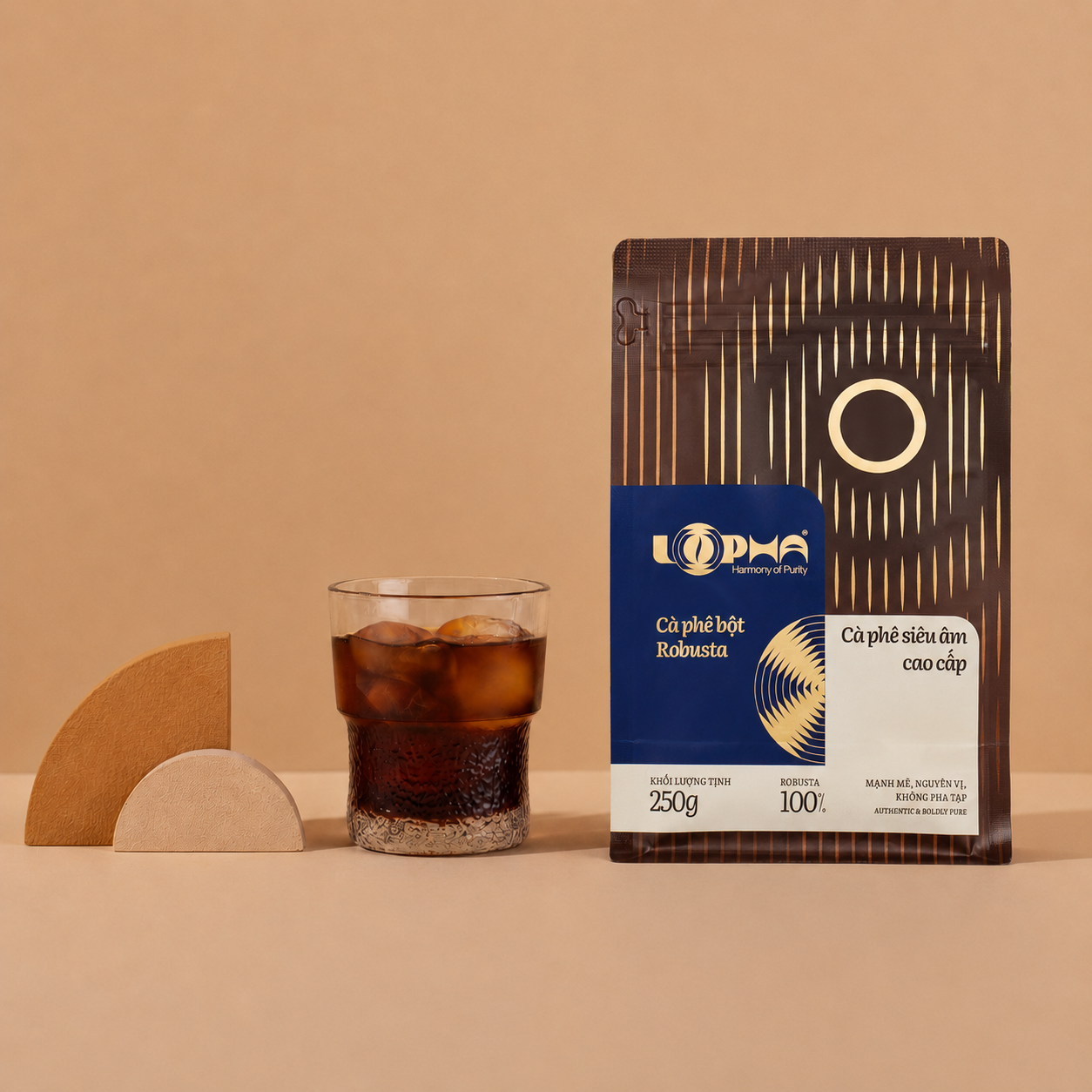
Our tongues do not “read” every compound separately in a sip. Instead, we experience bitterness, acidity, aroma and mouthfeel together. A cup with pleasant aromatics and satisfying strength may taste clearly bitter yet balanced. Conversely, an overly concentrated or drying cup can make similar bitterness harder to enjoy. Understanding bitterness therefore involves both chemistry and the complete sensory experience.
2. Is Caffeine the Main Reason Coffee Tastes Bitter?
Caffeine certainly tastes bitter. It is also the compound most readily associated with coffee, so the connection is understandable. But caffeine is not the sole control dial for bitterness. Decaffeinated coffee can still taste bitter because many other compounds contribute to the sensation. Even two cups with similar caffeine levels may seem different in bitterness when their roast levels or brewing methods differ.
Imagine caffeine as one instrument in an orchestra, rather than the only performer. It contributes to the sound, but everything around it helps determine what we hear. It is therefore inaccurate to conclude that “more caffeine always means more bitterness.” Caffeine content depends on the coffee species and other conditions, while bitterness in the cup must also be considered in light of roast-derived compounds, extracted soluble material and interactions with other sensory impressions.
3. What Changes When Coffee Beans Are Roasted?
During roasting, one notable family of substances—the chlorogenic acids—undergoes numerous changes. Some of their products, often called chlorogenic acid lactones, can contribute to the bitterness of roasted coffee. With further heating, additional reactions can form bitter compounds with different characteristics. You need not memorize the long chemical names; the key point is that roasting changes not only the bean’s color but also the very substances that shape the flavor of the drink.
Saying that darker-roasted coffee often leans bitter does not mean that every dark roast tastes equally bitter. The batch, starting material, degree of roast development and extraction method all matter. Lightly roasted coffee is not free of bitterness, and dark-roasted coffee can offer aromatic layers alongside its bitter notes. The detailed thermal chemistry is explored in the separate roasting article; here, what matters is that the sources of bitterness change considerably before brewing water even touches the grounds.
4. Why Is Robusta Known for Pronounced Bitterness?
Robusta is commonly associated with strong coffee, while Arabica is often described through floral and fruity aromas and acidity. These differences reflect the natural composition of each species, roasting characteristics and the ways people are accustomed to drinking them. Caffeine and other bitterness-related compounds can differ between the species, but their sensory differences should not be reduced to a single chemical measurement. Even among Robusta coffees, roasting and brewing can produce cups with quite different bitterness and aftertaste.
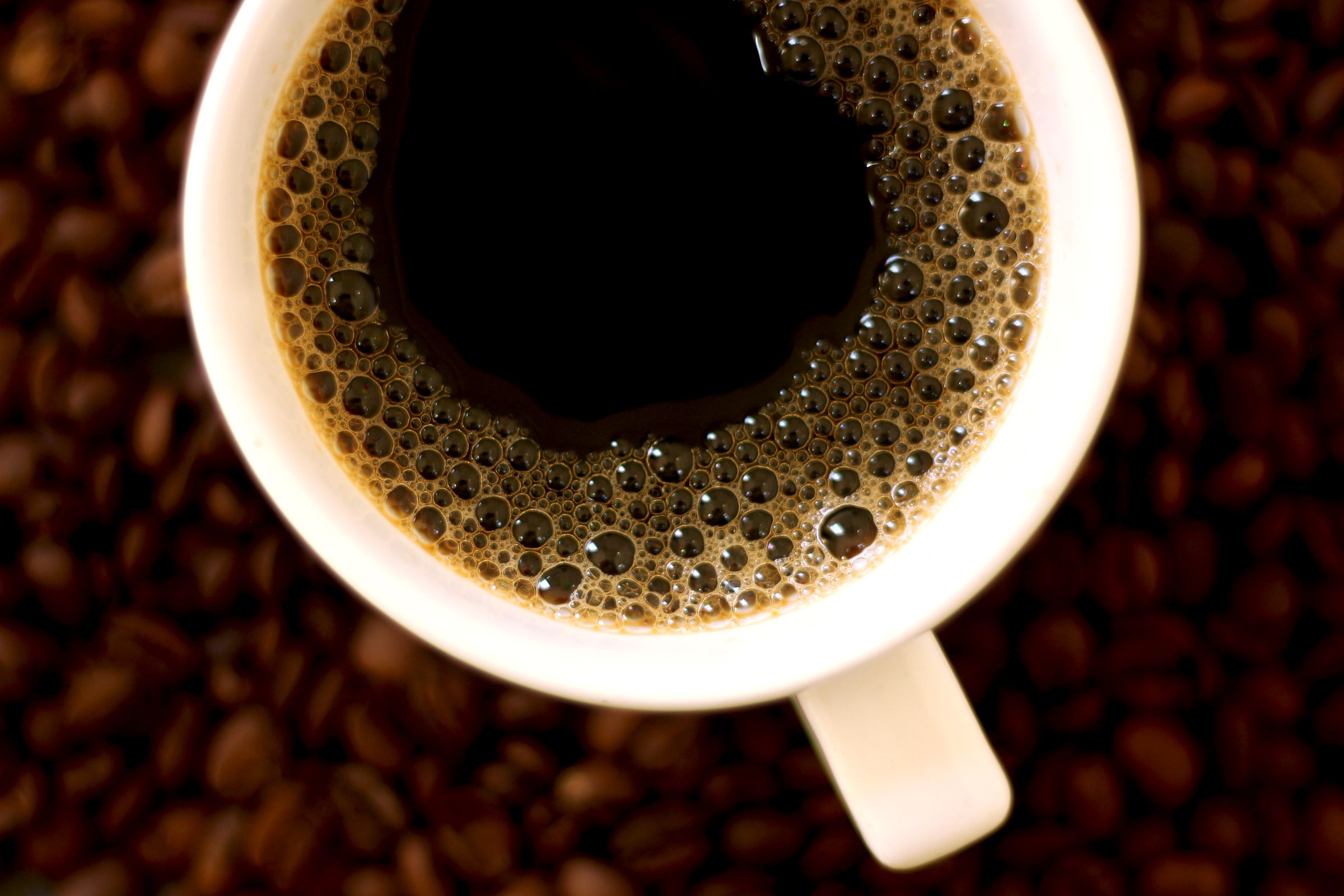
LOPHA describes its 100% Robusta through pronounced bitterness, woody aromas and a lingering finish—a style intended for people who enjoy a bold foundation. Its 100% Arabica, meanwhile, highlights clear acidity and a gentler bitterness. The two profiles do not belong on one universal scale from better to worse. Those who want a direct, bitter sip may enjoy Robusta; those who prefer more prominent aromas and acidity may choose Arabica. Understanding the difference helps avoid disappointment caused by assuming every coffee should taste equally bitter.
5. Are Clear, Harsh and Lingering Bitterness the Same?
These expressions describe three different aspects of a cup. “Pronounced bitterness” means bitterness is easy to notice; “harsh bitterness” generally suggests an excessively sharp, heavy or unpleasant quality; and “lingering bitterness” describes bitterness that remains after swallowing. One cup can have clear bitterness and a clean finish, while another starts gently yet leaves a long aftertaste. Even intense bitterness may not seem harsh if the aroma, taste and body fit the drinker’s preferences.
The distinction matters when reading tasting notes. The word “bitter” alone does not tell a buyer whether the strength appears immediately or remains as a long finish. When you taste coffee, pay attention to two moments: when it first touches your tongue and several seconds after you swallow. Separating them makes descriptions more accurate. Remember, too, that harshness involves personal preference; a subjective reaction should not be presented as an unchanging property of every cup brewed from the same bag.
6. How Can Brewing Make Bitterness More Noticeable?
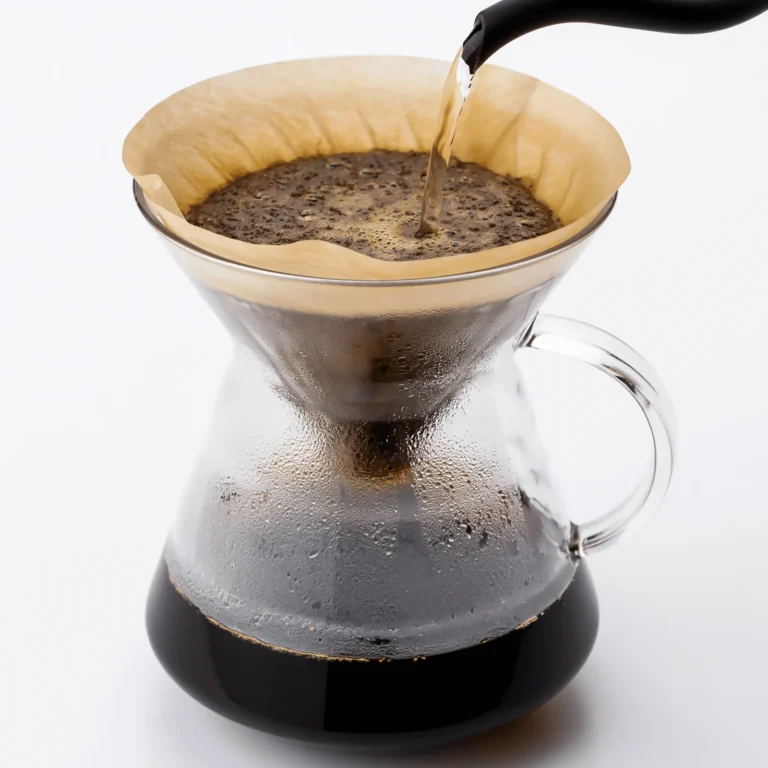
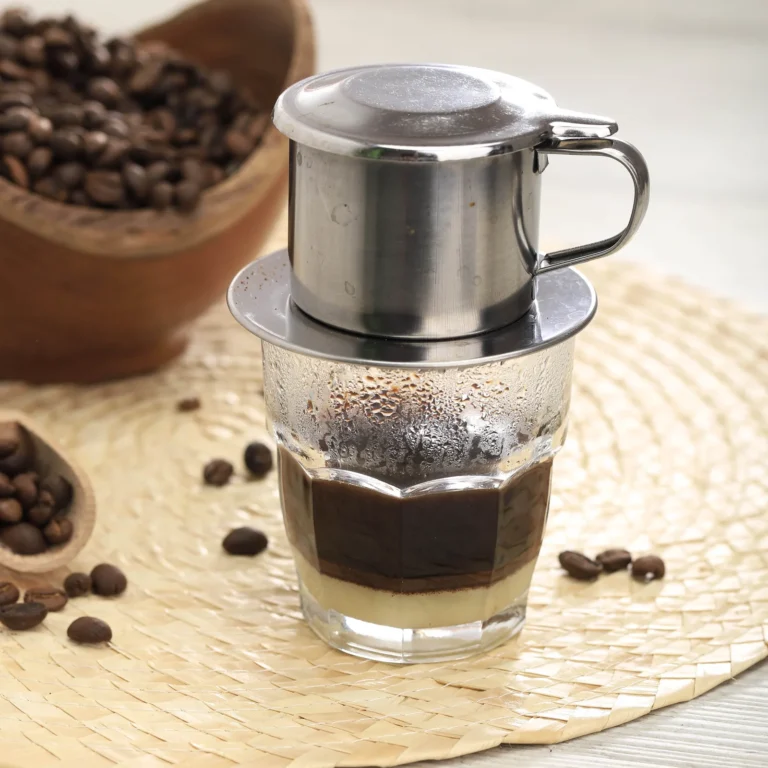
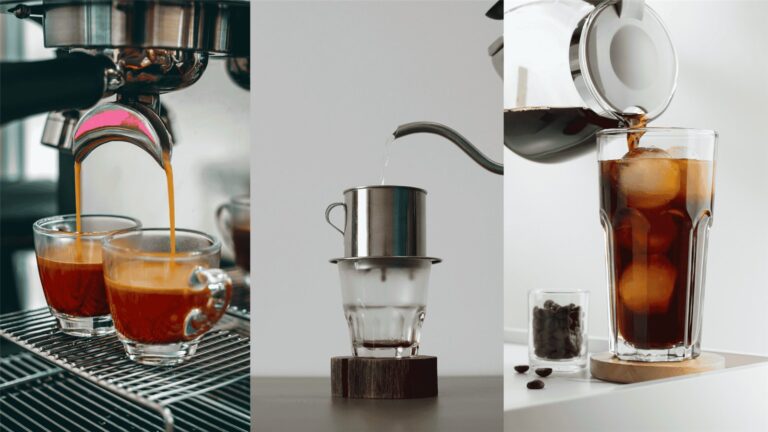
A finer grind generally offers more surface area, but extraction also depends on contact time, the coffee-to-water ratio, pressure and brewing equipment. A concentrated espresso can feel very different from a larger drip coffee. Vietnamese phin coffee can also be bold, but an excessively slow drip does not automatically make it taste better. When extraction becomes unbalanced, a dry, heavy or unpleasantly bitter sensation may intensify. An overly diluted brew, on the other hand, can lose its defining flavor.
The rule “the longer you brew, the more bitter it gets” should not be applied mechanically: compounds extract at different rates, and perception also depends on concentration. A practical approach is to keep the coffee the same and change one brewing variable at a time. If the cup feels too heavy, review the grind, dose or time before replacing the beans. The separate article on extraction and flavor explains more fully why one bean can taste so different across brewing methods.
7. Does Bitterness Disappear When You Add Milk or Ice?
Milk does not simply make coffee’s bitter compounds vanish. Its sweetness, richness and texture change the sensory picture, so bitterness may become less prominent. Sugar works similarly: sweetness can soften the perception of bitterness even though the original compounds remain in the coffee. This is why someone who finds black coffee too intense may enjoy the same coffee with milk.
Ice introduces another change. At lower temperatures, fewer aromas rise from the drink, while melting ice gradually dilutes it. Comparing a hot cup with an iced one therefore requires considering both temperature and dilution. To get to know the beans’ character, try a sip of black coffee before adding anything, then finish it however you prefer. There is no single absolutely correct way to drink it. That flexibility makes bitterness an interesting part of brewing rather than an obstacle to eliminate.
8. Understanding Bitterness to Find Coffee You Enjoy
There is no perfect bitterness level for everyone. Drinkers who enjoy a strong style may appreciate Robusta’s bold base, pronounced bitterness and long finish. Those seeking mild acidity alongside strength might try LOPHA’s 80% Robusta–20% Arabica Blend. Arabica, meanwhile, suits people who prefer clear acidity to take the lead over bitterness. These are three flavor directions, not three grades of quality.
What matters most is recognizing that bitterness comes from multiple compounds and evolves through roasting and brewing. When a cup makes you want another sip, the reason is often not simply how bitter it is, but how bitterness works with aroma, mouthfeel and aftertaste. With that understanding, you can find both a suitable coffee and a satisfying recipe without trying to make every cup as strong as possible.