Why Does Coffee Taste Sour? Natural Acidity vs. Signs to Check
Sour-tasting coffee is not necessarily spoiled. Acidity can come from the beans, roast, or brewing method; the important thing is recognizing when it is a normal flavor and when you should stop using the coffee.
Someone switches from Robusta to Arabica and suddenly finds their coffee 'too sour.' Someone else buys the same familiar bag but notices this morning's brew is much more acidic than usual. These situations may sound similar, yet they call for different responses. One is about taste preferences; the other may involve the brewing process or the condition of the coffee.
If you are holding a cup that tastes unusually acidic, adding sugar should not be your first response. Think back to whether you changed the beans or brewing method, and check whether the aroma seems normal. Those few details help you decide whether to brew again, switch coffee types, or discard the drink.
1. Does Sour-Tasting Coffee Mean It Has Spoiled?
A sour taste does not automatically mean the beans have spoiled. Acidity can be a natural characteristic of pure coffee. With some Arabica varieties, it is noticeable even when nothing has been added. Someone accustomed to bold, low-acidity Robusta brewed in a phin may notice the contrast immediately.
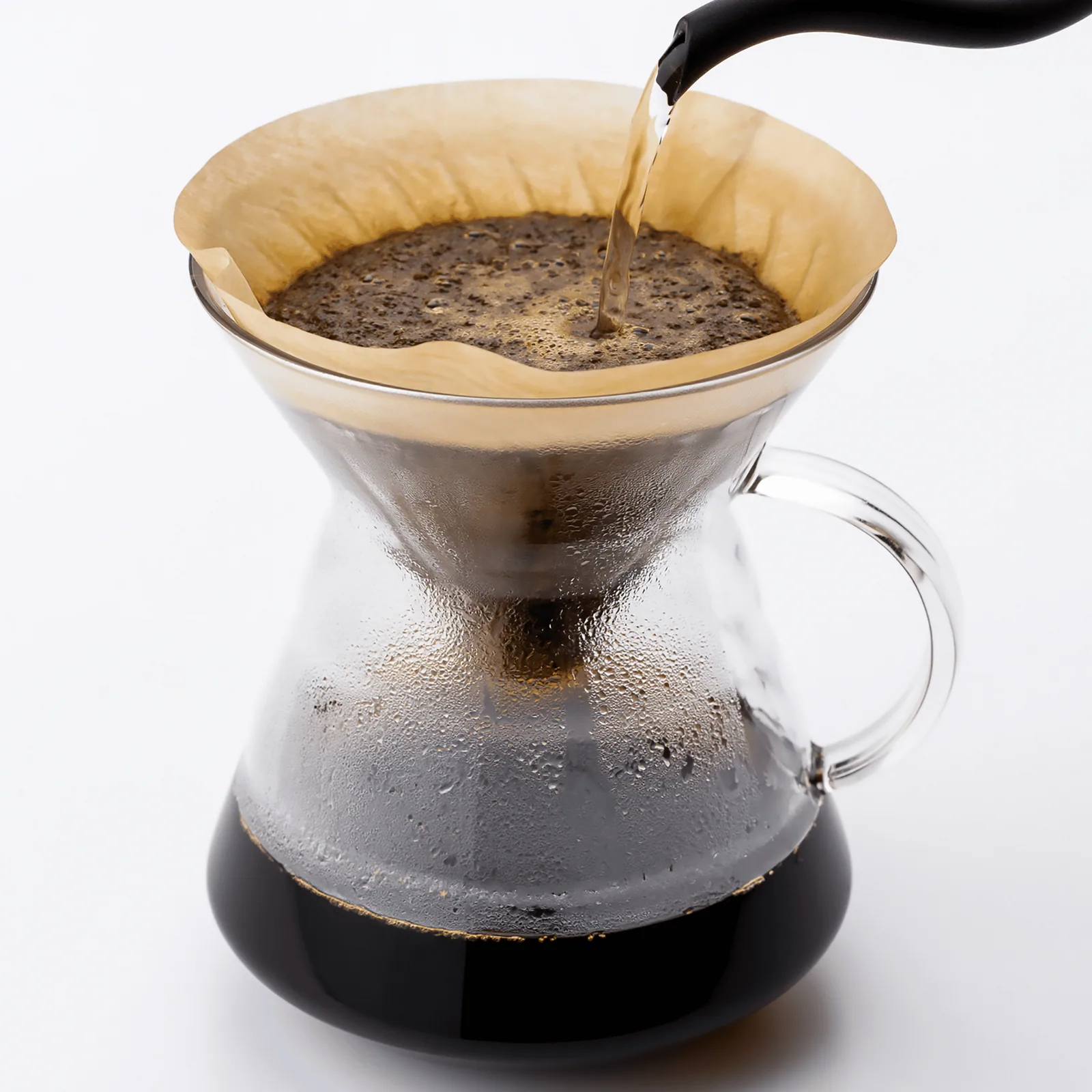
Not all acidity tastes the same. Some cups have gentle acidity with a pleasant coffee finish. Others taste sharply sour and smell unpleasant, quite unlike the coffee you usually drink. It is unhelpful to dismiss all acidic coffee as bad, but it is equally wrong to assume every odd smell is normal simply because the coffee is pure.
Separate two questions: 'Do I like this flavor?' and 'Is the coffee still safe to use?' Disliking natural acidity is a matter of preference and can be addressed by trying different beans. But if the coffee is moldy, smells rancid, or has an uncertain storage history, do not keep tasting it to assess its condition.
2. How Can You Tell Natural Acidity From an Unusual Sour Taste?
2.1. Natural Acidity Usually Comes With a Pleasant Coffee Aroma
Arabica can taste more acidic than Robusta, particularly when served black without sugar. You may notice the brightness on the first sip, followed by a recognizable coffee aroma and a reasonably pleasant finish. That can be part of the bean's natural profile rather than evidence the coffee was prepared incorrectly.
To decide whether you enjoy this profile, take a few sips once the coffee has cooled slightly. A drink that is extremely hot is harder to evaluate, while adding milk or sugar immediately can hide differences between bean varieties. There is no need to identify obscure notes such as 'orange' or 'apple.' Simply ask whether you find the acidity pleasant.
Even among Arabica coffees, beans from different sources and with different roast profiles can taste distinctly different. Do not treat one Arabica cup as the benchmark for all Arabica. If you enjoy the coffee aroma but are unused to its acidity, you could try a blend containing Robusta rather than abandoning Arabica entirely.
2.2. Unusual Smells and Storage Conditions Are the Real Warnings
If a newly opened bag smells moldy, damp, rancid, or markedly different from normal, do not brew it just to see whether hot water will make the smell disappear. Inspect the packaging for tears, water damage, or storage near moisture. Coffee showing signs of deterioration should no longer be used.
Prepared coffee also needs its storage history considered. A cup left uncovered on a table since the previous day is not the same as a fresh brew; a pleasant remaining aroma is certainly not proof of safety. If milk coffee has spent a long time at room temperature, discard it rather than reheating it or adding ice and drinking it.
Sometimes the coffee itself is fine, but its aroma has changed because of the phin or container. Dishwashing residue that was not rinsed away, old coffee trapped in small gaps, or a thermos carrying the smell of a previous drink can all affect a fresh cup. Wash and rinse the equipment thoroughly, then brew a small amount to compare.
3. Why Does the Same Coffee Taste More Acidic Today?
3.1. Water That Is Too Cool Can Unbalance Extraction
You may use the same dose of coffee and your usual phin yet pour water today that has been cooling for too long. The resulting cup can taste more acidic and lack its familiar strength. When the water is not hot enough, extraction changes and the flavors you expect may not develop fully.
For phin brewing, try starting with water around 90–96°C and adjust for your coffee and filter. No thermometer? Bring the water to a boil, switch off the heat, let the vigorous bubbling subside, and brew before it becomes merely lukewarm. You do not need to count every second, since cooling also depends on the kettle, water volume, and room temperature.
A cold phin can lower the water temperature on contact. On cooler mornings, rinse the filter with a little hot water, discard the rinse water, and only then add the grounds. That is much simpler than increasing the coffee dose without knowing why the brew tastes different.
3.2. Grounds Are Too Coarse or Water Flows Too Fast
If your grounds are coarser than what you normally use for a phin, water may pass through quickly, leaving the cup weak with more noticeable acidity. This often happens when buying a new bag without checking whether it was ground for a phin, an espresso machine, or another method.
When the phin drains unusually fast, check the grind size and dose first. Do not force the press insert down hard just to slow the water, as excessive compression can clog the filter. With a screw-down phin, use it according to that model's instructions. Changing one thing at a time makes it easier to know what actually improved the coffee.
A similar issue can occur with espresso: if water travels through the coffee bed too quickly, the shot may taste weak and more acidic than expected. However, each machine and bean has different adjustment needs. Machine users should consider the dose, grind size, beverage yield, and equipment instructions rather than applying a phin recipe unchanged.
4. How Should You Adjust a Sour-Tasting Phin Brew?
First, taste a little black coffee before adding sugar, milk, or ice. If it is only mildly acidic and smells normal, that may simply be the bean's character. If it is both sour and weak, noticeably different from your usual cup, review the brewing method.
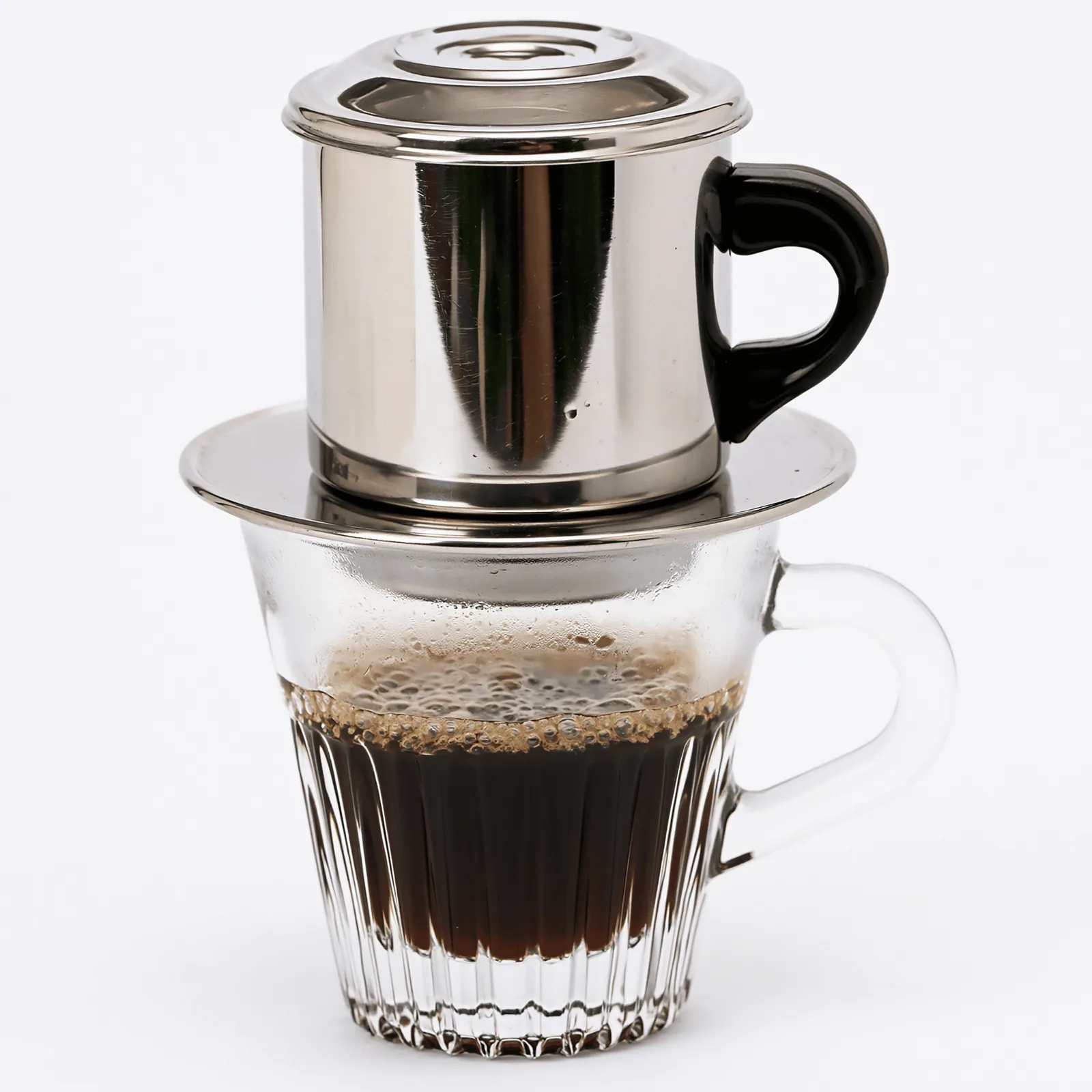
For a small phin serving one person, try around 20 g of coffee ground for phin brewing and 80–100 ml of hot water. This is only a starting point. The brewed coffee volume will be less than the water poured in because the grounds retain some liquid. Keep the dose and water constant between trials so you can compare results clearly.
Rinse the phin, add the coffee, and level it reasonably evenly. Pour a little hot water first to wet the grounds, wait from half a minute to one minute, then add the rest. Watch the flow. If it drains too quickly, check the grind and insert; if the water stalls, do not press harder, because the grind may be too fine or the insert overtightened.
Taste again once the coffee has cooled slightly. If the flavor is more balanced, you can keep this method. If the acidity remains obvious but there is no abnormal smell, the coffee may simply be more acidic than you enjoy. There is no reason to keep forcing your phin to make Arabica taste like Robusta.
A common mistake is adding lots more water in the hope of diluting sourness. The result may be both watery and still acidic. In milk coffee, melting ice also changes the flavor. Check the black brew first, then decide whether to add milk or ice.
5. Why Does Coffee Sometimes Still Taste Acidic With Milk?
Using an Arabica with pronounced acidity does not mean adding milk will remove that acidity completely. Some people enjoy the combination; others do not. Those accustomed to bold, sweet, low-acidity Vietnamese iced milk coffee may find Robusta or a Robusta-forward blend more familiar.
Another possibility is a problem with the milk itself. Milk that smells unusual, curdles abnormally, or has been left out too long should not be used. Do not attempt to distinguish spoiled milk by taking another taste. If you are unsure whether the old ingredient is still good, replacing it, using a clean cup, and making a small fresh serving is safer.
Also remember that unsweetened fresh milk and condensed milk produce very different flavors. Condensed milk adds more obvious sweetness, which can mask some acidity. Unsweetened fresh milk lets more of the bean's character show. If you have switched from condensed milk to fresh milk, you may simply be noticing acidity that was already present in the coffee base.
6. If You Dislike Acidity, Should You Choose Robusta, Blend, or Arabica?
If you dislike acidity and usually drink bold phin coffee, Robusta is a straightforward place to start. It generally has more noticeable bitterness and a stronger impression than Arabica. However, bold does not have to mean harshly bitter; brewing method still shapes much of the cup's character.
For people who want body without being pushed too strongly toward one flavor, a blend is worth trying. LOPHA's Robusta–Arabica Blend contains 80% Robusta and 20% Arabica, creating a balanced taste with milder acidity than the brand's 100% Arabica. This is a useful distinction if you want a change while retaining a familiar coffee character.
If you prefer a more delicate coffee aroma and accept pronounced acidity, LOPHA's 100% Arabica is another option. You do not need to memorize tasting terminology. Brew a small amount, try it black first, and decide for yourself whether you enjoy it.
Check both the bean variety and product format on the package. If you have a grinder, you can buy whole beans; if you only own a phin, appropriately ground coffee is more convenient. Even the right beans can give a very different result if the grind size is unsuitable.
7. When Should You Discard Coffee Rather Than Fix Its Flavor?
Natural acidity is not a food-safety problem. But if the coffee has mold, rancid or damp odors, water-damaged packaging, or an uncertain storage history, stop using it. Hot water, sugar, and milk cannot make spoiled ingredients safe again.
For brewed coffee, especially coffee mixed with milk, consider storage duration and conditions rather than taste alone. An uncovered cup left overnight, a half-finished cup, or a drink showing unusual changes is not worth keeping. Do not take another sip merely to confirm whether it has spoiled.
If you have just purchased a product and notice signs of damage when opening the bag, keep the packaging and batch information to contact the seller. Reporting its actual condition is more useful than repeatedly brewing a bag of coffee that smells abnormal.
8. Three Common Situations When Brewing Coffee at Home
You switched to Arabica and the cup tastes more acidic. First, consider whether that is simply the new beans' character. If the aroma seems normal, try a Blend or Robusta on your next purchase if you prefer less acidity. Do not immediately conclude that the new coffee is poor quality just because it differs from your previous favorite.
You are using the same bag, but this morning's coffee tastes both sour and weak. Check whether the water was hot enough, whether the phin drained unusually quickly, and whether you accidentally used a smaller dose than usual. Brewing another small cup with consistent coffee and water quantities will tell you more than adding sugar to the first one.
You open the bag and notice a musty or moldy smell, or your prepared coffee has an unusual odor. Stop using it. Do not try to cover the smell by changing the recipe, and do not taste more just to check. This is no longer a question of whether you enjoy acidity.
There is no single explanation for every acidic-tasting cup. Some acidity comes from the beans, some becomes prominent because the brewing method is unsuitable, and some warning signs require you to examine the ingredients themselves. Distinguishing among these cases helps you choose coffee you enjoy and saves you from endlessly adjusting a cup that was never suited to your taste.