What Is Caffè Shakerato? How to Make Italian Shaken Iced Espresso with Fine Foam
Shakerato is an Italian-style iced coffee made by shaking espresso with ice and, if desired, a little sugar, then straining it into a glass. When shaken properly, the coffee cools quickly and develops a fine layer of foam without any milk.
1. What Is Shakerato, and Why Does It Foam Without Milk?
Shakerato, or Caffè Shakerato, is made by shaking espresso with ice and then straining the coffee into a serving glass. Many versions include a little sugar syrup before shaking. When poured, the drink is deep-brown chilled coffee with a lighter layer of foam on top. That foam forms as vigorous shaking introduces air into the mixture; it is not milk foam like the topping on a cappuccino.
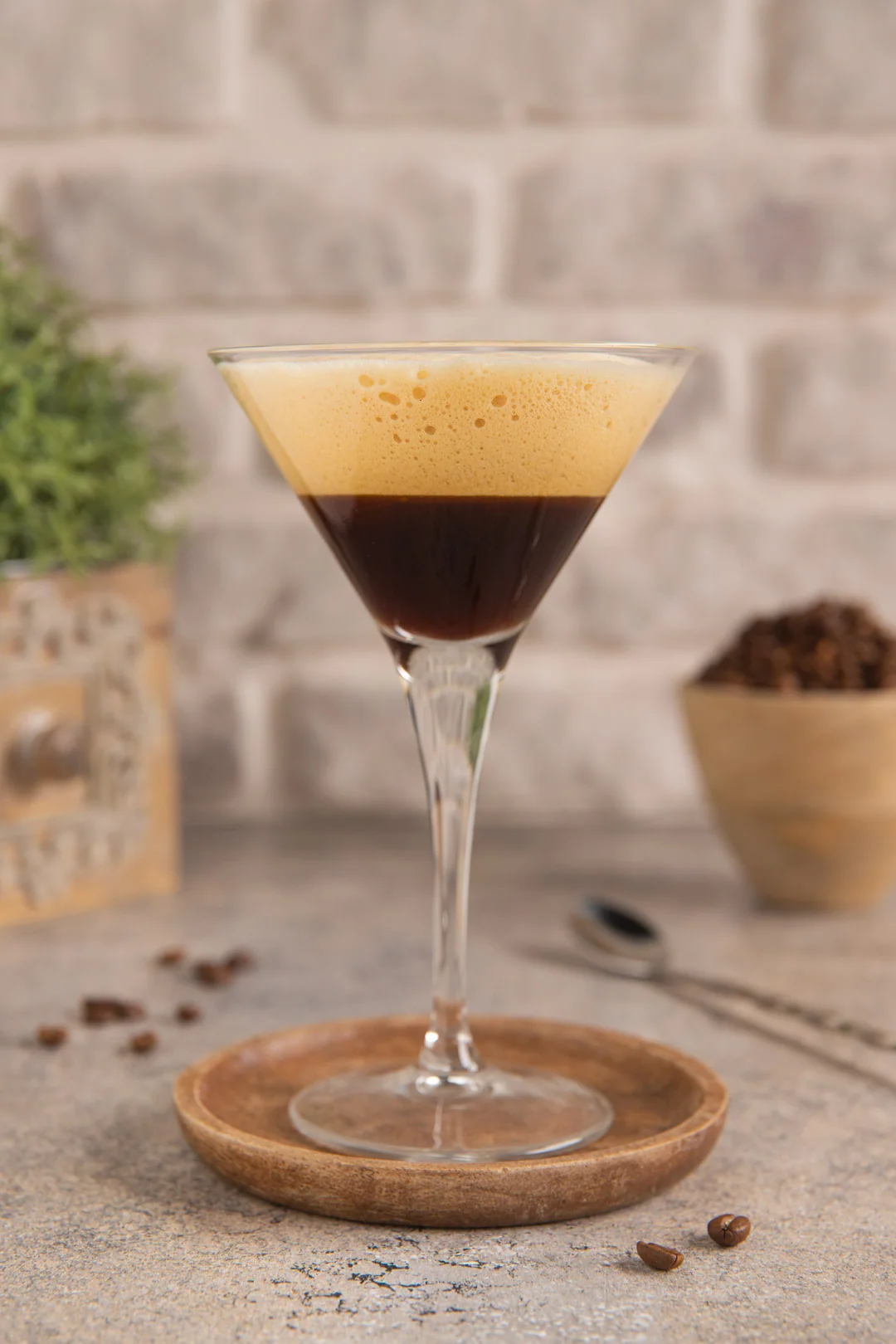
Unlike espresso poured straight over ice, Shakerato usually has most of the ice strained away after shaking and is served in a chilled glass. You get a small portion of cold coffee with a light texture and fine foam, rather than a large glass where ice continues to melt. A sip tastes distinctly of coffee, cool and slightly softer on the palate thanks to the foam. It is an interesting change if you love espresso but do not want to add milk.
Beginners may think they need a separate frothing machine, but the essential tool is a tightly sealed shaker. A suitable cocktail shaker lets ice and espresso collide as you shake. If you do not own one, a food-safe container with a secure lid that tolerates temperature changes may be used carefully, but check the seal and handle it safely. A simple drink quickly becomes difficult if the container is unsuitable and leaks while being shaken.
2. Ingredients and Ratios for One Shakerato
You need about 50–60 ml of espresso, 120–150 g of ice cubes, and 5–10 ml of sugar syrup if you like sweetness. A small chilled serving glass, a shaker with a lid, and a strainer are sufficient. If you normally drink black espresso, try the unsweetened version first. Foam can still form, though its texture may differ. Sugar can soften the taste and affect foam stability, so the amount depends on your flavor goal.
You might prepare espresso from around 16–18 g of ground coffee at a yield appropriate for your machine, then use one or two shots to reach the desired volume. These are only starting points because home machines and filter baskets vary. What matters is consistently enjoyable espresso that is neither weak nor harshly bitter. Shaking with ice adds some melted water; if the shot begins too dilute, the finished Shakerato will taste thin.
Use clean, fairly hard, well-chilled ice cubes. Fine crushed ice can melt quickly, adding water and undermining the concentration you want in the drink. To chill the serving glass, you can place ice in it while preparing the espresso, then discard the ice and dry the glass before straining the coffee. If you already have a glass in the refrigerator, the process is even simpler.
3. How to Make Shakerato in a Shaker, Step by Step
First, chill the serving glass. Brew the espresso into a small cup and, if using syrup, add it while the coffee is still warm and stir. Syrup mixes more readily than granulated sugar in coffee that has already cooled, helping avoid undissolved sugar at the bottom. Put the ice into a clean shaker first, pour the espresso over it, and secure the lid correctly. If the shaker is hot from washing, let it cool before use.
Hold the shaker firmly and shake vigorously for around 10–15 seconds so the ice cools the espresso and helps create foam. The outside of the shaker will feel colder and you will hear ice moving inside. The exact time depends on the quantity of ice and your shaker; once it is very cold and the coffee is foamy, there is no need to continue much longer. Temperature changes can affect the tightness of a metal shaker’s lid, so open it correctly and keep it pointed away from your face.
Fit a strainer to the shaker and pour the coffee into the chilled serving glass, leaving most of the ice behind. The coffee will be brown, topped by a lighter foam that may be thick or thin according to the shot and shaking technique. Serve straight away while it is cold and the foam has not collapsed. To highlight the drink’s character, use a small glass without additional ice so the foam sits naturally on top instead of pouring more cubes into the finished drink.
4. Why Shake Espresso with Ice Instead of Simply Stirring It?
As you shake, the ice moves constantly, cooling the coffee rapidly and introducing air into the liquid. That motion differs from gently stirring espresso in a glass of ice. Vigorous shaking creates surface foam and can give the drink a softer sensation even though it still consists mainly of coffee and a little water from the ice. Two drinks made from the same amount of espresso may therefore taste and feel different when one is shaken and the other merely stirred.

Shakerato foam is not identical to crema freshly produced by an espresso machine. Crema relates to CO₂, coffee oils, and extraction under pressure; the foam formed by shaking also incorporates air through mechanical movement. For more detail on why crema changes between shots, CO₂ and espresso crema help explain the condition of the beans and extraction process. With Shakerato, both the quality of the shot and the shaking technique matter.
Sugar can stabilize foam in some recipes, but it also changes sweetness. An unsweetened glass with thinner foam is still Shakerato if it has been shaken and strained correctly. Judging the drink solely by the height of its foam may lead you to add more sugar than you want. Black-coffee drinkers can prioritize taste first and adjust the foam later if desired.
5. Which Coffee Keeps Shakerato from Tasting Harshly Bitter?
Since Shakerato has few ingredients and usually contains no milk, the espresso’s flavor is especially apparent. Arabica may suit those who enjoy acidity and delicate aromatics. Robusta offers a stronger profile and a long finish for people accustomed to bold coffee, while Blend provides another direction according to its ratio. These differences are easier to recognize when little sugar is used. Choose beans you already enjoy as espresso before trying them shaken with ice.
A shot extracted too quickly can taste weak and sharply sour, becoming even thinner after shaking with ice. Overly long extraction can produce dry bitterness that does not magically balance out when chilled. If your machine allows grind, dose, and yield adjustments, settle on a good espresso recipe before shaking. Then you can determine whether a disappointing result comes from the coffee base or from the ice and shaking time.
When buying pre-ground coffee, choose a grind intended for your espresso machine rather than assuming every kind of roasted ground coffee works in the same filter basket. With a moka pot, you can try a strong shaken iced-coffee variation, but it will not be identical to espresso-based Shakerato. The flavor, amount of foam, and intensity can differ, particularly if the moka-pot coffee contains more water.
6. How to Fix Too Little Foam, Weak Coffee, or Too Much Sweetness
If the foam is thin, examine the espresso quantity, shot concentration, amount of ice, and shaking strength. A very large shaker holding only a little coffee may be less effective, while gentle shaking may not incorporate enough air. Try roughly 50–60 ml of espresso with a suitable amount of ice, shaking firmly for 10–15 seconds. Taste the result as well: attractive foam is no substitute for balanced coffee.
If the drink is weak, the cause is often the espresso or too much ice melting. Try larger cubes, shorten shaking slightly once the shaker is cold, or brew a more flavorful shot. Do not cut the ice so far that the coffee fails to chill, because warm Shakerato loses its defining feature. A pre-chilled glass also helps preserve temperature without requiring excessive shaking.
If the result is too sweet, reduce the syrup to 5 ml next time or omit it for a comparison. Sugar supports flavor; it is not a mandatory creamy topping. Those who enjoy black coffee may prefer unsweetened Shakerato, while beginners may like a little sweetness to soften bitterness. The easiest test is to keep espresso and ice constant and vary only the syrup to find a pleasant level.
7. How Is Shakerato Different from an Iced Latte or Espresso Tonic?
An iced latte uses espresso with cold milk and ice, creating a creamy drink with a generally larger serving size. Shakerato usually contains no milk and is shaken and strained, so the coffee base tastes clearer in a smaller portion. If you want a cold drink but still want to taste the beans much as you do in black espresso, Shakerato may suit you better than a milk-heavy iced latte.
Espresso Tonic pairs espresso with carbonated tonic water. Herbal bitterness, bubbles, and a sparkling mouthfeel make it quite different from Shakerato, although both can be served cold and look brown. With Shakerato the foam forms during shaking; with Espresso Tonic, bubbles also come from the carbonated tonic. Their methods and finished flavors differ, so knowing the principal ingredients makes choosing easier.
Some cafés add milk, cream, or flavorings to Shakerato. Those variations may be enjoyable, but the basic recipe lets you understand the shaking technique. At home, begin with espresso, ice, and a little sweetness if you want it. You will then have a reference point for variations without losing the drink’s distinctive character.
8. Frequently Asked Questions About Shakerato
Do you need a professional cocktail shaker? A purpose-made, tightly sealed shaker is convenient, but a food-safe container with a secure lid that withstands temperature changes can be used carefully. Avoid leaks of hot coffee, hold the container firmly, and strain out the ice before serving.
Can Shakerato be made without sugar? Yes. The foam may differ from a syrup-sweetened version, but people who drink black coffee may appreciate the clearer coffee flavor. Use the same espresso to compare taste and texture.
Should you put lots of ice in the serving glass after shaking? An Italian-style recipe usually strains the coffee off the ice and serves it in a chilled glass. If you prefer a long drink over ice, you can make that variation, but its flavor changes as the cubes melt. A small serving drunk immediately makes the fresh foam and coffee aroma easier to appreciate.
Shakerato shows how one simple action can transform familiar espresso. An aromatic shot, clean ice, and a few seconds of firm shaking give you chilled coffee with delicate foam, without needing milk. Once you know your preferred sweetness and amount of ice, it becomes an easy option for days when you want cold coffee without losing the beans’ flavor.