Why Do Two 250 g Bags of Coffee Cost Different Amounts? What to Know Before Buying
Two coffee bags labeled 250 g can have different prices because of the beans, processing, roasting and grinding, packaging, and other costs. A higher price does not automatically mean the coffee will suit your taste better.
Two 250 g bags of coffee can differ substantially in price. They may contain different beans that have been processed, roasted, and packaged in different ways. Raw materials, quality control, packaging, and distribution also affect the selling price. But a more expensive bag is not guaranteed to taste better to you. To understand the difference, look at the ingredients, whether the coffee is sold whole or ground, and what you actually enjoy drinking.
1. The Same Weight Does Not Necessarily Mean the Same Coffee
A 250 g bag of Robusta does not necessarily cost the same as a 250 g bag of Arabica. They differ in supply, growing conditions, processing, and flavor profile. Robusta tends to be full-bodied with more pronounced bitterness, while Arabica often has more noticeable acidity. Someone accustomed to Vietnamese iced milk coffee may prefer Robusta to a more expensive bag of Arabica. Comparing prices without checking the type of coffee inside misses an important difference.
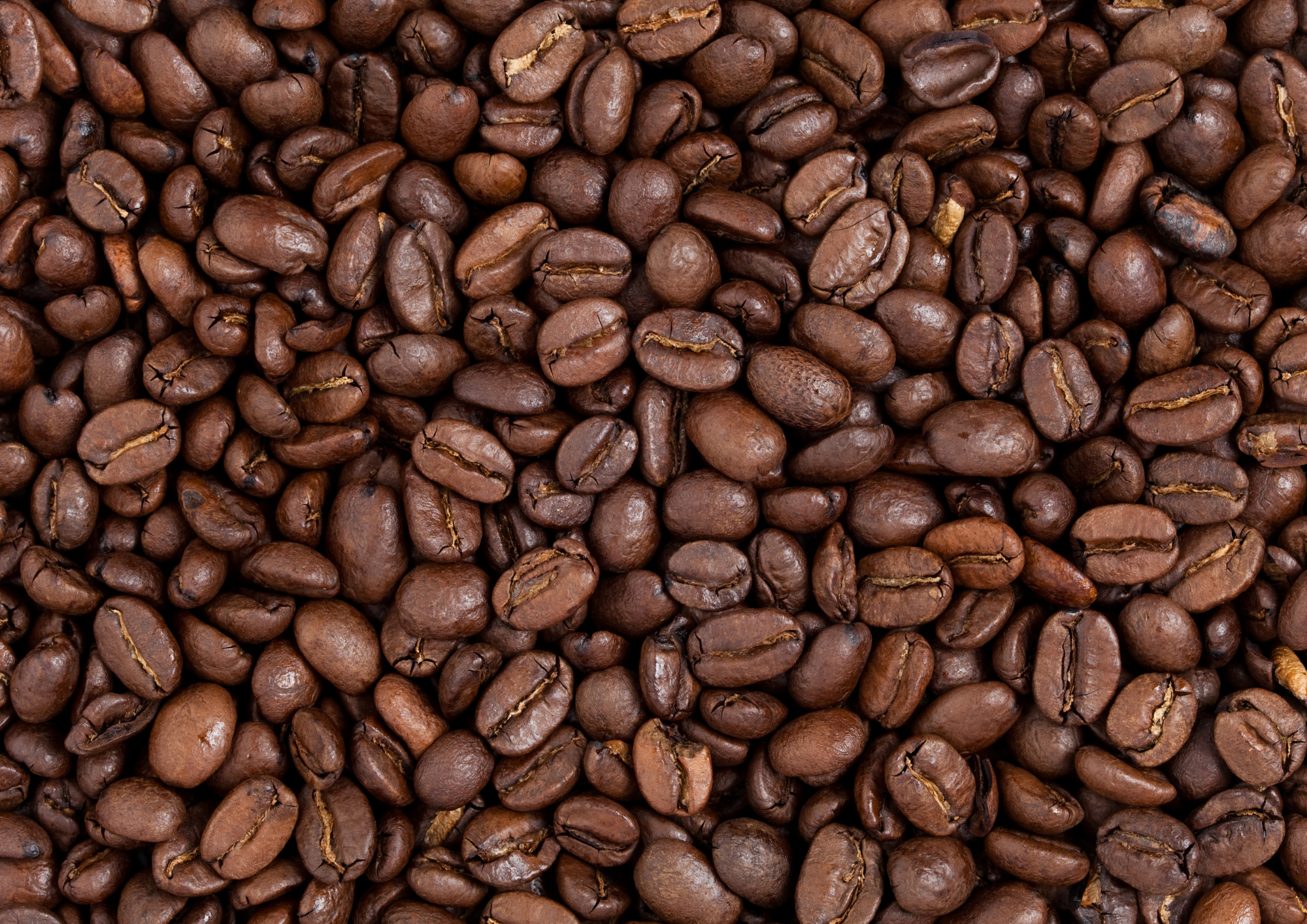
Even two bags both labeled 100% Robusta may have different prices because of raw-bean quality, sorting, processing, roast date, and production methods. Some details appear on the label; others may need to be checked with the producer. The bean type alone does not explain every cost behind the finished bag. But however detailed the production story is, it cannot replace clear product information and whether the coffee actually suits the drinker.
A blend combines two or more coffee components, but the word 'blend' alone does not tell you the proportions. A Robusta-heavy blend will have a different flavor direction from one dominated by Arabica. These differences can affect both price and the resulting cup. Someone who enjoys strong iced milk coffee might prefer a Robusta-forward blend to an Arabica with prominent acidity. Price should therefore be considered alongside the actual composition, not used as the only measure of taste.
2. Retail Coffee Prices Cannot Be Calculated From Today's Raw-Bean Price
News reports sometimes announce that coffee prices have risen or fallen sharply. It is easy to compare those figures with the price of a 250 g bag on a supermarket shelf. But the reported prices often concern raw coffee or commodity trades at a particular time. A finished retail bag has already gone through additional stages: sourcing and selecting beans, roasting, grinding if needed, packaging, shipping, and selling. You cannot convert one price into the other simply by dividing it by four.
Raw-bean market prices can move daily, while retail coffee also reflects the cost of beans purchased earlier, roasting, grinding, packaging, logistics, and sales. A finished bag therefore does not necessarily rise or fall in price as soon as there is news about agricultural commodities. Market prices can be a useful reference, but multiplying today's green coffee price by 250 g does not establish the one reasonable price for every roasted product.
Some costs relate directly to use, such as resealable packaging that makes storage easier or coffee ground specifically for a phin. Others, such as gift boxes and paper bags, may matter more when buying a present. For everyday home brewing, people usually care more about taste, preparation, and whether they can finish the product. Knowing what you are paying extra for makes comparing two differently priced bags much easier.
3. The Back of the Bag May Tell You More Than the Price Tag
The front of a coffee bag typically highlights the name and design. The back often carries the details that prevent mistakes: ingredients, net weight, whole-bean or ground format, brewing instructions, shelf life, and producer. For example, a bag of whole beans is inconvenient for someone who owns only a phin and has no grinder. At the same weight of 250 g, two products may require quite different preparation.
3.1. Whole Beans and Ground Coffee Offer Different Kinds of Convenience
If your household has only a phin, suitably pre-ground coffee is ready to use. Whole beans require a grinder or a place willing to grind them for you. For someone who already owns a grinder and likes different brewing methods, whole beans provide more control over fineness. Comparing bean and ground-coffee prices therefore also means considering the equipment you have. Saving a little on whole beans may not be a saving if you must buy extra equipment just to prepare them.
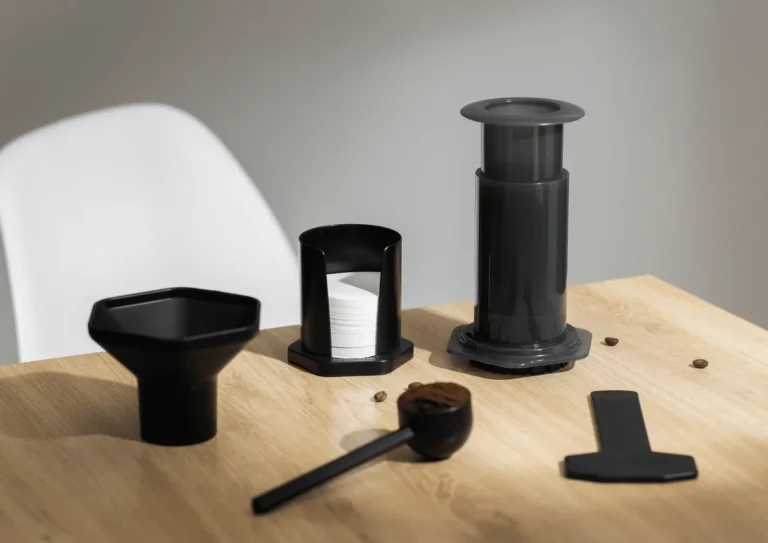
Grind size matters for pre-ground coffee too. A phin grind is not necessarily suitable for espresso, or vice versa. Buying the wrong form can produce a weak drink or an unusually slow flow even when the beans are good. When comparing prices, make sure both products can actually be brewed with your equipment. A low price means little if the coffee cannot be prepared the way you want.
3.2. Production Dates, Best-Before Dates, and Storage Instructions
Packaging states a shelf life and storage guidance based on conditions declared by the manufacturer. Once opened, particularly with ground coffee, aroma can gradually decline. Weekend-only drinkers take longer to finish a bag than daily brewers, so a larger pack is not always appropriate even if it is cheaper per gram. Checking the date, package information, and quantity helps avoid keeping an open bag for too long.
Zippers, one-way valves, and sealed packaging can make everyday use easier, but these features do not by themselves guarantee a delicious cup. When ordering online, there is another practical check: confirm whether you selected 250 g or 500 g, whole beans or grounds, before paying. Many product pages reuse one photo for several variants, so the displayed price may not apply to the bag pictured.
4. Does the More Expensive Bag Necessarily Smell Better?
A more expensive bag is not necessarily more aromatic in the way you prefer. Taste depends on the beans, processing, roast level, storage time, and brewing method. Some people enjoy Arabica's noticeable acidity; others find strong Robusta more satisfying in iced milk coffee. If two products have very different flavor profiles, price alone cannot choose between them. Understand what you are comparing and try each coffee using a brewing method you know.

Many people discover their favorite coffee not from the aroma when the bag is first opened but from their daily cup: is the bitterness pleasant, can they still taste the coffee after adding milk, and does an unpleasant astringency linger afterward? An attractive label or engaging description cannot replace that experience. Once you know which taste you want to drink regularly, comparing cost per cup becomes more meaningful.
Budget is practical too, especially for daily coffee drinkers. You do not need to choose the most expensive bag to prove you appreciate coffee. A clearly labeled product that suits your taste and gets finished while still aromatic may be a wiser purchase than an expensive bag you leave half-used.
5. Calculate Cost per Cup Before Comparing Bag Prices
Suppose a 250 g bag costs VND 150,000 and you use 20 g for each phin. That gives you about 12 complete brews, so the grounds alone cost approximately VND 12,500 per brew, excluding milk, sugar, and small losses. At 25 g, the bag yields 10 brews at VND 15,000 in grounds each. This is only an illustrative example, not the listed price of any specific LOPHA product.
Calculating cost per brew helps compare two bags under similar conditions. However, if one coffee only suits your taste with a lot of condensed milk while another tastes good black, the cost of the finished drink will differ as well. That is why the price per gram is only part of the decision. A cheap bag abandoned because you dislike the flavor is not an efficient purchase.
The price of coffee at a café also covers service, space, and operating expenses, so it cannot be compared directly with the cost of home-brewed grounds. Brewing at home requires your own equipment and time. To compare spending fairly, set genuinely comparable options side by side: the cost of one phin brew at home, one instant-coffee sachet, or the café drink you usually buy. This is more useful than comparing coffee weight alone.
6. You Do Not Need to Be a Professional Taster to Choose a Good Bag
Finding a taste that suits you is easier when you compare straightforward preferences: stronger bitterness or brighter acidity, black coffee or coffee with milk, phin or machine brewing. Robusta is generally full-bodied and more bitter; Arabica has more pronounced acidity; and a blend depends on its proportions. Understanding the differences between Robusta, Arabica, and blends helps explain why two 250 g bags can produce such different cups.
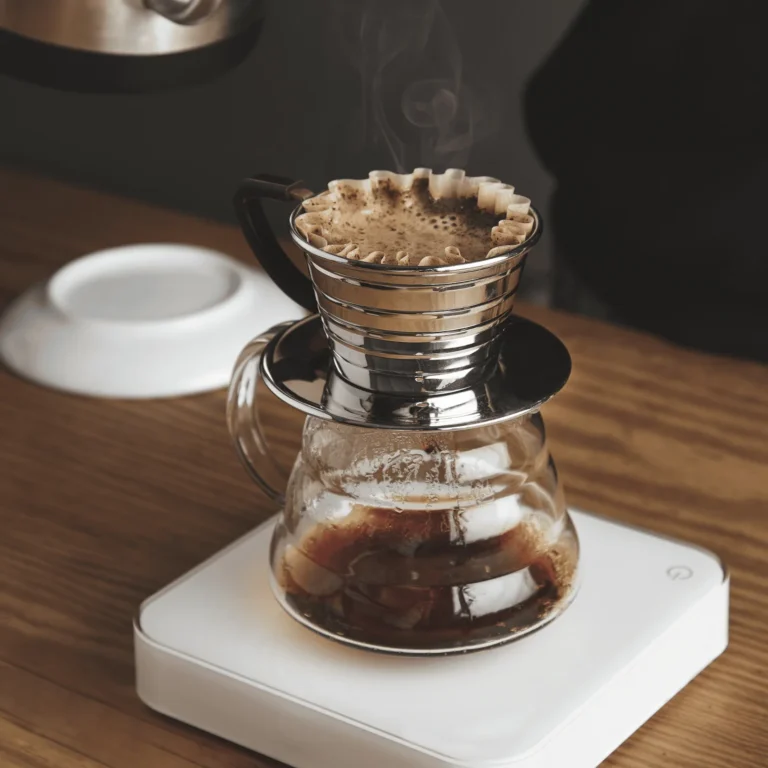
When trying two coffees, use appropriate equipment and the right grind for each one. An unsuitable grind may produce weak or astringent coffee, making it harder to judge the beans fairly. You do not need to memorize professional tasting vocabulary. Notice the aroma while the coffee is still warm, the bitterness or acidity when you sip, and the aftertaste that remains. These impressions are often enough to decide whether you want to buy it again.
LOPHA offers roasted coffee as whole beans and grounds in different pack sizes. Start with your usual brewing method and everyday taste rather than buying all three coffee lines at once. A reasonably sized trial bag is easier to evaluate, especially when trying unfamiliar beans. If the coffee does not suit you, at least you will not be stuck finishing an oversized pack.
Two 250 g bags can cost different amounts because they contain different beans, are processed differently, and incur different expenses. To judge value, first compare equivalent ingredients, pack sizes, and intended brewing methods. Then consider flavor: a reasonable price only matters if the coffee fits how you will use it. Higher-priced does not automatically mean better, but cheapest is not the only criterion either.