Filtered or Tap Water for Coffee? When Water Changes the Taste of Your Cup
Water for coffee should be safe to drink, free from unusual odors and contain a suitable mineral balance. Filtered water is often an easy starting choice, but purer water with fewer minerals does not automatically make better coffee.
1. Why Does the Same Coffee Taste Different in Two Homes?
Someone brings their usual bag of beans from home to the office and brews with the same phin and dose, only to notice an unfamiliar smell in the morning cup. The beans are not always responsible. Water makes up most of the drink, comes into contact with the grounds during extraction, and may carry odors or minerals that change how you experience flavor.
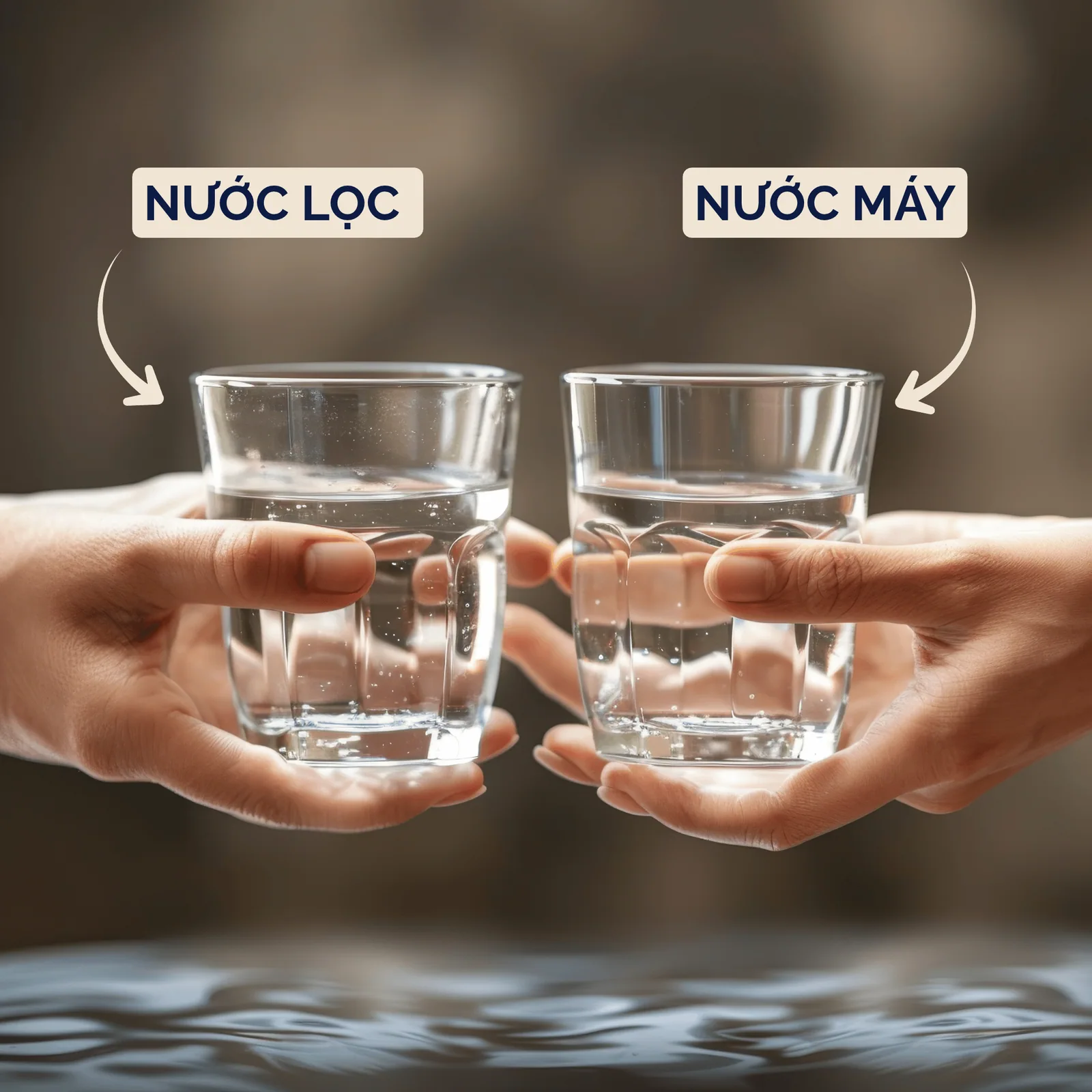
When deciding between filtered and tap water for coffee, safety comes first. Brewing water must meet local guidance for safe drinking water; boiling does not automatically remove every dissolved contaminant or form of pollution. If tap water where you live is not recommended for direct drinking, do not assume boiling it alone makes it suitable.
After safety comes flavor. Water with a pronounced chlorine smell, metallic odor or unusual taste can make coffee unpleasant even with excellent beans and a sound recipe. But less mineral content does not always mean better coffee. Certain minerals affect extraction and perceived flavor; water that is extremely soft or almost fully demineralized can produce an unbalanced cup in some recipes.
2. How Do Filtered, Tap and Mineral Water Differ for Brewing?
Treated tap water in many cities may meet standards for domestic supply, but whether it is appropriate to drink directly depends on the distribution system, storage tanks and local guidance. If it smells unusual or you are uncertain of its quality, a controlled source of drinking water is the more cautious choice. Clear appearance alone does not prove that water is safe.
Filtered water from a jug or home filtration system may reduce certain odors and substances, depending on the technology. Activated-carbon filters work differently from reverse-osmosis (RO) systems. RO water can have very low mineral content; some units include remineralization cartridges. No filtration technology automatically guarantees the best-tasting coffee without considering the incoming water and the condition of the equipment.
Bottled mineral waters also differ substantially by brand. Some contain many minerals, others are lightly mineralized, and some bottled products are processed as purified drinking water. Read the label and test the actual flavor rather than assuming an expensive bottle must make your coffee more aromatic. For daily brewing, a stable, accessible and safe water source is often more useful than switching brands repeatedly.
3. How Do Minerals Affect Coffee Extraction?
3.1. Water Hardness and Mineral Composition
Natural water may contain mineral ions such as calcium and magnesium. They contribute to water hardness and affect the extraction of compounds from coffee. Yet it is not as simple as “harder water makes stronger coffee.” Overall mineral composition, alkalinity, bean type and brewing recipe all influence how the cup tastes.
If a kettle develops substantial white scale after prolonged use, the water may contain scale-forming minerals. Deposits affect equipment maintenance, particularly in machines with hot-water pathways. But scale alone does not reveal complete water quality or prove that the water is dangerous. Clean your equipment as instructed, consider testing the water if anything unusual appears, or use suitable filtration.
3.2. Is Water with Very Few Minerals Always Better?
Not necessarily. Water with very few dissolved substances does not always yield the flavor balance you want. In coffee-industry practice, Specialty Coffee Association guidance treats water quality as a variable alongside temperature, grind size and brewing ratio. The aim is water that suits brewing, not a race to reduce every mineral reading to zero.
Beginners do not need to mix their own minerals with chemicals at home without understanding the recipe and safety considerations. Specialized brewing-water formulas can be useful for experimentation, but they are not required for a good daily phin. Starting with safe, low-odor, consistent drinking water already removes an important source of variation.
4. What Should You Do about Chlorine, Metallic Odors or Off-Flavors?
If your tap water smells strongly of chlorine, consult your water supplier's notices and guidance on appropriate use. A properly maintained activated-carbon filter may reduce some odors, but performance depends on cartridge type, flow rate and incoming water quality. Do not substitute a vague advertising claim that a filter “removes all toxins” for test information and practical instructions.
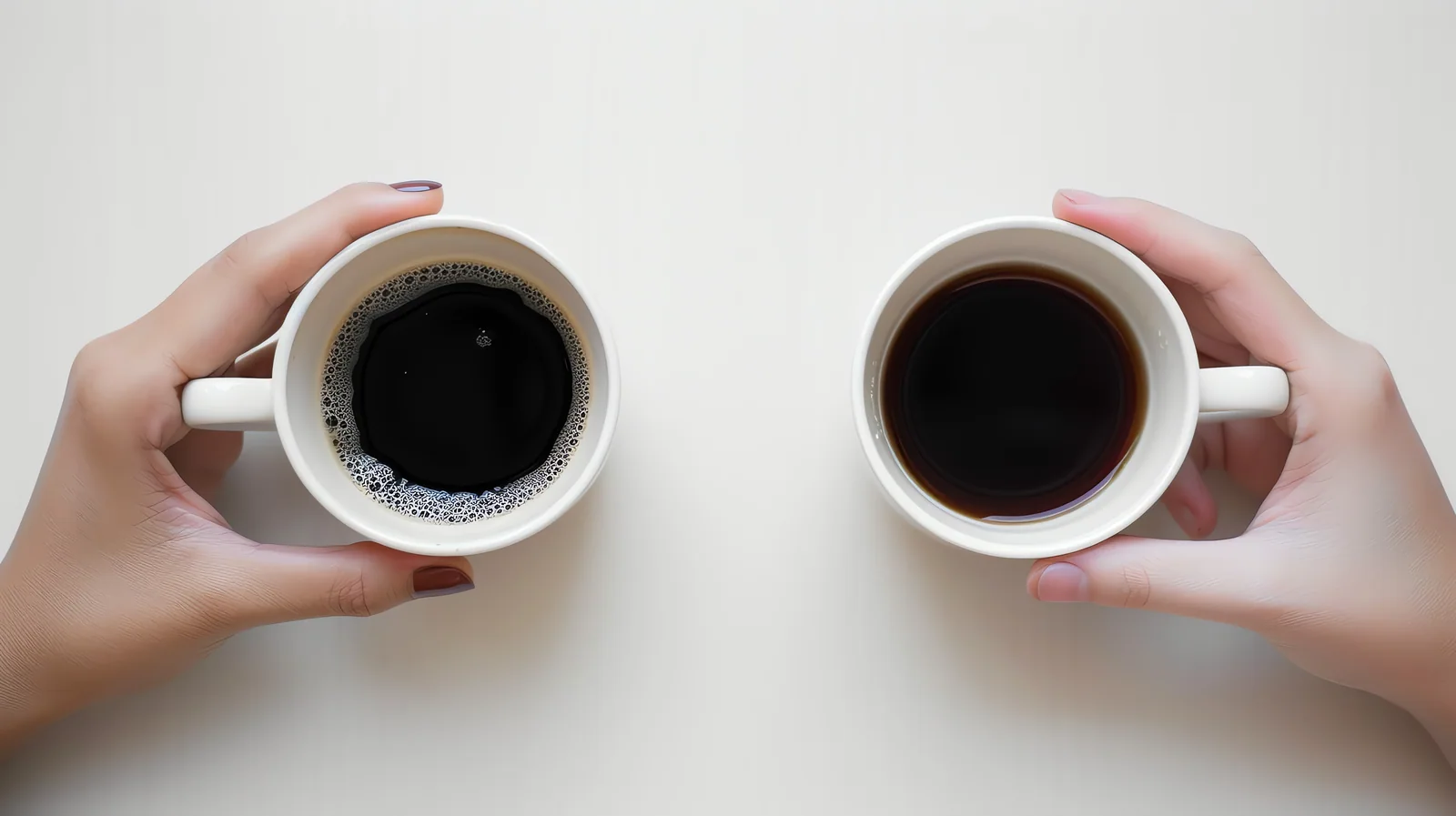
Water stored for a long time or delivered through aging pipes can sometimes develop off-odors. If even the water you normally drink tastes strange, do not simply boil it and make coffee to cover the smell. Check the source, clean storage tanks as required and use drinking water from a trusted supply. A pleasant cup of coffee is not worth compromising the safety of its most basic ingredient.
Unpleasant smells can also come from an unclean kettle, phin or brewing vessel. Scale, odor-retaining gaskets and cups carrying detergent residue may make you suspect the water source. Try pouring hot water into a clean cup, smelling and tasting it after it has cooled to a safe temperature, and comparing it with the water before heating. Separating the stages helps locate the real cause.
5. How to Compare Two Water Sources Fairly at Home
Choose the same coffee, dose, grind size and equipment. Use two sources that are both safe to drink, such as your usual filtered water and suitable bottled water. Brew two small servings in succession, or side by side if you have enough equipment. Keep temperature and pouring technique similar, let the coffee cool slightly, and taste the cups together. If one has an off-odor and the other smells cleaner, you have a useful clue to investigate.
Do not test two different beans and roast levels at the same time and then attribute every difference to the water. Nor do you need to buy a total dissolved solids (TDS) meter before understanding its readings. TDS measures the overall amount of dissolved solids; it does not identify individual minerals or establish drinking-water safety by itself. Labels and testing information, where available, matter more than a single number.
With coffee that has natural acidity, taste carefully so you do not confuse the beans' character with sourness caused by water or extraction. Understanding the acidity, bitterness and color of pure coffee can help distinguish the bean's natural flavor from a brewing fault. An Arabica cup with noticeable acidity is not necessarily problematic; unfamiliar odors or unexpected changes from your usual recipe deserve more attention.
6. Do Phin, V60 and Espresso Machines Need Different Water?
Both phin and V60 extract coffee with hot water, but water contacts the grounds differently and for different lengths of time. Changing water may therefore affect flavor differently across methods. In V60, often enjoyed black without many additions, water odors can sometimes be easier to detect. With condensed-milk coffee, sweetness and milk aroma may mask part of the effect, but that does not make unsuitable water acceptable.
Espresso and fully automatic machines also have water requirements intended to protect tubing, heating components and valves. Some manufacturers specify hardness ranges, filtration methods or descaling cycles. Follow your machine's specifications rather than applying a pour-over water recipe at random. Excessive minerals can increase scaling, while manufacturers may also warn against completely demineralized water.
For office machines, filter replacement and cleaning schedules matter alongside flavor. A machine that produced good coffee in its first week but gradually develops an unusual smell may have issues with water supply maintenance, the tank or the brewing system. Do not assume the beans have deteriorated and keep switching bags while the water path remains unchecked.
7. Three Common Misconceptions about Coffee Brewing Water
The first misconception is that more expensive water always tastes better. Bottled water prices reflect many factors besides mineral composition. There is no basis for claiming a costly brand always suits every bean and brewing device. For someone making a morning phin, safe and consistent drinking water can be a much more practical choice.
The second misconception is that boiling fixes every water problem. Boiling can reduce certain microbiological risks when used according to safety guidance, but it does not solve every problem involving dissolved substances or chemical contaminants. If a water-quality warning has been issued, follow the instructions from authorities and the supplier rather than simply boiling water and ignoring it.
The third misconception is that installing a filter removes the need for maintenance. A saturated filter, overdue cartridge or dirty tank can change water quality. Check replacement recommendations, clean the tank and observe water odors over time. Regular maintenance is more useful than assuming a long-installed device will keep working perfectly forever.
8. When Should You Change Water, and When Should You Adjust Coffee?
If the water itself smells or tastes unusual, or there is a safety advisory, address the water source first; adding more coffee to cover the odor makes little sense. If the water seems normal but the coffee is weak or bitter because the phin drains abnormally, review the grind, ratio and brewing method. Water is only one of many factors in the finished cup.
If you have used the same water for months and only one new batch of coffee tastes different, the cause may lie in the beans, roast or grind. One cup is not enough to conclude that the water supplier changed its treatment process. Conversely, if every hot drink at home starts smelling different, inspect the kettle, vessels and water; the cause may be outside the coffee bag.
You do not need to know every detail of water chemistry to brew well. It is enough to distinguish what must be safe, what is a matter of taste and what can be tested again. A trustworthy drinking-water source without unusual odors is a sensible foundation. Let consistent recipes and actual tasting guide the rest, rather than chasing water marketed as a cure for every cup.
9. Frequently Asked Questions
Can you make coffee with bottled purified water? Yes, provided the product is safe to drink, although the flavor may differ from water with another mineral composition. Try the same beans and recipe. Do not claim that mineral-free water is always better or always worse for every coffee.
Can you brew with tap water that has a slight chlorine smell? Follow the published water-quality information and local guidance. For flavor, chlorine odor can make coffee less pleasant. A suitable, properly maintained filter may reduce the smell, but it does not replace checking the safety of the water supply.
Should you use sparkling mineral water for hot brewing? Carbonated mineral water is not a standard choice for boiling and brewing phin, V60 or espresso. Dissolved gas and mineral content can behave undesirably when heated or used in equipment. If you want a coffee drink combined with sparkling water, that is a separate beverage recipe, not a replacement for brewing water in hot extraction.