What Is a Macchiato? Espresso Macchiato vs. Latte and Caramel Macchiato
An espresso macchiato is an espresso with a small amount of milk or milk foam. A caramel macchiato is typically a larger drink made with milk, syrup, and caramel sauce. The two differ markedly in sweetness, milk quantity, and how they are enjoyed.
The word 'macchiato' can lead to two very different drinks: a small espresso marked with a little milk foam, or a large milky drink with vanilla syrup and caramel. The first is an espresso macchiato; the second is usually called a caramel macchiato. Knowing the difference helps you avoid ordering a sweet, milk-heavy drink when what you actually wanted was strong coffee.
1. Why Are Espresso Macchiato and Caramel Macchiato Different?
In Italian, 'macchiato' roughly means 'marked' or 'stained.' An espresso macchiato is an espresso marked with a small amount of milk or milk foam. At many coffee chains, a caramel macchiato contains considerably more milk, plus syrup and caramel sauce. Sharing a word in their names does not mean the drinks use the same coffee-to-milk ratio.
At some milk-tea shops in Vietnam, 'macchiato' also refers to a milk-foam or cream topping on tea. That is not an espresso macchiato. When reading the menu, check the ingredients: does the drink contain espresso, or tea topped with milk cream?
If you want strong coffee with very little milk, espresso macchiato is the closer match. If you prefer a larger, milkier drink with sweet caramel, choose caramel macchiato. When a menu says only 'macchiato,' reading the ingredients or asking which version is served is more reliable than guessing from a photograph.
2. What Exactly Is an Espresso Macchiato?
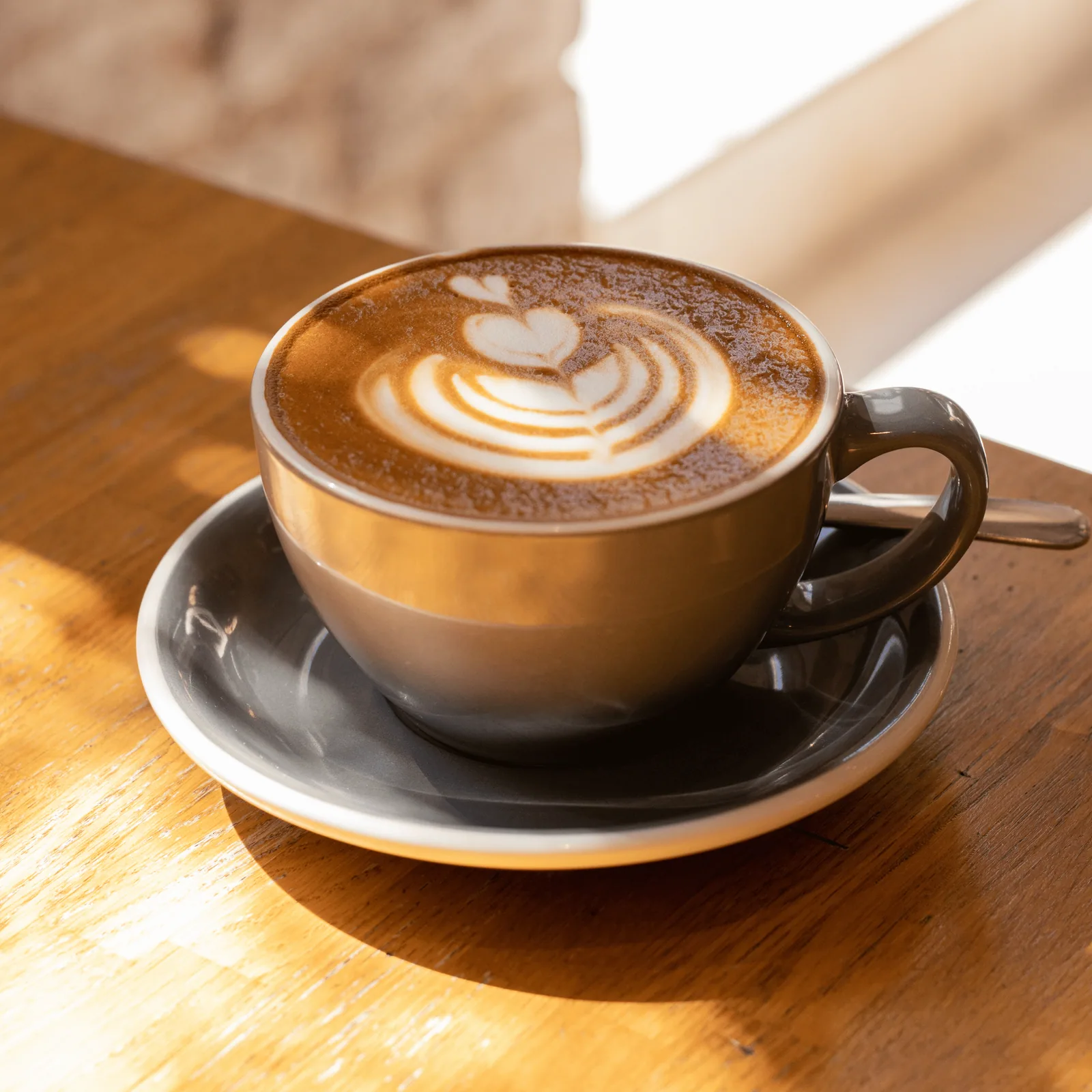
An espresso macchiato consists of a shot of espresso with a small amount of warm milk or milk foam. There is so little milk that the aroma and intensity of the espresso remain clear. Anyone accustomed to a milk-heavy latte will find the coffee flavor considerably stronger in this small cup.
Because there is very little milk, espresso macchiato does not hide the characteristics of its espresso base. If the shot has pronounced acidity or harsh bitterness, you will still taste it through the foam. This is why the drink generally appeals more to people who enjoy strong coffee than to those looking for a gently sweet, milky drink.
There is also a latte macchiato, in which milk makes up most of the drink and espresso is poured into it. Compared with espresso macchiato, it tastes less concentrated because it contains more milk. When scanning a menu, pay attention to the word before 'macchiato'; it often tells you which kind of drink to expect.
An espresso macchiato is usually served in a small ceramic espresso cup because so little milk is added. The traditional recipe does not automatically include sugar, although preparation can vary between cafés. To know whether yours has sweetener, check the menu or ask the staff.
Espresso macchiato suits someone who already enjoys espresso but wants a slightly softer edge from a touch of milk. For a larger drink to sip longer, a latte offers more milk while an americano offers more water. Choosing according to milk quantity and your preferred coffee intensity is easier than relying on the drink name alone.
3. How Is Caramel Macchiato Different?
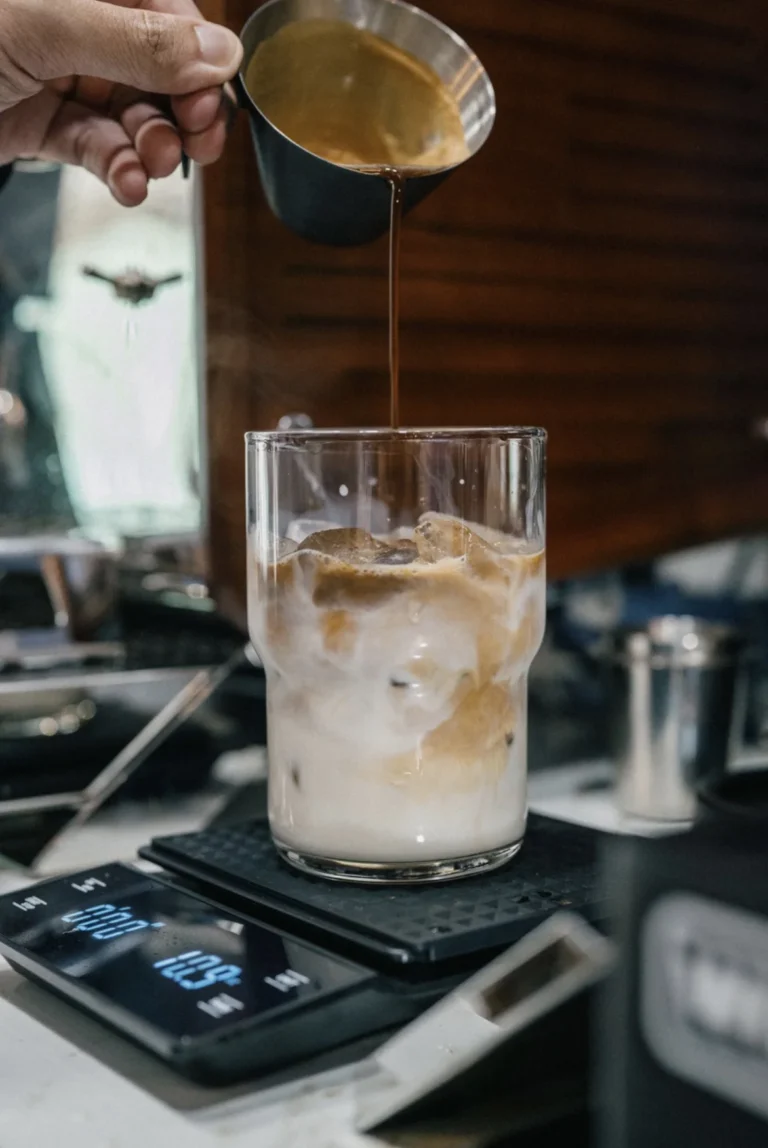
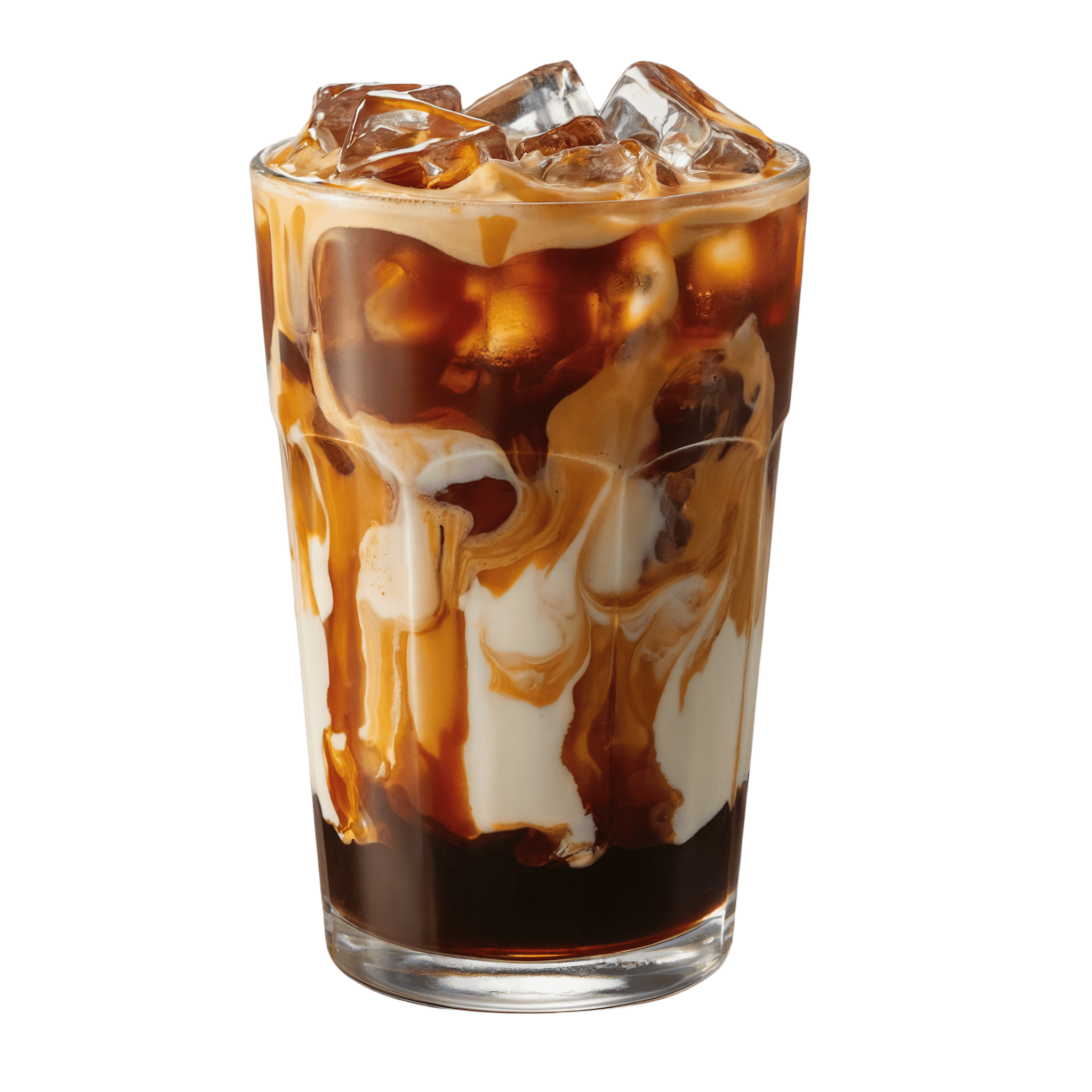
At many coffee chains, a caramel macchiato contains milk, vanilla syrup, espresso, and caramel sauce. In the iced version, milk and ice often go into the glass first, followed by espresso and caramel. Its sweetness, caramel aroma, and generous milk portion make it very different from a compact espresso macchiato.
An iced caramel macchiato often shows distinct layers of color immediately after espresso is poured onto the milk. Once stirred, the coffee, milk, and syrup blend together, making the sweetness more evenly noticeable. Attractive layers, however, do not tell you whether the drink is low in sugar.
Some recipes mix vanilla syrup into the milk before drizzling caramel sauce over the top. Removing the top drizzle alone may therefore do little to reduce sweetness. If you prefer less sugar, ask to reduce both the syrup and the sauce where the recipe allows.
When preparing caramel macchiato at home, begin with a small amount of syrup and taste the milk before adding caramel. Caramel sauce contains sugar too, so a thick layer can make the drink cloying. Do not reduce the espresso to fix excess sweetness; cutting back the sweeteners addresses the actual issue.
Depending on cup size, a caramel macchiato may contain one or more shots of espresso. Even though it tastes sweet and creamy, it still contains caffeine from the coffee. If you want to manage your intake, ask how many shots the café uses.
4. Macchiato, Latte, and Cappuccino: What Is the Difference?
An espresso macchiato is espresso with very little milk. A latte has more liquid milk and a thinner layer of foam, while cappuccino is generally more foam-forward. Caramel macchiato is often closer to a syrup-flavored milk coffee than to a small espresso macchiato. The distinctions are about ingredients and milk quantity, not just names.
If you do not enjoy very concentrated coffee, a latte may be easier to drink than an espresso macchiato because it contains more milk. Cappuccino suits those who like a more noticeable foam layer. Caramel macchiato adds sweetness from syrup and sauce, so anyone watching sugar intake should examine the ingredients rather than choosing only by name.
Caramel macchiato and latte can use the same espresso base. The main differences are the syrup, caramel, and pouring method, while actual sugar content depends on the café's recipe. So if you enjoy an unsweetened latte, do not assume caramel macchiato will be equally mild in sweetness.
At a café that does not specify which macchiato it serves, look for syrup, caramel, or simply a touch of milk foam in the ingredients. A small cup is more likely to be an espresso macchiato, while a large milk-based drink could be a caramel or latte macchiato. One question to the barista can prevent you from ordering the wrong one.
5. How to Make Espresso Macchiato at Home
5.1. Prepare an Espresso Shot You Enjoy
If you have an espresso machine at home, prepare a shot using your usual beans and machine settings. Since the milk portion is tiny, a burnt smell or astringent taste in the espresso will stand out. An aromatic, moderately intense shot makes a better base for this drink.
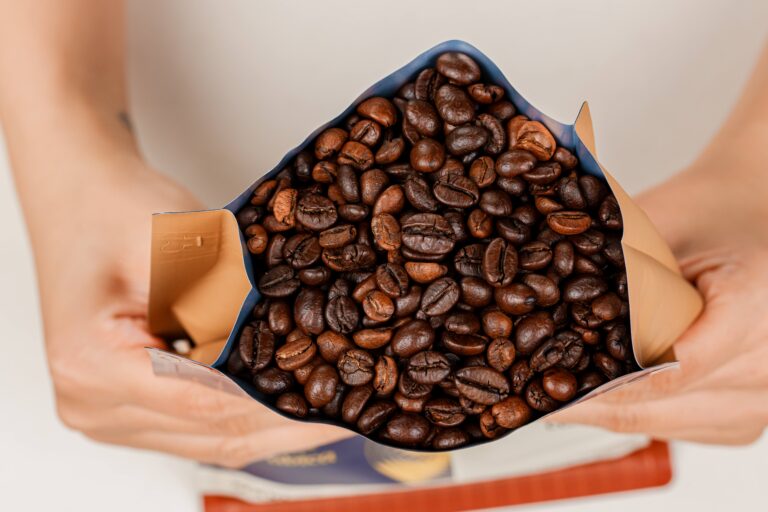
Robusta generally offers a bold flavor and more pronounced bitterness; Arabica has more noticeable acidity, while a blend balances the two profiles. For a bean-to-cup espresso machine, you can choose from LOPHA's whole-bean coffees according to your taste. Whichever you select, the grind and extraction need to suit your machine.
5.2. Add Just Enough Milk
Warm a small quantity of milk and create a fine foam if you have the equipment. Spoon a little foam onto the freshly brewed espresso; coffee should still make up nearly the whole cup. Too much milk moves the drink closer to other small milk-coffee recipes.
You need only a small spoonful of foam, enough to mark part of the espresso's surface. When sipping, the coffee comes through first, followed by a subtle softening from the milk. Add too much milk and it becomes more like a small milk coffee than a traditional espresso macchiato.
If your espresso machine has no steam wand, a small handheld milk frother can still produce a little foam. This drink needs only a spoonful, so you do not have to froth as much milk as you would for a latte. Keep the equipment and milk clean and serve promptly after preparation.
The foam need not be as thick as in a cappuccino. A handheld frother works for small batches, but if your device specifies a minimum milk volume, follow its instructions rather than running it with too little liquid. Refrigerate and use the leftover milk appropriately; do not leave it sitting on the counter.
6. How Can You Make an Iced Caramel Macchiato at Home?
For a homemade iced caramel macchiato, try 150–180 ml of cold unsweetened milk, one espresso shot, a little vanilla syrup, and caramel sauce. Stir the syrup into the milk, add ice, pour the espresso on top, and finish with caramel. Sweetness depends on the syrup and sauce, so start sparingly and add more only after tasting.
Pouring espresso over cold milk can create a darker coffee layer at the top. This is a familiar presentation for an iced caramel macchiato. Before drinking, stir so the syrup, coffee, and milk blend together; otherwise the first sip may taste very strong while the bottom is noticeably sweeter.
Unsweetened milk lets you adjust sweetness using the syrup and caramel sauce. If you only have sweetened milk, reduce the syrup from the beginning. That avoids having to rescue an overly sweet drink by pouring in more coffee.
With a thick caramel sauce, drizzling a few thin lines over the surface gives you more control than covering the top. Taste again after stirring: if caramel has taken over the coffee aroma, use less sauce next time. For a less-sweet cup, reduce syrup or sauce rather than espresso; those adjustments affect the flavor in different ways.
The hot version uses warm milk in place of cold milk and ice. Pour the espresso into the milk and add the chosen amounts of syrup and caramel sauce. Make only what you will drink promptly, since milk-based drinks need refrigeration when not consumed right away.
7. Frequently Asked Questions About Ordering Macchiato
Do espresso macchiato and caramel macchiato both count as milk coffee? Yes, both contain coffee and milk, but in dramatically different proportions. One adds just a touch of milk to espresso; the other uses milk as a major component and often includes syrup and caramel.
You may also encounter latte macchiato on a menu. This drink generally contains plenty of milk, with espresso poured into it, unlike espresso macchiato, which adds just a little foam to coffee. Recognizing this third name makes it easier to distinguish among macchiato styles without guessing from pictures.
Is macchiato sweet? A traditional espresso macchiato does not automatically contain sugar or syrup. Caramel macchiato is usually sweeter because it includes syrup and caramel sauce. When ordering, simply ask whether any sugar or sauce is already added.
Does macchiato have more caffeine than latte? That depends on how much espresso is used. With the same single shot, the caffeine from the coffee is approximately similar; a large drink with two shots differs from one with only a single shot.
For caffeine, check the number of espresso shots the café uses. A one-shot espresso macchiato generally has less coffee than a two-shot caramel macchiato, even though the smaller drink tastes stronger per sip. Milk and syrup soften the taste but do not remove the caffeine already present in the espresso.
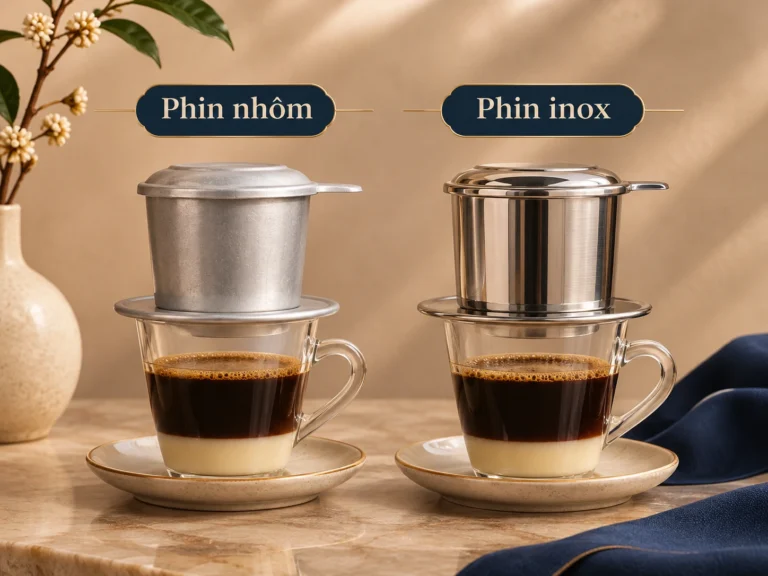
Can you use phin coffee to make macchiato? You can add a little milk or milk foam to phin coffee, but by the usual definition it is not an espresso macchiato. It may still taste good; the coffee base is simply different.
Before ordering a macchiato at a new café, check three things: whether the ingredients include espresso or tea, how much milk the drink contains, and whether syrup or sauce is added. That way, you can order the drink you actually want instead of being surprised by how different a familiar name can taste.