Bitterness with Depth: Tasting LOPHA 100% Robusta Whole Beans
Whole-bean Robusta is remembered for more than bitterness. Its aroma when freshly ground, full mouthfeel and lingering aftertaste give this coffee its distinct character.
A memorable cup of whole-bean Robusta does not have to be overwhelmingly bitter. Its appeal also lies in the aroma released when the beans are ground, its full-bodied character and the lingering finish that unfolds slowly.
1. The Moment the Coffee Beans Are Ground
Brewing whole-bean coffee begins even before hot water touches a Vietnamese phin filter or coffee machine. Robusta beans tumble into the grinder; when the motor stops, the aroma of freshly ground coffee begins to fill the space around the counter. With LOPHA Robusta, deep, wood-like aromatic notes bring a warm character, quite different from the bright aromas often sought in Arabica. Whole beans generally have a subtler scent than freshly ground coffee. That change is one reason many people enjoy buying whole beans. Try smelling the beans before grinding, then the grounds immediately afterward. You do not need to identify every aromatic note by name; simply notice how the scent changes. That small moment turns preparing Robusta into part of the pleasure, rather than merely a step toward having coffee to drink.

2. The First Sip: Bitterness Takes Center Stage
LOPHA Robusta has a clearly pronounced, strong and direct bitterness. In a cup of black coffee, bitterness is often the first sensation to stand out. Yet a deep bitterness is not measured by intensity alone: there must also be room for aroma, body and aftertaste. Some cups make a powerful first impression on the tongue, then fade quickly; others leave a finish that stays with you and invites a slower next sip. With Robusta, the pleasure is in finding a strength that allows its bitterness to shine without concealing everything else. One sip straight after brewing and another after the coffee has cooled slightly may leave different impressions, even though both come from the same bag of beans.
Bitterness is like the bold first stroke in a painting: it establishes a personality without telling the whole story. The question worth asking of a Robusta cup is not only “How bitter is it?” but also “What do I remember after the bitterness?” Some drinkers look for an almost immediate intensity; others pay more attention to the moment when bitterness gives way to deeper aromas and a lingering finish. Try setting the cup down after the first sip, letting your palate rest for a few seconds, and then drinking again. That slower pace helps separate intensity from enjoyment. A bold cup that suits your taste does not need to push every sensation to the extreme: it has enough personality to be recognizable and enough balance to make you look forward to the next sip.
3. The Full Body of a Robusta Cup
If bitterness is what the tongue notices first, body is the feeling that remains across the palate. LOPHA Robusta has a substantial body: rather than feeling thin and fleeting, the cup aims for fullness and a firm presence. This should not be confused with an exceptionally dark-looking brew or coffee prepared at an excessive concentration. With balanced extraction, you can still appreciate its fullness without making the bitterness harsh. Take a small sip, hold the coffee in your mouth briefly, and then swallow. The point is not to use the perfect technical term but to notice whether the cup feels rounded and full or seems to leave a gap. That quality gives Robusta a distinct appeal to lovers of bold coffee.
Fullness also has something to do with the pace of drinking. A rushed sip may leave only a bitter impression; a slower one offers time to feel the coffee move across the tongue, spread through the mouth and gradually fade. This is not thickness in the everyday, syrupy sense, but a sense of presence. For people who love Robusta, that fullness can matter as much as the aroma: it gives a small cup real weight, even without sugar or milk. It also allows each person to discover the level of strength that feels just right.
4. Woody Aromas and a Lingering Finish
Wood-like notes lend a warm, grounded character to LOPHA Robusta, while its lingering finish continues the experience after each sip. As you raise the cup, your attention goes to the aroma; when the coffee reaches your tongue, bitterness takes the lead; after swallowing, what remains tells you how the experience ends. These are not three separate tests, but three moments in one tasting. A long aftertaste does not mean that more bitterness is always better. An overly concentrated cup can finish dry and uncomfortable, whereas a balanced brew lets other nuances emerge. With whole-bean Robusta, pay attention to what happens after the first sip: it is often this lingering quality that distinguishes a merely strong cup from one with real depth.
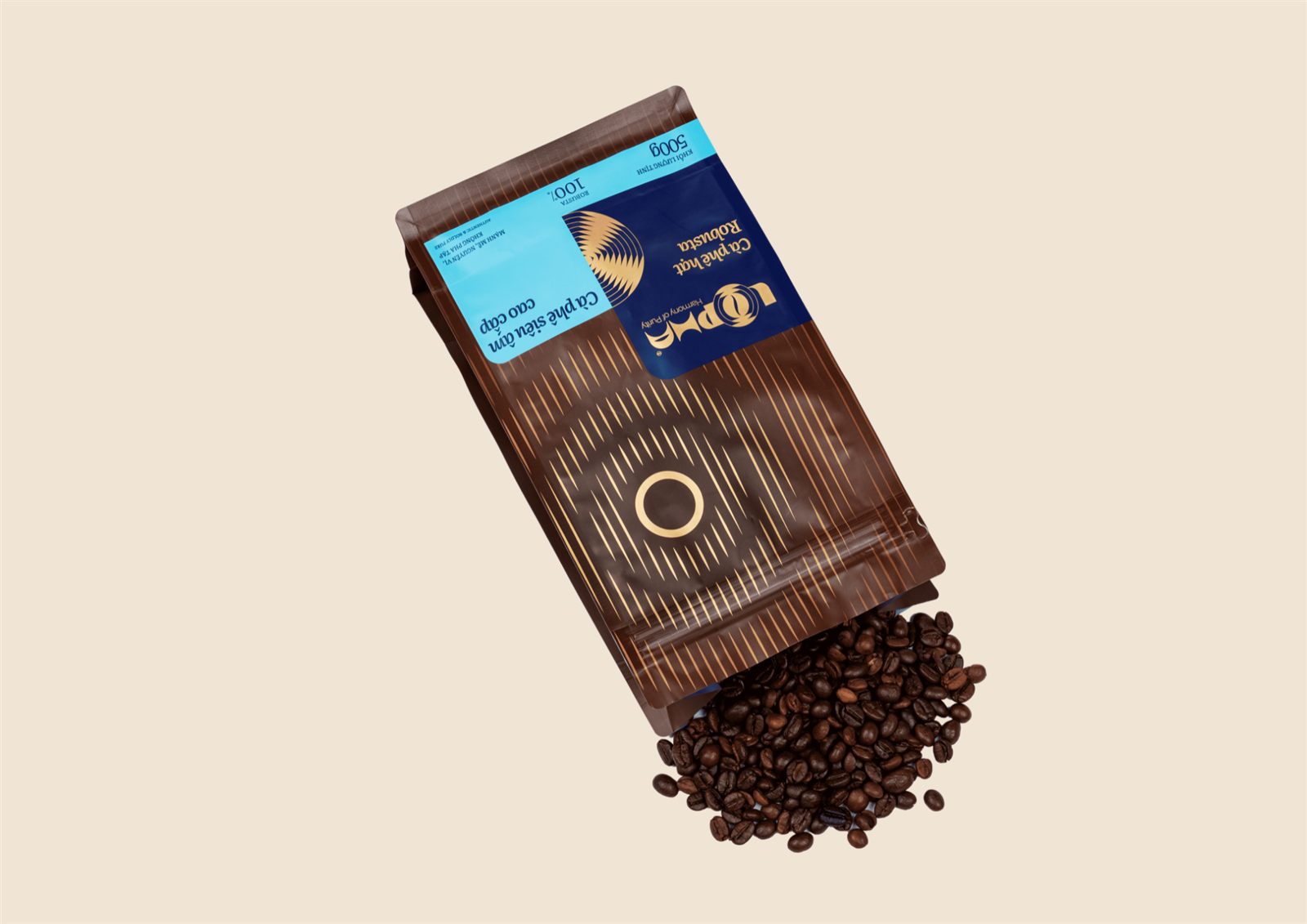
An aroma does not have to smell exactly like the thing it evokes. “Woody” describes a warm, deep impression; it does not mean the coffee contains wood or added flavoring. When tasting, such associations can appear and disappear before we have time to name them. What matters most is the overall impression: does the scent as you lift the cup work in harmony with the bitterness of the sip and what lingers afterward? With whole-bean Robusta, the connection between these moments is often more memorable than a long list of tasting descriptors.
5. As the Coffee Cools
When coffee is very hot, steam carries plenty of aroma, but the heat can also make it harder to notice finer details of taste. As the cup cools a little, there is more opportunity to distinguish the initial bitterness from the lingering finish. It is a small experiment that requires no special equipment: simply save a little coffee, take another sip a few minutes later, and ask whether the sensation in your mouth has changed. For someone who enjoys bold Robusta, the hot cup may feel powerful and familiar; at a gentler temperature, its deeper, warmer notes may become easier to notice. Not everyone will experience the same change, and there is no single temperature at which coffee must taste best. Those differences make the same beans worth exploring through more than one brew.
Some people enjoy drinking coffee immediately after brewing because its warmth gives their morning a decisive start. Others wait a little, allowing the cup—and the moment—to become less hurried. The two habits bring different approaches to flavor. As Robusta moves from hot to warm, drinkers can focus more on the aftertaste instead of being led entirely by the first impression. Sometimes a note that once seemed too strong feels gentler; at other times, people realize they love precisely the directness of that first sip. There is no need to declare one moment the correct one, because the final experience is a matter of individual taste.
6. Whole Beans and the Freedom to Brew Your Way
The pleasure of whole-bean coffee is the freedom it gives you. You can grind just enough for each brew, choose a grind size suited to a phin filter or espresso machine, and leave yourself room to experiment. A phin brew often creates a slower experience connected to a traditional way of drinking coffee. Espresso is more concentrated, so its strength and body may appear differently. Rather than searching for the single “perfect recipe,” start by using a familiar brewing method for a few cups so you can recognize the beans’ personality. Then change one small variable to discover another side. Whole-bean Robusta suits people who enjoy shaping their own coffee experience and do not mind spending a few minutes grinding and brewing.
Whole beans also appeal to those who regard making coffee as part of the pleasure. You do not need to test a new ratio or different equipment every day. Sometimes opening the bean container, grinding just enough for a cup, and waiting for the aroma is satisfying in itself. That deliberate repetition is different from preparing coffee without really noticing it. It helps you recognize when you truly want a bold black cup, when you might prefer something lighter, or when you need a longer break. With whole-bean Robusta, the experience starts before you pick up the cup and carries on after the last sip.
7. For Those Who Love Pronounced Bitterness
LOPHA whole-bean Robusta is for people who enjoy prominent bitterness, a full mouthfeel and a finish that does not disappear too quickly. Those who seek clearly noticeable acidity and floral or fruity aromas may prefer Arabica. Those who want a bold base with a touch of mild acidity might consider Blend. These are not three quality rankings, but three distinct taste preferences. With whole-bean Robusta, the most memorable part may even be the time before drinking: grinding the beans, discovering their deeper aroma, waiting for the coffee to brew, then tasting the first sip black. If your preferences lean toward coffee with an unmistakably bold character, LOPHA 100% Robusta whole beans are worth exploring for yourself. Ultimately, the most rewarding cup is the one that makes you want to reach for the grinder again tomorrow.
Boldness is not everything. With whole-bean Robusta, what stays with you is the moment when bitterness, deep aroma and aftertaste come together in a way that feels right for your own palate.