What Is Espresso Tonic? How to Make Fizzy Coffee with Tonic Water at Home
Espresso Tonic is a chilled coffee drink that pairs concentrated espresso with sparkling tonic water for mild bitterness, bright acidity, and a refreshing finish. An easy starting recipe uses around 30–40 ml of espresso, 120–150 ml of chilled tonic, and ice.
1. What Is Espresso Tonic, and Does It Taste Like Coffee with Milk?
If you normally drink Vietnamese iced coffee with condensed milk, your first sip of Espresso Tonic may surprise you. There is no milk in this drink, and usually no cream either. The glass contains espresso, sparkling tonic water, and ice. You taste concentrated coffee, a touch of herbal bitterness from the tonic, varying degrees of sweetness or gentle tartness depending on the brand, and the lively sensation of bubbles. It is a cold, refreshing drink rather than the familiar creamy sweetness of a latte.

Espresso Tonic is not simply espresso mixed with ordinary soda water. Tonic water is carbonated and commonly contains quinine, which gives it a characteristic bitter note, along with sweeteners or flavorings depending on the product. Soda water is simpler, providing mostly carbonation with little additional flavor. Replacing tonic with soda still gives you fizzy coffee, but it tastes noticeably different. When buying ingredients, the word “tonic” on the label matters more than the presence of bubbles alone.
A pleasant glass needs enough coffee flavor to hold its own against the tonic without becoming overwhelmingly bitter. Beginners can start with about one part espresso to three or four parts tonic. The recipe below gives you a measured drink to make and enjoy immediately, then gradually adjust to your taste instead of guessing quantities by eye.
2. Ingredients and Ratios for One Espresso Tonic
Prepare 30–40 ml of espresso, 120–150 ml of chilled tonic water, a handful of clean ice cubes, and a 300–350 ml glass. A thin orange slice or a strip of lemon peel is optional for aroma. If your usual espresso recipe extracts about 36 g of beverage from 18 g of ground coffee, that shot is enough to try with 130 ml of tonic. If your machine makes a smaller single shot, reduce the tonic accordingly so the coffee remains noticeable.
Chill the tonic before preparing the drink. A freshly opened bottle usually has lively bubbles and a bright taste; tonic left open for a long time loses carbonation, making the result taste more like a coffee-flavored soft drink than a lightly sparkling beverage. Regular and reduced-sugar tonic are both options, though their sweetness and bitterness can differ. If you are unsure which suits you, a small bottle or can is easier to test than stocking up on large bottles.
Ice also has a clear effect. In a glass containing tonic and espresso, medium or large cubes cool the drink rapidly and generally melt more slowly than crushed ice under similar conditions. Use clean ice stored in a covered container to avoid refrigerator odors. Leave some space at the top even if the glass holds plenty of ice: adding espresso to tonic can cause an unexpected rise of foam.
3. How to Make Espresso Tonic at Home, Step by Step
First, chill the glass and tonic in the refrigerator. When you are ready to drink, take out the glass, fill it about two-thirds to three-quarters with ice, and pour 120–150 ml of cold tonic along the side. Give the bubbles a few seconds to settle. Pouring forcefully from above can cause excessive foaming and loss of carbonation before the coffee goes in. A tall, straight-sided glass is usually easier for beginners than a very shallow one.
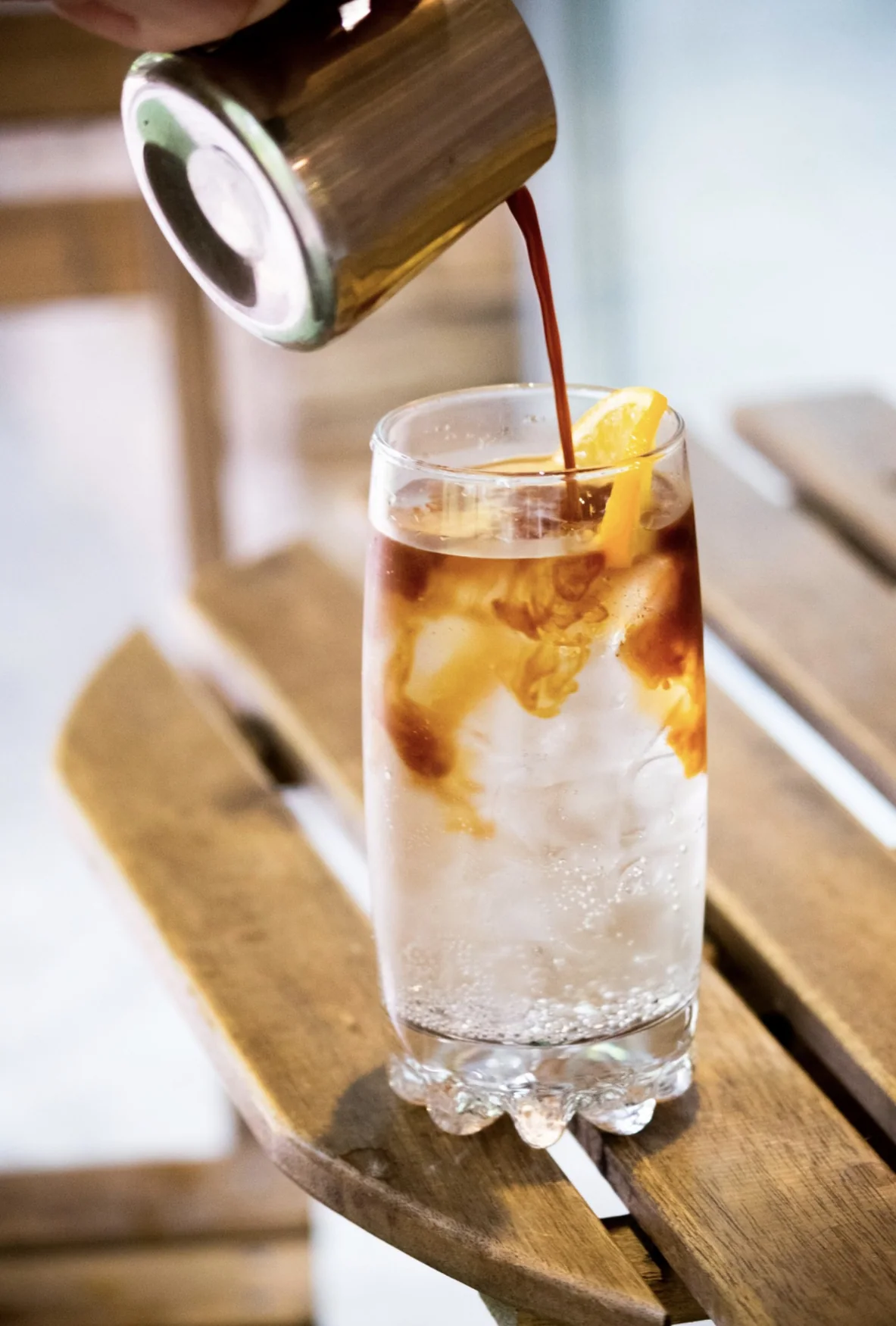
Next, extract 30–40 ml of espresso into a separate cup. If you are new to the technique, let the shot cool very briefly before pouring, while its aroma remains apparent. Bring the cup close to the ice or pour over the back of a clean spoon so the espresso enters the tonic slowly. Fine brown foam may appear on the surface as darker coffee trails spread below. Keeping headroom in the glass is the easiest way to prevent foam from overflowing onto the table.
Once assembled, add a thin orange slice to the rim or gently express the oils from clean orange peel over the top. Admire the two colors for a few seconds, then stir very lightly before drinking if you prefer a uniform flavor. Espresso Tonic is at its best while the tonic is cold and carbonated; as it sits, ice melts and the bubbles fade, dulling its initial freshness. There is no need to add syrup on the first attempt because many tonics already contain sugar.
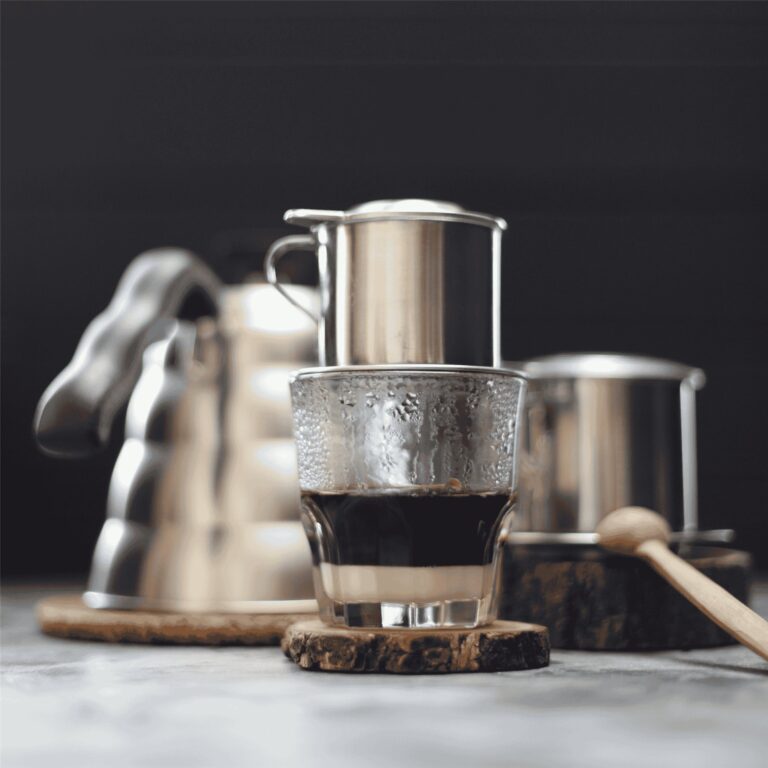
Without an espresso machine, you can experiment with coffee tonic using strong phin concentrate or concentrated cold brew. Try about 40–60 ml, depending on its strength, and reduce the tonic if the coffee is too subtle. This is a variation rather than an identical Espresso Tonic: phin coffee usually differs from espresso in concentration and foam. It does, however, let you explore the combination before deciding whether to invest in more equipment.
4. Why Does Tonic Taste Bitter, and Which Type Should You Choose?
Tonic water normally has a distinctive bitterness alongside its sweetness and carbonation. That bitterness is what separates it from coffee made with soda water, and it can amplify the bitterness of espresso. If your first sip is harsh, both the tonic and the coffee may be contributing. A moderately sweet tonic with a light citrus aroma is often easier for beginners than one with a very pronounced herbal profile.
Labels may list standard tonic, sugar-free tonic, and flavored varieties. Sugar-free tonic may use alternative sweeteners with a different aftertaste, so the lowest-sugar option is not automatically the most pleasant with espresso. While learning the recipe, choose one tonic, keep its volume at 130 ml, and adjust the espresso first. Once you understand that base flavor, comparing two tonic brands becomes more meaningful.
Orange, lemon, or a little grapefruit peel can brighten the aroma, but use them sparingly. Squeezing in too much lemon juice can make the drink sharply sour; generous syrup may mask the espresso entirely. A clean piece of orange peel, gently squeezed above the glass, is a good way to test the aroma before changing the liquid ingredients substantially.
5. Which Coffee Will Not Make the Tonic Taste Overly Bitter?
Tonic is already bitter, so choose the coffee base thoughtfully. If you enjoy fruit notes and noticeable acidity, Arabica may pair intriguingly with the tonic’s citrus character. Robusta can also work for those familiar with its flavor, but start with a smaller espresso portion or gentler tonic: its bold base and lingering bitterness can make the combination harsh if the balance is off. A blend is another middle-ground option to test according to taste.
The flavor differences among Robusta, Arabica, and Blend are easier to recognize if you taste the espresso on its own before adding tonic. A shot that already tastes burnt, scorched, or unusually dry and bitter cannot be completely fixed by tonic. With a balanced coffee base, the tonic creates a new drinking style rather than hiding a poorly extracted espresso.
On an espresso machine, keep the grind and coffee dose consistent for a few trials. If the shot is over-diluted and weak, you may have to use so little tonic that the drink loses its sparkling character. If the shot is too concentrated, adding more tonic can still upset the overall balance. Starting with an espresso recipe you already enjoy black makes blending much simpler.
6. Three Mistakes That Make Espresso Tonic Hard to Enjoy
The most obvious mistake is overflowing foam. Pouring hot espresso too quickly into carbonated tonic can create a sudden surge, especially in an already full glass. The fix rarely requires different ingredients: chill the tonic, use a larger glass, leave headroom, and pour slowly. If you want distinct colors, let the espresso run over the ice or along a spoon. The priority is controlling the foam without scrambling to lift the glass away.
The second mistake is a weak, flat-tasting drink. It can result from too much tonic, rapidly melting ice, espresso that was weak to begin with, or tonic that has lost its carbonation after being open. Try reducing tonic from 150 ml to 120 ml while keeping the same shot, or use larger ice cubes. Changing one thing at a time reveals what caused the difference. Syrup only adds sweetness; it does not restore missing coffee aroma.
The third problem is lingering, harsh bitterness. If the espresso tastes dry and bitter on its own, adjust the grind, beverage yield, or extraction time according to your machine. If the espresso tastes good alone but the combination is too bitter, try a milder tonic or increase the liquid ratio slightly. Use orange or lemon juice sparingly to add fragrance; extra acid is not a guaranteed cure for bitterness.
7. How Is Orange Espresso Tonic Different from Ordinary Orange Coffee?
Orange Espresso Tonic starts with the standard espresso-and-tonic formula, then adds a little orange juice or orange syrup, perhaps 15–25 ml in a roughly 300 ml drink. Orange gives the drink a more pronounced fruit aroma and may balance some of the herbal bitterness. Reduce the tonic accordingly so the glass is not too full or too diluted. If the orange juice is already sweet, cut back on or omit the syrup to keep the flavors clear.
Ordinary orange coffee may contain only espresso or strong coffee, orange juice, and ice, with no tonic at all. The two drinks therefore differ in carbonation, source of bitterness, and mouthfeel. Someone who wants a light fruit-forward drink but dislikes quinine may prefer orange coffee; a fan of lively fizz may lean toward Espresso Tonic. They do not need to share the same name.
For a family taste test, prepare two small glasses with the same amount of coffee: one with 100 ml of tonic and one with 80 ml of orange juice. This simple comparison shows just how much tonic changes the flavor without relying on online pictures. Orange juice varies in sweetness and acidity from fruit to fruit, however, so you still need to taste and adjust for the actual ingredients.
8. Frequently Asked Questions About Espresso Tonic
Does Espresso Tonic contain caffeine? Yes. The espresso is made from ordinary coffee, and its caffeine content depends on the beans, dose, and espresso portion used. Tonic water does not remove that caffeine. If you are sensitive to it, consider the coffee serving just as you would when ordering any other espresso drink.
Can you replace tonic with sparkling mineral water? You can make a different drink using espresso and sparkling water, but it will have less herbal bitterness and may need separate adjustments to sweetness and acidity. If you want to experience a traditional-style Espresso Tonic first, tonic water is the key ingredient to retain.
Can you prepare Espresso Tonic in advance to take away? It is best made and consumed close together. Closing the lid, transporting the glass, allowing the ice to melt, and losing carbonation can leave it very different by the time you arrive. If you need to take it somewhere, prepare espresso and tonic separately, store them appropriately, and combine them just before drinking.
Espresso Tonic is interesting precisely because its unfamiliar flavor is easy to control when you start with a clear ratio. Brew an enjoyable espresso, choose tonic to suit your taste, and pour slowly into a glass with enough room. After a few tries, you will know whether you prefer brisk, bitter fizz or a gentler version with a hint of orange, without turning your home coffee corner into a professional cocktail bar.