Does Darker Coffee Mean Better Coffee? What Color Really Tells You
A very dark cup of coffee is not necessarily better than a lighter brown one. The color depends on roast level, the amount of coffee, brewing method, and lighting; aroma and flavor are what you need to experience for yourself.
The color of brewed coffee does not determine whether it tastes good. A very dark cup may be concentrated because it contains more grounds and less water; a lighter brown cup may have been diluted or brewed differently. Both can still be aromatic and pleasant. Color also cannot establish whether the coffee contains only coffee or how much caffeine it has. To evaluate a cup, consider the beans, brewing method, and especially its aroma and flavor—not just the shade of brown.
1. Coffee's Color Often Makes an Impression Before Its Aroma Does
A dark cup often looks strong, while a lighter brown one may appear watery. Yet the same coffee can look different on a dark wooden table and when held up to a window. A thick glass cup may also make the liquid appear darker. Perceived color depends on lighting, the vessel, and the amount of coffee, so it is not enough to judge flavor before taking a sip.
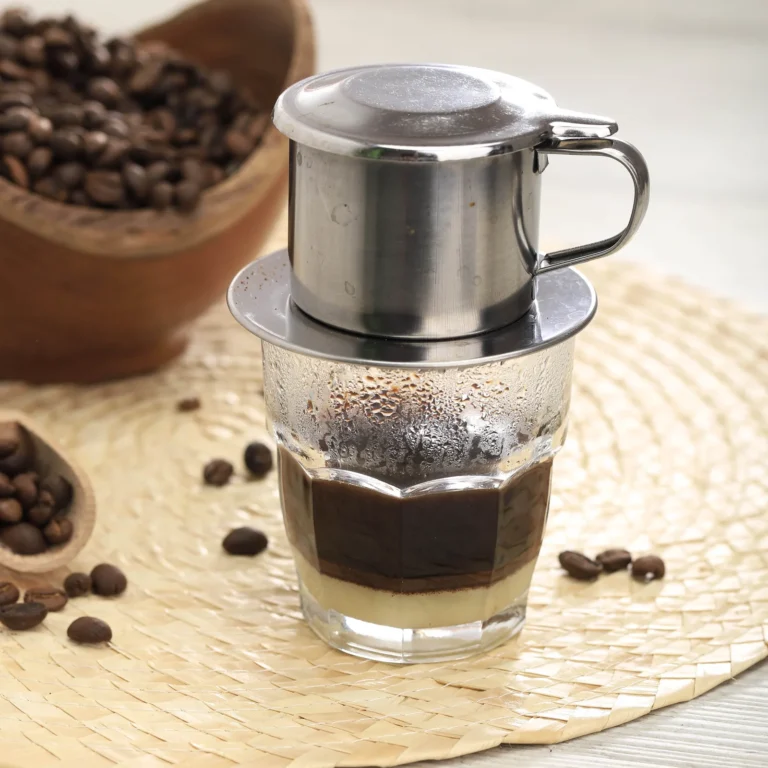
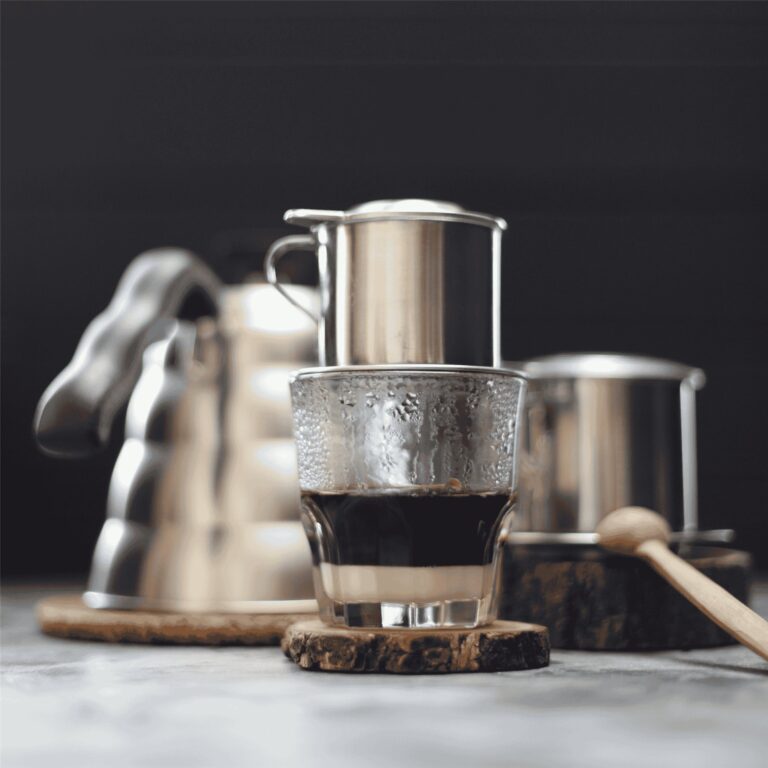
After roasting, beans can have many shades of brown. During brewing, water extracts color- and flavor-producing compounds, but the intensity also depends on the dose, water, and extraction method. Someone accustomed to strong phin concentrate may find an Americano pale, even though the drink is made by adding water to espresso. The color of phin concentrate cannot serve as a standard for every other brewing method.
Using more grounds and less water from the same bag often creates a darker concentrate. However, very dark color does not guarantee a balanced taste: a phin that drips too slowly or beans with excessively dominant roast aromas may still produce harsh bitterness. Color offers a rough clue about concentration, but aroma, acidity, bitterness, and aftertaste must be judged by drinking.
2. The Same Bag Can Produce Cups of Many Different Colors
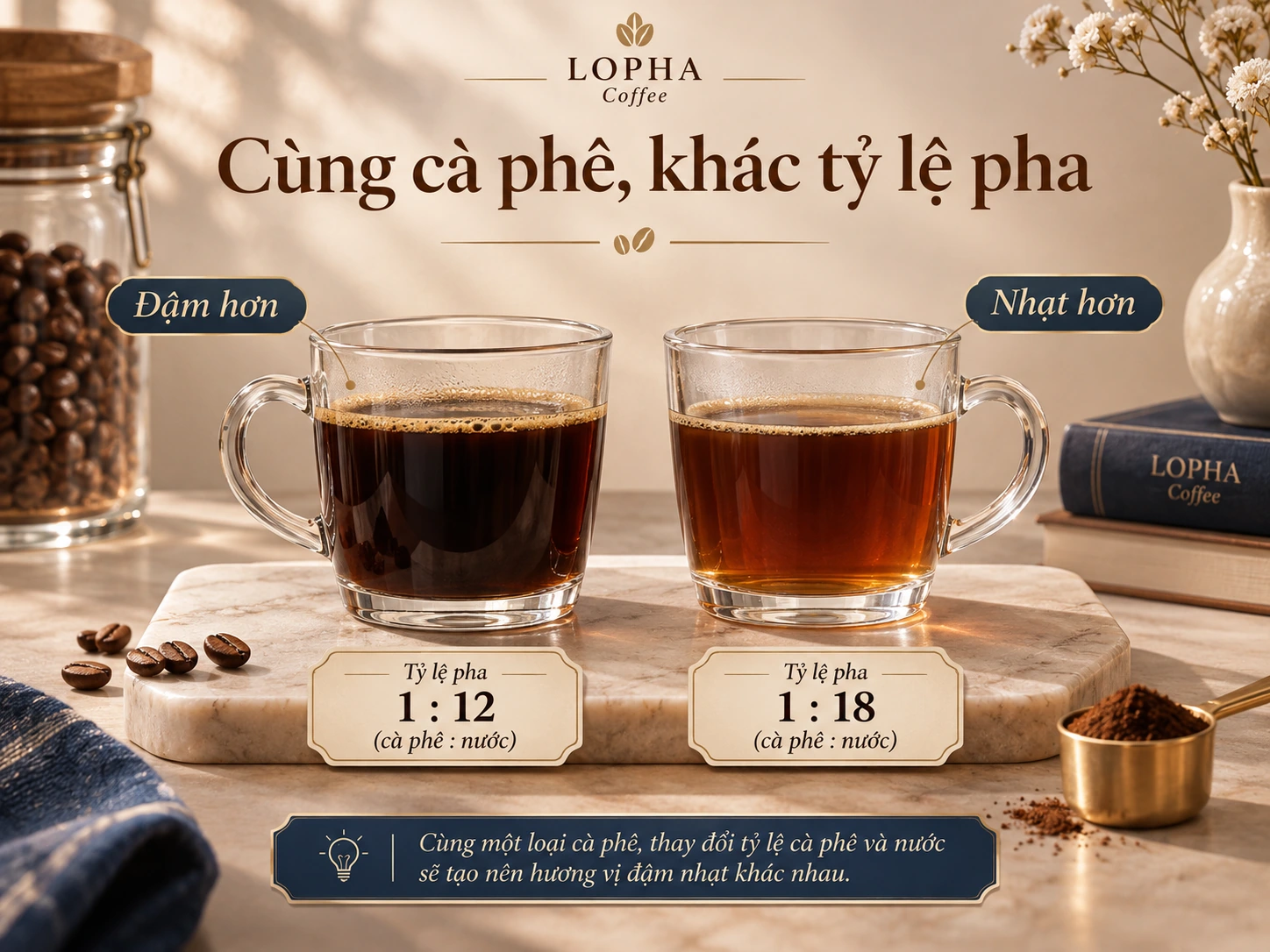
Imagine two phins each containing 20 g of the same grounds. Pour about 80 ml of water into one and more water into the other. The concentrates will usually differ in color and strength, even though the coffee came from the same bag. The actual amount collected also depends on how much water the grounds retain and how each phin works. This shows that changing the brew ratio alone can change color without changing beans.
Grind size also affects color and flavor. Grounds that are too coarse may allow water to move through quickly and produce a lighter concentrate; grounds that are too fine can slow the phin and make the drink astringent. Today's darker cup was not necessarily brewed better than yesterday's. If its flavor is unpleasant too, review the grind, dose, and flow rate rather than trying to make the liquid even darker.
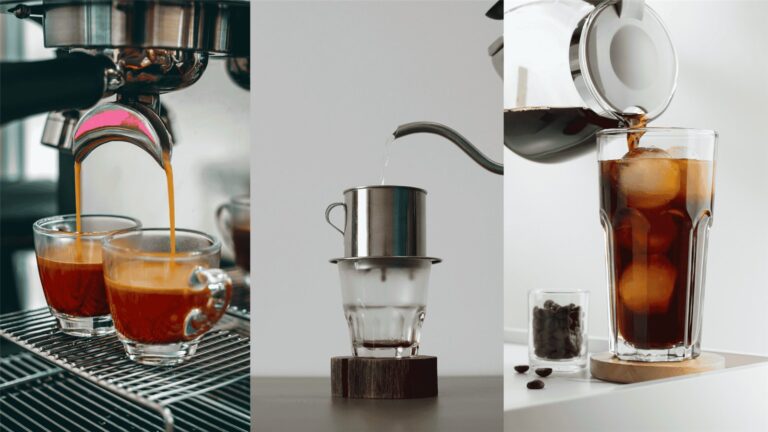
Espresso generally has a small beverage volume, a concentrated flavor, and a crema layer on top. Adding water to make an Americano can lighten its appearance and soften the taste, but it does not make the caffeine in the espresso base disappear. This clearly illustrates why color cannot be converted directly into caffeine content. To estimate total caffeine, consider the coffee extracted and the brewing method, not simply how dark the cup looks.
3. Must Pure Coffee Always Be a Particular Shade of Brown?
There is no fixed brown shade that proves coffee contains only coffee. A brew made from 100% roasted coffee can look dark or light depending on the dose, method, and lighting. Conversely, a beautiful brown cup does not establish what is inside the bag. Rules of thumb such as 'real coffee must be amber-brown' or 'ink-black coffee must be adulterated' ignore too many variables.
If you want to know whether flavorings or other ingredients have been added, product labeling and declarations are more reliable than the color of the drink. Roasted coffee may naturally have aromas reminiscent of cocoa or fruit, depending on bean origin and roast, but smell alone cannot prove its composition. A bag labeled 100% coffee makes a statement about ingredients, not a promise of one exact shade of brown when brewed.
Vietnamese iced milk coffee becomes lighter brown when milk is added; a milk-heavy bạc xỉu can be lighter still. The original coffee concentrate, however, may have been very dark. Even a black coffee looks different against a dark background than it does in natural light. You cannot accurately infer the dose or caffeine content from a photograph of the finished drink.
4. Does Darker Black Coffee Contain More Caffeine?
You cannot determine caffeine content from liquid color. A small espresso may look extremely dark; a large phin coffee may use more grounds; and a diluted Americano can look paler while still containing the caffeine from the shots used. Comparing total caffeine requires information about the beans, input dose, extraction, and portion actually consumed. Color is not enough, and pronounced bitterness is not a precise caffeine measure either.

The word 'strong' can be confusing when talking about coffee. Some use it to mean a very dark drink, others mean intense bitterness, and still others refer to the feeling of alertness. These are not the same thing. A milk-heavy coffee may look pale while starting from a concentrated base, and a small black coffee may use less grounds. The lightness of the liquid cannot rank two drinks by caffeine content.
As ice melts in iced black coffee, the added water gradually lightens both the color and flavor. If the original coffee base stays the same, its initial total caffeine does not decrease simply because the drink is diluted, even though each sip becomes less concentrated. A freshly iced cup and the same cup ten minutes later can look very different while originating from the same amount of caffeine.
5. Roasted Bean Color and Brewed Coffee Color Are Related, but Not Identical
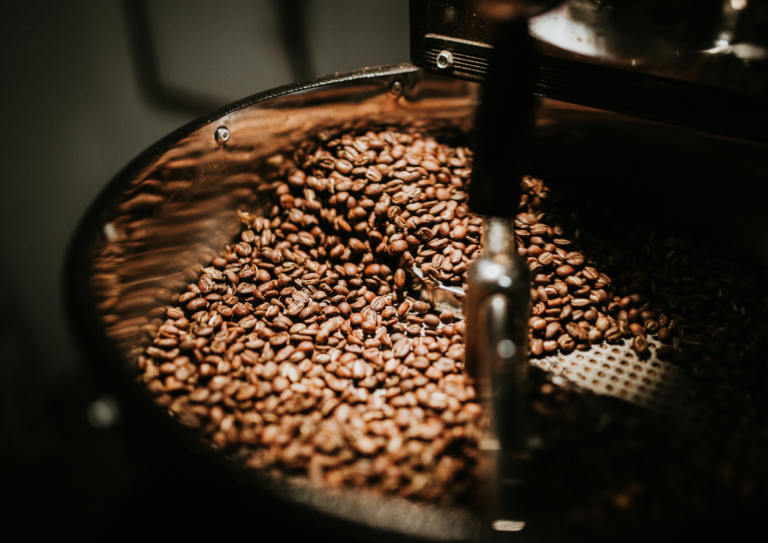
Roasting generally turns beans from lighter to darker brown, but brewed color also depends on the coffee-to-water ratio, grind size, and equipment. Beans roasted to different levels may yield visually similar drinks when brewed with different recipes. A photograph of a drink cannot reliably reveal whether its beans were medium- or dark-roasted. For the roast level, check the product information.
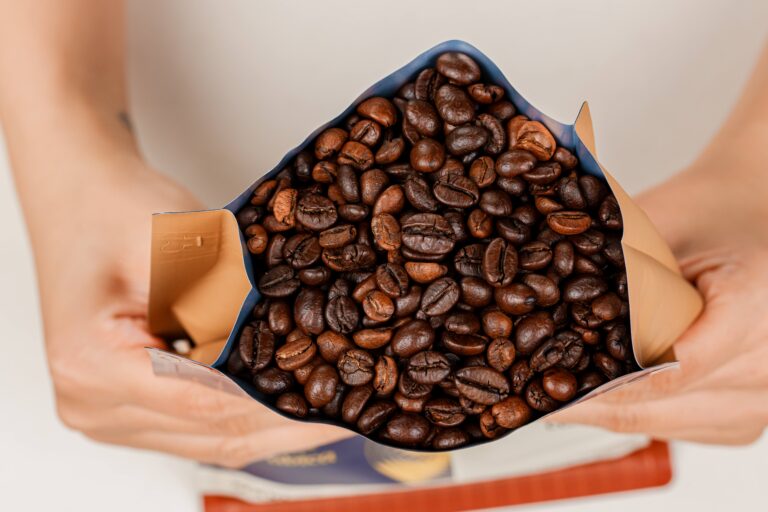
Very dark or oily-looking beans can make beginners expect exceptionally strong coffee. But bean color alone does not prove quality; surface appearance also changes with roast level and time since roasting. Medium-roasted coffee can still produce a concentrated drink with the right ratio. When buying beans, your preferred flavor and brewing method usually matter more than a picture of an almost black cup.
You also cannot distinguish Robusta, Arabica, and blends from the liquid's color alone. A naturally bold coffee can be brewed lighter, and medium-roasted coffee can make a very dark concentrate when the dose is high. To choose something that suits your taste, read the ingredients and flavor description on the bag, then brew and taste it using a familiar method. Color is one observation, not a replacement for aroma, taste, and aftertaste.
6. Milk and Ice Change Coffee Color in Perfectly Ordinary Ways
Adding condensed milk turns dark phin concentrate a lighter brown; a milk-rich bạc xỉu often looks paler than strong Vietnamese iced milk coffee. Yet looking at the two cups cannot tell you exactly how much coffee went into either. The proportions of milk, concentrate, and ice all affect the final color. If you want to assess coffee intensity, the original dose and actual flavor tell you more.
Freshly brewed iced black coffee concentrate is usually darker than the drink after the ice melts. Someone who sips slowly may prepare a stronger base so it does not become too weak over time; someone who wants a mild drink from the start may choose another ratio. Both cups can be appropriate for their drinkers even if the colors differ. There is no need to force every brewing method to produce the same shade.
Of course, color changes accompanied by strange odors, mold, unusual surface films, or signs that milk has spoiled are another matter. In that case, the fact that coffee normally comes in many shades of brown is no excuse to ignore food safety. A drink that becomes paler when milk is added is entirely different from one showing signs of spoilage. Color alone cannot deliver a verdict, but unusual warning signs should always be taken seriously.
7. Taste the Coffee Before Deciding Which Color You Prefer
An almost black cup can look appealing to someone who enjoys strong coffee. But sometimes a lighter brown one has a more pleasant aroma and aftertaste. That does not mean anyone must give up strong phin concentrate; it simply shows that quality involves more than appearance. A satisfying cup has the strength and flavor you want, not necessarily the darkest possible liquid.
Color can offer a rough impression of strength, but it should not be treated as proof of purity, caffeine content, or absolute quality. Tasting the coffee after it has cooled slightly makes its aroma, acidity, bitterness, and aftertaste easier to notice. If a very dark cup tastes unpleasant, adjusting the ratio or trying another bean is more useful than insisting the drink remain nearly black.