Bright Acidity and Floral, Fruity Aromas: Tasting LOPHA Ground Arabica
LOPHA ground Arabica is convenient to brew straight away without losing its defining clear acidity and floral, fruity aromas. Sipping it black reveals a different style from bold Robusta.
Not everyone who loves Arabica wants to use a grinder every morning. With LOPHA ground Arabica, pronounced acidity and floral, fruity aromas become part of a simpler daily brewing routine.
1. Begin with the Aroma of Dry Coffee Grounds
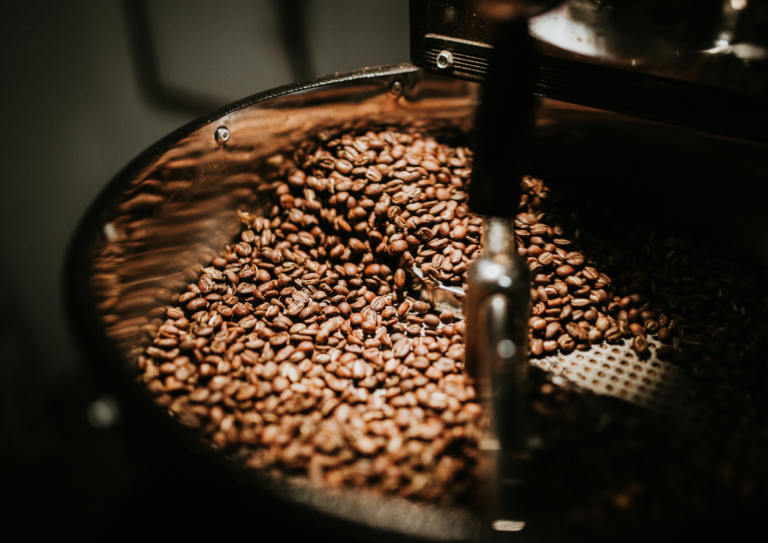
With ground Arabica, the opening moment is not the sound of beans in a grinder but the scent that rises when you open the bag. Measure the grounds for one brew, set the phin or filter on the counter, and the journey to the first sip is already shorter. That convenience does not alter the defining flavor character of LOPHA Arabica: clear acidity, floral and fruity notes, and gentle bitterness. Before adding water, bring the grounds closer and notice their dry aroma; once the coffee is ready, smell the cup again. The two impressions are rarely identical because heat and water change how aromatic compounds spread. There is no need to memorize individual flavor notes. Simply knowing that you prefer lighter, brighter aromas to deeper, bolder ones gives you a starting point for choosing ground Arabica as part of everyday life.
2. A First Sip with Clearly Noticeable Acidity
LOPHA ground Arabica does not aim to be a very bitter coffee. In a black cup, its clear acidity takes center stage, with bitterness playing a gentler supporting role. People accustomed to Robusta may be surprised by the first sip; those who enjoy brighter flavors may recognize exactly what they were looking for. Try the coffee as it is before adding sugar or milk, then ask yourself whether that acidity makes the cup lively or a little too sharp for your palate. The answer varies from person to person and also depends on how the coffee is brewed. Clear acidity does not mean the cup should be unpleasantly sour. If a brew feels sharp and thin, check the balance of extraction before deciding that Arabica simply is not for you. Yet there is no need to erase the acidity either: preserving the beans’ personality is part of the discovery.
For someone who normally begins the day with a strongly bitter phin coffee, ground Arabica’s noticeable acidity can be a small surprise. The cup looks familiar, yet what stands out on the tongue moves in a different direction. Sometimes that change makes the drinker pause before the next sip, and that pause is valuable. Arabica need not imitate a traditional bold style to be loved. It offers another option for those who want a brighter-feeling cup. Once acidity is accepted as a characteristic rather than a flaw, there is more room to appreciate the accompanying aroma and softer bitterness.
3. How Does Arabica Brewed in a Phin Differ from the Traditional Style?
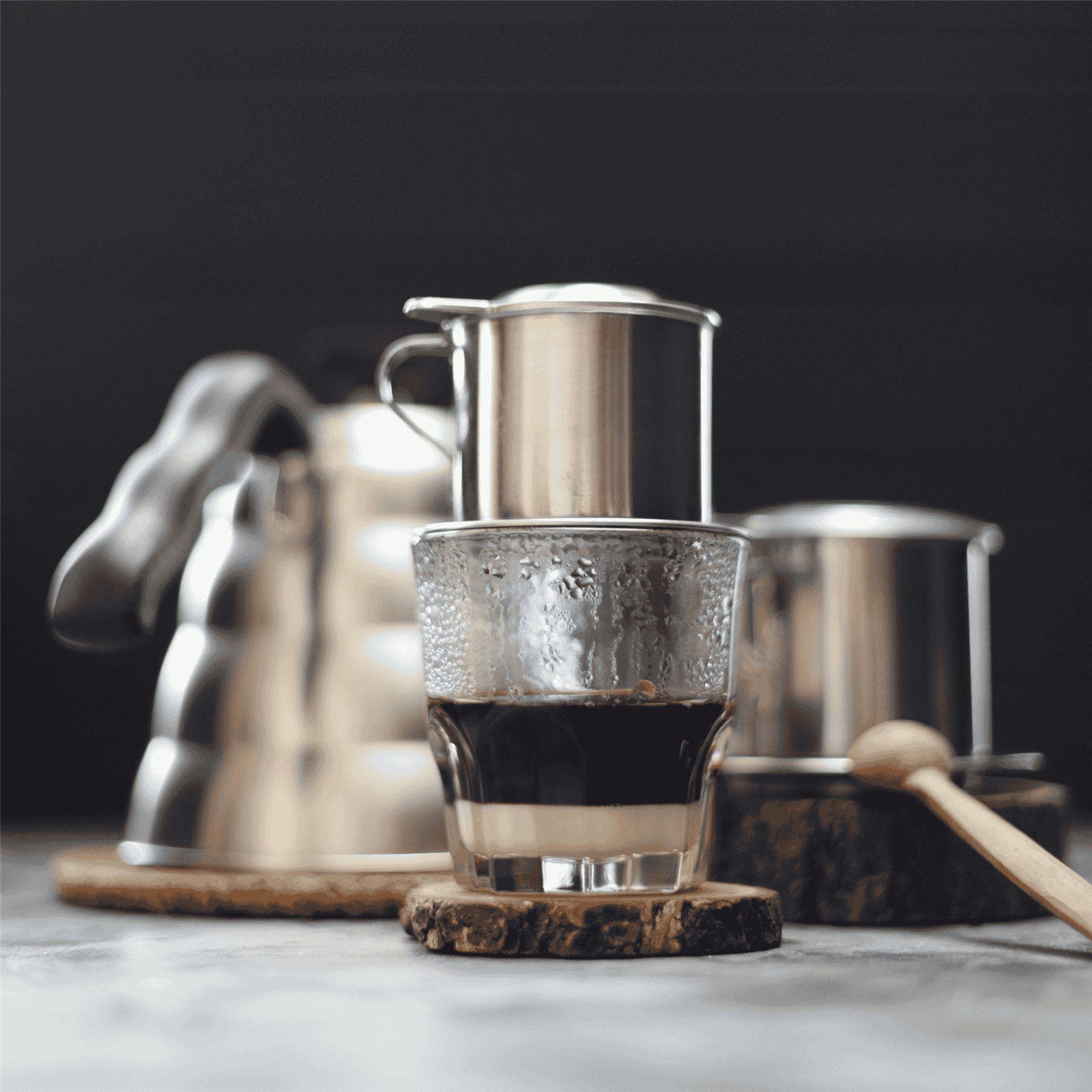
The phin is closely tied to Vietnamese coffee, but the brewing device does not dictate that the beans must taste intensely bitter. With ground Arabica at a suitable grind size, a familiar phin can still produce a cup with noticeable acidity, delicate aroma and a lighter feel than bold Robusta. That contrast is the interesting part: you still measure the grounds, pour the water and wait for the drip, but the first sip tells a different story. If you once believed phin coffee had to be very bitter to taste “right,” Arabica may broaden that idea. Do not push the extraction too hard just to make Arabica resemble your usual coffee. Brew consistently, try it black first, and notice how your palate responds. That gives the coffee’s natural character a fairer chance.
A phin sitting on the table evokes a distinctly Vietnamese feeling: waiting for the coffee to drip, holding a warm glass and taking a few minutes for the morning. But what is in the cup need not follow only one flavor path. With ground Arabica, the familiar equipment meets bright acidity and floral, fruity aromas, creating an intriguing contrast. Some people will recognize that this is not the phin coffee they grew up drinking. Others may love how the same familiar filter opens the door to a new style. That experience brings ground Arabica closer to everyday life than a list of brewing specifications ever could.
4. Drip Coffee and Room for Aroma
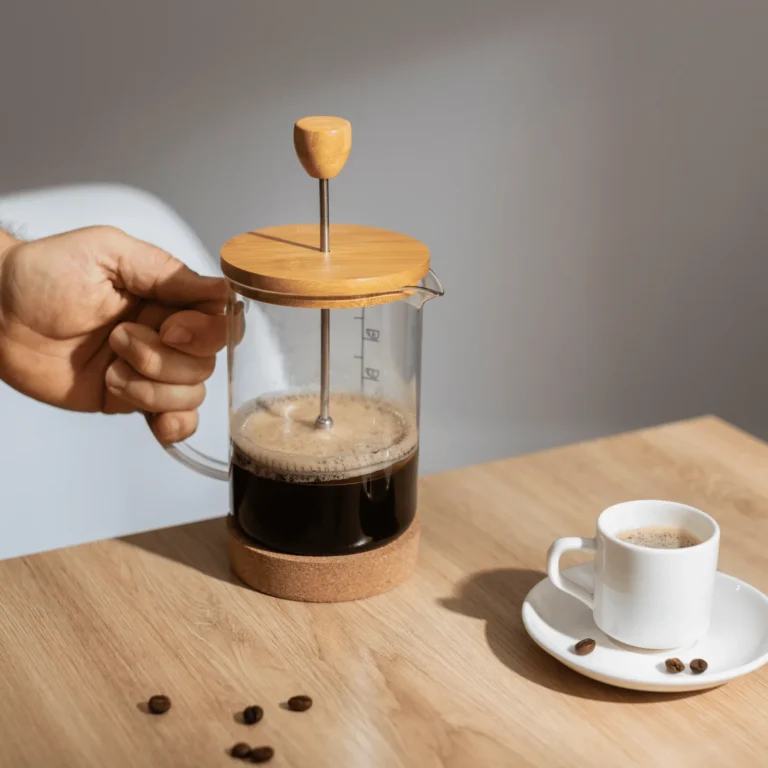
Used with paper filters, ground Arabica offers a different experience from a Vietnamese phin. Coffee passes through the filter, the cup may appear lighter in color depending on the recipe, and aroma often draws attention even before taste. Drip brewing does not automatically make Arabica “more premium” or turn every batch of grounds into the same cup. It simply changes extraction conditions and offers another way to experience floral, fruity aromas and clear acidity. The key is to buy coffee ground appropriately for your equipment: a grind intended for espresso is not automatically suited to drip brewing. As you drink, allow the coffee to cool slightly, sip slowly and notice whether the acidity works together with the aroma. Your favorite brewing method ultimately depends on your habits and taste.
If the phin often evokes a slow pace and a weightier flavor foundation, a drip cup can feel more open and airy, especially for someone who wants to focus on aroma first. No brewing method has an exclusive claim on Arabica’s best qualities; the difference lies in how you experience the cup. With ground coffee, there is no need to grind the beans, so you can give your attention to the coffee passing into the server and the aroma rising with it. The memorable part may not be one specific taste at all, but the feeling of a light cup enjoyed in a quiet moment.
5. Hot and Warm: Two Sides of the Same Cup
A cup of freshly brewed ground Arabica and that same cup a few minutes later may leave different impressions. When hot, aromas rise more readily with the steam; as the coffee cools, acidity and gentle bitterness may be perceived differently. This is a shift in our sensory experience, not the beans suddenly acquiring new ingredients. Letting the cup sit briefly and tasting it again while warm can help newcomers approach Arabica’s acidity more calmly. Some prefer that first hot sip, while others notice more detail once the coffee has cooled. There is no fixed script for the experience, because brewing and personal taste both matter. The pleasure is that you get to decide when the coffee shows its best side to you.
A hot cup of Arabica can initially draw the drinker toward aroma: the steam, the warm cup in the hand, and that first impression as it approaches the nose. A few minutes later, attention may shift toward the palate, where acidity and gentle bitterness meet. These are two views of the same cup, not two different products. Someone new to Arabica may remember only the acidity of the first sip, but a little patience can make the whole experience more approachable. What matters is recognizing how you enjoy your coffee, rather than making every sensation conform to a predetermined tasting description.
6. Taste It Unsweetened Before Adding Anything
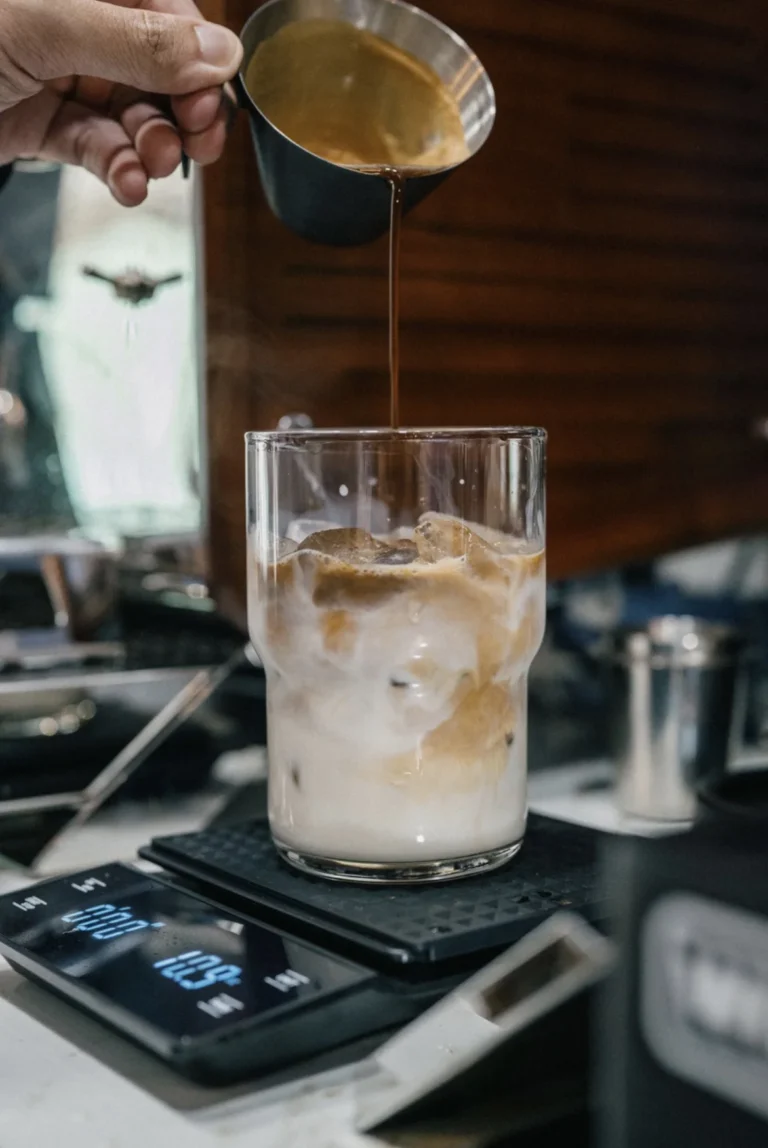
Ground Arabica can be served with sugar, milk or ice according to personal preference. But if you want to understand its original flavor, take the first sip without adding anything. Its clear acidity and softer bitterness are then easier to distinguish. Sugar can soften the perception of acidity within the overall taste; milk adds creaminess and another layer of sensation; ice cools the drink and gradually dilutes it as it melts. None of these choices is automatically right or wrong. The question is how much of Arabica’s own character you want to experience on a given occasion. Some mornings, a warm black coffee is enough; on other days, iced coffee may feel more suitable. However you drink it, Arabica’s character remains the point of reference that distinguishes it from bolder coffees.
Taking one sip before adding anything is not about proving that someone drinks coffee the “right way.” It simply lets you hear what the product has to say before layering on other tastes. Ground Arabica’s clear acidity may tempt someone with a sweet tooth to reach for milk or sugar immediately. Give yourself a few seconds to become familiar with that taste, and it may become easier to decide what you actually want to change. A little sweetness might make it gentler, or perhaps the black cup is already appealing. What matters is the freedom to choose: enjoy coffee your own way, while still recognizing the original Arabica flavor beneath it.
7. Everyday Convenience for Those Who Love Bright Coffee
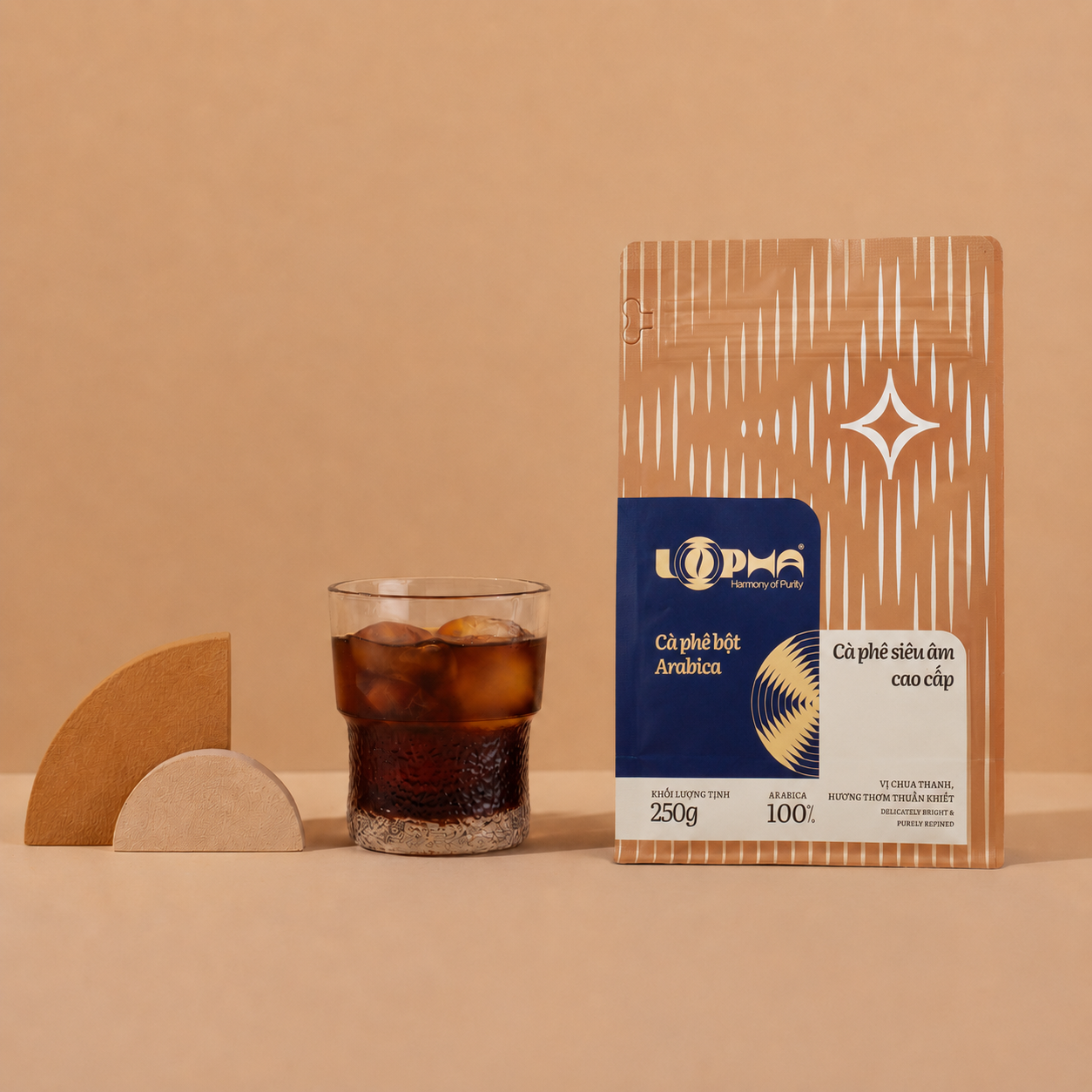
Ground Arabica is for people who want to enjoy its flavor without needing a grinder in the kitchen. Choose a grind size that suits your equipment when buying it, and you can make phin or drip coffee within your everyday routine. Although both whole-bean and ground versions share Arabica’s defining characteristics, freshness after grinding and storage conditions can change the way aromas are perceived. Convenience therefore comes with a few good habits: reseal the bag, take out only what you need, and keep the coffee away from sunlight, moisture and strong odors. If you enjoy clear acidity but want quicker preparation, LOPHA ground Arabica is worth considering. The pleasure is not in adding another complicated step, but in bringing a distinctive flavor style into ordinary moments.
A bag of ground Arabica can bring pronounced acidity into a familiar brewing routine without much equipment. All it asks is a little attention to the aroma and each small sip.