What Is Coffee Aftertaste? Why Does Flavor Linger After a Sip?
Aftertaste is what remains after you swallow coffee. Discover why a finish can be long, short, bold or light—and how to recognize the ending of each cup.
Some coffees make a powerful impression with the first sip, yet only seconds later it can be hard to recall exactly what we tasted. Another cup may begin gently and leave a finish that makes us slow down. The aromas and tastes we continue to perceive after swallowing are commonly called the aftertaste. Understanding it helps us distinguish immediate intensity from the depth of the drinking experience without turning coffee tasting into a complicated examination.
1. When Does Aftertaste Begin?
As coffee enters the mouth, we notice acidity, bitterness, suggestive aromas and a sense of fullness or lightness together. Once we swallow, the liquid leaves the mouth, but the impression does not necessarily vanish. Certain taste sensations linger, and aromatic molecules can continue to be perceived through the passage behind the mouth into the nose. This is the interval coffee drinkers generally mean by “aftertaste.”
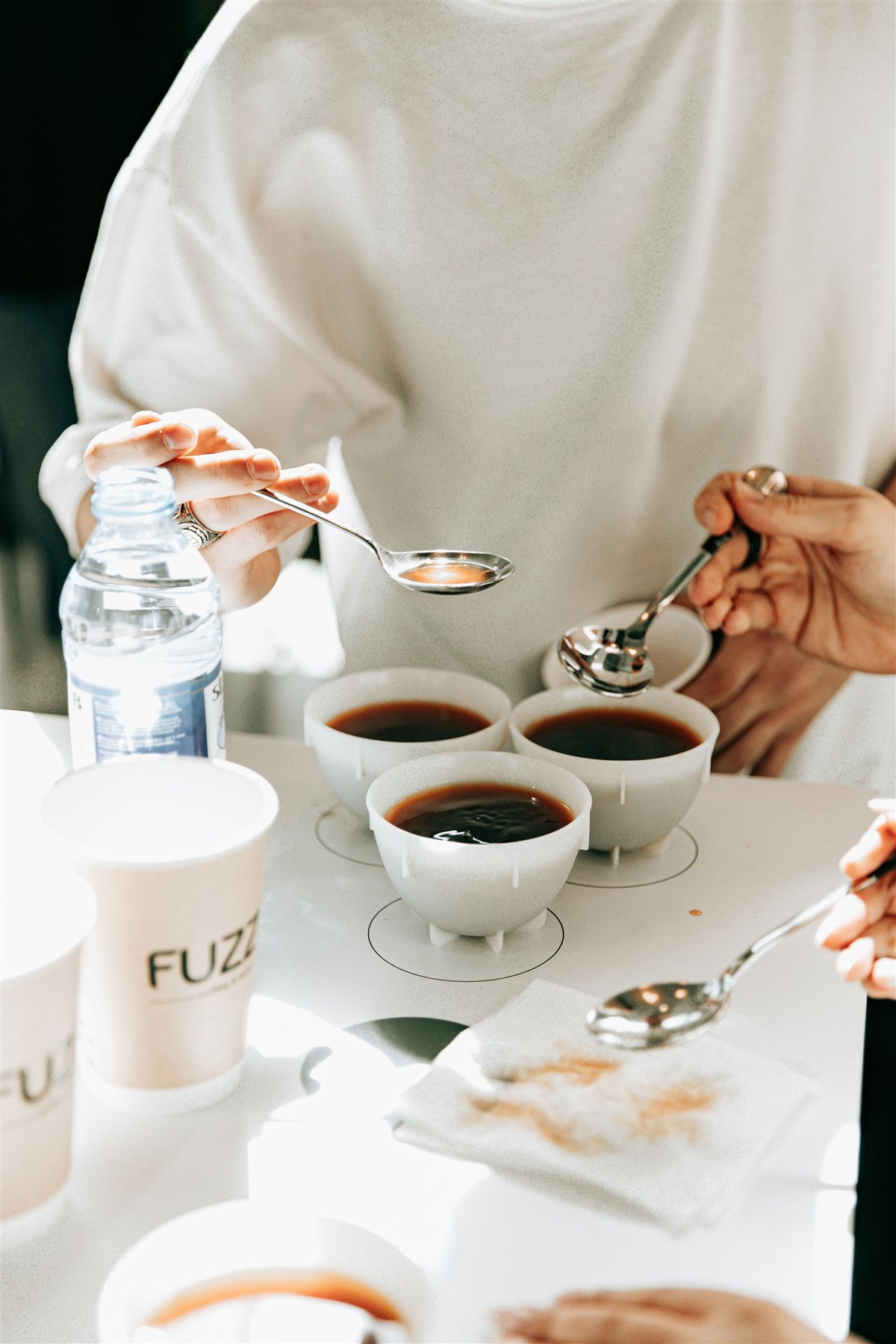
An aftertaste is therefore more than “the last flavor on the tongue.” It may include remembered aromas, persistent bitterness, fading acidity or a dry sensation in the mouth. These elements do not disappear at the same speed, and drinkers focus on them differently. One person remembers bitterness for a long time; another remembers deeper aromas or a light feeling after the sip. Aftertaste extends the story of the coffee even once the cup has been set down.
2. Does a Longer Aftertaste Mean Better Coffee?
No. Length tells us only that a sensation persists for some time; it says nothing about whether the sensation is enjoyable. A clearly bitter finish may appeal to a Robusta lover but feel too heavy to someone who prefers a lighter style. A short, clean finish may be just right for an Arabica with floral and fruity aromas. Sensory quality also depends on how the first impression, the middle of the sip and the finish fit together.
People new to coffee tasting sometimes assume that a longer aftertaste means a more “premium” coffee. That ignores the diversity of tastes. Poorly balanced brewing can leave harsh bitterness or a drying astringency for a long time, but that does not make the finish desirable. Conversely, a light but distinct finish that connects naturally to the initial aroma may make someone want another sip. Rather than counting the exact seconds, ask what remains after swallowing—and whether you enjoy it.
3. What Makes Flavors Linger?
Coffee beans contain many taste- and aroma-producing compounds, each with different sensory characteristics. Some bitter compounds can leave a longer impression than other tastes; aromatic substances also differ in volatility and detection thresholds. Coffee concentration, beverage texture and mouth-coating sensations further influence what we notice after swallowing. It would therefore be misleading to point to a single substance and call it the “aftertaste molecule” of every coffee.
Roasting changes many compounds and can influence both the initial taste and the finish. Brewing then determines how much soluble material enters the cup. In very concentrated coffee, bitterness may overwhelm other sensations and linger; a diluted brew may have a less distinct finish. Yet concentration is not the only factor. Aromas and the interaction of tastes can make a less intense cup memorable. That is why aftertaste should be considered as part of the whole, not judged from one hurried sip.
4. Does Aroma Contribute to Aftertaste?
Yes. While drinking, some aroma compounds are detected retronasally, through the route from the mouth to the nose. As a result, even after swallowing, a drinker may still perceive echoes of roasted, nutty, floral or fruity aromas. This helps explain why two coffees with similar bitterness can leave very different memories. One may be remembered for deep aromas, while another leaves bright aromatic nuances and a lighter finish.

Still, a memory of a smell is not the same as a compound remaining at a fixed concentration and continuing to be detected. Aroma perception is influenced by temperature, drinking habits and attention. One person sets down the cup and remembers flowers; another notices only the bitterness. No one must identify the same exact note. When describing a product’s aftertaste, language that is easy to picture but not exaggerated is more useful than a long catalogue of aromas that many customers may never perceive.
5. How Do Robusta, Arabica and Blend Differ in Their Finish?
LOPHA’s flavor descriptions characterize 100% Robusta through pronounced bitterness, woody aromas and a lingering aftertaste. When tasting black Robusta, the drinker may notice the bitterness that remains after swallowing alongside its deeper aromatic notes. LOPHA 100% Arabica, by contrast, emphasizes clear acidity, floral and fruity aromas, softer bitterness and a lighter finish. These differences describe the focus of each experience, not evidence that one line is more premium than another.
The 80% Robusta–20% Arabica Blend is intended to offer a bold base, mild acidity and a harmonious finish. That does not mean its aftertaste can be calculated by adding “80% Robusta plus 20% Arabica.” The ingredients form a mixture, while roasting and brewing change which elements stand out. A fan of pure Robusta may notice a different transition at the end of a Blend; someone accustomed to the clear acidity of Arabica may find the Blend more strongly weighted toward boldness. These are tasting directions, not measured claims about the duration of the finish in each bag.
6. Why Does Brewing Change the Aftertaste of the Same Beans?
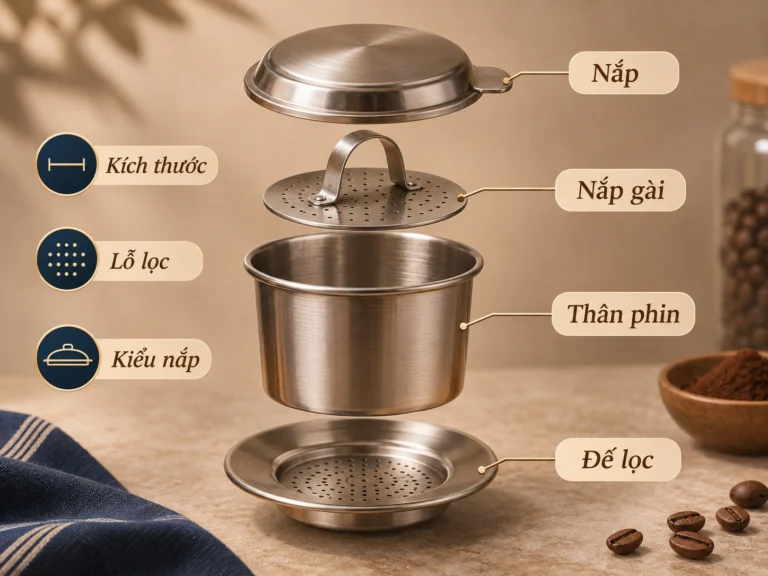
Imagine brewing the same beans using two recipes: a short, concentrated espresso and a larger drip coffee. Their different strength and extraction may make the aftertaste feel different. With a phin, grind size, water volume and flow rate also play a part. When water moves through the grounds too slowly or too quickly for a particular recipe, balance can shift, affecting what remains after drinking.
But greater extraction does not automatically create a longer or better finish. An overly heavy cup may leave dryness; a poorly balanced one may make acidity or bitterness stand out in isolation. To compare, use the same beans and control a few major variables. Taste when the drink is comfortably warm and pause for a few seconds after each sip. If the result is disappointing, adjust one factor before changing the whole method. The dedicated article on extraction and flavor explores how water draws substances from coffee grounds.
7. What Happens to Aftertaste When You Add Sugar, Milk or Ice?
Adding sugar changes how sweetness, bitterness and acidity interact. Milk contributes richness and texture, creating a different ending in which the aftertaste of the black coffee base is no longer perceived on its own. This is particularly noticeable in milk coffee: some people enjoy a sweet, creamy finish, while others still want an unmistakable coffee character behind it. Both are valid preferences.
Ice brings two additional changes: lower temperature and melting water that gradually dilutes the coffee base. Aromas may rise less readily while strength changes as you drink. If you want to assess a coffee’s original aftertaste, begin with a black cup; once you understand that foundation, add milk or ice to suit your taste. A customized drink is not “wrong”—simply remember that you are evaluating the whole beverage, not the beans in isolation.
8. A Very Simple Way to Notice Coffee Aftertaste
Brew a cup of black coffee using a familiar recipe, let it cool to a comfortable drinking temperature and take a moderate sip. Notice the main taste in the first few seconds. After swallowing, resist the urge to drink water or take another sip immediately. Pay attention to what remains in your mouth and which aromas you still recall. You do not need a stopwatch or a professional tasting vocabulary. The goal is to notice the finish, not just the first impression.
Aftertaste gives coffee its own sense of duration. One cup can begin with clear acidity and finish gently; another can begin with pronounced bitterness and leave a longer impression. Understanding the aftertaste as a combination of sensations that remain after swallowing gives more substance to the familiar statement, “This coffee suits my taste.” That is the practical value of learning about aftertaste: enjoying the entire experience without making each sip unnecessarily complicated.