What Is Orange Coffee? How to Make Espresso with Fresh Orange Juice Without Excessive Sourness
Orange coffee is a chilled drink combining fresh orange juice with espresso or a small serving of strong coffee, bringing bright fruit notes to a coffee base. For a balanced cup, start with a pleasantly sweet orange and well-extracted coffee, then adjust the ice before adding sugar.
1. What Does Orange Coffee Taste Like, and Why Do People Try It?
Orange coffee may sound unusual if you normally drink black phin coffee or Vietnamese iced milk coffee, but the concept is straightforward: concentrated coffee is combined with fresh orange juice and ice. You notice the orange aroma first, followed by the coffee. Depending on the beans and the orange’s sweetness, the glass may taste bright, gently tart, or slightly bitter at the end. It appeals to people looking for a cold, fruit-forward drink that still tastes of coffee in every sip.
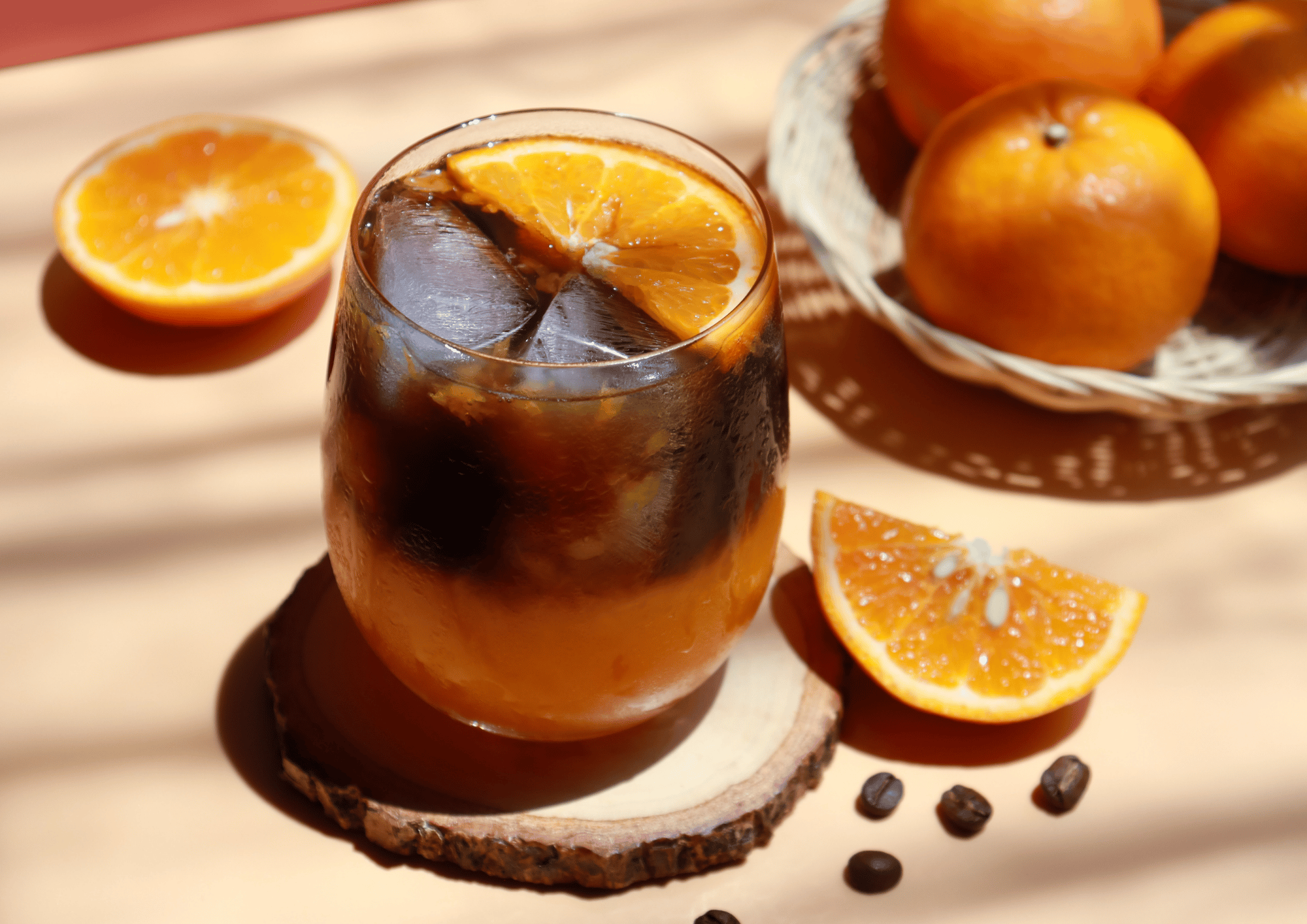
Unlike orange Espresso Tonic, basic orange coffee does not require tonic water and has neither quinine’s bitterness nor the characteristic bubbles. Orange juice forms the base instead of a carbonated mixer, making the fruit and the quantity of juice especially important. If the orange is very sour and the espresso is also sharply acidic from unsuitable extraction, those flavors can compound and make the drink unpleasant. An excessively sweet orange, conversely, may hide the coffee.
Beginners can try a short ingredient list: espresso, freshly squeezed orange juice, ice, and a little sugar only if needed. Leave out milk and cream to start. Keeping it simple shows whether you actually like this combination before you add too many other flavors. A pleasant orange coffee should be cooling, fragrant with orange, and finished by a noticeable coffee aftertaste, rather than tasting like orange juice colored brown.
2. Ingredients for One Glass of Orange Coffee at Home
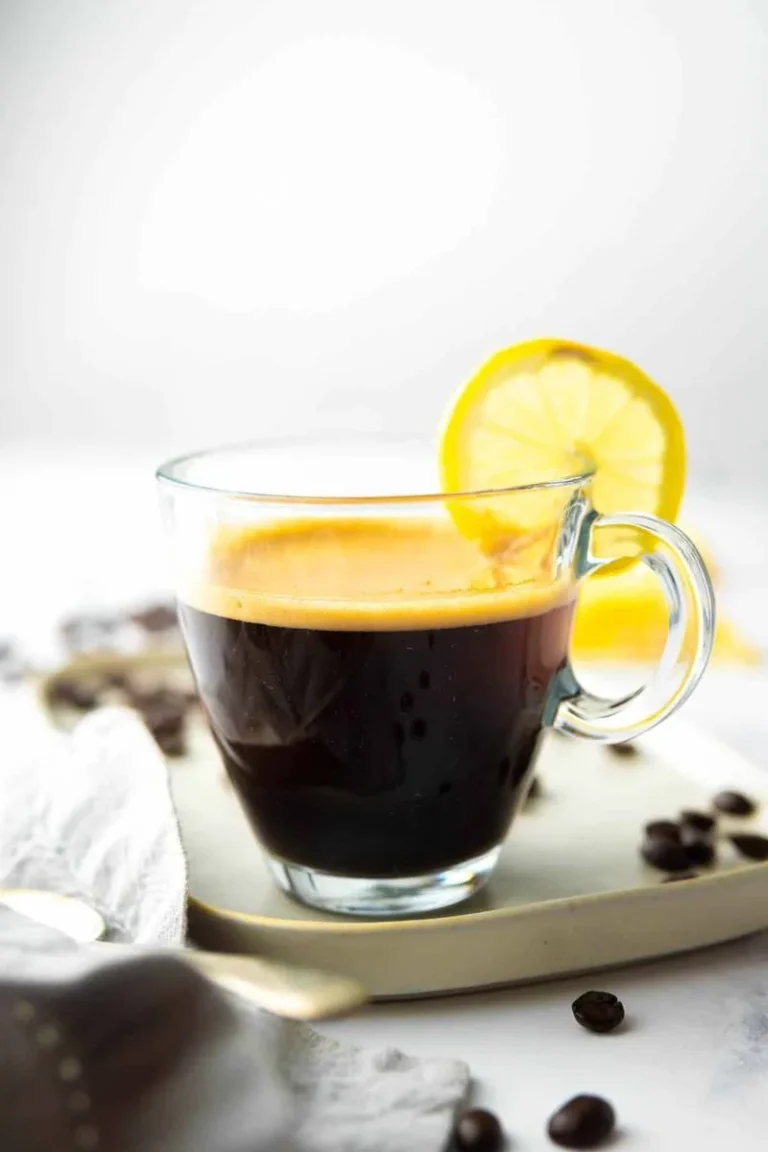
For a glass of roughly 300 ml, prepare 35–40 ml of espresso, 80–100 ml of freshly squeezed orange juice, about 100–140 g of ice cubes, and 5–10 ml of sugar syrup if you want extra sweetness. A thin orange slice on the rim can identify the key ingredient. Without an espresso machine, use 40–50 ml of strong phin or moka-pot coffee, then reduce the juice a little if the coffee base tastes less concentrated.
Choose oranges with a pleasant sweetness and little harsh bitterness. After squeezing, taste a spoonful of juice on its own: a sharply sour orange needs different adjustments from a very sweet one. Fine pulp is acceptable, but you can strain some out if you want a clearer drink with more visible color layers. Avoid squeezing the peel too hard, as peel oils and the white pith can add unwanted bitterness.
Brew the coffee using a recipe that already gives you a consistent taste. A fragrant, balanced espresso mixes more easily with orange than a thin, sour shot or one with dry bitterness. Ice cools the drink and softens the way the two flavors meet, but adds water as it melts. A weak glass may therefore be caused by the ice or coffee base, not necessarily the orange. Measure the main ingredients on your first attempt so you have a reference point for adjustments.
3. How to Make Orange Coffee Step by Step, Without Complicated Syrups
First, wash and halve an orange, squeeze about 90 ml of juice, and taste it to gauge sweetness and acidity. Pour the juice into a clean glass and add ice cubes. If the freshly squeezed juice is at room temperature, the ice will cool it; chilling the juice beforehand gives a colder, less diluted drink. Leave space near the rim for the espresso you will add later.
Next, brew 35–40 ml of espresso. Let it cool slightly if necessary, then pour slowly over the ice or down the glass wall. Depending on density and pouring technique, brown streaks may sit near the top for a few seconds before dispersing into the orange juice. You can watch the layers as you pour if you want a photo; when drinking, stir gently so the first sip is not only coffee and the last only orange juice.
Taste the mixed drink. If it is sharply sour, first work out whether the acidity comes from the orange or the coffee by tasting what remains of each separately. A little sugar syrup can soften the flavor but will not turn a poorly extracted shot into a good one. If the coffee is too faint, try increasing the concentrate from 35 ml to around 45 ml next time. Changing one ingredient at a time helps you find a suitable ratio more quickly.
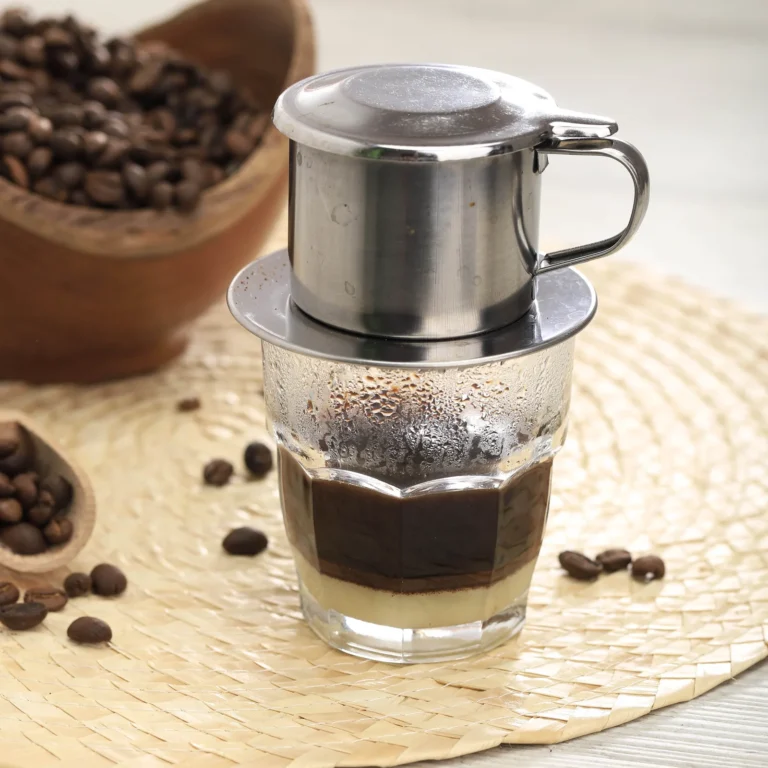
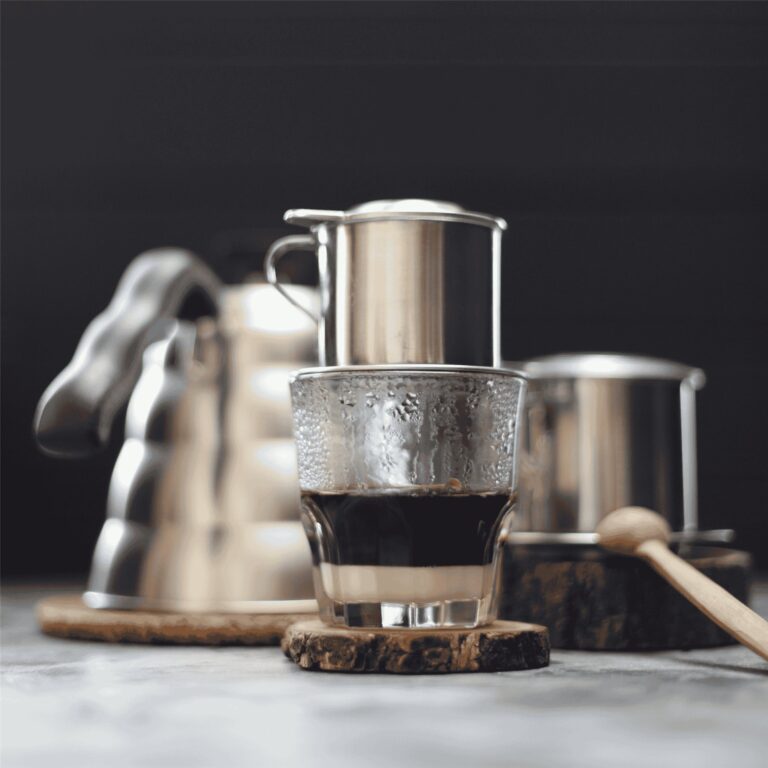
For a phin version, brew with enough ground coffee to achieve a distinct flavor and use the concentrate while its aroma is still clear. Let it cool a little before pouring over orange and ice so the ice does not melt too quickly. Phin coffee may look dark without tasting as concentrated as espresso, so trust your palate rather than color alone. Calling it “orange coffee made with a phin” also lets guests know what they are actually drinking.
4. Why Choosing the Right Orange Matters More Than Fancy Garnishes
Sweet and sour oranges can taste very different despite looking similarly orange. Very acidic fruit may tempt you to add too much sugar, while very sweet fruit can leave the drink lacking the bright character you wanted. While learning the recipe, choose a variety you buy regularly and use a similar juice quantity for the first two or three attempts. That way, changes to the coffee are easier to assess rather than being obscured by using a different kind of orange each time.
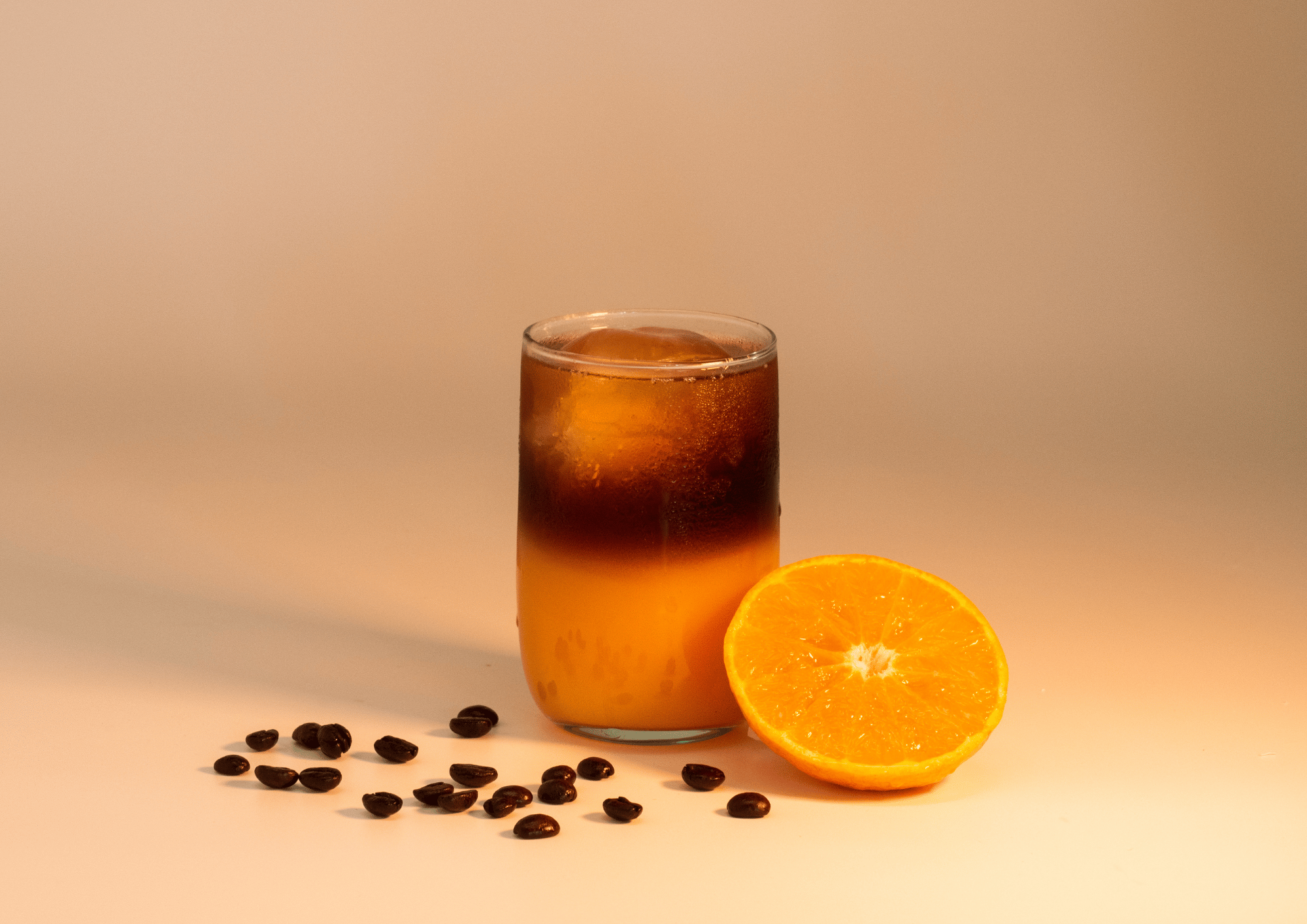
Freshly squeezed orange juice left standing for a long time can change in aroma, color, or freshness. It is best prepared close to serving, with clean juicing equipment. If serving a group, you can squeeze, strain, and chill the juice in advance under appropriate food-storage conditions, then pull the espresso and combine the drinks when needed. Fresh orange fragrance is one of the most noticeable elements, so maintaining ingredient quality matters more than arranging elaborate orange slices on the rim.
If using bottled orange juice, check the ingredients and declared sweetness. Some products are pure juice; others contain added sugar or flavorings, which require different recipe adjustments. A suitable packaged product can still make a good drink, but it should not be described as freshly squeezed orange juice if it is not. Taste it before adding more syrup.
5. Is Arabica or Robusta Better for Orange Coffee?
Arabica is often prized for its aromatic nuances and natural acidity, which can complement orange. But pleasant natural acidity is different from the sharp sourness of a poorly extracted shot. If the espresso already tastes thin, lacks sweetness, and has a harsh edge, sour orange will accentuate it. With Arabica, choose a sweeter orange or slightly reduce the juice so the coffee’s aroma can come through.
Robusta has a bold flavor base and a lingering finish, making it attractive to those who want to taste coffee even alongside fruit. But overly bitter or strongly roasted Robusta espresso may combine with orange-peel notes to make the glass heavy. Blend 80/20 is also worth testing. If you are unsure, the flavor characteristics of Arabica, Robusta, and Blend can help you imagine the direction before choosing beans for a fruit-based coffee drink.
A useful experiment is to prepare two reasonably consistent espresso portions and mix them with the same variety and quantity of orange juice and ice. You can then compare which aftertaste you prefer without the distraction of one glass containing sweet orange and the other sour orange. This is a better way to choose for your own palate than insisting that only Arabica or only Robusta is correct for orange coffee.
6. How to Fix Orange Coffee That Is Too Sour, Bitter, or Watery
Excessive sourness often comes from two sources: acidic orange juice and a coffee base that is also highly acidic or unevenly extracted. Taste each separately, then adjust the ingredient making the glass difficult to enjoy. If the orange is too sour, choose a sweeter fruit or reduce the juice from 100 ml to 80 ml. If the espresso tastes thin and sharply sour, check the grind and espresso yield. Add sugar as a final step only if you actually want a sweeter drink.
Noticeable bitterness can come from the coffee itself or from too much peel oil and white pith entering the juice. For the coffee, correct the recipe before increasing the amount of orange juice. For the orange, squeeze gently and strain out coarse pulp if needed. If you used orange peel as a garnish, avoid leaving the white pith immersed for too long. These small changes are usually more effective than pouring lots of milk into a drink intended to feature fruit.
If the drink is watery, consider the ice and liquid ratio. Room-temperature orange juice and hot espresso poured over crushed ice will melt it quickly. Chilling the juice first, using solid cubes, and slightly reducing the juice are easy options. Brew stronger coffee only if the espresso itself is not distinctive enough. Taste immediately after preparation when assessing the recipe; a glass left in the sun or on a table for a long time will behave very differently.
7. Can You Add Tonic, Soda, or Milk to Orange Coffee?
Adding tonic moves the drink toward orange Espresso Tonic, with carbonation and herbal bitterness. Reduce the orange juice accordingly so tonic has a clear role. Adding soda water creates a different, more gently flavored sparkling orange coffee, often requiring you to adjust sweetness yourself. Both can be appealing, but drinks with different core ingredients should not automatically be given the same name, especially when explaining them to beginners.
Milk is not the first ingredient to reach for in orange coffee. The acidity in some orange juices can cause milk proteins to curdle, making small particles or unattractive separation appear. This does not mean every milk-and-orange combination is unsuitable, but a milk-free orange coffee is easier for a beginner to control. If you want creaminess, try a separate milk coffee rather than immediately mixing all three ingredients.
For more aroma, a few clean mint leaves or a small piece of orange peel are enough. Garnishes should support the main ingredients, not take over the glass. Orange coffee is appealing because fresh fruit meets roasted coffee aromas, so restrained decoration helps you focus on the actual taste, especially when making a quick drink at home after lunch or in hot weather.
8. Frequently Asked Questions About Making Orange Coffee
Can you use instant coffee? You can make a variation with strong instant coffee, but it will taste different from espresso or phin concentrate. Prepare a small amount according to the product instructions, let it cool slightly, and combine it with orange juice. Do not assume the liquid’s brown color proves the coffee is concentrated or balanced.
Does colder always mean better orange coffee? A cool serving temperature generally suits the drink, but too much ice can dilute its flavor. Chilling the juice first reduces the need for crushed ice. If you prefer to sip slowly, use a smaller glass so the drink does not sit on the table for too long.
Can you use honey instead of sugar? Yes, if you enjoy honey’s distinctive flavor, though it still adds sweetness. Stir a small amount into the warm coffee before adding it to the cold orange juice so the honey does not settle at the bottom. If you do not want another flavor, start with naturally sweet orange juice and balanced espresso.
A pleasant glass of orange coffee rarely needs many ingredients. Once you have tasted the orange juice and espresso individually, you can combine them in a measured ratio and adjust each point that does not quite work. Fresh orange character and coffee aroma should appear together rather than masking each other. That is what makes the drink worth trying when you want a change from your familiar iced milk coffee.