What Is Espresso Romano? How to Make and Enjoy Espresso with Lemon
Espresso Romano is a way of enjoying espresso with a slice of lemon or a little lemon peel, sometimes with a touch of sugar. The aromatic oils in the peel can brighten the coffee’s aroma, while adding lemon juice changes its acidity much more noticeably.
1. What Is Espresso Romano, and Why Is Lemon Served with Coffee?
Espresso Romano is a way of serving a small espresso alongside a lemon slice or a little lemon peel. Some people gently rub lemon peel around the cup’s rim; others place a slice on the side so the drinker can decide whether to add it. Aromatic oils from the peel meet hot coffee and create a different sensation from everyday espresso. Depending on how you use the lemon, acidity may increase only slightly or become quite pronounced if you squeeze in a lot of juice.

The name suggests a strong connection with Rome, Italy, but the history of Espresso Romano does not have one widely verified origin story. Coffee-culture accounts offer different explanations and associations with the name. When describing the drink, it is therefore more useful to explain exactly how it is prepared and enjoyed than to present a popular anecdote as established historical fact.
If you have never tried lemon with coffee, start with a small piece of peel to introduce fragrance without squeezing any juice. This lets you notice a citrus aroma as you sip the espresso while keeping its underlying flavor fairly close to the original. Once you know whether you enjoy that scent, try a drop or two of lemon juice to learn how much the acidity changes.
2. How Is Espresso Romano Different from Iced Lemon Coffee or Espresso Tonic?
A glass of cold lemon coffee typically combines coffee concentrate, lemon juice, sugar, and ice as a refreshing long drink. Basic Espresso Romano is much smaller, retains a distinct espresso base, and uses only the aroma or a small amount of lemon. Calling them the same thing could lead a beginner to make a full glass of lemonade with espresso and wonder why it tastes nothing like a small Romano.
Espresso Tonic, by contrast, uses carbonated tonic water with its characteristic herbal bitterness. It may be garnished with lemon, but tonic and espresso remain the main sources of flavor. Espresso Romano needs no tonic, does not contain bubbles from a soft drink, and is usually enjoyed while the espresso is warm. Both may have citrus aromas, but their ingredients, serving sizes, and drinking experiences differ.
If you enjoy black espresso and want only a slight change, Romano is a good option because you need very little lemon peel. If you want a long cold drink with plenty of ice to sip slowly, iced lemon coffee or Espresso Tonic may fit better. Choosing the experience you actually want is easier than using the same recipe for every drink whose name mentions lemon.
3. Ingredients and Recipe for One Espresso Romano
Prepare 25–35 ml of freshly extracted espresso, a thin slice of yellow lemon or a clean strip of peel, and a little sugar if you like. You will need a small espresso cup, a clean knife or zester, and a cup to catch the espresso. If you want only the aromatic peel oils, cut a very thin strip of the colored outer skin, avoiding too much white pith, which can contribute unpleasant bitterness.
Yellow lemons often have a different aroma from familiar green limes. You can use lime if that is all you have, but start with a small quantity because both aroma and acidity differ. What matters most is choosing fresh, clean fruit and washing the surface thoroughly before removing the peel. As it will sit close to the cup’s rim, prepare it as carefully as you would peel used to flavor any other food or drink.
Extract the espresso using a recipe you already know. If an excessively coarse grind causes the shot to run quickly and taste weak, a few drops of lemon will not improve it. If the shot is already aggressively bitter, peel may change its aroma but cannot erase its dry finish. A balanced shot is the foundation; lemon adds just one extra aromatic or flavor layer.
4. How to Make Espresso Romano with Lemon Peel, Step by Step
First, wash and dry the lemon, then cut a thin strip of peel a few centimeters long. Hold the oil-bearing outer surface toward the rim and bend it gently to release aroma. You may rub it very lightly around the cup’s rim. There is no need to crush the peel or let a lot of white pith touch the drink. If you want to warm the cup with hot water first, discard that water before preparing the espresso.

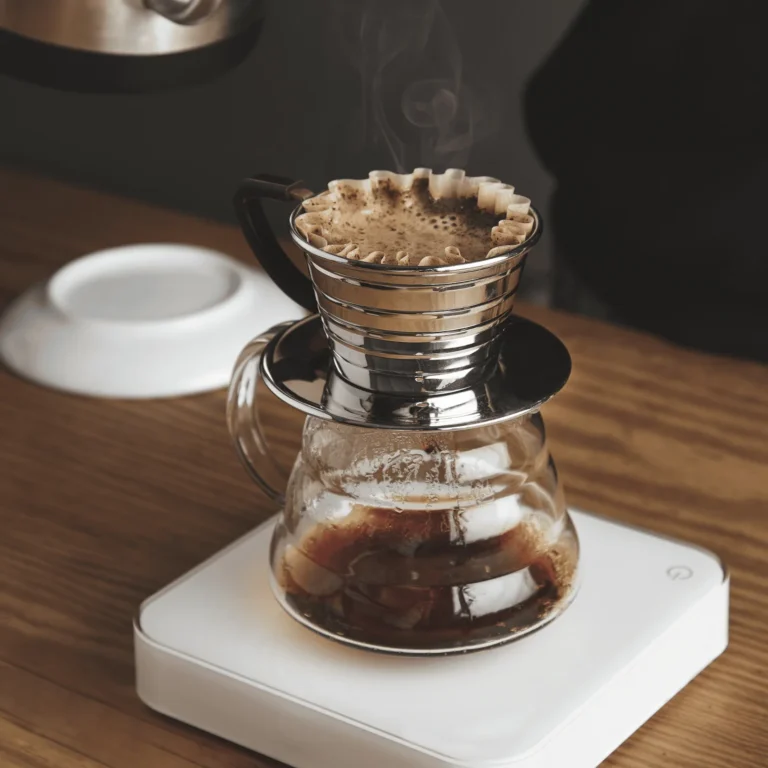
Pull about 25–35 ml of espresso into the cup. Bring the strip of lemon peel near the rim to smell its aroma, then either set it alongside the cup or leave it in briefly, according to preference. Take a small sip once the coffee is at a safe drinking temperature, noting whether the lemon scent makes the coffee aroma seem brighter. You can then taste another sip without putting the peel into the liquid to compare the effect.
If you want to try lemon juice, add just one or two drops to the small cup at first and taste. Juice changes acidity far more than peel oil; squeezing in a thick lemon slice immediately may throw the espresso off balance. Increase the amount very slightly only after finding a flavor you enjoy. Sugar can soften sourness, but remember that the goal is to enjoy a combination of coffee and lemon, not to turn espresso into sweet lemonade.
5. How Do Lemon Peel Oils and Lemon Juice Affect the Coffee Differently?
Lemon peel contains aromatic compounds that give off a recognizable citrus scent when bent or rubbed lightly. Even a small amount can make your nose notice lemon above the hot espresso. Lemon juice, meanwhile, brings a more direct sour taste to the palate. The two approaches therefore do not create the same experience. If you mainly want to change the aroma, start with peel; if you enjoy pronounced acidity, experiment with a very small amount of juice.
How you cut the peel matters. Cutting deeply into the white pith and leaving it in hot espresso can introduce additional bitterness. Lemon peel oils are powerful, so a restrained amount lets the coffee aroma remain present. If the lemon scent becomes overwhelming, remove the peel and use less next time rather than adding sugar simply to cover the smell.
Juice can also sharpen the acidity of an Arabica that is already distinctly tart. With Robusta’s more pronounced bitterness, lemon can create a strong sour-bitter contrast. There is no universal formula in which lemon definitely improves coffee. It is an experiment in flavor, and enjoyment depends on the beans, brewing method, and individual palate.
6. Should You Choose Arabica or Robusta for Espresso Romano?
Arabica often has floral or fruity aromas and noticeable acidity, which can complement a little lemon fragrance. However, if the Arabica shot is already sharply sour because extraction was unbalanced, adding juice will only emphasize it. For beginners, using lemon peel rather than juice is a way to notice the citrus aroma while altering the base flavor less. The most important starting point is still espresso that smells and tastes pleasant on its own.
Robusta may produce a bolder cup with a lingering bitter finish. Some drinkers who enjoy strong coffee will appreciate the contrast with lemon; others may find the citrus and roasted flavors clash. Blend offers yet another direction depending on its composition and roast. If you are unfamiliar with the varieties, explore the flavors of Robusta, Arabica, and Blend, then first try your familiar espresso recipe before adding lemon.
A simple home experiment is to pull two espresso shots using the same beans and settings. Drink the first plain and rub lemon peel around the rim of the second. You will notice what the aroma contributes without measuring numerous variables. If you then want to try juice, add a tiny amount to another cup. Changing one detail at a time is more informative than changing beans, grind, sugar, and lemon quantity simultaneously.
7. Mistakes That Make Espresso Romano Too Sour or Unusually Bitter
A common mistake is squeezing too much lemon into an espresso that holds only around 30 ml. What seems like a small amount of lemon juice in a large soft drink is substantial in such a small coffee, and the overall sourness rises quickly. If your original intention was to test lemon aroma, return to using peel and taste again. If you do want more acidity, add it drop by drop rather than squeezing in a whole slice at once.
Another mistake is using a thick layer of white pith with the peel. Soaking that pith in hot coffee can add unpleasant bitterness. Use a zester to take only a thin layer of colored peel, washing the fruit before zesting and avoiding prolonged soaking. Beginners can simply place the peel alongside the cup and smell it while sipping: a gentler approach that does not significantly change espresso flavor.
If the espresso is dry and bitter to begin with, lemon cannot correct the extraction. Adjusting grind, dose, and beverage yield on the machine matters more. If the base shot is excessively sour, check the brewing recipe before concluding that the beans are incompatible with lemon. With a drink containing so few ingredients, the quality of the espresso is easy to notice, so give that foundation proper attention.
8. Frequently Asked Questions About Espresso Romano
Is Espresso Romano really a traditional specialty of Rome? The name is associated with Italian, but accounts of its origins differ and there is no clear consensus. You do not need a definitive historical story to enjoy the drink; understanding how espresso and lemon are combined and choosing the version you like is what matters.
Can you use phin coffee concentrate instead of espresso? You can make a version of coffee served with lemon peel, but phin concentrate generally differs from espresso in concentration and texture. Use a small amount and taste it before adding lemon. Calling it phin coffee with lemon is more accurate about the ingredients.
Should you add milk to Espresso Romano? The basic recipe normally contains no milk. Combining milk with lemon juice can cause changes in the milk’s texture or produce small curds because of acidity, particularly if you add a lot of juice. Beginners should try espresso with lemon peel first, then decide whether to experiment with a different variation.
Espresso Romano shows how a small change can create a new coffee experience. A clean strip of lemon peel, a fragrant espresso shot, and the patience to taste a little at a time are enough. If you like it, lemon aroma adds brightness to a familiar cup; if not, you will at least have a clearer sense of what you love about espresso in its original form.