How Long Does Ground Coffee Last After Opening? Keeping Its Aroma From Cup to Cup
There is no fixed number of days after which an opened bag of ground coffee suddenly loses its aroma or becomes unusable. How its fragrance changes depends on how the bag is sealed, temperature, humidity, and how often coffee is brewed at home.
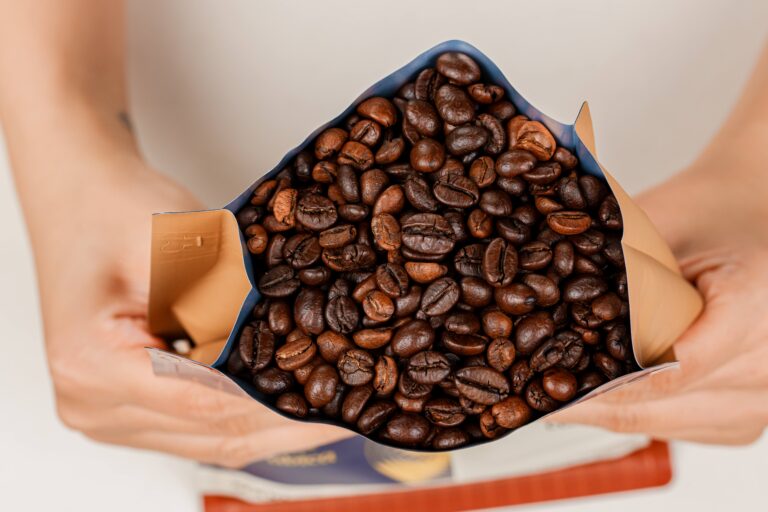
Ground coffee often smells more aromatic the first time you open the bag than it does during later brews. This can happen even when the coffee is still within its best-before date, because the grounds come into contact with air whenever you take some out. There is no universal seven-day or two-week deadline. How long the aroma lasts depends on the packaging, how tightly it is resealed, where it is stored, and how often the bag is opened. Someone who makes coffee every morning will notice different changes from someone who only brews on weekends.
1. Opening the Bag Is When the Aroma Begins to Change
Coffee contains many aroma compounds, some of which are volatile and change when exposed to air. Whole beans retain their outer structure; grinding greatly increases the surface area exposed to the surroundings. Under the same storage conditions, pre-ground coffee therefore tends to lose aroma faster than whole beans. The difference does not appear after a single opening. It builds up over the days the bag sits on a kitchen shelf and is opened again and again.
Sometimes the coffee tastes just as strong as usual even though its aroma has faded. Strength depends largely on the amount of coffee, water, and brewing method; aroma is also affected by how long and under what conditions the coffee has been stored. Adding more grounds may make the drink more concentrated, but it cannot bring back aromas that have already escaped. If the last servings from a bag seem less appealing than the first, consider where you store it and how long it takes you to finish it.
A bag kept beside the stove is exposed to more heat and steam than one inside a dry cupboard. A clip that does not seal properly also allows air in repeatedly. Pay attention to three practical things: whether the opening is fully sealed, whether the storage spot is hot or humid, and how long the bag stays open during each brew. These habits matter more to its aroma than buying an expensive container and then leaving its lid loose.
2. How Long Coffee Tastes Good Is Not the Same as How Long It Remains Usable
Losing aroma and becoming unfit to use are two different things. An opened bag may become less fragrant without showing any sign of spoilage. Conversely, the fact that the grounds still smell like coffee is not enough to establish that they have been stored safely. The question of how long an opened bag lasts must therefore consider both flavor quality and the actual condition of the product, rather than a single number of days that supposedly applies to everything.
Start with the best-before date and storage instructions on the packaging. Many stated shelf lives are based on conditions specified by the manufacturer, which may differ from a bag that has been opened and used repeatedly. Follow any specific instructions for use after opening. Otherwise, sealing the bag carefully and buying a quantity suited to your drinking habits makes more sense than assuming every ground coffee stays at its best until one particular day.
Stop using grounds that show mold, have become wet, clump unusually because of moisture, or develop a rancid or unfamiliar smell. Do not taste a little to check or try to cover the smell with sugar or milk. A gradual decline in aroma may be acceptable to some extent, but ingredients showing signs of spoilage should not be brewed. In a hot, humid climate, checking the condition of the bag and always using a dry spoon are especially important.
3. Where You Store Coffee at Home Can Change the Taste in Your Cup
For convenience, a bag of coffee often ends up beside the sugar jar or kettle. Yet a hot stove, a sunlit window, and a steamy area are not ideal places to keep ground coffee. A reasonably cool, dry cupboard away from food odors is enough for everyday use. You do not need to replace everything in your kitchen; sometimes simply moving the bag away from the stove makes a difference.
3.1. Resealing the Bag Is Part of Your Brewing Routine
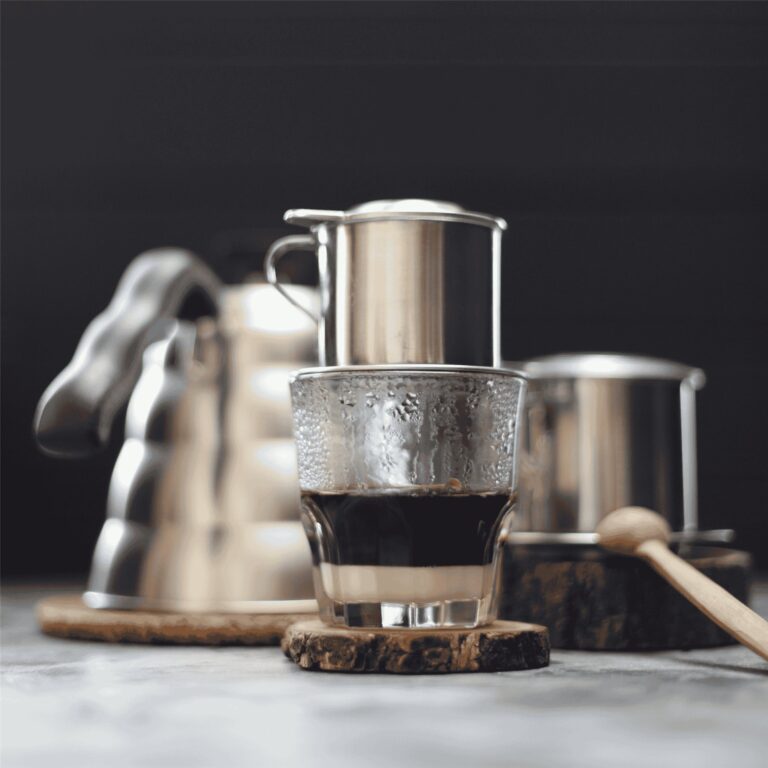
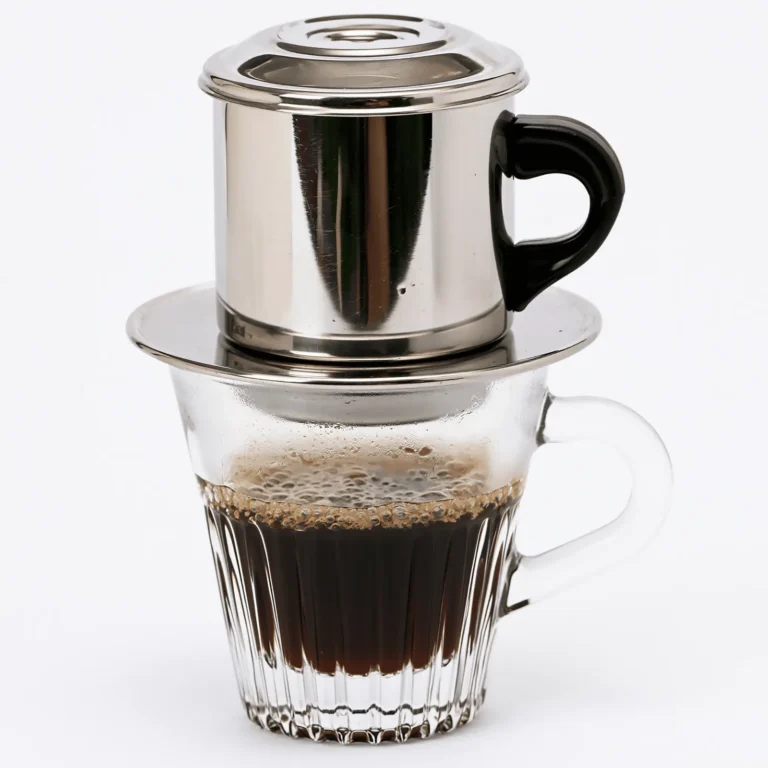
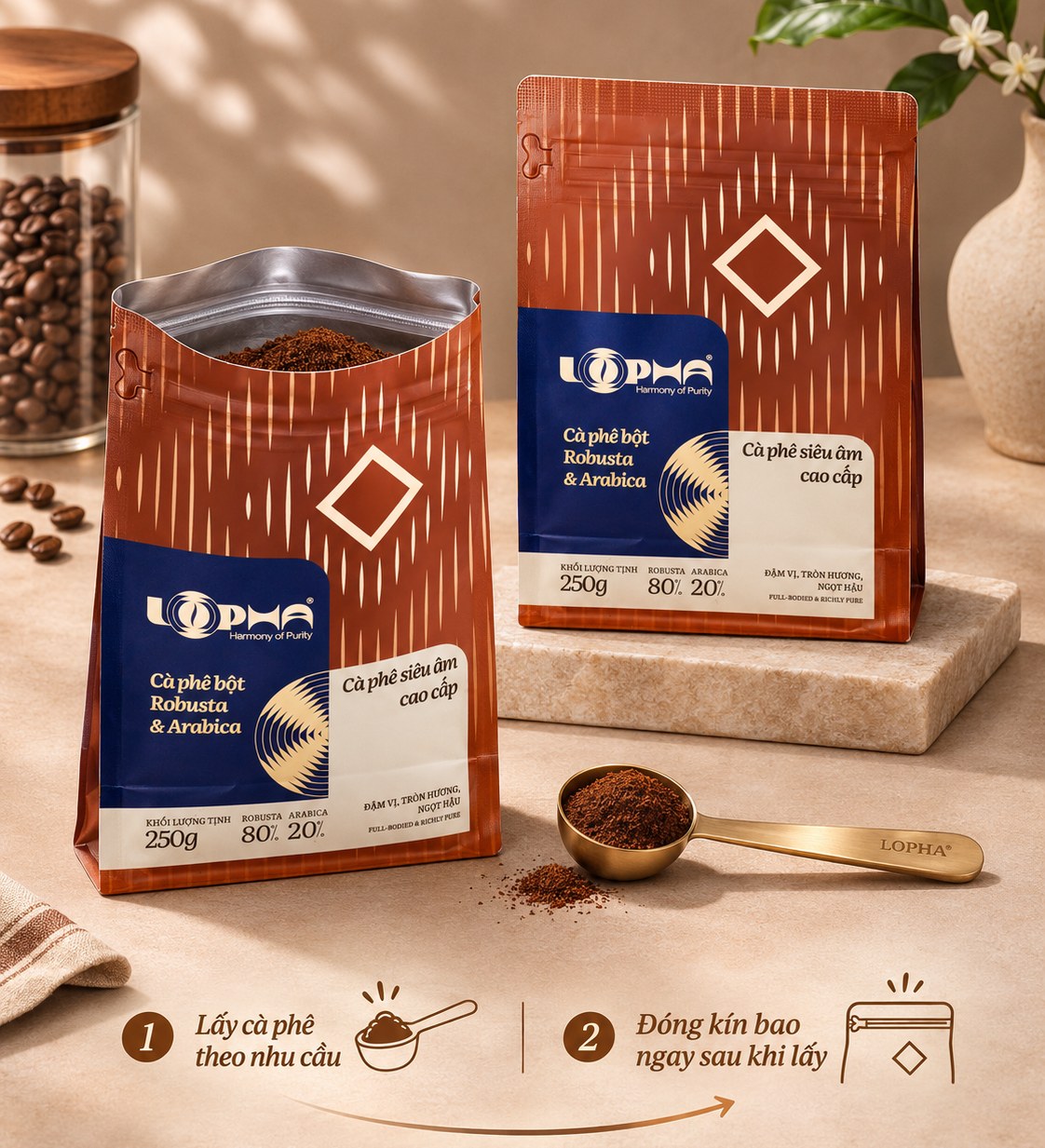
After brewing a phin, it is easy to leave the coffee bag open on the counter until the kitchen is tidied. Repeating that habit every day exposes the grounds to air longer than necessary. If the bag has a zipper, close it all the way immediately after scooping. If not, fold the top over several times and secure it with a clip, or move the coffee to a clean, dry, airtight food container. Whichever method you choose, make sure the opening is genuinely sealed.
Do not put a spoon back into the bag if it has just been used to stir milk or is still wet. Moisture encourages clumping and makes storage less reliable. If you transfer coffee into a jar, ensure the jar is completely dry and free of lingering smells from spices, tea, or other foods. Ground coffee can absorb surrounding odors, so a container that still smells of pepper is unsuitable, however tightly its lid closes. These small details are easy to overlook because they are not part of brewing itself.
3.2. When a Beautiful Jar Is Not a Good Storage Spot
A clear glass jar looks attractive on a shelf. But if direct afternoon sunlight falls on it for hours, its appearance does nothing to protect the coffee's aroma. A clean, dry, airtight jar can still work well if kept away from strong light. Even when you leave coffee in its original packaging, do not store the bag right beside a hot stovetop.
Even a small apartment or office can have a suitable coffee-storage spot: a cupboard out of the sun, away from the kettle and strongly scented foods. An airtight container is useful if it makes scooping convenient; if transferring coffee means leaving it exposed more often, keeping it in the original bag and sealing it carefully may be better. A simple routine you can maintain every day is usually more effective than an elaborate storage trick.
4. Does the Refrigerator Really Keep Coffee Aromatic for Longer?
It is tempting to assume everything lasts longer in the refrigerator. For ground coffee used every day, however, refrigeration is not necessarily convenient. Refrigerators contain food odors, and taking a cold package into a warm, humid room can cause condensation if the packaging and handling are unsuitable. Repeatedly removing, opening, closing, and returning the same bag makes moisture harder to control than it seems.

Freezing can be an option for longer-term storage when coffee is divided into small portions and sealed very well. That is different from taking the same bag of grounds in and out every morning. For regular phin drinkers, buying an appropriately sized bag, sealing it after use, and storing it somewhere cool and dry is usually easier. The benefit of freezing depends on how the coffee is packaged and used; cold temperatures alone do not preserve aroma unchanged.
Some people also use ground coffee to absorb refrigerator odors. Grounds placed there for that purpose should not be reused as a drink, because they have been exposed to food smells and a different storage environment. For coffee you intend to brew, a clean, sealed, dry storage space is the straightforward choice.
5. Sometimes the Coffee Still Smells Fine, but the Brew Has Changed
Old coffee oils left on the bottom or lid of a phin can give a fresh brew an unpleasant smell. Water with an unusual odor can do the same. In these cases, a perfectly aromatic bag of grounds may still produce a cup unlike your usual one. Wash the phin thoroughly, rinse away any cleaning product, and use clean drinking water to rule out problems with your equipment before assuming the coffee in the bag has deteriorated.
The grounds may still smell good and the equipment may be clean, yet the brew tastes thin. Perhaps you used less coffee today, poured in more water, or the phin drained faster than normal. Even with the same coffee, changing the brew ratio can change both aroma and flavor. If the bag still smells familiar, compare the amounts of coffee and water you used before rushing to buy a replacement.
In Vietnamese iced milk coffee, sweetness and creaminess can mask differences in the coffee base. A cup with more milk than yesterday may make you think the grounds have weakened. Taste a little black coffee before adding milk to see what has actually changed. But if the grounds smell rancid or moldy, or are clearly damp, do not keep brewing them to test the flavor; discard them.
6. Choosing 250 g or 500 g Can Be a Matter of How Many Mornings You Brew
Someone using about 20 g of grounds for one phin every morning can make roughly 12 full brews from a 250 g bag. If they only drink coffee on Saturdays and Sundays, that same bag may last several weeks. A two-person household that brews regularly uses coffee faster, so 500 g may be more suitable. Package size should reflect how many people drink coffee and how often they brew, rather than the assumption that bigger is always better value.
Larger bags often cost less per gram, but an occasional drinker may reach the bottom after much of the aroma has faded. Someone trying two new coffees may open both bags at once and take a long time to finish either. Buying an appropriate quantity cannot guarantee unchanged flavor, but it reduces how long an opened bag sits in the cupboard.
LOPHA offers 250 g and 500 g packs of roasted and ground coffee for different rates of consumption. Someone making one phin daily will usually finish 250 g faster than a weekend-only drinker, while a household brewing several cups may find 500 g more convenient. The deciding factors remain how much coffee is actually used each week and how it is stored at home.
7. Pay Attention Before the Aroma Has Completely Faded
After opening, coffee usually loses aroma gradually rather than all at once on a particular day. Keeping the bag tightly closed, avoiding heat and humidity, and buying an amount you can finish all help slow that change. These are small things you can do after every brew, without elaborate equipment or a detailed storage calendar.
Even a well-stored bag may smell different from when it was first opened, but you are less likely to end up with grounds you no longer feel like brewing. Keeping the bag sealed, using a dry spoon, and storing it away from the hot stove are three habits worth maintaining. When you open it again the next morning, the aroma is more likely to be noticeable, and your familiar cup easier to enjoy the way you like it.