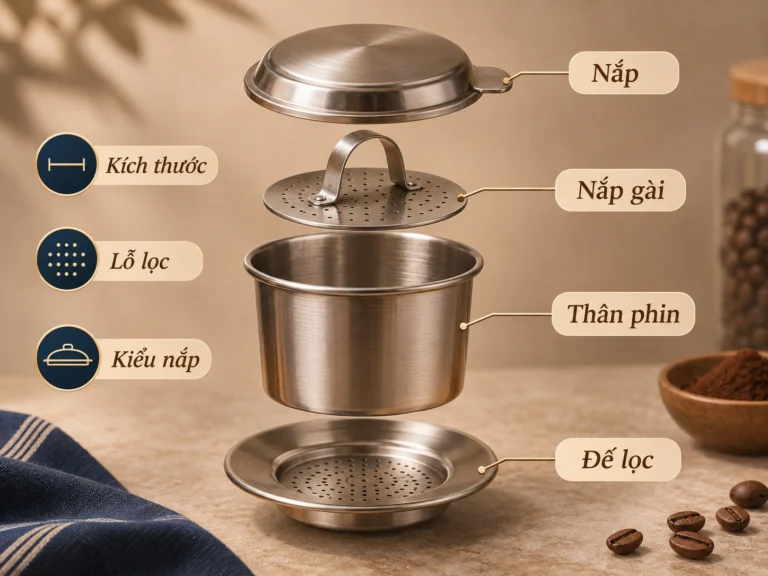
Can You Use Phin-Ground Coffee in a Coffee Machine? Understanding Grind Size
Coffee ground for a Vietnamese phin is not automatically suitable for every coffee machine. Espresso machines generally require a different grind, and ground coffee must never be poured into the bean hopper of an automatic machine designed for whole beans only.
Coffee ground for a Vietnamese phin does not always work well in an espresso machine. The two brewing methods move water through the grounds differently, so they usually call for different grind sizes. If an automatic machine has only a whole-bean hopper, do not put ground coffee into it. If you have just bought a machine but still have a bag of phin-ground coffee at home, first check whether your machine accepts beans, grounds, or both. Flavor comes after using the right ingredient.
1. The Same Coffee Can Taste Strange in a New Machine
A bag of ground coffee that makes an excellent phin brew may not produce the espresso you want. Water can run through the machine very quickly, leaving a thin or unbalanced shot. This often happens when you change brewing equipment but keep using the previous grind. Sometimes the solution is simply to buy coffee ground for espresso, not to switch brands or coffee varieties.
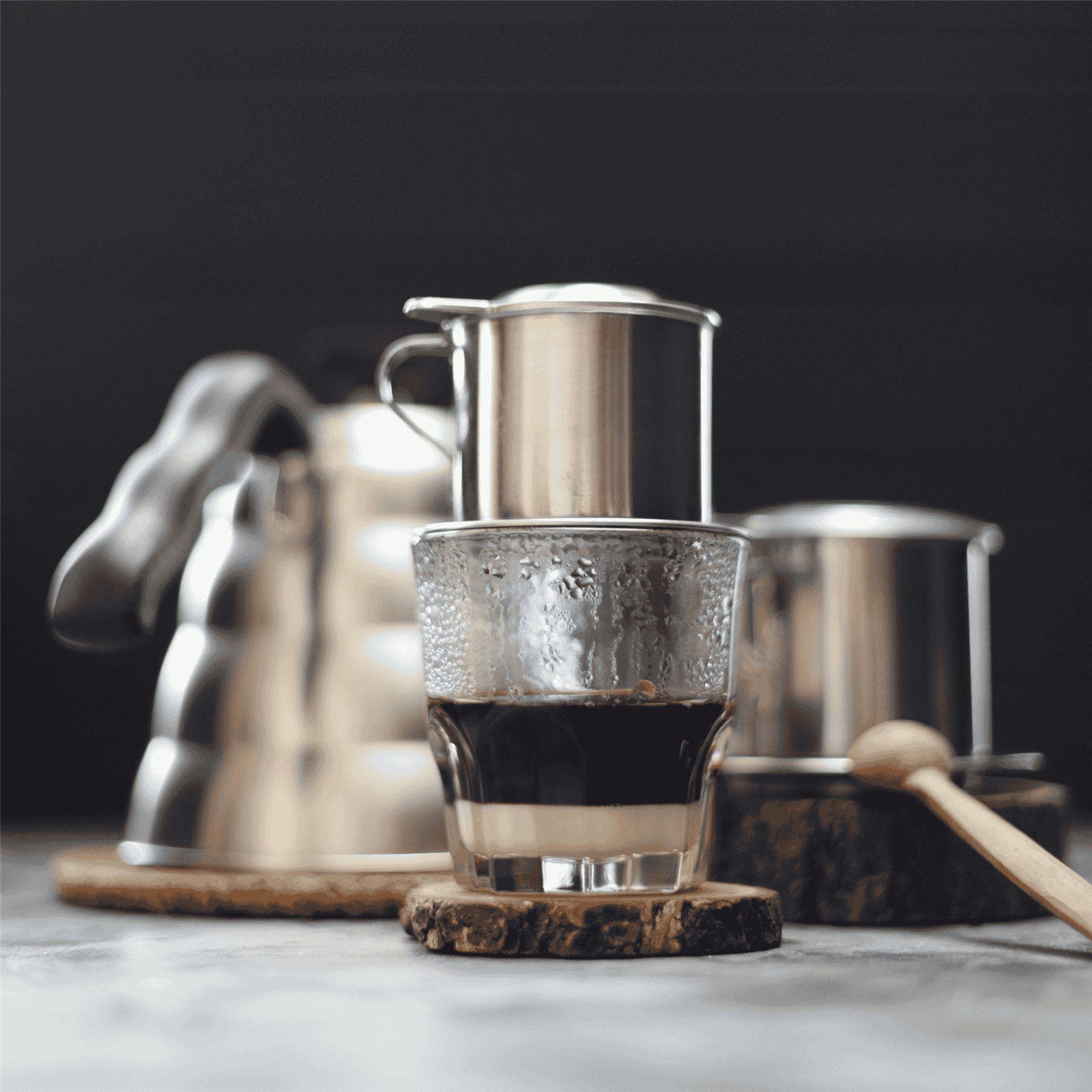
A Vietnamese phin allows hot water to seep through the coffee bed and drip down mainly under gravity. An espresso machine uses pressure to push water through the grounds in a shorter time. If a phin grind is too coarse for the espresso setup, water may flow too quickly for adequate extraction. Conversely, putting very finely ground espresso coffee in a phin may slow the dripping dramatically. The devices differ in more than appearance: they expose coffee to water in different ways.
Labels such as 'ground for phin', 'espresso grind', and 'filter grind' indicate the brewing method a product is prepared for. They are not quality rankings. If you already enjoy a particular type of bean but want to use different equipment, you may be able to keep the same coffee and change its grind size. That is usually a more sensible first step than buying a completely different variety.
2. Automatic Machines: The First Issue Is Correct Use, Not Flavor
Fully automatic coffee machines with built-in grinders usually take whole beans in their bean hoppers. The machine grinds them and brews according to the selected program. Never put pre-ground coffee into a hopper on a model designed only for whole beans: it may stick in the feed mechanism or affect the grinder. Having a bean hopper does not mean a machine accepts every form of coffee. With a new model, read the manufacturer's instructions before opening the bag.
Some automatic machines also have a separate chute for pre-ground coffee. If your model supports it, use only that designated opening, with the quantity and grind size permitted by the manufacturer. Phin-ground coffee may still be unsuitable even when a pre-ground function exists. Checking the instructions for your exact model can prevent a costly mistake; do not experiment by pouring grounds into the bean hopper simply because the machine has an ingredient compartment.
On a new machine, lids and compartments may look surprisingly similar. The water tank, bean hopper, and optional ground-coffee chute each serve a distinct purpose. Reading the icons and manual is much easier than fixing a machine after loading the wrong material. It is an equipment issue worth understanding before a perfectly good bag of phin coffee becomes the cause of a malfunction.
3. What About a Manual Espresso Machine With a Portafilter?
A manual espresso machine uses ground coffee in a filter basket, so pre-ground coffee can in principle be used. The important question is whether its fineness suits the basket and the pressure produced by the machine. Phin-ground coffee can allow water to flow too quickly, resulting in a weaker, less balanced shot. Beginners may think tamping harder will compensate, but tamping pressure cannot fully replace a suitable grind.
A common starting recipe for espresso is around 18 g of grounds yielding approximately 36 g of brewed coffee, although the ratio varies by basket, machine, and beans. When testing, watch the flow and taste the result rather than focusing solely on a target number. Even a shot weighing exactly 36 g can taste sharply sour or unpleasantly bitter if the grind and extraction are not well matched.
If your current bag was ground for phin, the least troublesome approach is to finish it using a phin. You can use the new espresso machine when you have suitably ground coffee or whole beans and a separate grinder. There is no need to force an old bag to work in every device. Matching the coffee to the equipment lets you appreciate its actual flavor instead of wasting several trial shots without getting a satisfying cup.
4. Grind Size Is More Than Whether the Particles Look Fine or Coarse
Looking at grounds is not always enough to tell which machine they will suit. Two grinders can produce particles that appear similar while creating different proportions of very fine particles. That affects water flow and the flavor in the cup. When buying pre-ground coffee, a label specifying 'phin grind' or 'espresso grind' is more useful than guessing by sight or rubbing the grounds between your fingers.
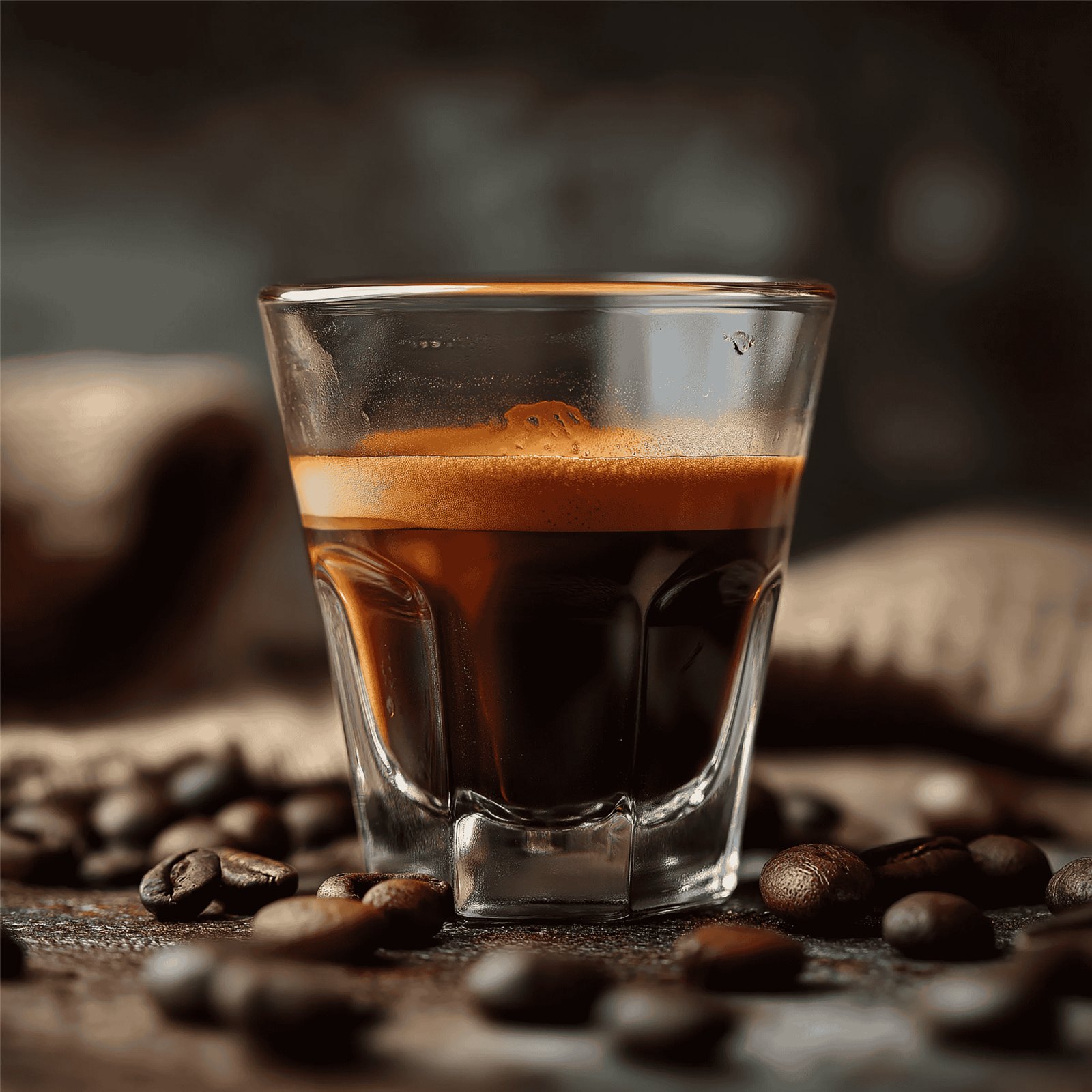
4.1. When Water Passes Through Too Quickly
An espresso shot that finishes almost immediately, yields too much liquid, and tastes weak may be caused by grounds that are too coarse, an unsuitable dose, or basket preparation. In a phin, water running in a stream as soon as it is poured can also produce a diluted brew. But not every fast flow has the same cause. Equipment and drainage holes differ, and pouring water may unintentionally disturb the coffee bed.
Flow rate is a clue when reviewing grind size, but taste tells you whether the drink is right. Espresso that runs too fast often tastes thin and unbalanced; a phin that drips exceptionally slowly may produce astringency. Neither the color of the drink nor the number of seconds alone establishes quality. When changing equipment, keep the dose consistent and observe several brews so you can identify the difference more clearly.
4.2. When Water Barely Flows at All
Grounds that are too fine for a phin may form a bed that water struggles to pass through, especially if the insert is pressed down firmly or its holes are clogged. Anyone who has changed to a new bag of coffee may recognize the frustration of waiting for a phin that will not drip. If it is full of hot water, however, do not remove the lid to fix it. Let it cool before checking the grind and the condition of the brewer.
If espresso flows unusually slowly, the grounds may be too fine or the basket may be overfilled, though the cause also depends on the machine and preparation. The same coffee will not behave identically in every device. Choosing the right ingredient becomes easier when you distinguish the machine's requirements from the flavor you want in the cup.
5. Bought the Wrong Grind? You Do Not Necessarily Have to Throw It Away
A perfectly good bag of coffee does not need to be discarded because it does not suit a new machine. Phin-ground coffee can still taste good from a phin; some immersion-and-filter methods may also work if the grind is appropriate. What you should never do is put ground coffee into a component made only for beans simply to use up the bag. Saving a little coffee is not worth risking damage to the equipment.
If the bag is unopened, ask the seller whether that coffee is available in an espresso grind. With whole beans and ground coffee, a home grinder lets you change the grind for phin or machine brewing as needed. Buyers of pre-ground coffee should be clear about the brewing equipment they use, because that determines the required fineness. This freedom to choose the grind is one of the main differences between buying beans and grounds, rather than proof that one form is inherently better.
Continuing to use phin-ground coffee in an espresso machine despite consistently weak results is unlikely to save much. If the coffee is still good, returning to the phin is often easier. On your next purchase, choose the right form and grind. When coffee and equipment match, you will spend less time adjusting machine settings to compensate for unsuitable ingredients.
6. Choose Your Coffee and Grind for the Drink You Actually Want
Someone who enjoys strong Vietnamese iced milk coffee may be perfectly happy with Robusta brewed in a phin. Someone who drinks black espresso may want a short shot with a different concentration of aroma and flavor. The same beans can suit several brewing methods, but they must be ground and prepared appropriately. There is no reason to assume a phin is inferior to a machine or that a machine always makes better coffee; the two produce different drinks.
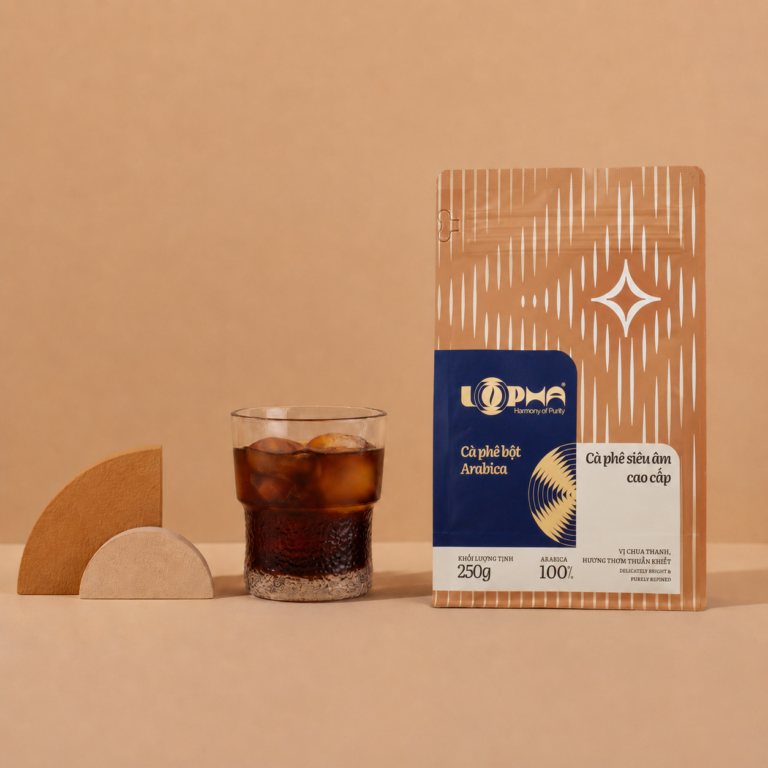
LOPHA offers pre-ground coffee for different brewing methods as well as whole-bean products. A household using only a phin can choose phin-ground coffee; an automatic machine designed solely for beans needs whole beans. Buying the right form avoids problems from the moment you open the bag, whether you prefer Robusta, Arabica, or a blend.
When switching from phin to machine brewing, even the same beans may taste different in the first cup. If the coffee seems weaker, more sour, or more bitter than usual, check the grind size and the machine's brewing method first. Starting with suitable coffee and then adjusting flavor wastes less than trying every setting to compensate for the wrong grind.