How to Make Coffee Without a Vietnamese Phin at Home: Three Simple Methods
You can make coffee without a phin using a heatproof cup and a paper filter, sieve, or filter bag. Choosing the right equipment makes it easier to separate the grounds and avoid a gritty cup.
Even without a Vietnamese phin filter, you can make coffee with a heatproof cup and a clean sieve, paper filter, or coffee filter bag. The process is straightforward: steep ground coffee in hot water for about four minutes, then strain out the grounds. The result will taste different from the concentrated phin coffee you may be used to, but with the right amount of water it can still be aromatic and enjoyable.
1. Can You Make Coffee Without a Phin?
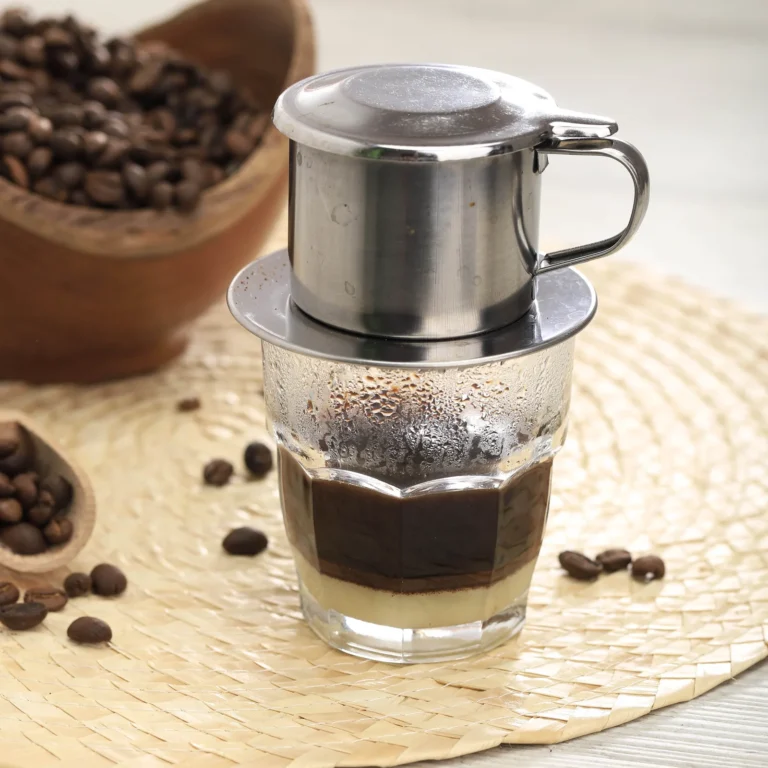
A phin works by letting hot water pass through a bed of ground coffee and drip into the cup below. When you brew in a cup, the grounds steep directly in the water before being filtered out. That means the same coffee can taste lighter when you add more water, while steeping it too long may bring out more bitterness. Water quantity is the easiest variable to adjust when you first try this method.
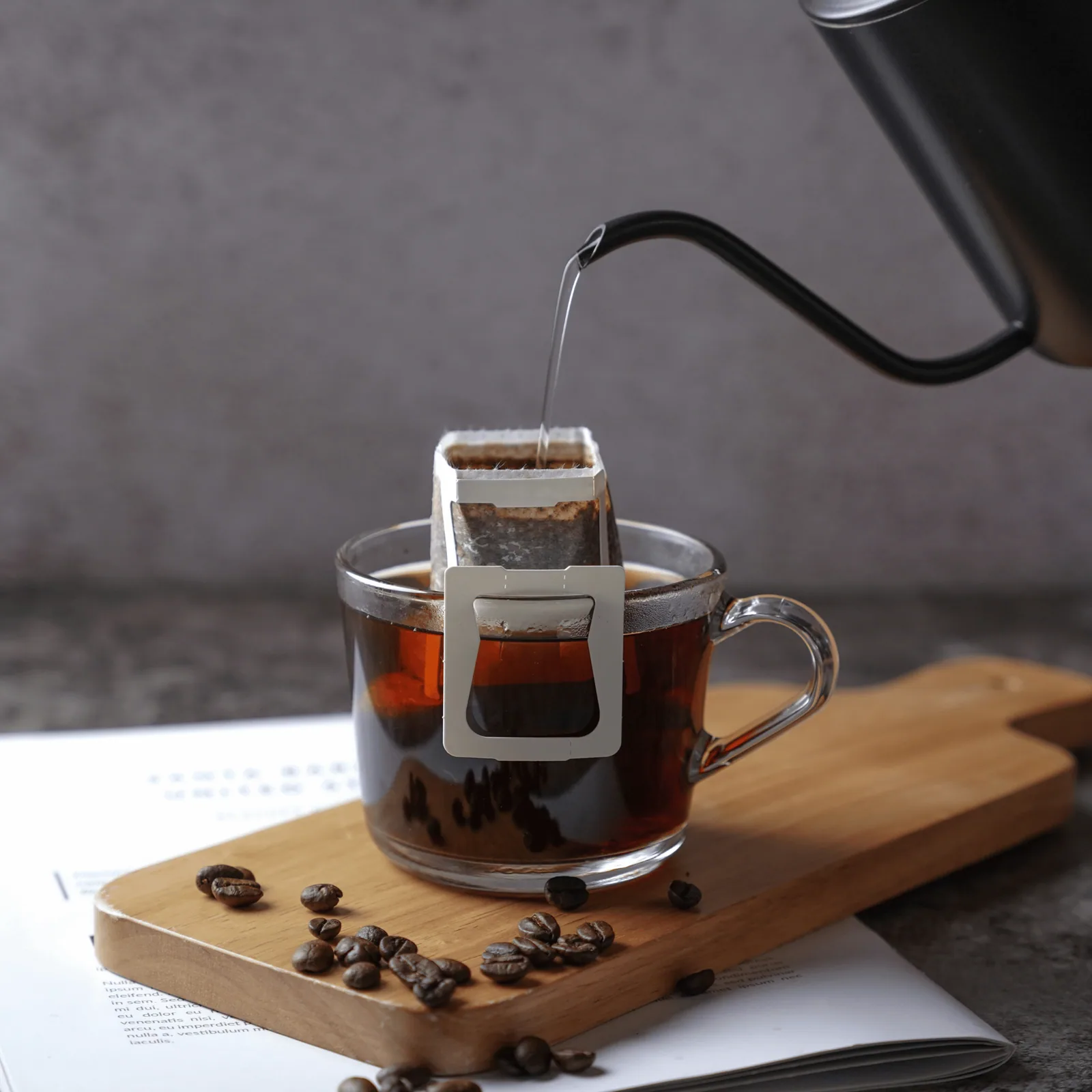
Of the ways to make coffee without a phin, a paper filter is useful if you want less sediment. A fine-mesh sieve is convenient because many kitchens already have one, although it will not catch every fine particle. If you have neither, you can temporarily let the grounds settle and carefully pour off the coffee, accepting that some liquid will remain at the bottom. Each approach has its advantages; choose what works with the utensils you have.
2. What Do You Need If You Have No Phin at Home?
For one cup, prepare 15 g of ground coffee and approximately 180–200 ml of hot water, along with a heatproof cup and a spoon. This makes a relatively light black coffee compared with the concentrated phin brew used for milk coffee. If you prefer a stronger drink, start with 180 ml of water; for a gentler hot black coffee, try 200 ml.
You can manage without a scale, but spoon measurements are only approximate. A heaped spoonful holds more grounds than a level one. Using the same spoon and scooping the same way will make the result easier to repeat. If your first cup is too weak, add a little more coffee next time rather than extending the steeping time excessively.
Coffee filter paper generally traps fine grounds better than a sieve, leaving a clearer drink. A fine sieve is ready to use if you do not want to buy anything extra, though some sediment may remain in the cup. A food-safe filter bag is another option. Do not use fabric treated with softener, toilet tissue, or paper that is not intended for contact with hot drinks.
Finely ground coffee can clog paper filters and leave considerable sediment. For immersion brewing, choose a moderately coarse grind. If you do not own a grinder, pre-ground roasted coffee is more convenient than whole beans; just check that its grind is suitable for steeping.
3. Method 1: Steep Coffee in a Cup and Strain It Through Paper or a Sieve
3.1. Brew the Coffee Before Filtering
Place 15 g of coffee in a heatproof cup, add 180–200 ml of hot water, and stir gently until all the grounds are wet. Leave it for about four minutes, then strain. With very fine grounds, try starting at around three minutes and taste the result; a longer steep does not automatically make better coffee.
Brew in a heatproof cup or jug placed securely on a table to avoid spilling hot water. If the water has just boiled, let it cool slightly before pouring. This method uses ordinary kitchenware, but thin glass that is not heat-resistant may still crack when exposed to very hot water.
While the coffee steeps, place filter paper in a funnel or prepare a sieve and a clean cup. Once the chosen steeping time is up, filter promptly so the grounds stop sitting in the water. Set the hot cup on a stable surface and avoid gripping overheated glass directly while pouring.
3.2. Strain the Grounds for a Smoother Cup
Set a paper filter inside a funnel or sieve, rinse it briefly with clean water, and discard the rinse water. Slowly pour the steeped coffee through the paper. If accumulated grounds slow the flow, wait for the liquid to pass through before pouring more. Replace any torn paper so the grounds do not fall into your drink.
One useful trick with paper filters is to pour off the liquid first and leave the thick layer of grounds at the bottom of the brewing cup until last. This helps prevent the paper from becoming covered in grounds immediately. If the filter still clogs too quickly, use slightly coarser coffee next time instead of squeezing the grounds to extract more liquid.
It is normal for coffee poured through a fine sieve to contain sediment, because a sieve cannot retain all the smallest particles. Let the cup stand briefly so the sediment settles, then gently transfer the clearer coffee to another cup. For a cleaner drink, pass it through a coffee paper filter as well.
Freshly strained coffee has a more noticeable aroma when served hot. For iced coffee, allow it to cool slightly before adding ice. Condensed milk also works, but add it gradually. Because this recipe uses more water than a typical concentrated phin brew, too much milk at once can easily overwhelm the coffee flavor.
4. Method 2: Use a Coffee Filter Bag or Food-Safe Filter Cloth
Coffee filter bags are handy at the office or when traveling. Put the grounds into a bag, place it in a cup, and add the selected amount of hot water. After a few minutes, lift the bag and let it drain; there is no need for a separate sieve. Discard used paper bags, while reusable fabric bags may be washed and used again when cleaned correctly.
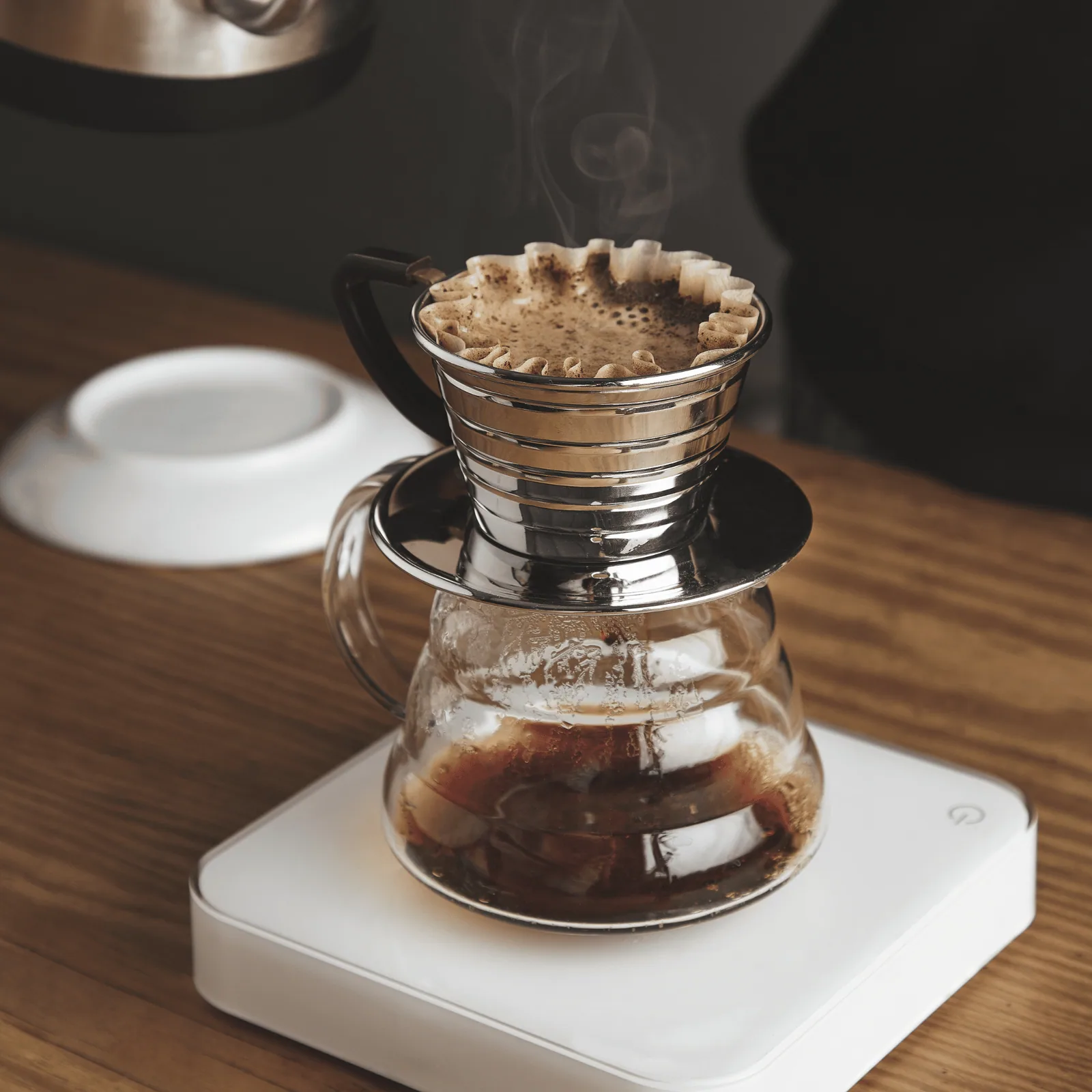
Single-use paper filter bags are convenient: once brewing is finished, discard the used grounds and bag. Cloth bags can be reused, but they must be thoroughly washed and dried after every brew. Both types should be designed for direct contact with food and hot water.
Do not pack a small bag so tightly with coffee that water cannot circulate through it. The grounds need to become evenly wet or some areas may brew strongly while others remain weak. For two people, use two small bags or one appropriately sized larger bag. This also prevents grounds from spilling when you lift the bag out of the cup.
Do not leave a filter bag soaking in the drink for the entire time you are drinking it. Remove it once the coffee reaches your preferred taste, since prolonged contact with the grounds can continue to change the flavor. Set the bag on a small plate to catch the remaining drips rather than squeezing it hard enough for fine grounds to escape.
5. Method 3: What If You Only Have a Cup and Spoon?
5.1. Steep the Coffee and Let the Grounds Settle
If all you have is a cup and a spoon, put the coffee into the cup, add hot water, and let most of the grounds settle. This works better with a coarse grind. Very fine particles remain suspended, leaving a gritty sensation when you drink.
After a few minutes of steeping, allow a little more time for the grounds to sink. Slowly pour the liquid at the top into a second cup, stopping before the sediment at the bottom starts to move. You will leave some coffee behind, but the part you drink will contain fewer grounds.
5.2. Why Decanting Cannot Replace Proper Filtration
Decanting cannot remove fine particles as thoroughly as filter paper. The liquid at the top may look clearer but can still contain suspended coffee. If you plan to use immersion brewing regularly, a filter bag or coffee filter paper is more useful than waiting indefinitely for the grounds to settle.
If you rarely make coffee, keeping a small packet of coffee filters in a kitchen drawer is enough. When needed, put a filter in a funnel and strain after steeping rather than searching for improvised equipment. A fine sieve remains a convenient option if you already own one and do not mind a little sediment.
6. Too Weak, Too Bitter, or Too Much Sediment: What Should You Adjust?
Weak coffee usually means there was too little coffee for the amount of water. Next time, try increasing the dose from 15 g to 17–18 g while keeping the water at 180–200 ml. If it tasted right before you added ice but became watery afterward, dilution from melting ice is the issue to consider: cooling the coffee beforehand or using less ice can help preserve the flavor.
For coffee with condensed milk, brew a stronger base than you would for a light hot black coffee. Reduce the water slightly or increase the grounds a little, then taste the black coffee before adding milk. If it already tastes weak on its own, adding more milk will not make the coffee aroma more pronounced.
Harsh bitterness can develop when the grounds are too fine or steep for too long. Try cutting the steep to about three minutes and straining immediately. If the drink is still unpleasant, review the type and dose of coffee rather than masking it with large amounts of milk.
Heavy sediment often comes from a sieve with openings that are too wide, torn filter paper, or an excessively fine grind. Passing the coffee through a fresh paper filter can make a noticeable difference. In the longer term, choosing a grind suited to immersion brewing makes preparation faster and filtration easier.
7. Does Coffee Taste Worse Without a Phin?
A cup made by steeping coffee in 180–200 ml of water will generally be less concentrated than a small phin brew. That does not mean immersion coffee is inferior; it may simply suit people who enjoy a lighter black coffee. For a bold Vietnamese iced coffee with condensed milk, a phin remains convenient because it produces a small, concentrated serving to mix with the milk.
For black coffee, taste a sip before adding sugar or ice. Immersion brewing can taste lighter than phin coffee, especially with a larger amount of water. If you want condensed milk, make the coffee with a little less water so that its aroma does not disappear beneath the milk. You can still make delicious coffee without a phin; the key is adjusting the recipe to how you like to drink it.
After a few attempts, you only need to remember how much ground coffee and water you prefer. If you add milk, record that amount too. Once you have a familiar recipe, you can make a satisfying cup on days when a phin is unavailable without having to start experimenting all over again.