Bold but Never One-Dimensional: Tasting LOPHA 80/20 Whole-Bean Blend
LOPHA whole-bean Blend keeps Robusta’s bold character without stopping at one bitter note. A touch of mild Arabica acidity adds interest while retaining its appeal for bold-coffee lovers.
A Blend can retain the familiar richness of bold coffee while inviting you to pause a moment longer: a hint of mild acidity, a different aromatic touch and a harmonious finish.
1. First Impressions: Bold, but with More Nuance
Robusta drinkers often come to a Blend with one clear expectation: it should still taste bold. LOPHA whole-bean Blend answers that expectation with Robusta as the dominant component, while Arabica adds a touch of mild acidity to make the cup less one-dimensional. The difference need not arrive as a dramatic switch of flavor. Imagine a black sip with familiar intensity up front, then give yourself a few seconds to explore what follows. Sometimes the acidity is immediately noticeable; at other times, you may simply sense that the cup does not finish quite like straight Robusta. Blend is not a “less distinctive” choice than either bean on its own. The point worth exploring is its subtle shift in flavor while the bold foundation remains firmly in place. That is why the whole-bean version appeals to people who like strong coffee but are curious about new nuances.

2. The Aroma of Two Bean Varieties Ground Together
Grinding whole-bean Blend before brewing creates a different opening moment from grinding Robusta or Arabica separately. The grinder contains two kinds of beans mixed together, and the aroma that emerges is perceived as a whole rather than two separate streams. Instead of trying to identify each component with your nose, notice whether the freshly ground coffee and the brewed cup lean toward deeper notes or carry something brighter. It is a friendly way to explore flavor without needing an elaborate sensory vocabulary. Whole beans also give you control over when to grind and how to brew, allowing you to experience different facets of the same blend. More important than any list of flavor notes is a very personal question: does this cup retain the boldness you love while leaving a new impression worth remembering?
With a Blend, the presence of two bean varieties naturally makes us want to separate their aromas. But once the beans are mixed, the nose does not experience them like two scent bottles sitting side by side. Sometimes the familiar deeper notes seem dominant; at other times, you pick up a brighter quality that is harder to name. Both are ways of perceiving a whole. That makes grinding Blend an engaging moment of curiosity before brewing: will today’s cup draw attention to its bold foundation or to its gentler shift of flavor? Asking that question enriches the experience without claiming unverified aromatic notes.
3. Boldness Leads, Mild Acidity Adds a Highlight
LOPHA whole-bean Blend combines 80% Robusta and 20% Arabica. These percentages refer to the proportion of beans, not to a mathematical division of 80% bitterness and 20% acidity in the mouth. Once brewed together, aroma, taste and body form one experience. Robusta’s clear bitterness provides the main foundation, while Arabica contributes a touch of mild acidity. People accustomed to strong coffee may focus first on the body, whereas those who have explored different beans may notice the way the flavors develop and linger. The difference can be subtle, but no less meaningful. Enjoying Blend means noticing how its qualities come together, not trying to find one sip of Robusta followed by another of Arabica. The boldness is still there; what draws you in is the small change that comes a few seconds later.
Mild acidity in a Blend is sometimes misunderstood as a flavor that must stand out clearly in every sip. In fact, someone used to Robusta may simply notice that the bold foundation does not end in quite the same familiar way. A little acidity can make the experience livelier without turning Blend into Arabica. The appeal is in that restraint: lovers of strong coffee still find the intensity they want, while anyone seeking an extra detail need not abandon their drinking style. Blend therefore has its own personality rather than being a mechanical sum of two separate lists of Robusta and Arabica descriptors.
4. Black Coffee Reveals the Blend’s Character
If you want to understand how Blend differs from 100% Robusta, black coffee is a good starting point. Without sugar or milk changing the overall impression, it becomes easier to notice the bold foundation and gentle touch of acidity. At first, you might find that the cup “tastes like Robusta, only a little softer.” On a later occasion, drinking more slowly may make the difference in the finish clearer. Do not force yourself to name a long list of aromas. Pay attention to three moments: how the coffee first touches your tongue, what happens as you swallow, and the aftertaste that lingers for a few seconds. Recognizing the transition between them tells you more about Blend than simply reading a product description. This style is for people who like boldness but do not want every cup to feel entirely one-note.

The first time you try Blend, the difference may not arrive as a dramatic moment. Perhaps the cup feels a little more approachable than your everyday Robusta; perhaps you remember a hint of acidity in the finish. Do not decide that Blend is no different just because bitterness still stands out. Keeping that bold foundation is precisely what makes the added nuances worth noticing. A black cup enjoyed slowly can help coffee lovers discover whether they prefer a direct, powerful style or a bold taste with a little more movement. It is a question of personal preference, not a competition over which bean is better.
5. A Harmonious Finish Does Not Mean a Weak Cup
Calling a Blend harmonious can make some people imagine a bland cup without personality. With LOPHA Blend, the bold foundation still leads. Harmony here means that strength, gentle acidity and aroma work together in an approachable overall impression; it does not require every taste to be equally intense. As the cup cools, the aftertaste can make that balance easier to appreciate. If the brew is too concentrated, smaller details may be hidden. If it is too weak, the bold foundation may no longer be clear. What matters is not making the “strongest” possible cup, but finding enough intensity to let the flavors unfold. A rounded Blend is remembered for the whole experience, not only its first bitter impression.
Some cups make a big impression right away and then fade quickly. Others seem less surprising in the first sip but stay in the drinker’s memory because of what follows. With whole-bean Blend, the second experience may be the one worth exploring. A harmonious aftertaste is not a promise that everyone will find it easy to drink, but a way to describe boldness and mild acidity working together without necessarily clashing. Each drinker may discover whether they prefer a quick, clean finish or something that lingers longer. When the beans are ground and brewed to suit their palate, this balance has room to express itself without elaborate language.
6. The Freedom to Explore with Whole Beans
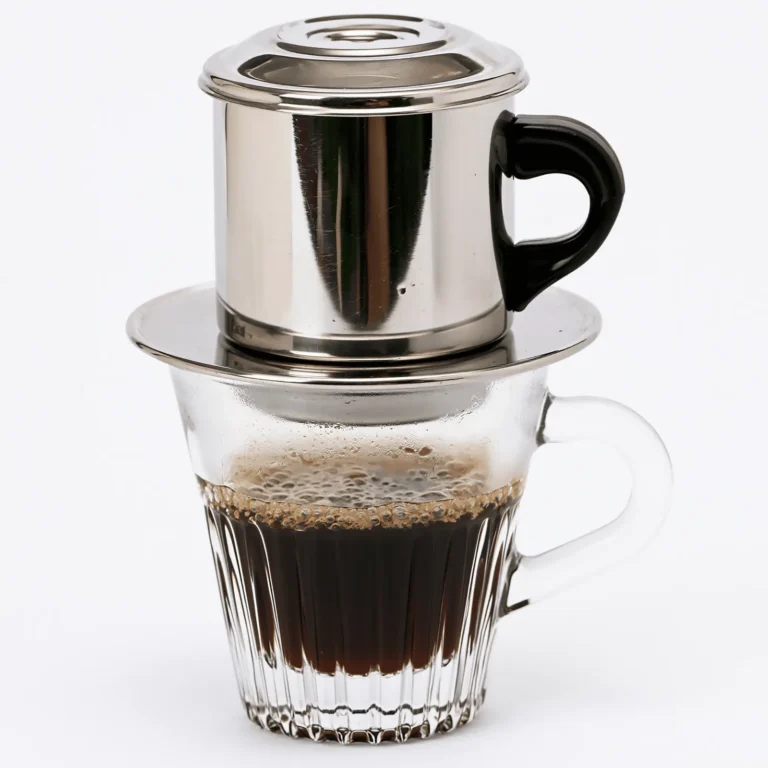
The whole-bean version suits people who like to decide how their coffee experience begins: grinding just before brewing and choosing a phin, espresso machine or another familiar method. The same Blend may show its boldness and gentle acidity differently depending on the brew. With a phin, the slow dripping encourages you to spend time observing the cup. With espresso, the experience is shorter and more concentrated. This is not a contest over which equipment is better. To compare results, keep some conditions reasonably consistent and taste your coffee black before adding anything else. The control that comes with whole beans offers a pleasure of exploration that pre-ground coffee does not emphasize as much, though it requires a little more preparation time. Both have a place in different routines.
For those who enjoy whole-bean coffee, part of the pleasure is watching the cup change while the product itself stays the same. Today, that might mean a black coffee sipped slowly to appreciate its mild acidity. On another day, you might choose a more concentrated brew for a clearer morning accent. This flexibility does not mean every brew offers an entirely new flavor. What changes is often where your attention falls: from the aroma during preparation to the strength of the first sip and the lingering finish. Being able to explore these moments one by one gives whole-bean Blend its own appeal.
7. For Those Who Like Bold Coffee with Changing Notes
LOPHA whole-bean Blend may suit someone who still wants boldness at the center but appreciates a hint of mild acidity and a harmonious finish. If you prefer pure, direct bitterness, Robusta may be closer to your taste. If you want clear acidity and floral, fruity aromas to lead, Arabica is worth trying. Blend occupies its own place between those styles; it is not an unappealing compromise. For people who enjoy grinding their own beans and changing brewing methods, LOPHA Robusta–Arabica Blend can offer small discoveries from day to day. Sometimes a memorable cup needs to differ from the familiar in just one detail: the aroma that opens up as you grind, the trace of acidity following the bold foundation, or an aftertaste that is not overly heavy. Those little details make each person’s coffee preferences richer.
Blend’s personality is not about compromise. Its bold foundation remains clear, while a touch of mild acidity adds color to the finish and the drinking experience.