Instant Coffee vs. Roasted Coffee: Differences in Brewing and Flavor
Instant coffee is processed to dissolve in water, while roasted coffee must be brewed and the spent grounds separated from the drink. These two forms of coffee offer different preparation methods and flavor experiences; neither is the right choice for everyone.
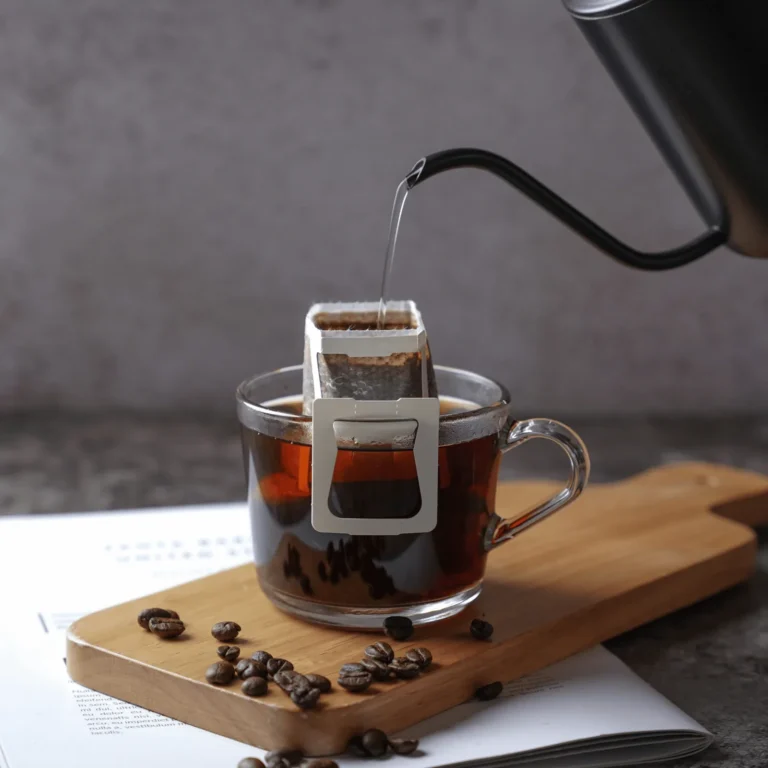
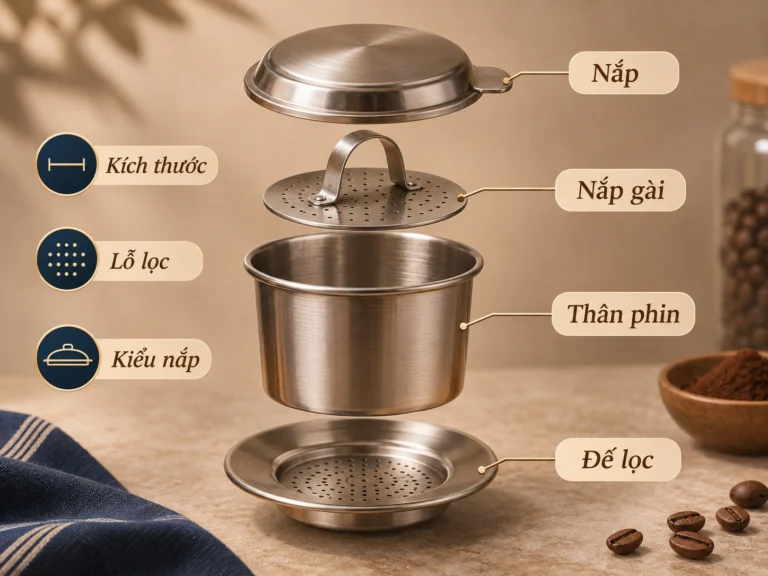
Instant coffee is processed so it dissolves in water; roasted and ground coffee must be brewed to extract the liquid, then separated from the spent grounds. That is why a sachet of instant coffee can be prepared quickly with only a cup and hot water, whereas roasted coffee usually needs a phin, machine, or filter. Flavor differs too, depending on the beans, processing, and recipe of each product. Your choice mainly comes down to drinking habits and how much time you want to spend making coffee.
1. One Cup Takes Half a Minute; the Other Invites You to Wait
On a morning when you need to leave early, instant coffee is quick and leaves almost no grounds to clean up. When there is time, many people enjoy brewing with a phin or filter because they can adjust the coffee and water to suit their taste. The two routines are not mutually exclusive. Their biggest differences are the preparation effort and freedom to adjust flavor, not whether using a phin makes someone a more knowledgeable coffee drinker.

Instant coffee is made by extracting coffee and processing the extract into a form that can dissolve in water again. Roasted coffee begins with roasted beans sold whole or pre-ground. When hot water meets roasted coffee grounds, it extracts some of their aromas and soluble compounds, but the spent solids remain. That is why you cannot put phin-ground coffee into a cup and expect it to disappear like instant granules.
With roasted coffee, you can change the beans, grind, amount of water, and brewing method to find your preferred taste. Instant coffee is convenient when you want a relatively consistent cup by following the water quantity on the package. Still, instant-coffee brands vary widely in ingredients and flavor. Convenience does not automatically mean poor taste, just as spending more time brewing does not guarantee a better cup.
2. 'Instant' Does Not Necessarily Mean '3-in-1'
A common misconception is that instant coffee always comes in a sweet, creamy, milk-flavored sachet. In fact, there is plain instant coffee with no added sugar as well as blends containing sugar, creaming ingredients, or other flavors. '3-in-1' describes one kind of premixed product, not all instant coffee. Two products may both dissolve in water and still taste completely different.
If you prefer less sweetness, check whether you are choosing plain instant coffee or a premix containing sugar and creamer. Adding extra water to a 3-in-1 sachet may weaken the coffee flavor, but it will not remove the sugar already there. Unsweetened instant coffee, on the other hand, lets you adjust sweetness yourself. The product name on the front helps with recognition; the ingredient list tells you what will actually be in your cup.
With roasted coffee, read the ingredient label carefully as well. A dark liquid, strong smell, or layer of foam does not establish whether a product contains only coffee. LOPHA's roasted coffee range is described as 100% coffee with no added flavorings or artificial coloring. That is information to check against the product declaration, not something you can verify merely by looking at the cup.
3. What Differences Do You Notice Most When Drinking?
The flavor of roasted coffee can vary noticeably with the beans, roast level, and brewing method. The same bag of grounds produces a different concentration when brewed with a little water in a phin than when filtered with more water. Instant coffee can taste more consistent if prepared with the same amount of water, yet individual products still differ greatly in bitterness and aroma. Comparing a sweetened 3-in-1 sachet with a cup of plain black brewed coffee would not establish which entire category tastes better.
Someone familiar with Vietnamese iced milk coffee may recognize the flavor of a phin-brewed base when it is mixed with their usual amount of condensed milk. Using instant coffee instead may still make an enjoyable drink, but not necessarily the same one. Conversely, a person who likes light, quickly prepared coffee may be satisfied with plain or less-sweet instant coffee. Compare products you would genuinely drink every day, rather than treating one unusual recipe as representative of a whole category.
4. Adding Milk Can Hide Some of the Differences
Condensed milk, fresh milk, and ice can soften the perception of coffee aroma. A strongly brewed roasted coffee mixed with plenty of milk may still taste more distinctly of coffee than a very diluted brew. But instant coffee prepared at an appropriate concentration can also work well with milk in its own way. What matters is the strength of the coffee base and the overall recipe, not just the labels 'instant' and 'roasted'.
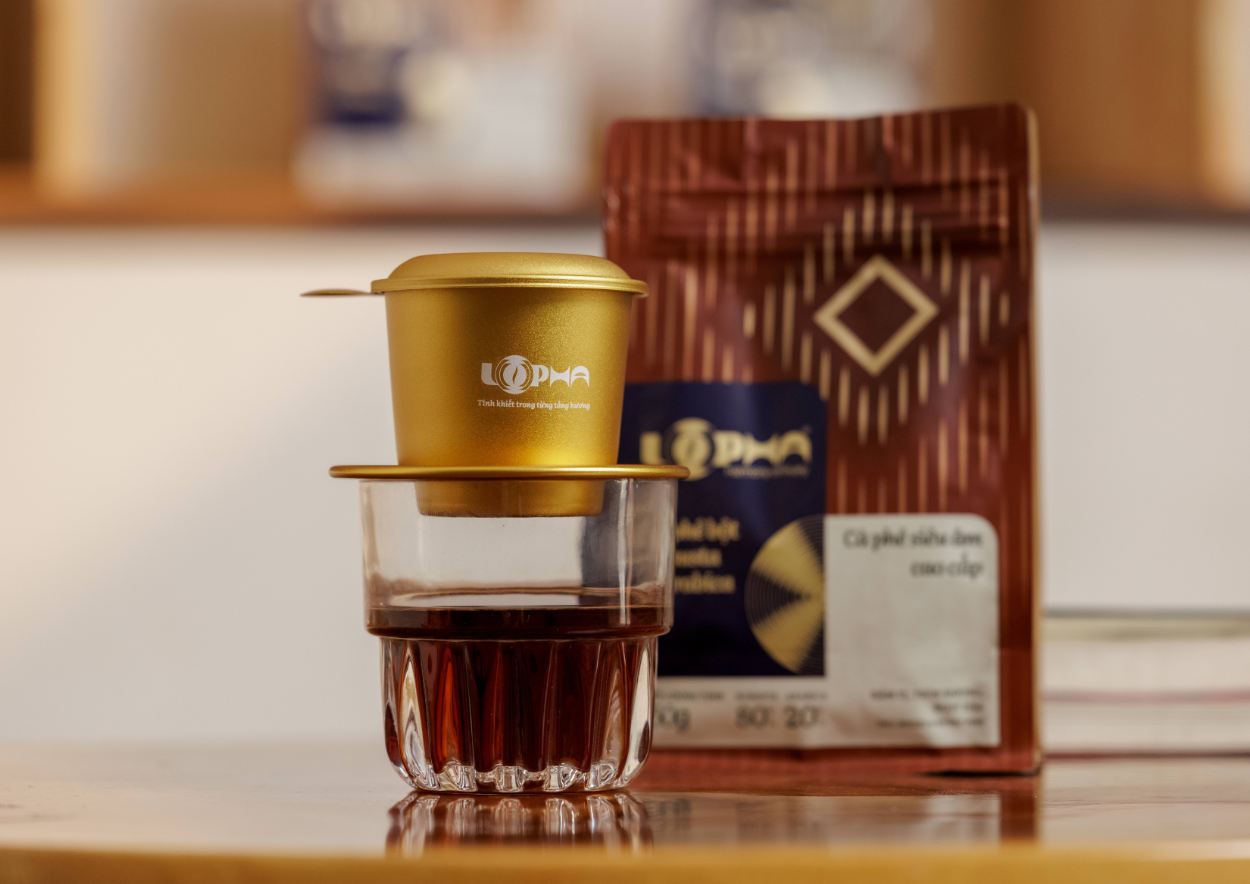
Condensed milk, fresh milk, and sugar can mask subtler distinctions between coffee bases. To appreciate roasted coffee's particular aroma, taste a small sip before adding milk. With instant coffee, distinguish plain varieties from 3-in-1 products because their ingredients are different from the outset. Comparing two drinks with similar strength and sugar levels tells you more than comparing a black coffee with a very sweet one.
5. Choosing Roasted Coffee Does Not Mean Making Every Morning Complicated
Phin brewing is not particularly difficult: use appropriately ground coffee, a clean phin, and hot water. You do, however, need to wait for it to drip, then wash the brewer and discard the grounds. Some mornings those few minutes are enjoyable; on days when you are rushing to work they may feel inconvenient. Instant coffee is designed for precisely that shortage of time and equipment. People who travel frequently or work in offices without washing facilities may notice the difference most.
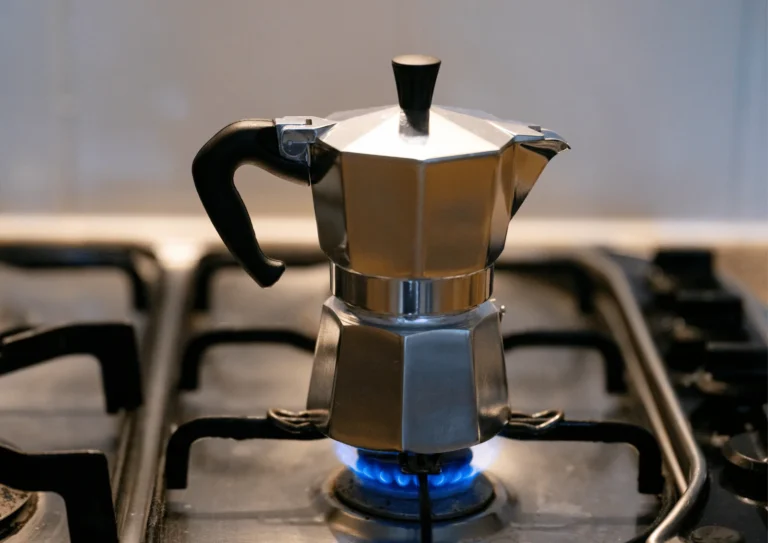
Roasted coffee also offers methods beyond the phin. Espresso requires pressurized equipment; cold brew needs time to steep and filter; paper-filter brewing offers a different drinking experience. Each method has its appeal but also requires suitable coffee and grind size. Pre-ground coffee reduces preparation if you do not own a grinder. You do not need to turn your kitchen into a café bar to enjoy a well-brewed cup.
For someone with only a phin, roasted coffee pre-ground to the right size is usually more convenient than buying whole beans and then searching for a grinder. LOPHA offers grinding options for different brewing methods, so customers do not have to grind at home. If you like moving between phin, moka pot, and filter brewing, whole beans with a suitable grinder provide more flexibility. Both approaches make sense; they differ in how much control and preparation time you want.
6. Cost per Cup: How to Make a Fair Comparison
The cost of instant coffee is usually straightforward because the portions are individually packaged. For roasted coffee, you need to calculate the dose actually used. For instance, 250 g of grounds provides around 12 brews at 20 g each, or 10 at 25 g. Add milk, sugar, or cream and the cost per finished cup changes again. Comparing the price of a box of instant sachets with a bag of grounds without considering servings will not show which better fits your budget.
Cost also includes equipment and time. Someone who already owns a phin often needs only to buy grounds; someone without a grinder may face an extra expense to use whole beans. In an office without space to wash a phin, instant sachets may be considerably more convenient. A fair cost comparison therefore considers the brewing routine you can realistically maintain, not just the price of the ingredients.
An oversized bag of roasted coffee can stay open too long and lose aroma. If you brew only a few times a week, the right quantity may matter more than price per gram. No single form suits every household: a family drinking roasted coffee daily will evaluate cost differently from a person who wants a few sachets ready for hurried mornings.
7. Why Would Someone Keep Both at Home?
Some households use instant coffee on busy weekdays but brew phin coffee on weekends. Others keep sachets in an office drawer while enjoying roasted coffee at home. There is nothing contradictory about having both: your needs change with where you drink and how much time you have. You simply need to know how each kind is processed and prepared, so you do not accidentally buy ground coffee and expect it to dissolve completely.
If you want less sweetness, both plain unsweetened instant coffee and roasted coffee allow you to control added sugar. People who enjoy the aroma and flavor of phin coffee with condensed milk may find roasted coffee closer to their familiar cup than a 3-in-1 sachet. But when quick, tidy preparation matters most, instant coffee has a clear advantage. Neither form needs to meet every possible need.
Roasted coffee is not reserved for experts. Beginners can start with a simple phin and appropriately ground coffee. Instant coffee is not just for people who cannot brew either: sometimes a quick cup is exactly what a busy morning calls for. Knowing which product contains sugar, which requires separating the grounds, and how you usually drink coffee is enough to choose sensibly.
8. Not Two Opposing Camps, Just Two Ways to Enjoy Coffee
The simplest distinction is this: instant coffee has been processed to dissolve in water, while roasted coffee must be extracted and the spent grounds separated. For flavor and experience, however, look at the specific product. Plain instant coffee is not the same as 3-in-1, and a bag of roasted Robusta is not the same as Arabica, even if both are brewed in a phin.
Instant coffee is convenient because it can be prepared quickly in many settings. Roasted coffee needs more equipment but gives you greater choice of beans and brewing methods. At home each morning, you may choose the flavor you enjoy most; while traveling, compactness and convenience may matter more. Understanding these differences helps you buy what you actually need, rather than deciding which kind is for people who supposedly drink coffee 'properly'.