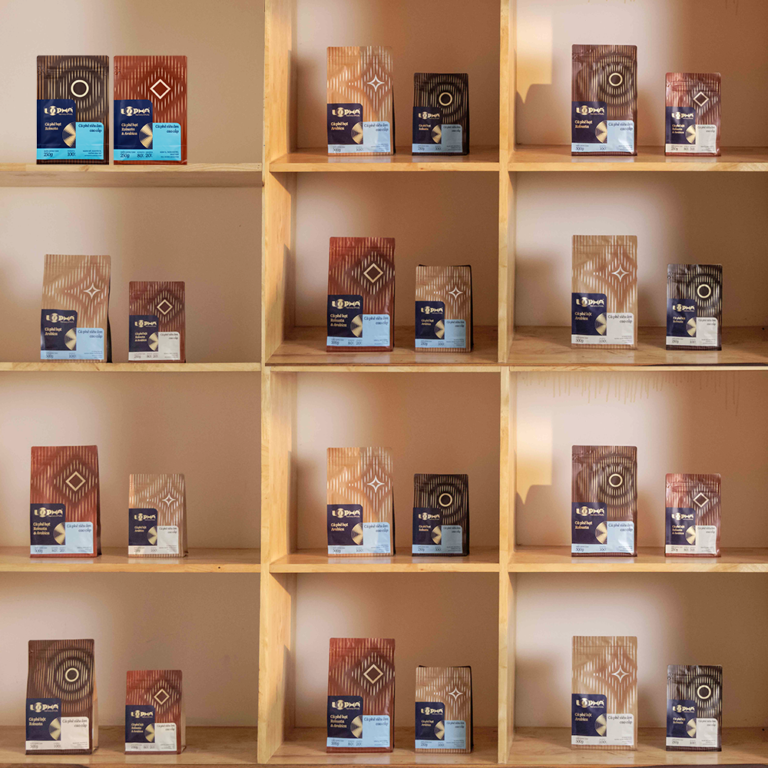
Coffee for Espresso Machines: How to Choose the Right Beans, Roast and Blend
Choosing coffee for an espresso machine involves more than picking a bean variety. Roast level, grind size and personal taste also matter. Understanding Robusta, Arabica and Blend helps you find coffee suited to espresso, milk-based drinks and everyday brewing.
The machine is running as it does every morning, and you have used the same familiar water setting. Yet today's espresso tastes sharper and more sour than yesterday's. Perhaps you changed beans, or perhaps the grind is not quite right for the new roast. In a small cup of espresso, details like these become surprisingly noticeable.
Choosing coffee for an espresso machine therefore involves more than finding a bag labeled “espresso.” You need to know how your machine works, whether you usually drink your coffee black or with milk, and whether you are brewing for yourself or an entire office. Once these three things are clear, choosing a variety, roast and recipe becomes much easier than buying on the strength of words such as “bold” or “premium,” or judging the crema alone.
1. What is coffee for machines, and how is it different from phin coffee?
1.1. “Machine-brewed coffee” describes an extraction method, not a separate bean variety
In Vietnam, “machine-brewed coffee” usually refers to espresso: hot water is forced through ground coffee under pressure to produce a relatively concentrated drink. Espresso also forms the base of americanos, lattes and cappuccinos. However, semi-automatic espresso machines and automatic bean-to-cup machines differ from automatic filter brewers; capsule machines require compatible capsules rather than loose beans in the brewing chamber. This guide focuses on espresso machines and automatic machines that use whole beans.
Suitability does not come from a special “machine coffee” label. It comes from roast level, grind size and the way the equipment extracts the coffee. Pure coffee beans can suit different brewing methods when prepared appropriately; espresso in particular needs a grind that allows water to pass through the coffee puck at a suitable rate. Check the specific machine you own before shopping, rather than relying on a broad equipment category.
1.2. Why does espresso feel different from phin coffee?
A Vietnamese phin relies mainly on gravity to move water through the coffee. Espresso uses pressure and generally finer grounds, producing a smaller but more concentrated drink. Even with the same beans, the difference in concentration can make phin coffee and espresso feel very different. Espresso may also have crema, a layer of foam formed during extraction. This is a visible characteristic, but it cannot tell you how the coffee tastes on its own.
Someone accustomed to strong phin coffee does not necessarily need the darkest roast when switching to an espresso machine. Espresso concentrates many flavor characteristics in a small serving, so bitterness, acidity and dryness can all become more noticeable. Start with a consistent recipe and adjust gradually rather than changing the machine, beans and grind after a single disappointing shot.
2. How do coffee beans influence an espresso?
2.1. Bean quality provides the foundation, but brewing determines what you taste
Coffee beans carry characteristics shaped by variety, growing region, processing, storage and roasting. Grinding increases the surface area exposed to water, while extraction transfers some of the grounds' soluble compounds into the cup. A machine may make the brewing steps more repeatable, but it cannot create flavors that were never present in the raw material.
Do not judge a bag of beans by its very first shot. Fast-flowing, weak or sharply sour espresso may be linked to grind size, dose or distribution in the filter basket. Very slow flow deserves attention too, although bitterness is not always caused by extraction time alone. Rather than immediately switching beans, stabilize the recipe and investigate possible causes one at a time.
2.2. Grind size and dose can noticeably change the experience
Semi-automatic espresso machines generally require a finer grind than Vietnamese phin brewing. Grounds that are too coarse may let water pass through too quickly, while overly fine grounds may restrict the flow. Machine and basket design also matter, so no single grind setting can serve as a universal standard for every machine.
For a semi-automatic machine with a suitable basket, a common starting point is 18 g of ground coffee yielding roughly 36 g of espresso—a 1:2 ratio by weight. This is an initial test recipe, not a mandatory dose for every machine or bean. Some baskets and machines are designed for different amounts, in which case the equipment instructions take priority. After the first shot, change one factor at a time—often grind size—and taste again before drawing conclusions.
2.3. Aroma, strength and crema are not interchangeable measures
Smell the coffee before drinking, taste it while it is comfortably warm, and notice the aftertaste after each sip. These simple habits reveal more than color or foam alone. An aromatic cup may not be very bitter, while a full-bodied cup is not necessarily balanced. People often discover their preferences when acidity, bitterness and mouthfeel come together pleasantly.
If you regularly drink coffee with milk, taste both the plain espresso and the milk-based version. Some flavors stand out when the coffee is black but become subtle after milk is added; beans that make an appealing straight espresso may not make your favorite morning latte. Testing coffee as you actually drink it helps avoid choosing a bag solely because of one impressive tasting at a shop.
3. Should you choose Robusta or Arabica for an espresso machine?
3.1. Choose by taste, not by ranking one variety above another
People who enjoy strong coffee, pronounced bitterness or milk-based drinks may want to start with Robusta. Arabica can offer different aromatic directions and sometimes clearly perceptible acidity, appealing to those who enjoy exploring the nuances of black espresso. These varieties are not opposite ends of a quality ranking: growing, processing, roasting and brewing determine the specific experience in the cup.
A dark-roasted Arabica can still taste distinctly bitter. Well-handled Robusta can offer more than one flavor note. The variety tells buyers where to start; the roast and recipe make expectations more concrete. Perceived “strength” is also different from the caffeine in the finished drink: coffee dose and serving size both matter.
3.2. Black coffee and milk drinks may call for different choices
In a straight espresso, acidity, bitterness, aftertaste and roasted aromas are often easier to notice. Beans with a clear flavor profile have more room to express it when brewed well. In a latte or cappuccino, milk changes perceived sweetness and texture; an espresso base with sufficient body often remains easier to recognize in the finished drink.
This does not mean Robusta is mandatory for milk drinks or Arabica only belongs in black coffee. Arabica lovers can make beautifully aromatic lattes. A café selling many milk drinks may test a Blend to balance aroma and strength. Choosing beans after identifying which drink you make most often is more practical than searching for the supposedly “best” variety.
4. What does a coffee blend offer for espresso? When does an 80/20 ratio fit?
4.1. A blend combines flavor characteristics; it does not mean adulteration
A Blend simply combines different coffee beans to create a desired flavor direction. Some recipes aim for a rounded cup; others prioritize a bold coffee presence with milk. This is not the same as mixing coffee with non-coffee ingredients. The stated ratio tells buyers about composition, but tasting the brewed drink is still necessary to decide whether it suits their machine and preferences.
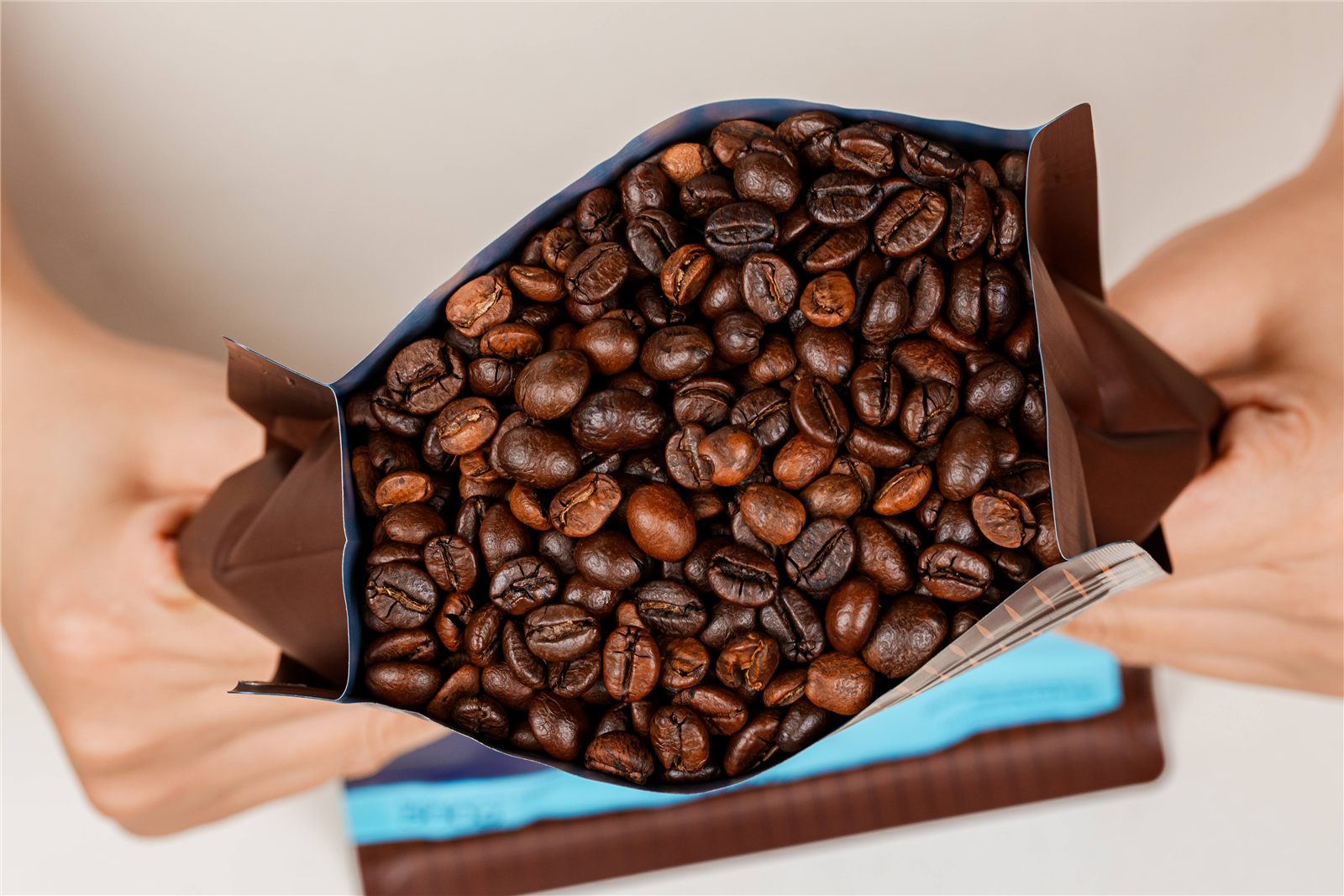
An attractive percentage on a label does not automatically make a good espresso. At home, the most useful question is whether the coffee can reliably become a drink you enjoy each day. In offices, consider whether people must repeatedly adjust the machine when a new batch of beans arrives. Such practical criteria can matter more than comparing ratios by name alone.
4.2. When might 80% Robusta and 20% Arabica be a good fit?
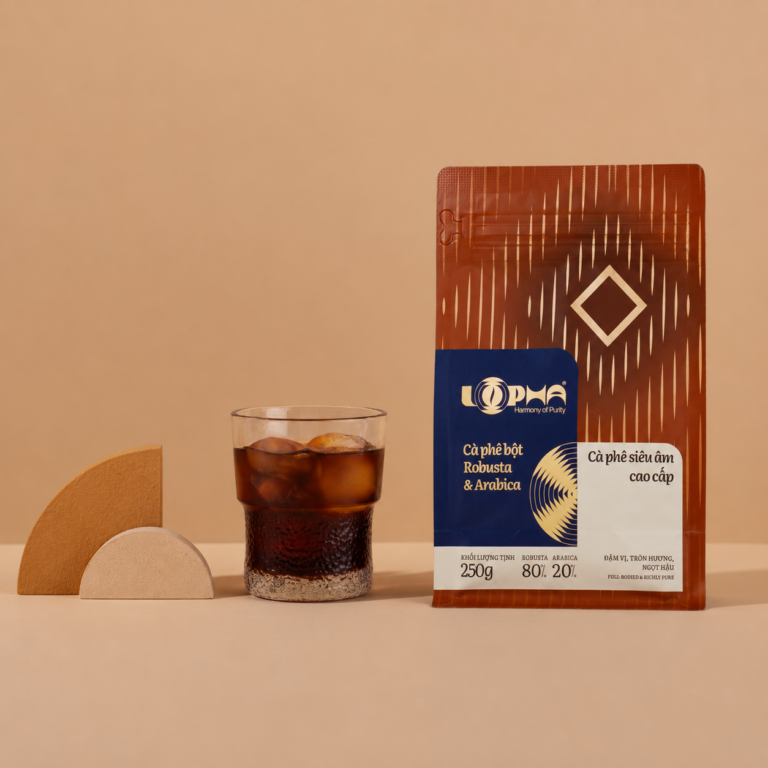
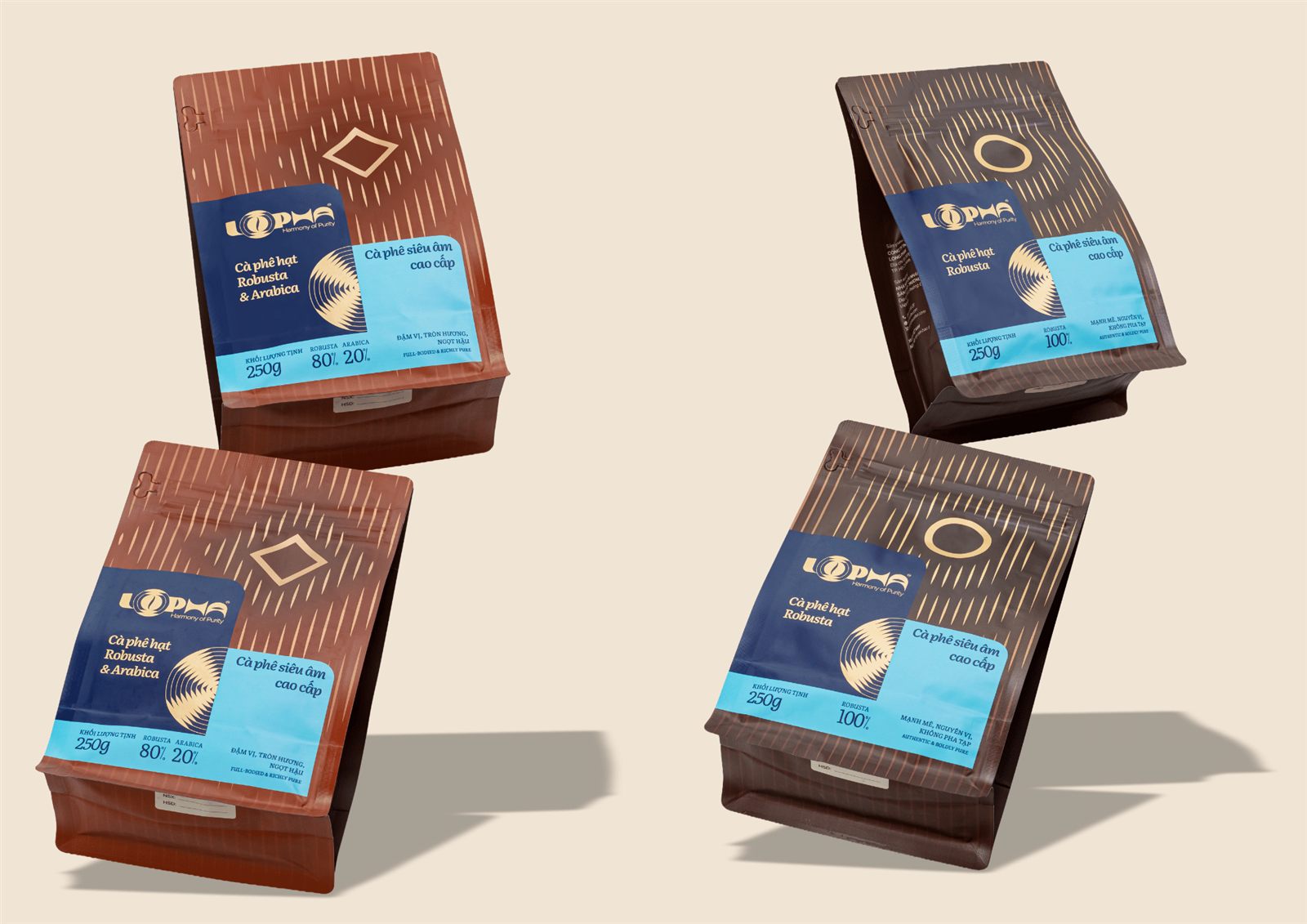
In an 80% Robusta and 20% Arabica blend, Robusta makes up most of the beans while Arabica contributes to the blend's intended profile. People looking for a familiar, relatively bold espresso base may include this ratio in their tasting shortlist. LOPHA offers an 80/20 Blend, but actual flavor depends on bean origin, roast level and extraction—not simply those two numbers.
To find out whether the blend fits your needs, first prepare a consistent espresso. Taste part of it black and serve the rest with your usual amount of milk. This shows how the drinking experience changes, instead of assuming an 80/20 blend will always be less acidic, create more crema or work with every machine.
For anyone new to LOPHA's whole-bean coffees, read the product name and blending ratio alongside the bean format, roast information and brewing guidance. The word “Blend” on the front of the package is only part of the story.
5. Which roast level suits machine-brewed coffee?
5.1. What do light, medium and dark roasts offer?
Light roasts can make certain inherent bean characteristics more prominent, including acidity and delicate aromas; acidity may also stand out sharply if the espresso recipe is unsuitable. Medium roasts are often a useful starting point because they can balance the bean's original character with roasted notes. Dark roasting tends to emphasize roast flavors and bitterness, sometimes working well with milk, but darker does not mean better quality.
There is no one roast level that is automatically “correct for espresso.” A person who enjoys bright black espresso may choose a different roast from someone who mainly drinks coffee with milk. Light, medium and dark are not defined identically by every roaster, either, so your experience in the cup matters more than treating the label as an absolute rule.
5.2. Do not judge bean quality by color alone
Dark brown beans are not proof of superior coffee, just as lighter beans do not guarantee a delicate taste. Color reflects only part of the changes brought about by roasting. Espresso also depends on the raw beans, their condition, grind size and recipe. Even similarly colored beans may make different drinks when extracted differently.
Switching from a medium roast to a darker one may require a new grind setting. Changing beans while keeping every setting unchanged can lead to the mistaken conclusion that the new product is poor. Automatic-machine users should also check the manufacturer's instructions before using very oily beans, since some machines have specific guidance for grinders and bean channels.
5.3. A simple way to compare roasts without wasting coffee
Try two roast levels in small bags rather than buying a large bag immediately. Keep the machine, water and drink style the same; adjust the grind for each bag until the cup is reasonably balanced. Then sample both straight espresso and the milk-based version. The important question is not only which first shot smells best, but which coffee you still enjoy making after several days.
Sometimes a coffee that makes a striking first impression is not the one you want every morning. A suitable roast delivers an enjoyable taste repeatedly and works with both your equipment and routine. There is no need to find a single answer for everyone.
6. How should homes, offices and cafés choose coffee for their machines?
6.1. At home: prioritize your taste and desired level of control
At home, people who like dialing in espresso often prefer whole beans so they can control the grind. With an automatic bean-to-cup machine, convenience may instead mean finding beans that brew consistently without extensive daily adjustments. Both approaches make sense; the difference is how much time and control you want to devote to coffee.
When changing beans, it is usually wiser to buy enough for a few trials than to stockpile immediately. If your espresso machine has no built-in grinder, you will need a suitable grinder or pre-ground coffee at the right setting. Capsule machines, meanwhile, require compatible capsules; loose beans or grounds cannot simply replace them.
6.2. In the office: choose coffee that works for different preferences
At work, one person may drink straight espresso, another an americano, while many colleagues prefer coffee with milk. A very bold bean could delight one group yet overwhelm another. Watch which drinks people order most often, then prioritize beans that deliver repeatable results when many people share the machine.
Suitability also involves storage, cleaning and who maintains the machine. A popular coffee that demands constant adjustment—or has nobody managing stock—may prove inconvenient for shared use. For a business coordinating beans and equipment, an office coffee solution should be discussed in terms of actual needs and consumption volume, rather than choosing machines by headcount alone.
6.3. In cafés: test the coffee in the drinks you actually sell
Cafés should trial beans in their real menu items. A Blend praised as black espresso may taste quite different once milk or ice is added; conversely, an ordinary-seeming espresso may pair beautifully with milk in a latte. Repeated tests in real recipes are more useful than judging one isolated tasting cup.
Beyond taste, cafés face peak-hour demands: do the beans perform consistently when shots are pulled back-to-back, can different shifts repeat the recipe, and how much coffee is wasted dialing in the grinder? The purchase price per kilogram is only part of the cost. Dose and actual saleable servings determine bean cost in real operating conditions.
7. How to store espresso coffee for consistent flavor
7.1. Choose whole beans or ground coffee for your equipment
Whole beans usually provide more control over grind size, especially when a machine needs adjusting for each new bag. Pre-ground coffee saves a step but must be ground appropriately for the brewing method; the label “ground coffee” alone does not guarantee that a product will work in your machine.
When buying, check the selected variant instead of guessing from product photos. LOPHA offers both whole-bean and roasted ground coffee. If you need coffee ground for your machine, compare the specific grind option with the equipment and the version you actually order.
7.2. After opening: consistency matters more than elaborate tricks
Coffee may lose aroma with prolonged exposure to air, moisture, light and heat. Reseal the bag after opening and keep it in a cool, dry place away from hot kitchen equipment and direct sun. When buying several bags, opening them one at a time generally protects quality better than opening them all together. These small habits are enough to make everyday brewing more consistent.
If your machine has a bean hopper, add an amount suited to your rate of consumption rather than automatically emptying a large bag into it. Depending on the machine design, beans left in the hopper may be exposed to more air and heat. Pre-ground coffee has a greater exposed surface area than whole beans, so keep it well sealed and follow the manufacturer's guidance on reasonable use after opening.
No storage technique can return opened beans to the moment they were freshly roasted. But stable storage conditions and using only what you need can reduce unnecessary variation from morning to morning.
8. Frequently asked questions about coffee for espresso machines
8.1. Must espresso machines use coffee labeled “espresso”?
No. The word “espresso” on a bag usually suggests a roasting style or intended use; it is not a mandatory technical requirement. With bean-to-cup equipment, check roast level, grind and recipe controls. Capsule machines are different because they require capsules designed for the device.
8.2. Can automatic and semi-automatic machines use the same beans?
They can, but do not assume the results will be identical. Semi-automatic machines generally allow more control over grinding, tamping and extraction, while automatic machines limit some steps by design. Before switching beans, check the machine's guidance on bean types, surface oil and grinder cleaning.
8.3. Does machine-brewed coffee need a dark roast to produce more crema?
No. A medium-roast espresso can be well balanced, and crema depends on several factors besides roasting level. Rather than choosing beans just for a thick foam layer, taste their aroma, flavor and aftertaste.
8.4. If espresso tastes too sour or bitter, should you change the beans immediately?
Not yet. If a shot is overly sour or bitter, record the grind setting, dose, espresso yield and cleanliness of the machine. Adjust one factor at a time and taste again. Once the recipe is reasonably stable, changing beans or roast level may make more sense if the flavor still does not suit you.
A good machine helps make brewing consistent; beans that suit your taste make the moment of drinking worth looking forward to. Once you know whether you prefer straight espresso or latte, which machine you use and how many people you serve, choosing coffee becomes less about guessing from labels. With Robusta, Arabica and Blend in LOPHA's whole-bean range, you can start with the taste you know and make a small change to find a cup that fits your daily life.