Coffee for Meetings and Guests: How to Prepare a Thoughtful, Professional Service
Coffee served to visitors should arrive at the right moment and be easy to prepare. With a simple menu, guest numbers, an appropriate machine location and a named person in charge, an office can offer polished hospitality without unnecessary complexity.
A meeting starts at nine, guests arrive ten minutes early, and someone asks whether they can have black or milk coffee. If the reception area is unprepared, that small request can leave the host juggling the machine, cups and the meeting schedule. Coffee for meetings and guests is therefore about more than delicious beans. It is about offering a drink at the right time, conveniently and thoughtfully enough for visitors to feel welcome.
Unlike a self-service pantry, a meeting room has a schedule, an expected number of guests and a need to avoid interrupting work. A good plan covers a short menu, service location, the person preparing drinks, the ability to make several cups in succession and alternatives for those who do not drink coffee. When these details are settled, a welcoming reception does not have to be extravagant to feel professional.
1. How Do Meeting Rooms and Reception Areas Differ from the Pantry?
1.1. Timing Matters More Than a Long List of Choices
In the pantry, employees can make coffee whenever convenient. In a meeting room, drinks should arrive before the meeting or at an agreed break; nobody wants a coordinator searching for coffee halfway through a presentation. Ask three questions first: how many visitors are expected, how long will they stay and when is it appropriate to offer drinks?
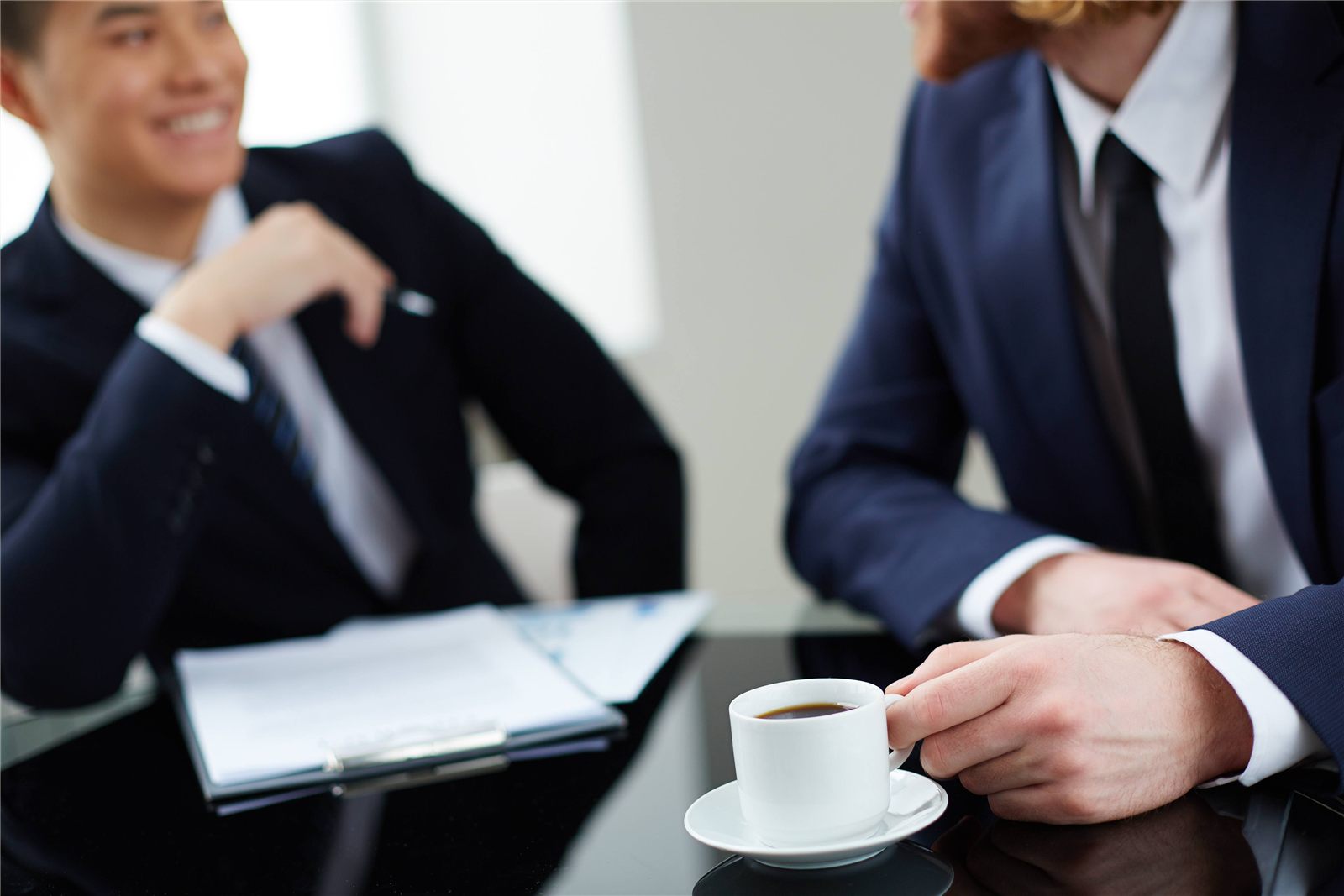
A thirty-minute meeting with two guests needs a different setup from an internal seminar for twenty. For a short visit, serving drinks on arrival is often simplest. At a longer session, a separate refreshment area may avoid repeated trips past the table. Do not try to run a café-style menu without the people and time to operate it.
Coffee is usually an opening gesture, not the main purpose of the visit. Thoughtfulness means guests can choose comfortably while the discussion still starts on time.
1.2. Who Prepares Drinks and Cleans Up Afterwards?
The person booking the room is not necessarily the one making coffee. If the company has reception or administration staff, appoint someone to receive guest numbers, arrival times and service requirements. In a building with meeting rooms on several floors, know where the machine is, how far drinks must be carried and who clears the room after guests leave.
For meetings with international visitors, asking politely about beverage preferences in advance can help, without prying into personal tastes. Straightforward options such as black coffee, milk coffee, tea and water often suffice. Consider guests who avoid caffeine or dairy instead of assuming everyone drinks coffee.
A meeting-room booking form with fields for “beverages required” and “number of guests” helps staff prepare without lengthy back-and-forth messages.
2. Build a Short Menu That Makes Choosing Easy
2.1. Two Coffee Choices and One Non-Coffee Option
Without a dedicated barista, a long menu increases preparation time and mistakes. Start with espresso or americano for black-coffee drinkers, a milk option for those who prefer something gentler, and always offer tea or water. This is a menu-design example, not a compulsory selection for every office.
Choose drinks that suit the equipment you actually have. An automatic machine with a milk function may speed things up; an espresso-only machine requires milk to be prepared separately. If several guests order at once, individually crafted shots can leave everyone waiting. Offices serving traditional phin coffee should account for its brewing time and prepare in advance instead of placing a fresh phin on the table just as the meeting is due to start.
A shorter menu is easier to teach new staff, and guests need not make endless decisions during an already busy appointment.
2.2. Choose Flavours That Work for More People
Hosts rarely know every visitor’s coffee tastes. Very bold beans may please iced milk coffee lovers but feel heavy to someone who prefers americanos. A bright, acidic coffee may interest black espresso fans yet be less approachable for a mixed group. Test beans in the two drinks most often served, and ask a few colleagues to taste them.
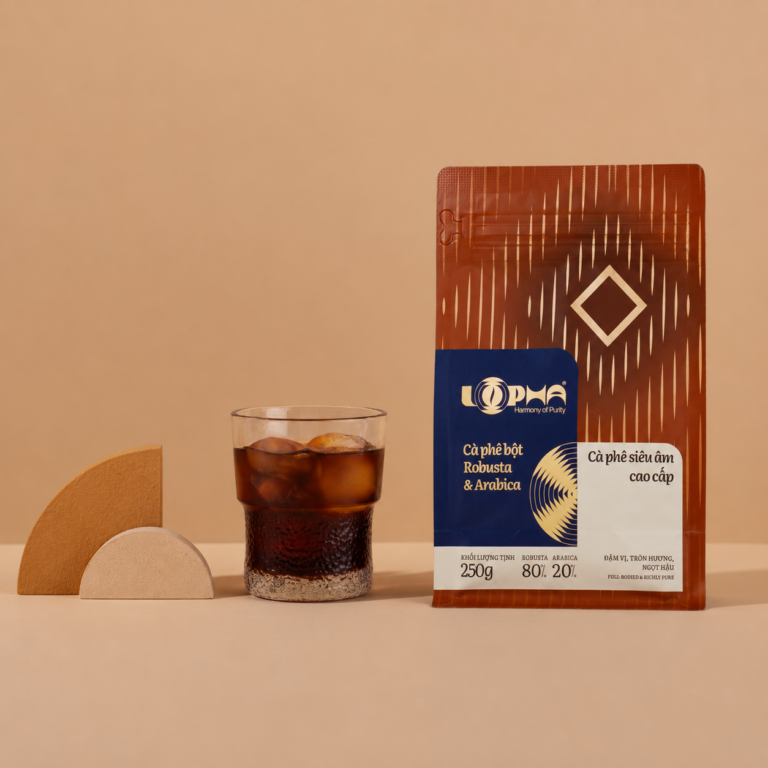
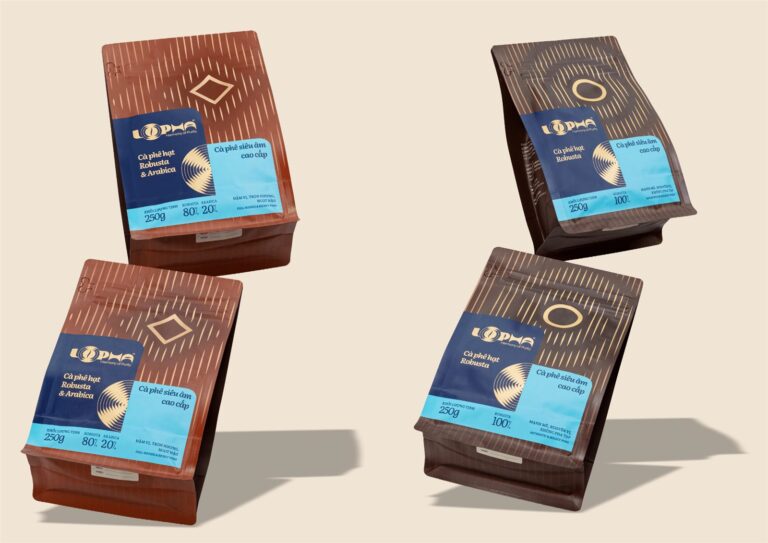
LOPHA offers Robusta, Arabica and an 80% Robusta–20% Arabica Blend. When choosing whole beans for a machine, check the exact format, roast and equipment recommendations; the blend ratio alone cannot guarantee a flavour everybody likes. A reception area need not stock all three. One choice that serves the menu consistently is often better than opening several bags at once.
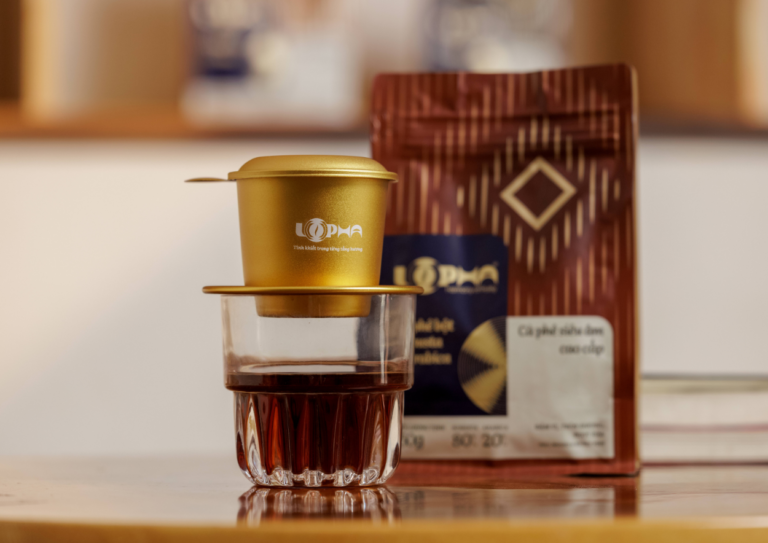
When guests are interested in Vietnamese coffee, the host can briefly describe the beans if asked. Keep it natural; the coffee before a meeting should not become a brand presentation.
3. Estimate Service Time from Guest Numbers, Not Just Machine Capacity Claims
3.1. Test What Happens When Many People Order at Once
A machine advertised as serving many cups a day may not make ten milk drinks in a few minutes. For a meeting of ten people, test how long each drink takes, including selection, cup collection, extraction, milk preparation and resetting the station for the next drink. Warm-up time and refilling water can also affect the schedule.
Consider a hypothetical example: if each drink requires an average of fifty seconds of operation and waiting, ten prepared consecutively take about eight minutes and twenty seconds, excluding picking up cups, carrying drinks and water refills. Some tasks can overlap in practice, but others cannot be shortened. This simple arithmetic is not a performance specification for any LOPHA machine; it shows why guest numbers and drink choices determine preparation time.
When a meeting has a fixed start time, plan backwards, allow a few spare minutes and finish noisy preparation before the discussion begins.
3.2. Keep the Service Area Orderly Even When Busy
A small station can be arranged in sequence: clean cups, brewing area, a place for guests to add sugar or milk where appropriate, and a spot for used cups. For self-service, use clear labels so newcomers do not have to ask repeatedly which control dispenses hot water. If staff prepare and carry drinks, the route to the meeting room should be easy enough to avoid spills and excessive cooling.
Give used grounds, wastewater and consumables their own disposal area, away from drinks awaiting service. For milk systems, follow the storage and cleaning instructions for the specific machine; do not leave milk at room temperature too long simply because meetings follow one another.
A well-presented reception area does not need a large counter. It feels orderly when everything is in its place and staff can work without adding noise to the meeting room.
4. When Is a Separate Coffee Station Worth Having?
4.1. Do Not Buy Another Machine Just for Occasional Busy Visits
If the office normally hosts only a few small meetings, sharing the pantry machine under a clear service routine may be enough. A rarely used meeting-room machine adds costs, cleaning and space demands. Businesses regularly holding seminars, welcoming consecutive groups or serving visitors far from the pantry may benefit from a separate station that reduces travel time.
Ask how many events need drinks each week, how many cups are served within a typical twenty- to thirty-minute period and who is available to operate the setup. If those figures are unknown, track meeting schedules for a month before choosing equipment. Frequency matters more than the feeling that a separate counter would look professional.
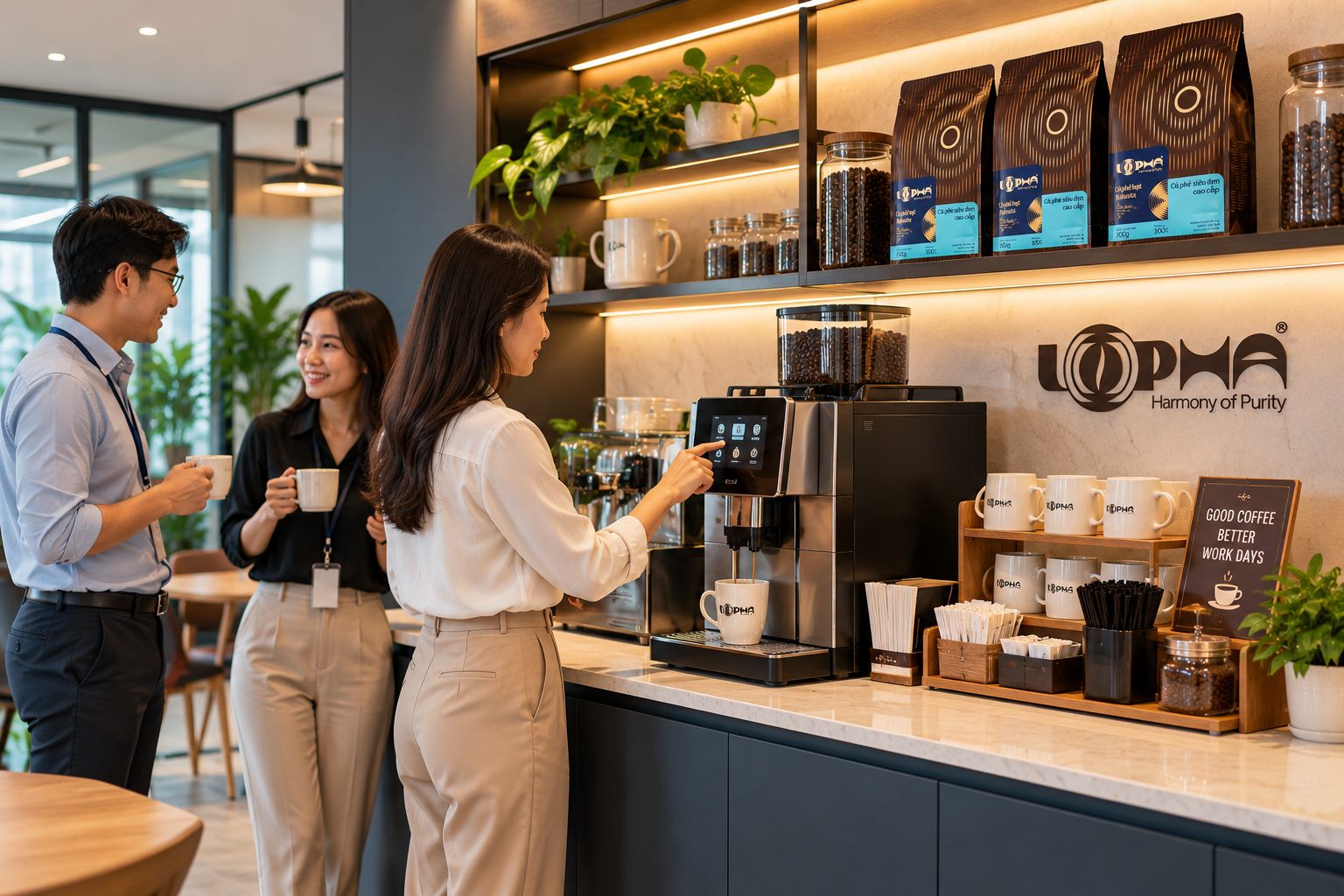
For companies planning both a pantry and visitor service, LOPHA’s office coffee solutions can provide a starting point. Then discuss visitor numbers, busiest service times and existing equipment separately. The two areas may share beans without needing identical layouts.
4.2. Match the Service Style to Available Staff
Some offices have dedicated receptionists; elsewhere, the meeting organiser prepares everything. In the first case, a more versatile machine may be useful if staff receive training. In the second, simple operation and repeatable results are usually more important than having many functions.
Where shifts are shared, record the recipes and serving sequence in a short guide for the agreed menu. One espresso enthusiast should not be the only person who knows how to make drinks for visitors. The meeting should run just as smoothly when that person is away.
For international guests, do not assume traditional Vietnamese phin coffee is the only appropriate expression of local culture. Some prefer an americano and others tea. Flexibility and respect for personal habits create the better impression.
5. Checklist Before, During and After a Meeting
5.1. Before Guests Arrive: Check Drinks and Equipment
A preparation sheet can list start time, confirmed guest count, expected drink choices, server, clean cups, machine status, water, milk or other ingredients and the collection point. Before an important meeting, check whether the machine needs a cleaning cycle or water refill. Follow the model-specific instructions, never opening internal parts simply to get it ready faster.
If coffee is planned for a break, tell the coordinator how much preparation time is needed. For guests avoiding caffeine or milk, confirm alternative drinks before arrival. There is no need to prepare excessive extras, but do not plan to the exact last cup if attendance may increase.
Checking in advance reduces pressure on staff; hospitality should not become a lengthy administrative ritual.
5.2. During and After the Meeting: Discreet, Clean and Easy to Hand Over
While the meeting is underway, service should be unobtrusive: confirm orders, place cups safely and avoid unnecessary movement or machine noise during presentations. Late arrivals can be offered water first and coffee at a suitable moment; there is no need to interrupt the meeting to complete every part of the welcome.
Afterwards, collect cups, dispose of grounds and clean the machine according to its instructions. Record low bean or supply levels. For consecutive meetings, hand over the station’s status before the next guests arrive. If a fault occurs, record it and contact the right person rather than leaving the next shift to discover it with visitors waiting.
Well-served meetings rarely draw attention to the preparation. Everything happens naturally, and the person responsible can still complete other tasks on time.
6. Make Guest Coffee Service a Sustainable Habit
No single coffee-station layout fits every company. Some need speed, others a conversation-friendly space, and others a chance to introduce Vietnamese coffee culture. Some businesses use the same menu in the pantry and reception to simplify bean management; others offer an extra choice in meeting rooms. What matters is that someone maintains each setup and reviews it after a period of real use.
Once visitor numbers and service patterns are reasonably clear, administration can discuss the available space and serving needs with LOPHA to see which solutions are appropriate. If meeting rooms share beans with the pantry, say so explicitly, so purchase forecasts and delivery schedules do not count one demand twice.
A cup offered to visitors is remembered not always for intricate flavour, but because it arrived at the right moment, suited the way they like to drink coffee and did not interrupt the conversation. That care begins with small choices any office can prepare in advance.