What Is Clean Coffee? From 100% Pure Coffee to LOPHA’s Pursuit of Purity
Clean coffee, 100% pure coffee, unflavored roasted coffee and purity-focused coffee mean different things, even though shoppers often confuse them. Understanding ingredients, production methods and packaging information helps you choose coffee with greater confidence and enjoy what suits you.
When shopping for coffee, the words on the packaging can be surprisingly confusing. One bag says ‘100% pure,’ another says ‘roasted without additives,’ and a third emphasizes ‘purity.’ All sound appealing, but do they mean the same thing? Before thinking about a bold or delicate cup, or whether you brew with a phin or a home machine, it helps to understand what you are buying and which information you can rely on.
Put simply, ‘clean coffee’ is a widely used expression for coffee whose ingredients, processing conditions, storage and consumer information receive careful attention. The word ‘clean’ on its own cannot answer every question. What matters is what stands behind the claim: what is in the bag, how the ingredients were handled and what information can be checked. Once those points are clear, choosing a preferred flavor and brewing method becomes much easier.
1. What is clean coffee?
1.1. What information should support the word ‘clean’?
In everyday life, people often take clean coffee to mean clearly identified ingredients, hygienic production and efforts to limit unwanted substances. That is a reasonable expectation. Yet two packages described as ‘clean’ may differ in bean variety, roast, ingredients and how openly their producers share information.
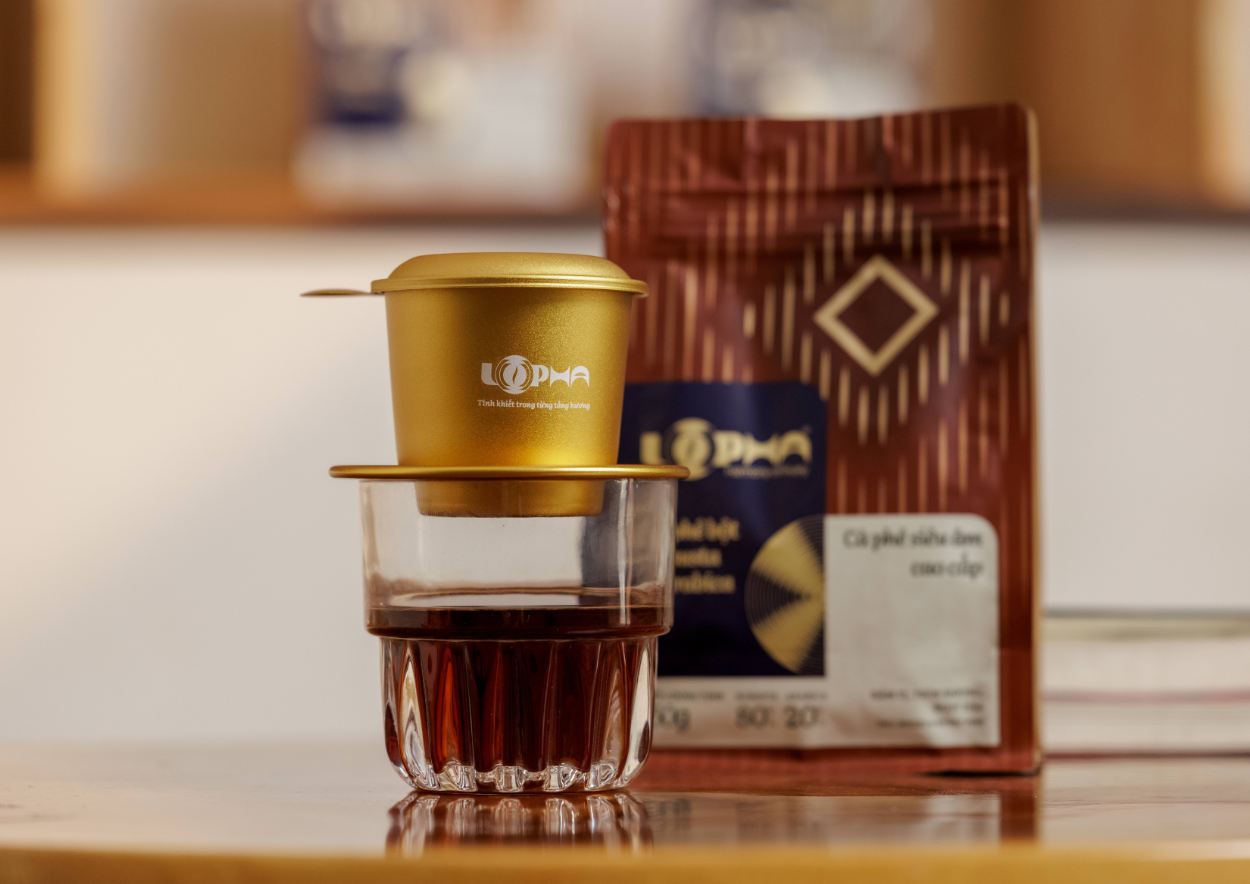
Imagine two coffee bags side by side. One clearly lists its ingredients, weight, responsible company, best-before date and storage instructions. The other devotes plenty of space to attractive claims but omits these details. Even before opening either bag, you have a clearer place to begin your research. A well-presented label cannot replace the quality inside, but it gives buyers a useful starting point.
It is also worth distinguishing clean production from enjoyable flavor. Coffee made under carefully controlled conditions may still not appeal to someone who loves a strong, bitter cup. Conversely, enjoying a coffee from the first sip does not prove that every stage of its production was well managed. A good choice takes both perspectives into account rather than expecting taste to answer every question.
1.2. Three questions to help you understand a coffee product
First, ingredients: does the package contain coffee alone, or have other ingredients been added? Next, production: how were the cherries harvested, processed, roasted and packed? Finally, consistency: do the label, sales description and supplier's explanations tell the same story?
You do not need to study a lengthy dossier every time you buy everyday coffee. The information on the bag often narrows your choices considerably. If a product makes a special claim, such as removing a particular substance or offering a health benefit, that is the time to ask for supporting test evidence. Being curious about the things that matter to you is more useful than trying to decode every technical term on the label.
2. How do clean, 100% pure, unflavored roasted and purity-focused coffee differ?
These four expressions often appear together, but they answer different questions. ‘100% pure’ mainly concerns ingredients; ‘roasted without additives’ describes roasting without extra flavoring or taste-altering ingredients; ‘clean’ draws attention to production conditions and quality controls; and ‘purity’ should be understood in light of the meaning and evidence the brand provides.
100% pure: Key question: Does the package contain coffee only? — What the label alone cannot prove: Does not automatically guarantee proper storage or enjoyable flavor
Roasted without additives: Key question: Were butter, flavorings or other ingredients added during roasting? — What the label alone cannot prove: Does not establish origin or compliance with safety parameters
Clean: Key question: How are ingredients, production and storage controlled? — What the label alone cannot prove: Cannot be established by the word “clean” alone
Purity-focused: Key question: Which approach and production stages does the brand describe? — What the label alone cannot prove: Not automatically a certification accepted across the industry
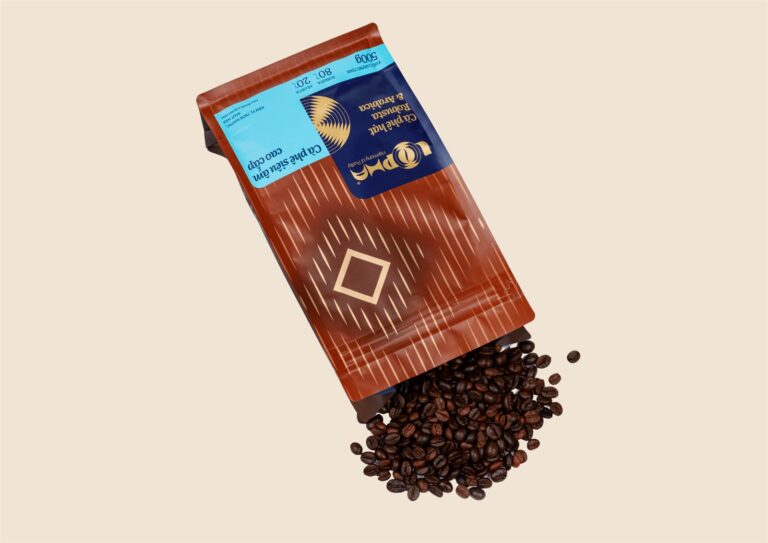
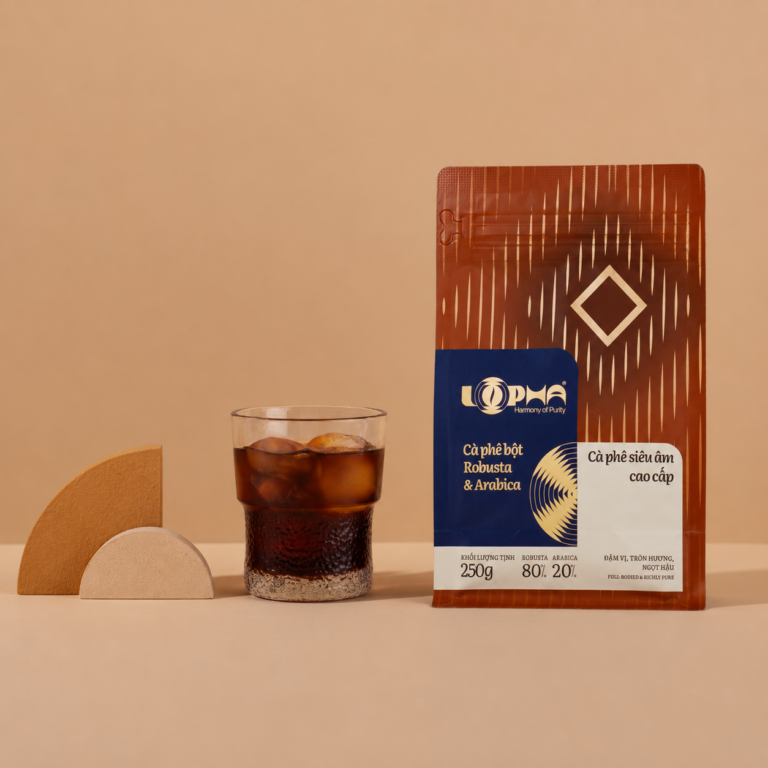
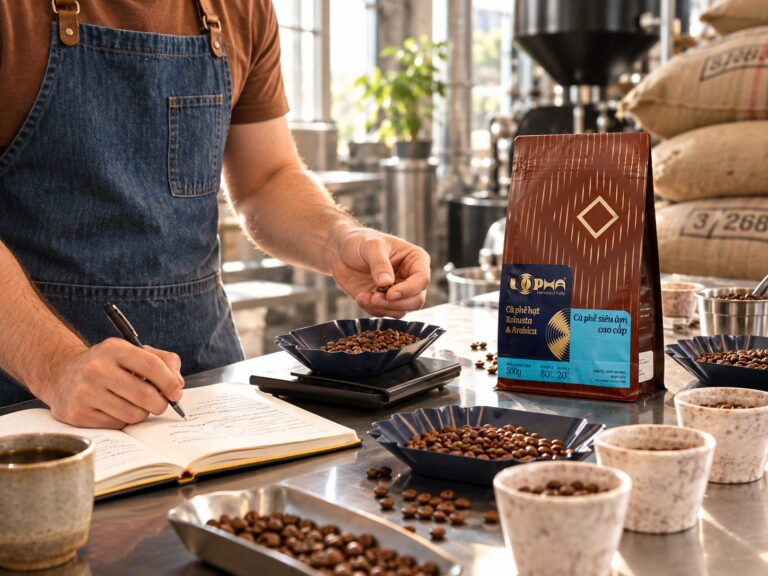
A blend of 80% Robusta and 20% Arabica can still be 100% coffee because both ingredients come from coffee beans. LOPHA's 80/20 Blend illustrates how two coffee varieties can be combined without adulteration. Similarly, roasting without flavoring additives tells you something about roasting, but it leaves separate questions about sourcing, storage and finished-product quality.
The meaning of ‘purity’ becomes clearer when you look at how a brand actually produces its coffee. At LOPHA, the choice to process green coffee beans with specialized technology is part of a pursuit of purity developed through years of research and production. That gives buyers a story they can explore alongside the details they can verify directly on the label. A description is more convincing when it is backed by a specific way of working.
3. What should you check first when holding a coffee bag?
3.1. The product label is the easiest starting point
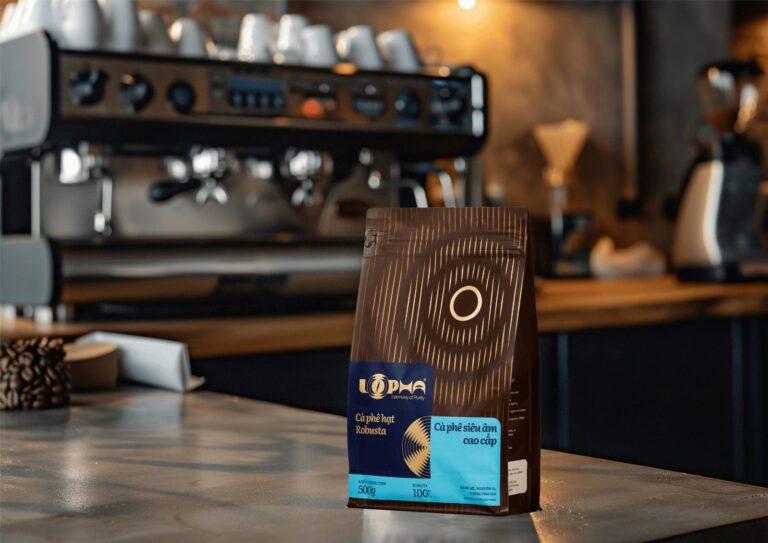
A minute spent reading the packaging can prevent a disappointing purchase. The product line and ingredients tell you whether you are buying Robusta, Arabica or a Blend; the whole-bean or ground format tells you whether you will need a grinder. Read the weight, production date, best-before date, storage instructions and responsible company together. With LOPHA, this is especially useful when choosing between whole-bean and ground products intended for different brewing routines, rather than relying on packaging colors alone.
If a roast date is provided, consider it alongside the packaging and storage conditions. Roasted coffee continues to release gas and its aroma changes over time. A bag roasted yesterday is not automatically better for every brewing method than coffee that has been stored correctly and given appropriate resting time. When shopping online, check the exact product variant and pack size carefully: an attractive main photograph may not represent every whole-bean, ground or weight option on the same page.
3.2. Certifications, processes and tests answer different questions
Clear information about a growing area helps you understand where the ingredients come from. A process description explains the stages the beans have passed through. A management-system certification covers the scope assessed, while a laboratory report records results for particular samples and test parameters. Each sheds light on a different aspect of the product. Knowing which one answers your question helps you see through long promotional descriptions.
For example, if you want to know whether a coffee has been tested for a particular safety parameter, ask about the relevant test results. If you want beans for an espresso machine, the immediate questions are the product format, roast level and the machine's instructions. Looking for the right information saves time and prevents unrealistic expectations based on a vague ‘certified’ claim whose scope has not been stated.
3.3. What can bean color, aroma and foam really tell us?
Some roasted beans develop a slight sheen when natural oils reach the surface. A dark-looking black coffee may taste distinctly bitter because of the bean variety, roast level or brewing method. Chocolate-, nut- or fruit-like aromas may also arise naturally from compounds in coffee. Looking, smelling and tasting are part of the pleasure; they simply cannot verify ingredient composition on their own.
If the grounds smell moldy, the bag is torn or the product shows unusual signs, checking its condition and contacting the seller is more appropriate than trying to fix it with a different recipe. Conversely, ordinary differences in surface sheen, cup color or crema are not enough to label coffee ‘real’ or ‘fake.’ Observations at home are most useful for noticing product condition and learning what you enjoy.
4. How is quality protected from coffee cherry to finished bag?
4.1. The work begins before the beans reach the roaster
A good coffee is often remembered for its first aroma. Long before that moment, however, coffee cherries grew on trees, were harvested, pulped, had their mucilage treated, were dried and stored as green coffee beans. Uneven ripeness, bruised cherries or unsuitable moisture levels can all create difficulties for later stages.
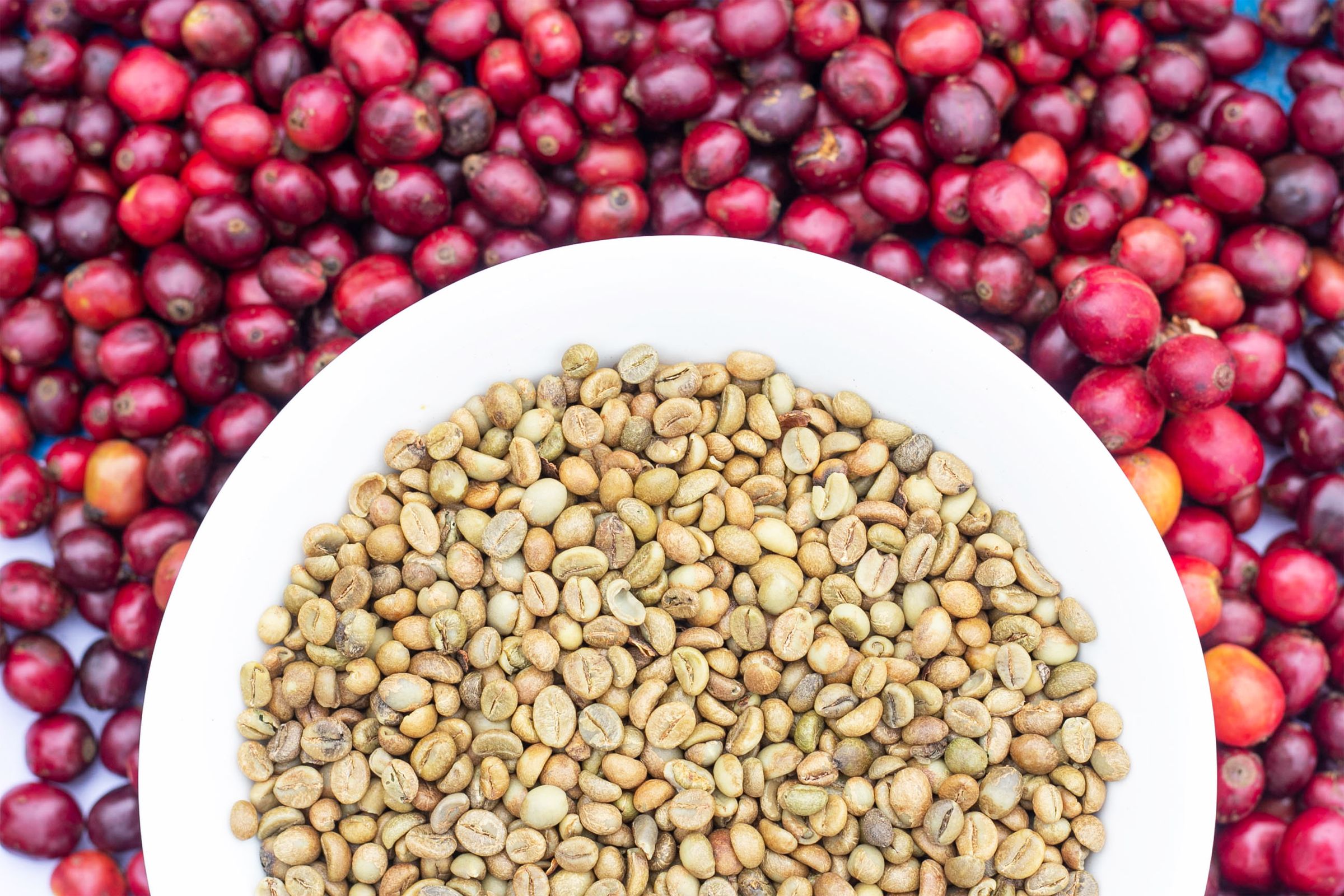
Roasting develops the familiar aromas and flavors, but the foundations of quality are laid much earlier. Harvesting at the right ripeness, treating raw materials carefully and managing moisture help beans enter roasting in better condition. A story about a growing region is more complete when it also explains how the beans were cared for and prepared after harvest.
4.2. Packaging and storage carry the producer's work forward
The journey does not end when the beans leave the roaster. Coffee continues to release gas, aroma compounds change over time, and air, temperature, humidity and light can affect the cup. Suitable packaging helps protect the finished product under its stated conditions of use. After opening the bag, the drinker continues that care by closing it securely, storing it somewhere dry and taking only the amount needed for each brew.
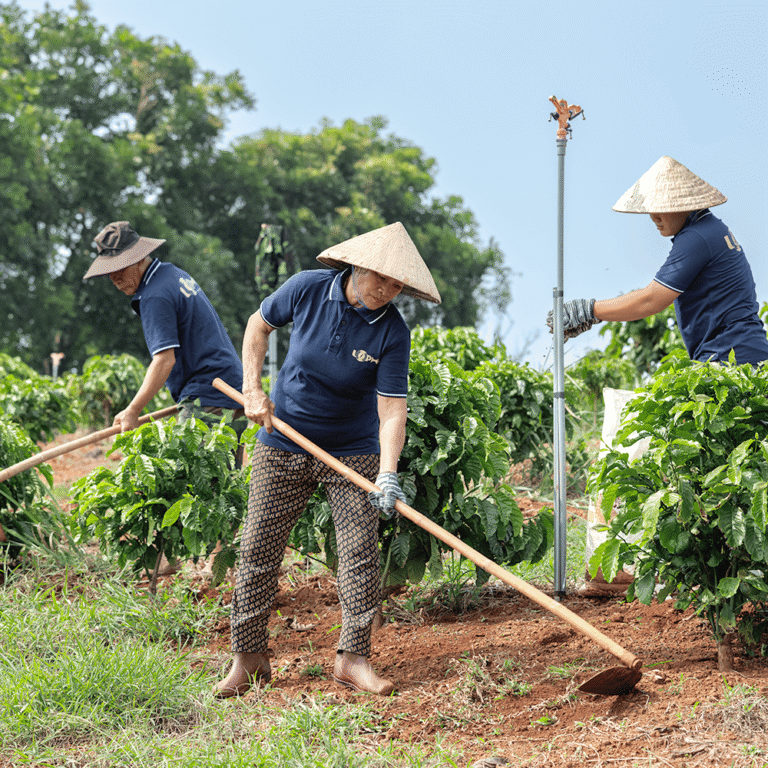
LOPHA describes the bean's journey in 15 steps from farm to cup: four stages at origin followed by eleven at the factory. Ripe cherries are harvested and processed into green coffee beans; the beans are then further selected, cleaned, roasted, packed and tested. Looking at the whole journey explains why the quality of a finished bag cannot depend on a single technology or roasting batch.
5. How does LOPHA put its pursuit of pure coffee into practice?
5.1. Ultrasonic technology is used at the green-bean stage
In LOPHA's production approach, ultrasonic technology is used to process green coffee beans before roasting. As ultrasonic waves travel through water, they can produce cavitation: tiny bubbles form and collapse, creating localized physical effects. Under suitable processing conditions, these effects may help detach certain substances adhering to the bean's surface. This is a distinctive method of preparing the ingredient, not something added to the coffee.
Imagine green coffee beans being prepared for roasting. In addition to selection and preliminary cleaning, LOPHA introduces an ultrasonic treatment in water, followed by the necessary subsequent steps. Understanding ultrasonic coffee cleaning helps explain how cavitation bubbles can act on bean surfaces. Once the place of this step is clear, it is easier to see that technology is one part of the larger journey.
5.2. Understanding what the technology can and cannot prove
The effectiveness of a cleaning stage depends on the condition of the beans, operating parameters and how results are measured. For specific parameters such as residues or microorganisms, appropriate sample tests and methods are needed to establish performance. Cavitation explains the mechanism; quality in the finished bag must still be evaluated across the production chain and through verifiable information.
What makes this approach worth exploring at LOPHA is the combination of clearly defined coffee ingredients and a green-bean treatment placed deliberately within the process. ‘Purity’ is therefore more than a feeling evoked by a name. Coffee lovers can see a tangible approach and judge the result by familiar things: the label, storage guidance and flavor in their everyday cup.
6. Once you find a trustworthy product, should you choose Robusta, Arabica or Blend?
6.1. Taste preferences are not a quality ranking
Someone who enjoys a bold phin coffee may want something different from someone who prefers an aromatic black espresso. Robusta can offer pronounced bitterness, a full body and a lingering finish. Arabica is often appreciated for delicate aromas and more noticeable acidity. A Blend combines bean varieties to create its own flavor direction. All three can be good choices when the ingredients are clear and the product suits the drinker.
LOPHA's three whole-bean lines—100% Robusta, 100% Arabica and an 80% Robusta–20% Arabica Blend—each offer a different flavor experience. Someone accustomed to milk coffee with a distinctly bitter base may start with Robusta or Blend; someone seeking delicate aromas and clear acidity might consider Arabica. Bean names give you a starting point, while roast level, grind size and brewing recipe shape the final cup.
6.2. Choose whole beans or ground coffee to suit your equipment
A bag of whole beans can delight someone who likes to grind immediately before brewing. But if the kitchen has only a phin and no grinder, appropriately ground coffee is far more convenient. Espresso-machine owners should check their equipment instructions and the available grind adjustments; users of automatic bean-to-cup machines should also follow the manufacturer's guidance on beans and cleaning.
Starting with reliable product information and moving to a practical brewing choice helps shoppers avoid a common disappointment: buying coffee that sounds appealing but cannot be prepared properly at home. When trying a new line, buying a manageable quantity and keeping the recipe consistent for the first few brews is usually more helpful than changing beans, water and equipment all at once.
7. Three everyday situations that make coffee shopping simpler
7.1. Morning phin coffee: start with what you already enjoy
If you brew with a phin before work, think about whether you drink it black or with milk and whether you prefer pronounced bitterness or something gentler. Then look for clearly labeled ingredients and ground coffee suited to a phin—or whole beans if you own a grinder. Robusta is a familiar option for bold-coffee drinkers; Blend may appeal if you want a slightly more balanced impression. Do not let the phrase ‘roasted without additives’ replace checking the grind size and storage instructions.
Once a bag seems right for your needs, make several cups using roughly consistent amounts of coffee and water. A disappointing first cup does not necessarily mean you chose the wrong beans: a phin flowing too quickly or water that is too cool can change the result considerably. A measured approach helps separate the coffee's character from differences in brewing technique.
7.2. Coffee machines: read the machine instructions before choosing beans
Some bags display ‘espresso’ prominently, but the word alone does not guarantee compatibility with every machine. Bean-to-cup machines, semi-automatic machines and capsule systems use different types of coffee. A grinder owner can adjust fineness, while buyers of pre-ground coffee need to check whether its grind suits the filter basket and extraction method. Dose, water volume and brew time also have a major influence on flavor.
For machine brewing, the reliable choice is not the bag with the largest ‘espresso’ label but the product format that suits your equipment. Beans intended for an automatic grinder cannot simply be used in a capsule machine, and pre-ground coffee must suit the filter. Check the machine's instructions and the exact product variant on the sales page. Choosing correctly from the start protects both convenience and the flavor you are hoping for.
7.3. Buying coffee as a gift: think beyond beautiful packaging
When gifting coffee to a colleague or loved one, a simple question can save considerable uncertainty: do they brew with a phin, use a machine or rarely make coffee themselves? Someone who enjoys grinding beans may love a whole-bean bag; someone with only a phin will find ground coffee easier to use. If you do not know their habits, ask discreetly or prioritize an accessible product with clear information.
A thoughtful coffee gift is one that can be opened and enjoyed after the occasion. Equipment compatibility, flavor, pack size and storage may matter more than elegant adjectives printed on the box. Choosing for the person who will drink it shows consideration without needing an elaborate sales pitch.
8. Frequently asked questions about clean coffee
8.1. Does roasting without additives automatically make coffee clean?
Roasting without additives generally means roasting coffee beans without coating them in butter, flavorings or other taste-altering ingredients. This is useful information, but evaluating a product also calls for attention to its ingredients, storage and relevant quality records. Those two words alone cannot tell the whole story.
8.2. Does 100% pure coffee mean organic coffee?
The terms refer to different things. ‘100% pure’ concerns what the coffee contains, while ‘organic’ refers to the requirements of an applicable organic production system. A product should be marketed as organic only when there is suitable evidence to support that claim—not simply because it is pure or has undergone a cleaning process.
8.3. Can water, color or foam tests identify genuine coffee?
Looking at color, observing foam or experimenting with coffee in water may reveal differences in roast level, grind size or extraction. They are not comprehensive tests of ingredient composition. If you want to know whether non-coffee ingredients have been added, product declarations and appropriate laboratory results are more reliable than a kitchen trick.
8.4. Does clean coffee contain less caffeine or make you feel less jittery?
The word ‘clean’ says nothing about how much caffeine is in your cup. Caffeine naturally occurs in coffee beans; the amount you consume depends on the raw material, dose and brewing method. Individual sensitivity also varies. Even when a product is described as clean or pure, choose an amount that suits your body and routine.
8.5. Where can I buy clean coffee with confidence?
A seller who provides complete product details, accessible contact channels and a clear way to handle problems is a good starting point. Whether buying in person or online, checking the correct bean or ground version, pack size, best-before date and storage guidance is more useful than a broad promise. Then return to the most familiar question: does this coffee suit my taste, brewing equipment and budget?
A worthwhile coffee does not need a long list of flattering adjectives. Clear ingredients, production methods you can learn about, consistent information and a flavor that fits your routine are what make people want to buy again. For LOPHA, purity means attentive care for the beans and the choice to process them before roasting. In each kitchen, that value truly comes together when the drinker finds a cup that feels right.