Borrowing a Coffee Machine Based on Consumption: What Should Businesses Know Before Applying?
Understand the differences between borrowing, renting and buying a machine, how consumption is assessed, and which terms on equipment, deposits and maintenance to clarify before making a decision.
A business planning a coffee corner for employees but not ready to buy a machine often asks: if we purchase coffee every month, could we receive machine support? A consumption-based machine loan may be worth considering, but the person responsible needs to know who owns the equipment, how long it can be used, who looks after it and whether the business can sustain the required bean purchases.
What makes an arrangement attractive is not the word “loan” written in large letters. It is whether, three months later, people still enjoy the coffee, the machine works reliably and administration is not struggling with terms nobody discussed. Treat this as a conditional operating arrangement, not a free machine included with an order.
1. What Does Borrowing a Machine Based on Coffee Consumption Actually Mean?
1.1. Borrowing, Renting and Buying Give Different Rights of Use
Three identical-looking machines may serve similar espressos but involve completely different ownership arrangements. After purchasing a machine, a company decides how to keep or replace it within its ownership and warranty terms. A rented machine involves payments and a contractual term; a machine borrowed under a supply programme may require ongoing bean purchases or return when buying stops. The first comparison should therefore be the obligations, not the machines’ appearance.
Procurement teams can compare three things: who owns the machine, what the company must maintain and what happens when the partnership ends. A loan linked to regular bean purchases may suit stable demand; a rental agreement may be easier to budget for when consumption varies, depending on the terms. No option is automatically best for every office.
Where a company already has a suitable machine, ordering coffee regularly without borrowing another may be simpler. Decide on the arrangement only after understanding the actual needs.
1.2. Why Do Suppliers Ask About Monthly Consumption?
Machines have investment, upkeep and technical-support costs, while beans require supply planning. When both parties discuss expected monthly consumption, the supplier can recommend equipment and a service schedule, and the business can judge whether demand is steady enough for a longer-term arrangement.
Yet kilograms do not tell the whole story. One office uses 10 kg monthly in drinks spread throughout the day; another consumes the same 10 kg but must serve many people in the first fifteen minutes. The right machine also depends on consecutive-brewing speed, drink types, electricity, water and the person maintaining it.
Do not raise an estimate from 8 kg to 15 kg just to qualify for an unconfirmed benefit. If people do not drink the extra coffee, leftover stock and a long-term obligation can become burdensome. The best figure is one the office can realistically use and monitor.
2. Before Asking to Borrow a Machine, Look at an Ordinary Working Day
2.1. Identify User Numbers and the Busiest Time
Spend a week noting three things: how many people drink coffee regularly, what drinks they prefer and when the pantry gets busiest. Headcount is not the same as consumption. Hybrid offices may be full only on certain days, while meeting rooms sometimes need to serve visitors as well as employees.
If there is no machine yet, estimate drinkers × cups × beans per cup. If the office already serves coffee, recent bean consumption and machine reports are more reliable. Tell the supplier a realistic range—for example, 10–13 kg per month—rather than rounding up to 15 kg to match a published package.
Record peak periods separately. A machine may prepare enough drinks over a full day yet leave people queueing when they take breaks together. Ask the supplier to explain service speed for the drinks actually required, not just a promotional cups-per-day figure.
2.2. Consider Space and Machine Care Before Choosing a Model
In a pantry, people often want to press a button and enjoy an easy-to-drink cup. A complex machine requiring numerous cleaning steps or manual adjustment every morning may not suit an office without a barista. A reception area where someone prepares drinks might have different needs.
Check the power supply, water inlet and drainage, countertop, space for cups and spent grounds, and who cleans the machine. Where there is no plumbed water supply, ask how the tank works and who refills it each day. For milk drinks, check refrigeration and cleaning requirements for that model’s milk system.
The machine that fits the space is not necessarily the largest. Its value becomes apparent on busy mornings, when the counter remains orderly and everybody understands their tasks.
3. Read LOPHA’s Published Information Carefully
3.1. Volume Thresholds Are Starting Points for Discussion
LOPHA’s office partnership page describes monthly consumption bands of 5–14 kg, 15–29 kg and 30–50 kg, along with possible machine and operational support. These figures help businesses gauge their requirements and prepare questions. They are not an automatic chart matching 5, 15 or 30 kg with particular machine models.
Public information must be distinguished from agreed contract terms. A business cannot assume that buying enough beans guarantees machine A immediately, requires no deposit or gives it the right to retain the machine when the partnership ends. Equipment, duration, maintenance and return arrangements must be discussed with sales based on the actual proposal.
A business expecting to consume less than the published bands can still describe its needs and ask what is possible instead of inflating the order. A truthful estimate helps both sides choose a sustainable arrangement.
3.2. Do Rental Terms Also Apply to Borrowed Machines?
A brand or supplier may offer several ways to use equipment. A rental policy specifying monthly fees, a minimum term or upgrades does not automatically apply to someone asking about a volume-based loan. Equally, benefits mentioned in a bean-supply band do not automatically become terms of a separate rental contract.
When receiving a quotation or proposal, ask for the cooperation model to be named clearly at the top. Separate the bean costs, any equipment fees, payment dates and treatment of lower-than-expected consumption. State whether prices include VAT so procurement can make valid comparisons.
Asking detailed questions about maintenance and accessories before signing is easier than making repeated calls when the machine reports a fault midmorning.
4. Six Matters to Clarify Before Agreeing
4.1. Machine Model, Duration and Ownership
First ask which model will be supplied, what features fit the menu and peak periods, whether it is new or used, which accessories are included and who installs it. Then clarify ownership: can the machine ever transfer to the business, or must it be returned at the end? If it is on loan, return conditions and a record of its condition at delivery are especially important.
The loan period cannot be guessed from bean volume either. Some companies want a trial lasting a few months; others need stability for years. The right proposal must match the term the supplier actually allows and state how the agreement may end.
A signed handover record listing the machine ID, accessories and condition will be more useful than a phone conversation if questions arise months later.
4.2. Consumption, Deposits, Payments and Changing Needs
Find out whether consumption is assessed by calendar month or another period, what happens if a holiday month is quieter, and whether the partnership band can be reviewed. Ask which coffee products count towards the volume, how returns or exchanges are handled and when each order is paid. These matters depend on the applicable policy and cannot be borrowed from another company’s example.
If a deposit is required, confirm the amount, conditions for holding and refunding it, and grounds for deductions following damage. If there is no deposit, obtain that confirmation in writing rather than assuming a loan means no costs at all. Businesses considering buying should compare longer-term bean, usage and maintenance obligations alongside the initial machine price.
Remember circumstances such as moving premises, reducing staff or temporarily closing. Practical terms are ones that can accommodate ordinary changes like these.
4.3. Maintenance, Consumables and Limits of Technical Support
Users can perform some tasks, such as emptying grounds and cleaning removable parts according to the manual. Electrical components, pressurised assemblies and internal water systems require specialist attention. Contracts should specify daily cleaning responsibilities, supplier-provided support and which replacement parts incur charges.
Who receives reports when the machine stops working, and how quickly will they respond? Is a replacement available if repairs take time? Even where a solutions page mentions technical support, response times and scope must be written into the chosen proposal. General marketing information cannot replace named contacts and agreed deadlines.
The agreement need not be lengthy to be clear. Both parties should know what users may handle, when to stop the machine and call a technician, and who authorises additional charges.
5. From Needs Assessment to Machine Proposal: How Should the Conversation Work?
5.1. Prepare Enough Information for Useful Advice
A useful enquiry can include staff numbers, actual coffee drinkers, current or expected kilograms per month, busy periods, popular drinks and existing equipment. Include a photo or description of the intended location, water access and operator if those details are available. There is no need to choose a model before understanding the options.
When a proposal arrives, ask why that model fits, how many drinks it can make in succession and whether it can be tested in real conditions. Include the person who will look after the machine. They may notice practical problems a budget approver misses, such as a difficult drip tray, distant water access or lengthy end-of-day cleaning.
An assessment is not paperwork intended to delay a purchase. It turns the broad wish for “a machine” into an operational need that can be met.
5.2. Test Beans and Drinks While Assessing the Machine
Even a suitable machine will see little use if the beans do not suit the team’s tastes. Equally, coffee that delights people during a demonstration may prove impractical if a barista must adjust it constantly. Test machine, beans and serving speed together using the drinks the office actually expects to offer.
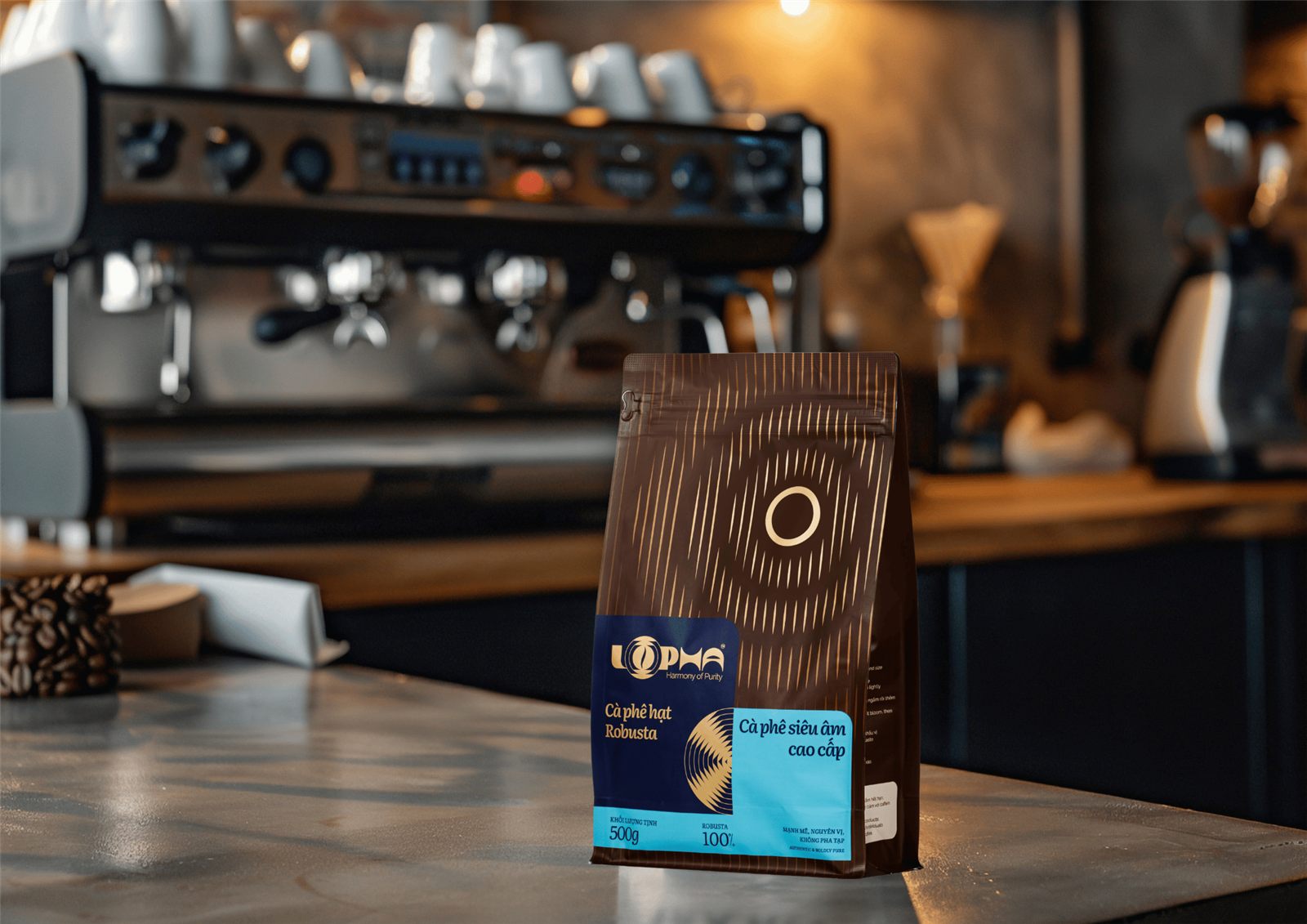
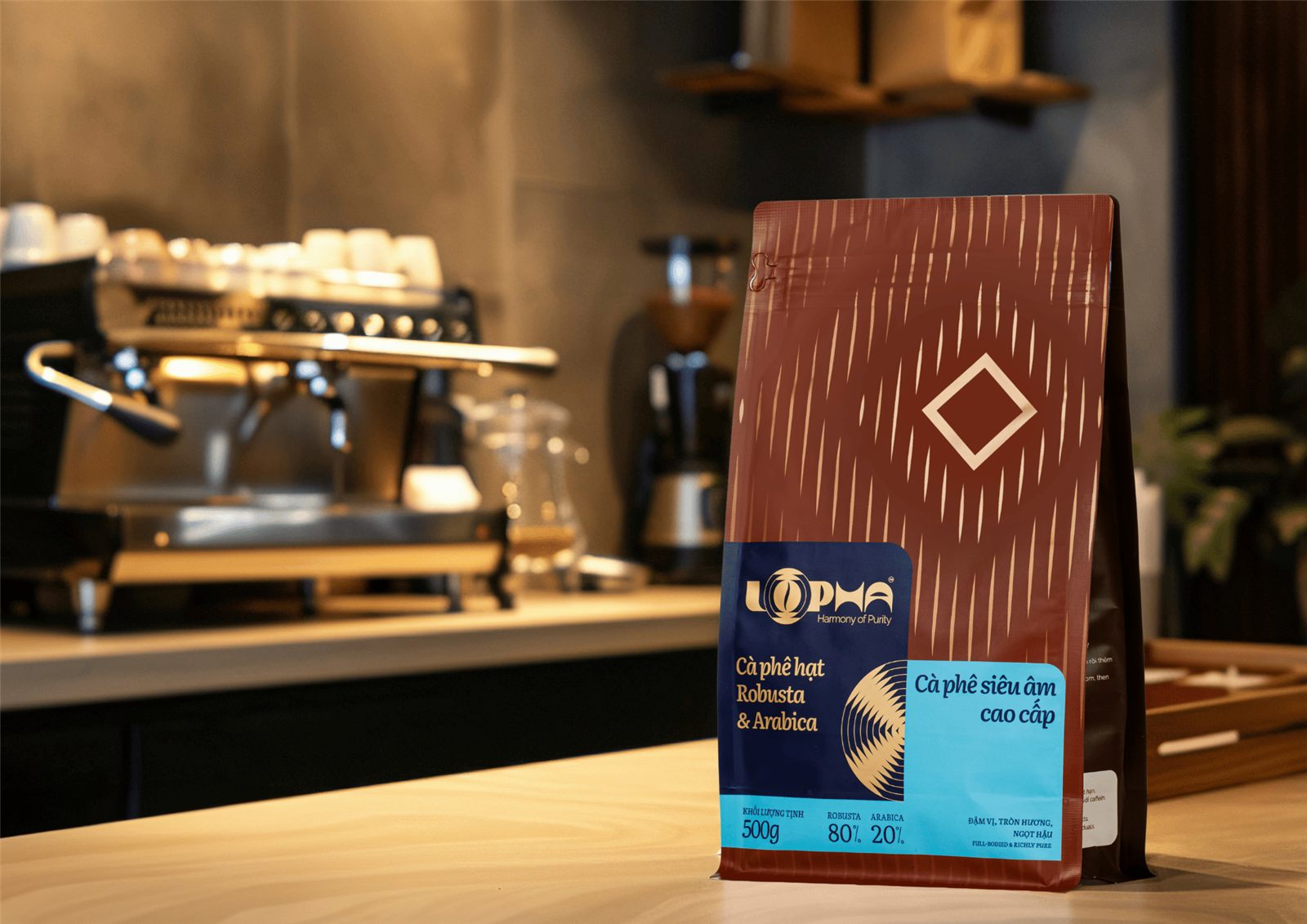
LOPHA offers Robusta, Arabica and an 80/20 Blend, but none should be assumed to perform identically in every machine. Use the existing whole-bean product range to select samples, then check machine features and actual availability.
If staff prefer two different drinks during the trial, consider a simple menu that serves most people first. Being able to keep it running after a month matters more than presenting a huge range on demonstration day.
6. Situations Easily Forgotten After the Machine Reaches the Pantry
Installation day is often exciting: employees try out features, the machine is new and curiosity is high. Two months later, different questions emerge. Are beans arriving on schedule? Who updates stock figures? Who deals with cleaning alerts? If administration changes hands, are the instructions passed on? These details determine whether the machine actually reduces the company’s workload or merely moves it to someone else.
Agree a concise operating file in advance: machine model and support contact; cleaning instructions for that model; inspection schedule; expected bean usage and reorder method; handover record; and important contractual conditions. Avoid displaying a generic manual for every machine in the pantry. Automatic models with a milk system have requirements that models without one do not share.
After the first month, review consumption, satisfaction and machine issues. If actual use is far from the forecast, the parties can discuss supply adjustments under the applicable policy rather than waiting for problems to become serious.
7. When Should a Business Contact LOPHA for Advice?
Once a business knows its likely demand but is undecided between buying, renting and a loan programme, it is a good time to talk. Share bean and machine requirements with LOPHA and request the appropriate arrangement in writing. Describe the problem rather than simply asking “Is there a free machine?” For example: forty-five employees, about 11 kg of beans a month, twenty-five drinks needed at the start of the day, easy self-service and a clear technical contact.
A good proposal should make clear what the business receives, what it must maintain and how changes will be handled. When equipment, coffee, contract and staffing questions all have answers, the coffee corner can become a lasting workplace amenity rather than an exciting first-day purchase.