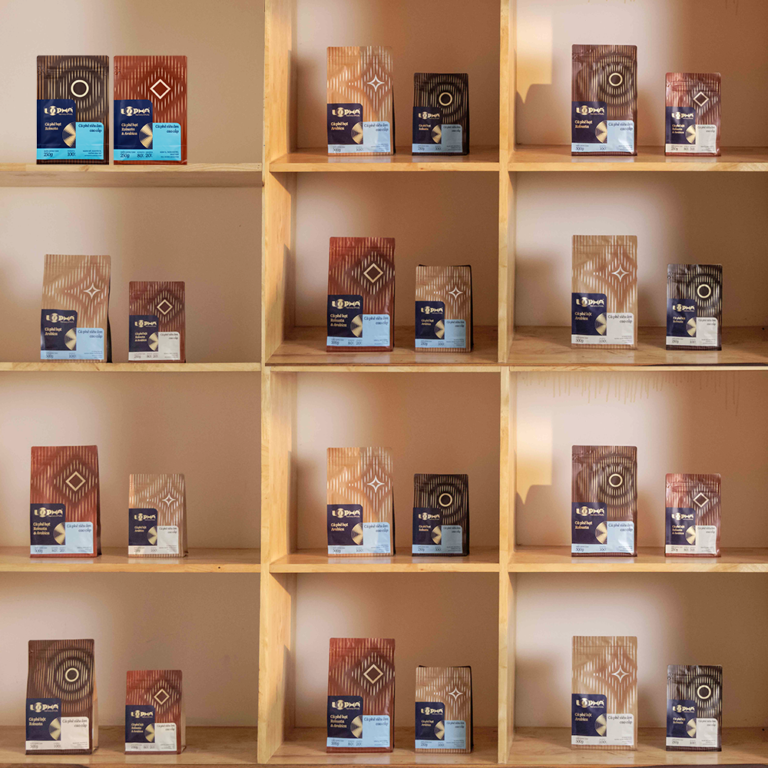
Robusta, Arabica or Blend: Which Coffee Suits Your Taste?
Robusta is known for its bold character, Arabica for clear acidity, and Blend for combining different flavor traits. Choosing the right coffee becomes easier when you start with your own preferences, drinking habits and everyday brewing method.
For some people, the morning does not truly begin without a bold coffee with milk. Others love a black cup with gentle aromas and clear acidity, sipped slowly enough to appreciate each mouthful. Still others want to keep the familiar coffee character while trying something new. If you are choosing between Robusta, Arabica and Blend, you need not memorize a tasting glossary first.
The simplest approach is to think about the coffee you drink every day and ask what you want to keep or change. Bean variety is only the beginning: roast level, grind, brewing method and added milk or ice shape the experience. None of these varieties is automatically better. One will simply fit your current preferences more closely than another.
1. Start with the cup you know, not the bean's name
1.1. Do you usually drink coffee black, with milk or over ice?
Think of the last cup you really enjoyed. Was it a small, strong phin coffee with condensed milk? A flavorful black espresso, perhaps softened into a latte? Or a filter coffee with lively aroma and clear acidity? That answer is often more useful than asking whether you like Robusta or Arabica: many people know their preferred flavor without knowing which beans were in the cup.
With milk, notice whether you can still taste the coffee beneath it. In a black cup, acidity, bitterness, finish and aroma are easier to distinguish. With iced coffee, melting ice changes the strength over time. The same beans can feel very different in these settings, so avoid judging a variety from one unfamiliar recipe.
1.2. What exactly do you mean by ‘strong’?
In coffee conversations, ‘strong’ can mean several things. One person means pronounced bitterness; another means a fuller mouthfeel; someone else simply uses more grounds to produce a more concentrated drink. These are not identical. A concentrated Arabica can taste strong in intensity, while a diluted Robusta may be less bold than expected.
Naming what you actually enjoy helps you choose faster. If you want a lingering finish and full body, Robusta or a Robusta-forward Blend may be worth exploring. For clear acidity and brighter aromas, Arabica makes an obvious starting point. If you want to keep a bold base while adding more variety, Blend offers another possibility, with the exact result depending on roast and recipe.
2. Who is Robusta well suited to in Vietnamese coffee culture?
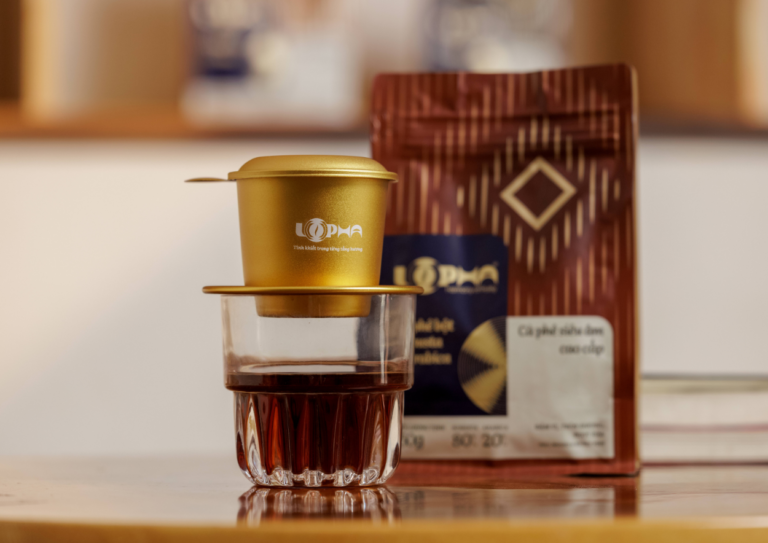
Robusta is often remembered for pronounced bitterness, a full impression and a flavor base suited to familiar Vietnamese drinks such as black phin coffee or coffee with milk. For someone who has brewed with the same phin for years, it may be the choice requiring the fewest changes to their routine. You do not need to reinvent your whole morning just because you are trying a different coffee brand.
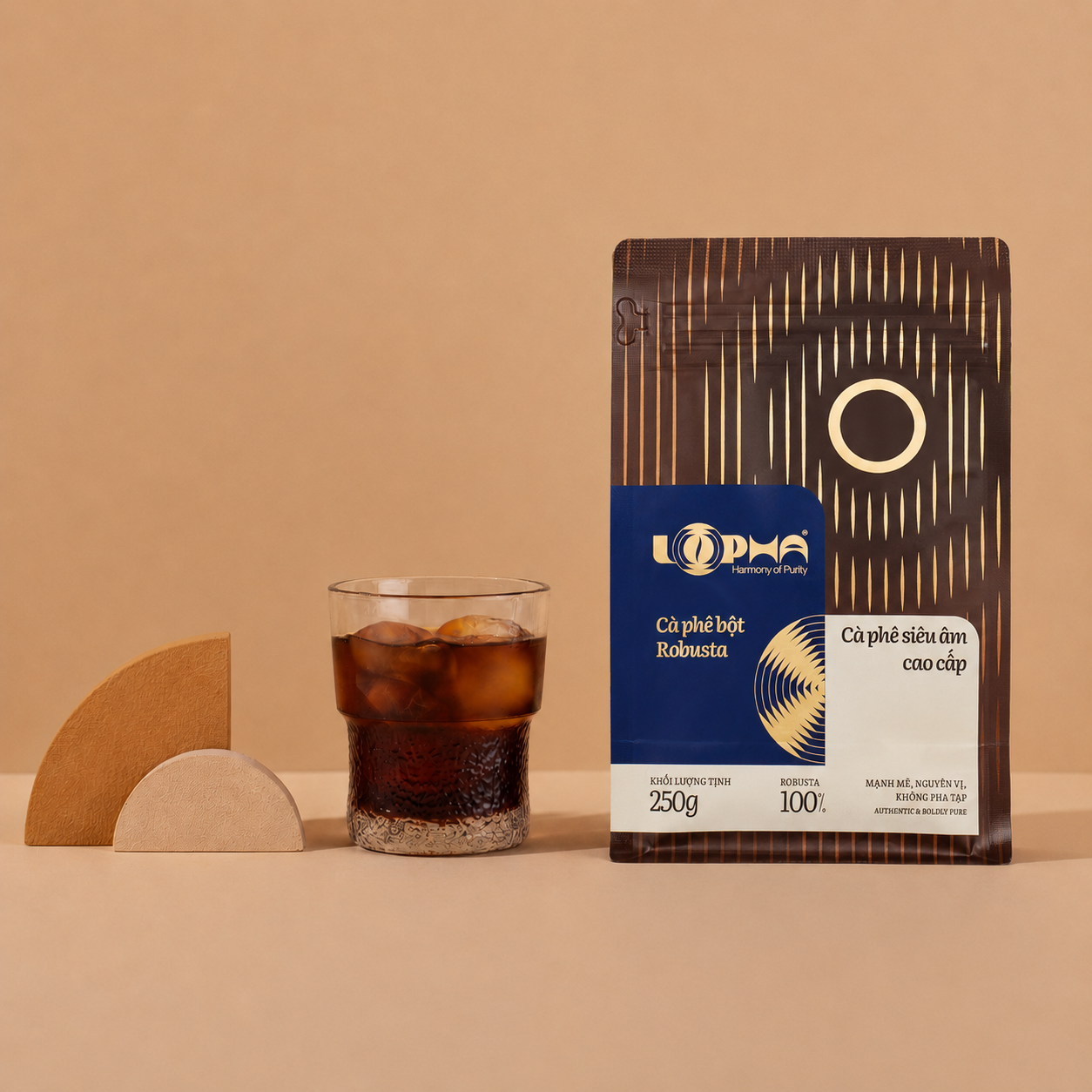
Yet Robusta does not mean that every cup will taste harshly bitter. Bean quality, roast and extraction all contribute to the outcome. Distinct bitterness may come with a sweet finish, while poorly balanced extraction can produce unpleasant sensations even from good beans. If you once disliked a Robusta, ask whether the variety was unsuitable or that particular cup was simply not brewed well for you.
Robusta may suit you if you like the coffee base to stand out in milk drinks, regularly use a phin and enjoy a familiar flavor. If you are sensitive to caffeine, pay attention to portion size and consumption, because Robusta generally contains more caffeine than Arabica. This does not predict an individual's reaction: amount consumed, timing, the body and accompanying food also matter.
An easy test is to brew Robusta using your normal recipe and take a black sip before adding milk. If the bitterness is clear but the finish feels pleasant, that recipe may suit you. If it feels harsh, adjust grind size, dose or brewing time before deciding to change bean varieties. Sometimes a small improvement to your usual recipe makes a considerable difference.
3. What can Arabica offer curious coffee drinkers?
Arabica often attracts drinkers with its varied aromas and noticeable acidity. This acidity is not automatically a sign of spoilage. Tasting descriptions may evoke fruit or brighter, more delicate sensations, while the actual cup also depends on origin, processing, roast and brewing. These qualities are often easier to observe in black coffee prepared appropriately.
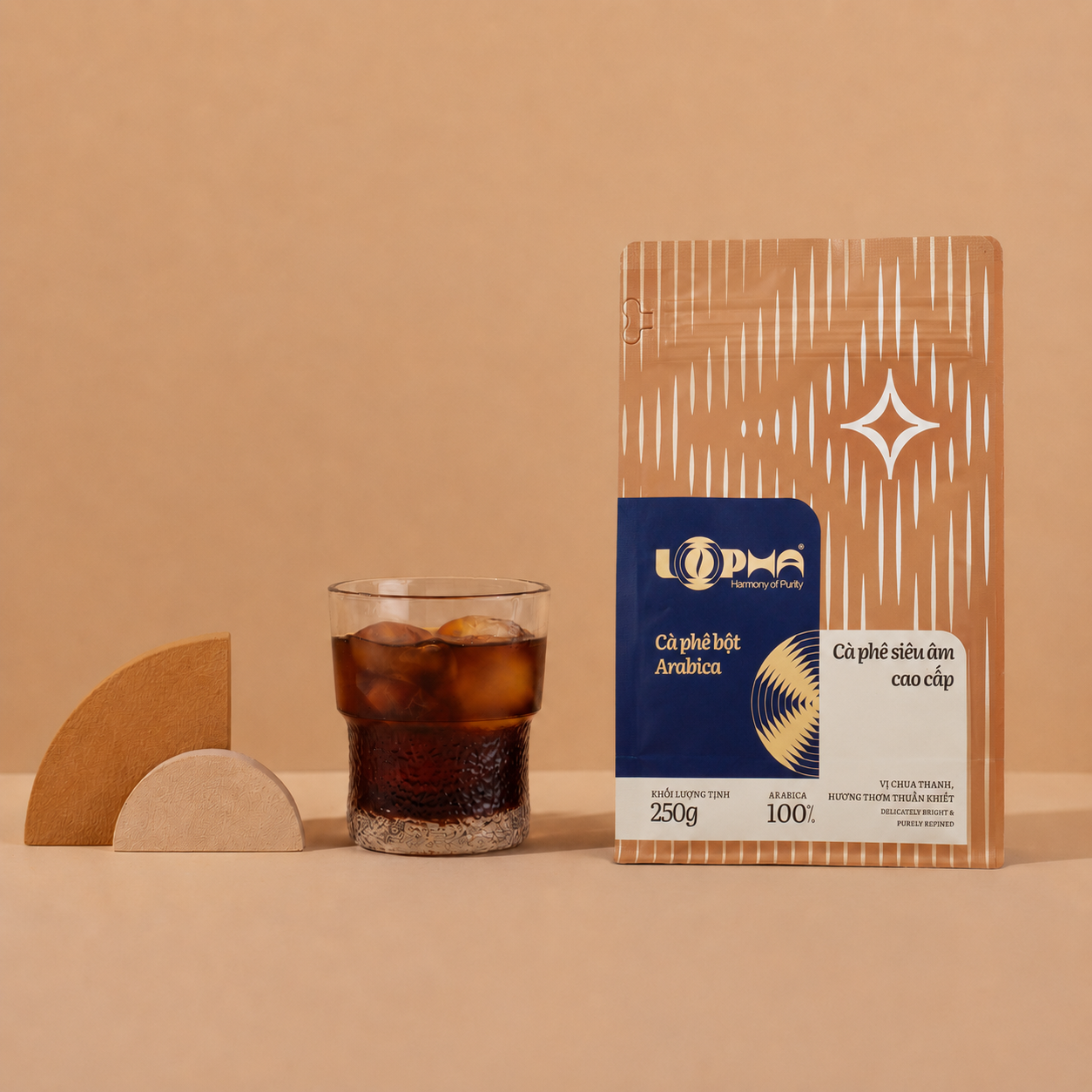
If you have only ever drunk strong iced coffee with milk, switching directly to black Arabica may feel like a big step. A little surprise at the first sip is perfectly normal. Start with a small serving, keep the recipe stable over two or three brews and taste once it is no longer too hot. Some aromas and flavors become easier to notice as the cup cools. If you still dislike clear acidity, there is no need to convince yourself that you must enjoy Arabica because someone calls it premium.
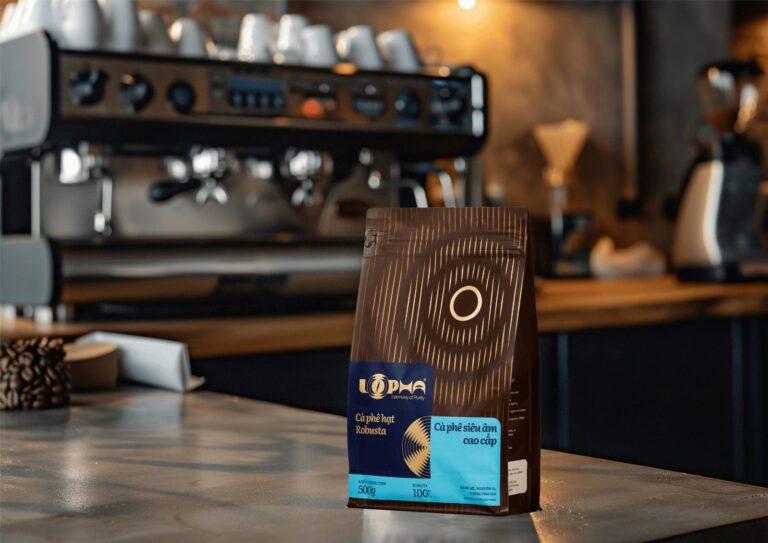
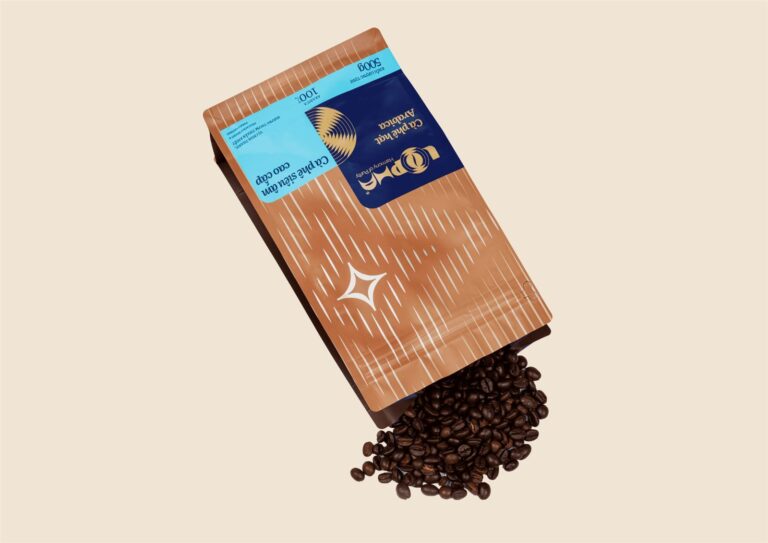
LOPHA describes its Arabica with clear acidity, while its Blend has mild acidity. If you already brew whole beans at home, try LOPHA Arabica using your familiar method to see whether that character appeals to you. Adjust grind size or water only after a few consistent trials. Clear acidity has its own identity; it does not need universal approval to be a worthwhile flavor.
Arabica is not limited to espresso or filter brewing. It can also be prepared with a phin if the grind and recipe are suitable. What matters is the experience you want: bright aromas and acidity for a leisurely cup, or a bold base for milk. Answering that question makes the choice more natural than relying on the name printed on the packaging.
4. Is Blend simply halfway between two tastes?
A Blend combines coffee components to create a desired tasting experience. That does not mean mixing Robusta and Arabica always produces a cup exactly halfway between them. Proportions, ingredient quality, roast level and brewing all shape the result. A Robusta-forward Blend can keep a bold foundation while Arabica contributes additional nuances.
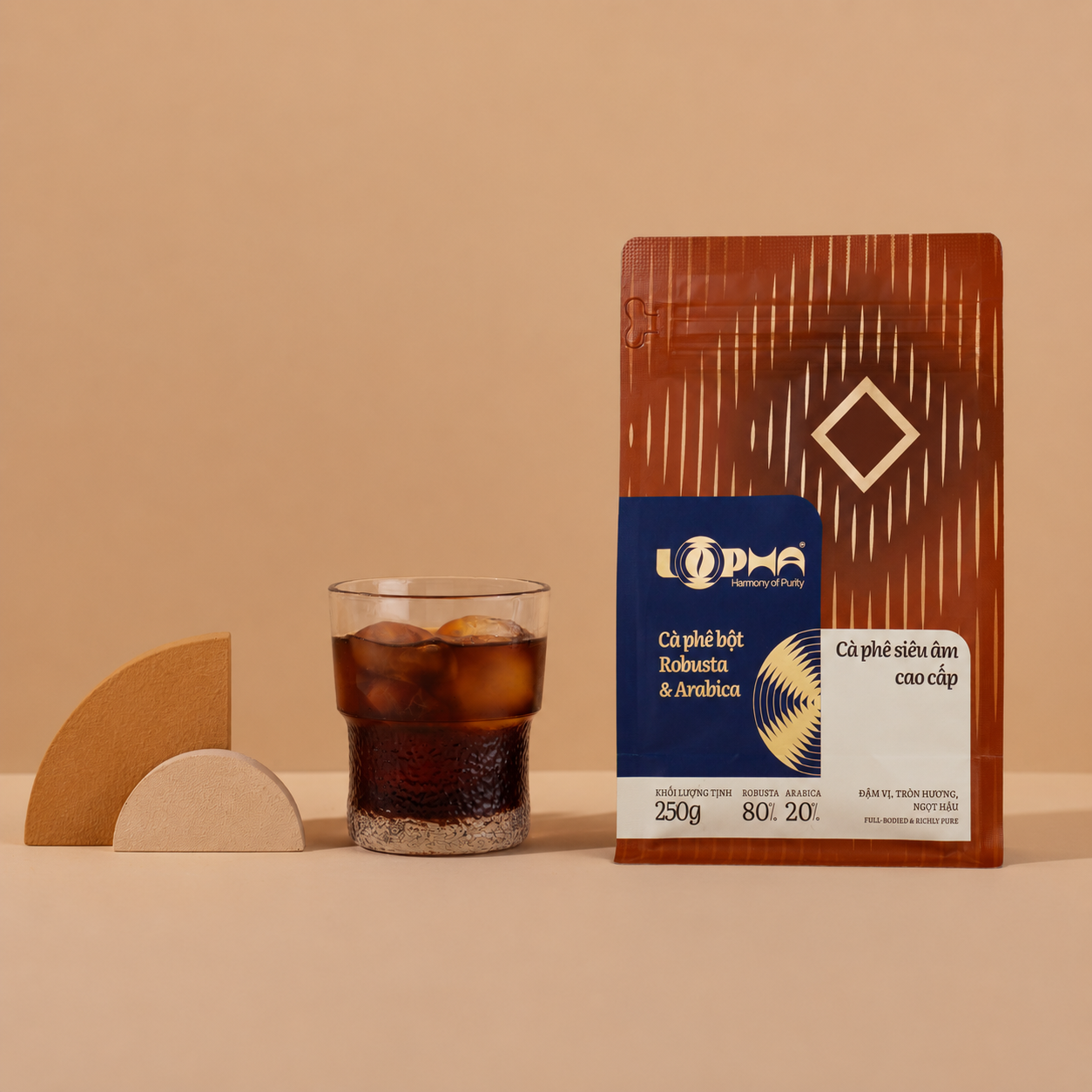
LOPHA's Blend of 80% Robusta and 20% Arabica is described as bold, with mild acidity and a balanced finish. It is worth considering if you want to explore small changes without switching completely to Arabica. If you normally drink Robusta phin coffee with milk, compare it with Blend using the same amount of grounds, water and milk. Differences are easier to notice than if you change the coffee and the recipe at the same time.
Long-time Robusta drinkers can also try LOPHA's 80/20 whole-bean Blend with their regular coffee-to-water ratio. Notice whether the aroma, gentle acidity and finish differ from your usual cup. One tasting does not establish a right or wrong answer; it simply helps you decide whether you would enjoy exploring another flavor direction.
4.1. When might Blend not be the right choice?
If you particularly love bright aromas, clear acidity and want to explore Arabica in depth, a Robusta-heavy Blend may not express those traits as strongly as pure Arabica. Conversely, if you want only your familiar pronounced bitterness with no additional acidity, you may prefer Robusta. Blend is not a universally ‘safe’ choice; it has a distinct character suited to particular preferences.
Do not treat the 80/20 proportion as a simple arithmetic formula for flavor. Twenty percent Arabica does not make the cup ‘exactly 20% acidic.’ Taste perception does not work like a pie chart. The numbers describe the ingredients; to understand the taste, you need to try the actual coffee using a comparable recipe.
5. Match your beans to your phin, machine and daily routine
5.1. With a phin: choose your taste, then keep the recipe consistent
The Vietnamese phin is familiar, yet it can produce very different cups depending on grind, dose and how water is poured. If you want bold Robusta, use the same amount of coffee during your comparisons. If switching to Blend or Arabica, do not immediately change both water and brew time. A controlled trial helps distinguish the bean's character from variations in technique.
Working people often value a quick, simple routine. If you prepare coffee before leaving home each morning, pre-ground coffee suited to a phin may be more practical than weighing, grinding and testing multiple recipes. If coffee preparation is a weekend pleasure, whole beans let you choose the grind yourself. Bean variety and product format should be considered together, but they are two different decisions.
5.2. With espresso: taste it in the drink you actually enjoy
A black espresso can highlight acidity, bitterness and balance. But if you usually drink lattes, the coffee's flavor after milk is added is the experience worth evaluating. Robusta, Arabica and Blend can each play different roles depending on the recipe; no single variety works best in every machine. Suitable grind size, consistency and machine operation also affect the outcome.
If you own an automatic machine, check whether it takes whole beans or grounds and whether you can adjust the coffee dose and grind. A semi-automatic machine offers more control, but also requires patience when trying new beans. Either way, start with a manageable pack before buying in bulk. Coffee that suits your machine should also suit the drink you make most often.
6. Try all three coffees using the same brewing method
Trying three coffees on three nearby days is usually easier than brewing three huge cups at once. Use the same phin and roughly the same coffee and water each day, then write down a brief impression: ‘bold or delicate,’ ‘clear or mild acidity,’ ‘would I drink this again?’ If the recipe does not suit a new sample, note that and adjust later; avoid changing the beans, grind and pouring technique simultaneously during your first comparison.
If you add milk, use nearly the same amount each time. If you drink black coffee, do not compare one cup served scalding hot with another that has cooled completely. Nor does the experiment need a numerical score. Notes such as ‘Robusta: bold with a sweet finish,’ ‘Arabica: clear acidity’ or ‘Blend: bold with mild acidity’ are enough if they match your experience. Try an uncertain sample again another day: a rushed pre-work coffee may taste different from one enjoyed slowly.
Be mindful of caffeine if sampling several coffees in a day. Comparing varieties does not require finishing three large cups. Take smaller portions, choose appropriate times and stop if you feel uncomfortable. Finding a coffee you enjoy should not mean consuming more caffeine than suits you.
7. How do you choose coffee for someone whose preferences you don't know?
Choosing coffee for a colleague or loved one can be harder than choosing for yourself, because you do not control how they brew it. Start with an ordinary question: do they normally use a phin or a machine? Do they drink it black or with milk? For bold phin coffee with milk, Robusta or Blend may be worth considering. If they enjoy black coffee with clear acidity, Arabica could be a good option. But do not assume everyone in a group has the same tastes.
If you do not know the recipient's taste, discreetly asking about their brewing equipment is more useful than guessing from age or job title. Whole beans are less convenient for someone without a grinder than ground coffee suited to a phin. However attractive the packaging or brand story, the recipient still needs a practical way to enjoy the coffee. A gift has value in being opened and used.
A higher price does not prove the recipient will like a coffee more. Arabica, Robusta and Blend all have devoted drinkers; pricing depends on far more than flavor preference. Choosing for the person, their brewing method and the right product format often makes a better impression than explaining why one bean variety is supposedly more prestigious.
8. The right coffee is the one you want to brew again
Ultimately, understanding the three coffee varieties is not about declaring a winner. Robusta can provide familiar boldness and a sweet finish; Arabica offers clear acidity and bright aromas; LOPHA's 80/20 Blend offers a bold base with a touch of mild acidity. These descriptions can guide you, but the cup in your hands determines whether the coffee feels right.
If you are unsure, buy a manageable quantity, compare it using your familiar brewing method and adjust gradually. Busy people need not turn morning coffee into a complicated test. When you find a flavor that suits you, works with your equipment and is convenient to brew regularly, an ordinary bag of coffee can become a welcome part of everyday life.