Good Coffee Beans for Espresso Machines: How to Find Beans That Suit Your Taste and Equipment
Even excellent coffee beans may not deliver the espresso you want if they do not suit your machine and extraction method. From selecting beans and roast level to tasting over three mornings, you can find a coffee you enjoy without constantly switching varieties.
A familiar espresso machine can make two very different cups when you switch bags of beans. One day the shot runs quickly and tastes slightly sour; another day the aroma seems clearer but the finish is overly bitter. New machine owners often think they need different beans immediately. In reality, choosing coffee for espresso begins with the machine itself, how you drink coffee and a small, recorded test—not just the word “espresso” on the bag.
If you mainly drink a latte every morning, you need a coffee base that still comes through after milk is added. If you prefer straight espresso, aroma and aftertaste are easier to notice. Beans that suit one person may require another to adjust their machine repeatedly, especially when their grinder and habits differ. The right beans are those whose flavor you want to return to and which you can brew fairly consistently in real daily life.
1. Before buying beans, take another look at your machine
1.1. Semi-automatic and automatic espresso machines call for different considerations
Semi-automatic espresso machines often give users control over several variables: basket dose, grind size, distribution of grounds and espresso yield. This freedom is enjoyable when you like experimenting, but it also means getting used to a new bag takes time. Whenever you change beans, allow a few shots to find the right grind and ratio again rather than judging the first cup immediately.
Automatic bean-to-cup machines handle many steps internally. You may be able to select strength or water volume, but actual adjustment options depend on the model. Beans that make beautifully flavored espresso on a semi-automatic machine may not perform the same way in the office's automatic machine. Before choosing a bag because someone calls it “great for espresso,” check the manual for accepted coffee formats and available settings.
If you use a capsule machine, choose compatible capsules. Loose beans cannot go into a capsule chamber, no matter how good they are. Automatic filter brewers also extract coffee differently from espresso; the dosing suggestions here mainly apply to espresso systems and automatic machines with built-in grinders.
1.2. Your grinder determines how much you can experiment
A grinder offering fine, incremental adjustments makes it easier to restore balanced flavor after a bean change. With pre-ground coffee, your options are narrower: the grind may not suit your basket even when the composition and roast are exactly what you like. In espresso, a small change in grind can noticeably speed up or slow down flow, so good beans can still make a disappointing shot.
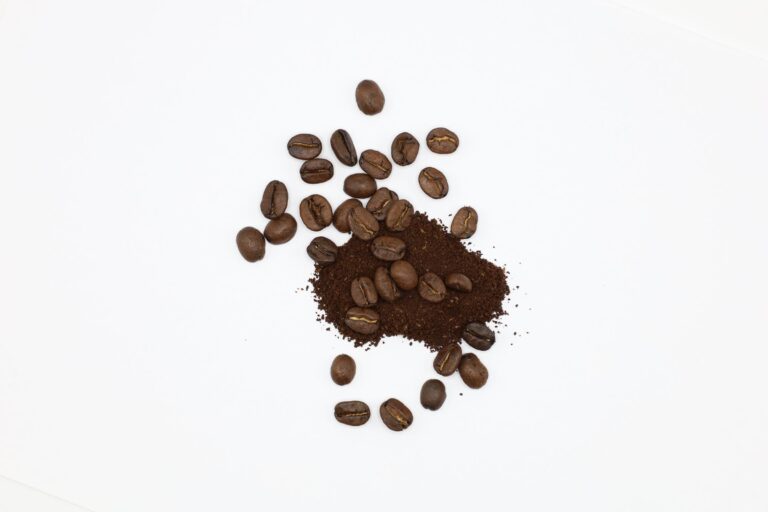
When buying ground coffee for a machine, do not simply request a “fine grind.” Tell the seller which method and machine you use, ask what grind options are available and confirm whether there is an espresso version. With a suitable grinder, whole beans let you respond to how the machine performs over the days after opening. This is about usability, not a ranking that makes beans inherently superior to ground coffee.
2. Start with the drink you usually enjoy, not the bean's name
2.1. Straight espresso needs the balance you genuinely enjoy
In straight espresso, almost nothing masks the flavor. Bright acidity may make a cup lively, but someone used to bold bitterness could mistake it for poor coffee. Conversely, pronounced bitterness and a full body may delight one person but feel heavy to another. Describe your preferences specifically: little or noticeable acidity, clear or gentle bitterness, a short or lingering finish.
When sampling coffee, taste it warm and again after a short pause. As the temperature falls, certain nuances may become easier to perceive. Espresso does not need a huge crema layer to be worth drinking. Foam depends partly on gases, freshness and extraction; it is just one observation and cannot replace judging the balance of aroma, taste and aftertaste.
If you make a black espresso you love today, write down the beans and key settings. You now have a more useful reference than a salesperson's claim that something is “the best coffee.” When considering a change, compare it with that familiar reference instead of relying on your memory of a cup you drank a month ago.
2.2. For lattes and milk coffee, test with your actual amount of milk
Some beans smell wonderfully aromatic on their own but taste subdued with a lot of milk. Conversely, coffee with a stronger base may retain its character in a latte or Vietnamese iced milk coffee. That is why regular milk-coffee drinkers should test beans with their usual milk ratio, not just taste a plain espresso shot offered by a seller.
Suppose you normally use one espresso with a fixed amount of milk. When changing beans, do not also change cup size, ice and milk type all at once. Keep those elements reasonably constant to tell whether differences come from the coffee or the recipe. If you need significantly more coffee to reach the familiar taste, cost and caffeine per cup deserve attention, especially for a daily drink.
Office users face an additional situation: many colleagues share the same beans. Coffee that is easy to brew and works across several drinks may be more practical than a variety that excels only in a complicated recipe. Test shared office beans in the drinks people actually make rather than relying solely on the opinion of the team's most dedicated straight-espresso drinker.
3. Read the package so you know what you are buying
3.1. Ingredients, roast, pack size and production date
An “espresso blend” label may suggest intended use, but it cannot guarantee compatibility with every machine. Read the ingredients, whether the product is whole bean or ground, the net weight, roasting information and storage instructions. If a roast date is available, consider it alongside packaging and storage; there is no single number of days after roasting that suits all beans and machines.
Roast level shapes flavor and how beans respond to grinding. Light roasting can make acidity and origin-related aromas more noticeable, while dark roasting often emphasizes roasted notes and bitterness. Yet two roasters may make different products while both calling them “medium roast.” More important than color is whether you can brew a balanced cup on your own machine.
Do not use oil on the bean surface as instant proof of pure or adulterated coffee. Very oily beans may conflict with grinder guidance for some automatic machines. That is a compatibility issue to check in the manual, not proof that the beans are low quality. If the bag is torn or the coffee smells moldy or otherwise abnormal, stop using it and contact the seller.
3.2. Start with a small sample before buying for the long term
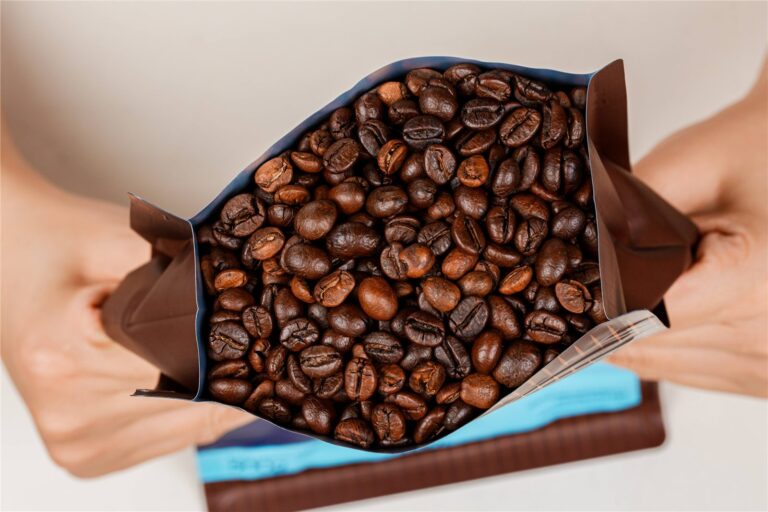
A small bag lets you test a few times without being stuck for weeks with beans that do not suit your taste. Check the exact variant before ordering. Two bags with the same product name may differ in weight, grind or brewing instructions. If you have a grinder, consider whole beans; otherwise, confirm the grind before buying pre-ground coffee.
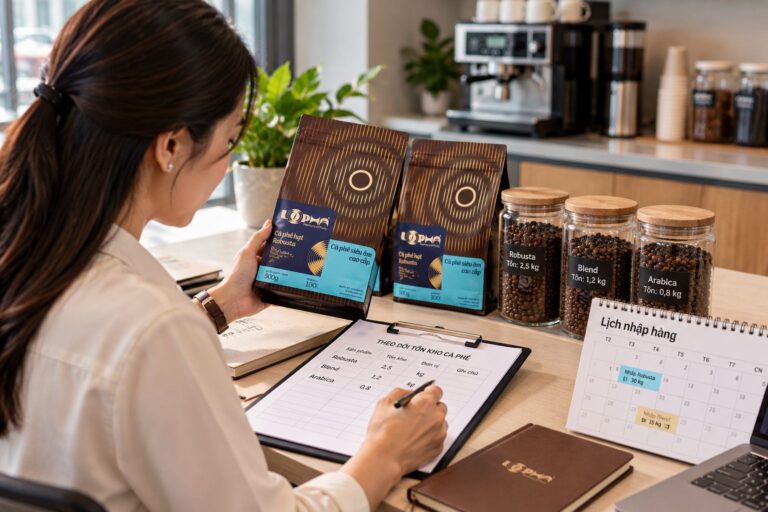
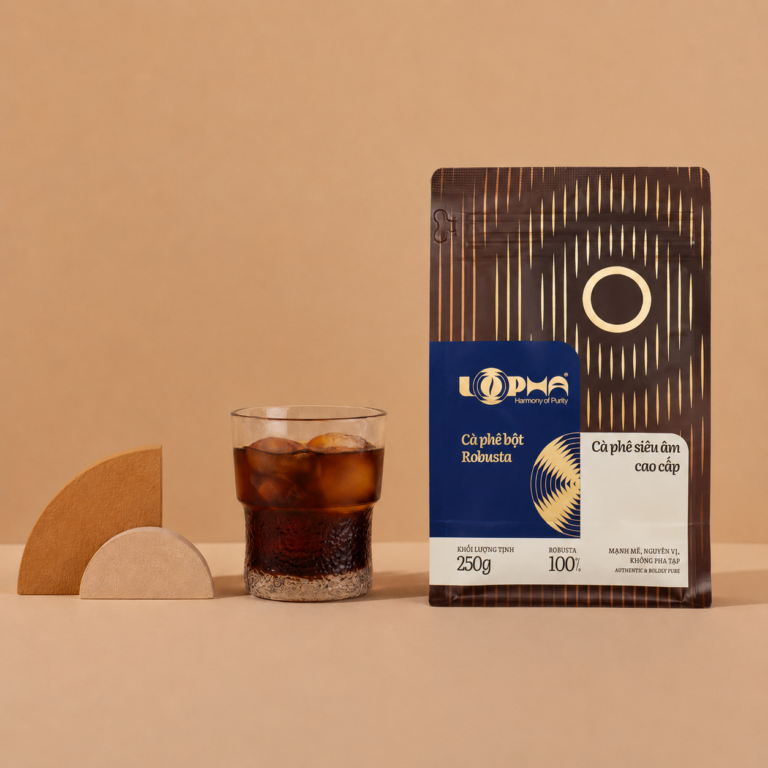
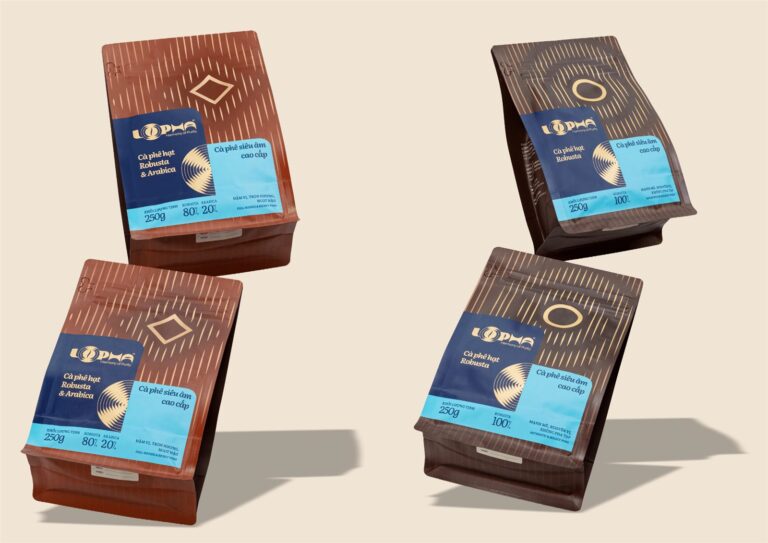
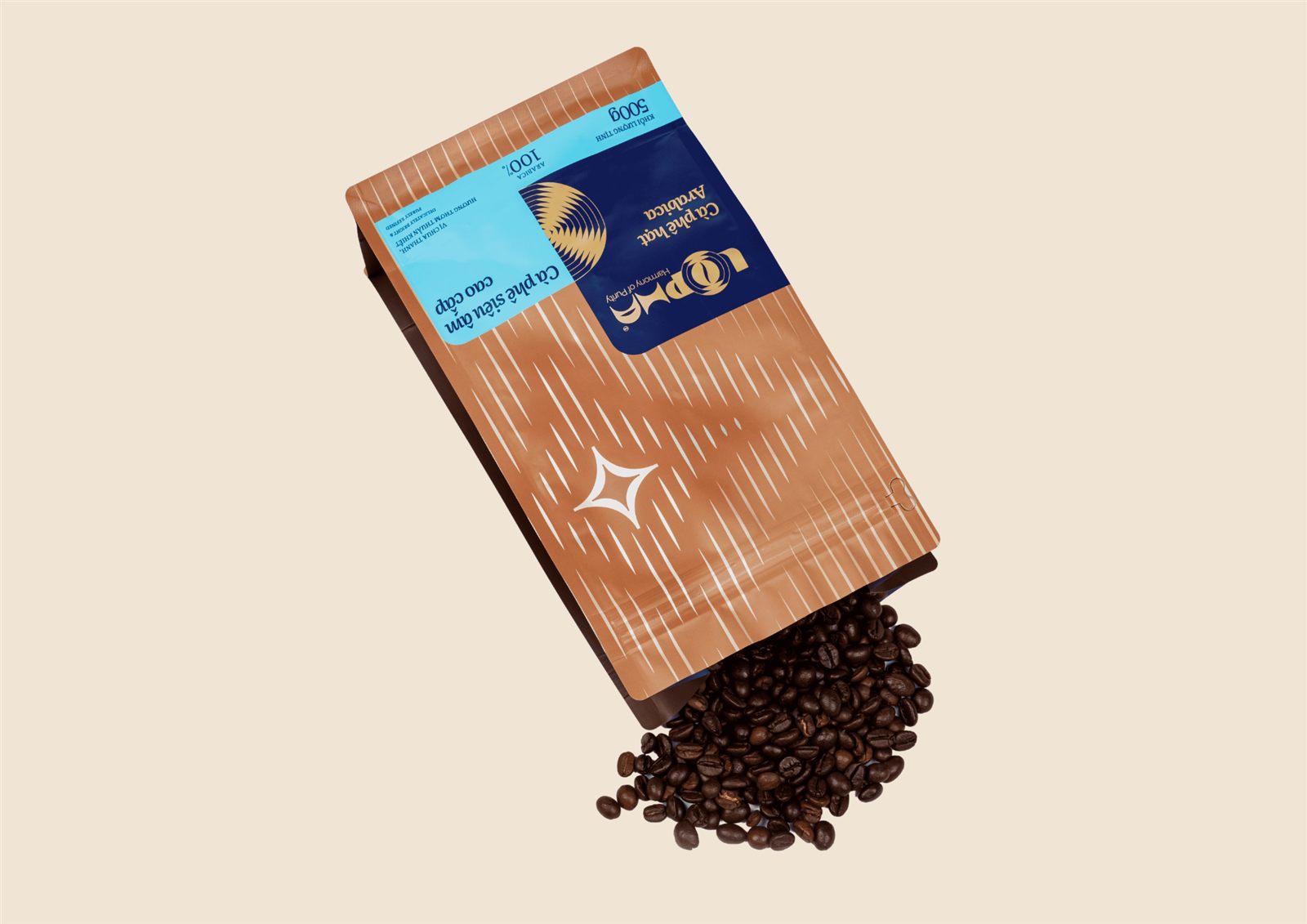
On the same machine, Robusta, Arabica and Blend can already make very different espressos. When trying LOPHA whole-bean coffees, start with the one closest to your familiar taste and adjust your recipe in small steps. If roast descriptions are inconsistent across pages, confirm the specific variant rather than guessing.
4. A simple three-morning espresso tasting routine
4.1. Morning one: find a drinkable extraction
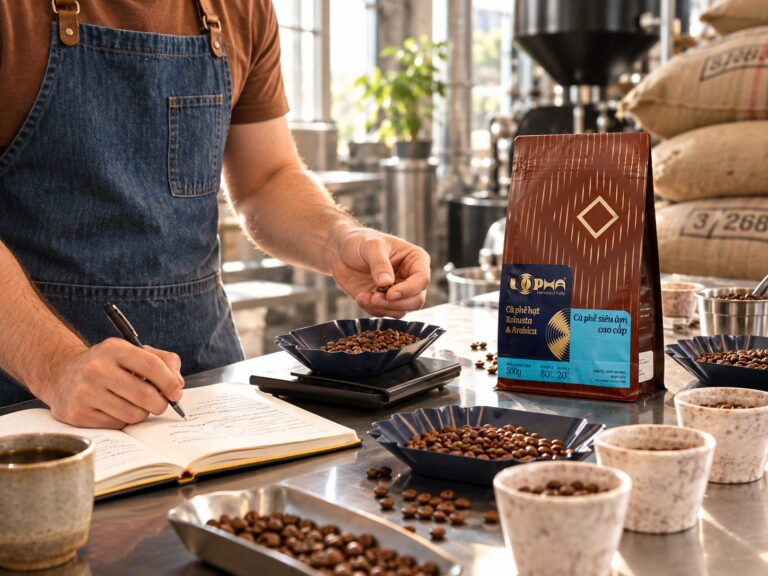
With a semi-automatic machine, suitable basket and scale, you could start with approximately 18 g of grounds to produce 36 g of espresso. The 1:2 ratio is only a starting point; smaller or larger baskets may call for different doses. Follow your equipment's guidance and note the input dose, drink yield, flow time and tasting impression. With an automatic machine that does not allow exact gram settings, record the strength program, water volume and taste instead; do not force a semi-automatic recipe onto a fixed automatic menu.
If the shot runs too fast and tastes thin or sharply sour, make a small grind adjustment and try again. If it runs very slowly and tastes intensely bitter or dry, check grind size, dose and distribution before blaming the beans. “Sour means grind finer” is not a universal rule: flavor also depends on roast, water and the beans themselves. The key is to change only one important variable at a time.
Do not make yourself drink shot after shot just to avoid wasting a few grams while searching for “perfect settings.” After two or three recorded attempts, stop if the cup is reasonably balanced. Enjoying coffee in everyday life matters more than an endless dial-in session that leaves you unable to appreciate the original flavor.
4.2. Morning two: test the drink you actually make every day
The next morning, use the recipe that gave you an enjoyable result and prepare your most common drink. Add the milk and ice you normally use, if any. If drinking black, rate aroma, bitterness, acidity and aftertaste on a simple one-to-five scale. You do not need to turn the kitchen into a laboratory; a few notes will be enough when you shop again.
In a small office, invite another person with different preferences to taste the coffee. They may notice a characteristic you missed. But do not treat a majority vote as the absolute standard. Shared coffee should be convenient, while your own preferences still matter most when you are buying and brewing for yourself.
4.3. Morning three: assess consistency and convenience
Sometimes the most delicious shot is also the one that takes the longest to dial in. On day three, ask whether the machine repeats reasonably consistent results with the chosen recipe, how many beans are wasted during adjustments, and whether you would willingly do this every morning. If you leave for work early, easy-to-brew beans may suit you better than a remarkable but demanding option.
A three-line note is enough: bean name and variant, recipe or machine settings, and tasting impression. With the next bag, you will have a reference for deciding whether you really want bolder coffee or merely need to adjust the machine. This keeps exploration enjoyable rather than turning bean selection into a race for better equipment.
5. When should you start with Robusta, Arabica or Blend?
Variety names narrow your choices; they do not deliver a ready-made answer. People who enjoy a bold coffee base with milk could start with Robusta or a Robusta-forward Blend. Those who enjoy exploring aroma and acidity in straight espresso might try Arabica. Blends combine beans to achieve a target profile, but their ratios cannot guarantee flavor quality, crema or compatibility with every machine.
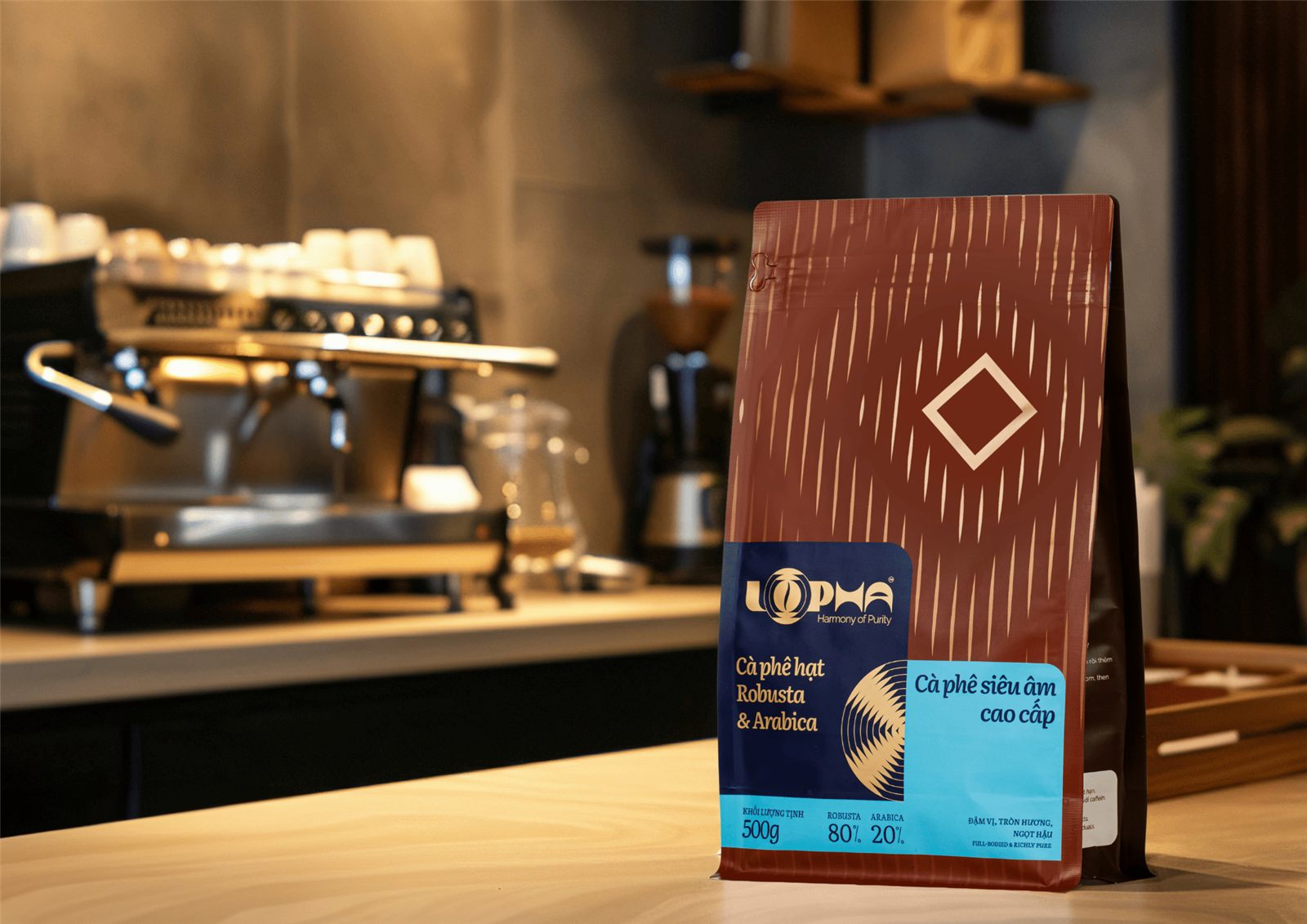
If you like bold Robusta but want another nuance, a Robusta-forward Blend such as LOPHA's 80/20 is worth trying. Its ratio describes composition; it does not guarantee less acidity, thicker crema or easier extraction. Those qualities also depend on roast, grind and brewing technique.
For cafés, a single good espresso at a tasting is not enough reason to switch beans. The coffee must also work in best-selling drinks, remain consistent across shifts and keep wastage acceptable. A café coffee solution therefore needs to consider menu, recipes and actual service operations, not just price per kilogram.
6. Common misconceptions that lead to the wrong beans
6.1. Darker roasts do not automatically make better espresso
Dark roasting may create prominent bitterness and roasted aromas, especially in milk drinks. But a roast that is too dark for your taste may feel harsh; medium and light roasts can also produce balanced espresso with a suitable recipe. Every roast requires thoughtful adjustment of water, grind and extraction ratio. No roast level is universally recognized as best for every drinker.
When switching from a dark roast to lighter beans, do not keep every setting unchanged and then blame “bad beans” for the acidity. Retest carefully, remembering that some acidity belongs to the bean's natural flavor style. Not every difference needs to be corrected until the new bag tastes like the last one; sometimes that new character is exactly why people explore another coffee.
6.2. Thick crema is no substitute for tasting the coffee
A photo of espresso with beautiful crema is appealing, but foam thickness and color vary for many reasons. CO₂, bean condition after roasting, machine type and recipe can all affect crema without necessarily improving the flavor underneath. For everyday coffee, pay attention to aftertaste and balance instead of treating a cup photo as proof of quality.
Similarly, a more bitter cup does not automatically contain more caffeine per serving. Caffeine depends on the beans, dose and amount brewed. Water color and foam cannot establish the ingredients or replace checking the product label.
7. How to settle on beans without changing them constantly
Before buying your second bag, ask yourself: do I enjoy this coffee in the way I normally drink it; can the machine brew it fairly consistently without constant adjustments; and do the pack size and cost suit my usage? If all three answers are positive, you have a sound reason to buy again. If only one factor is missing, try adjusting the recipe or product variant before changing brands altogether.
Espresso drinkers do not need to master every detail of roasting and grinding. A machine suited to your routine, a few notes on brewing settings and well-labeled beans are enough to make mornings more enjoyable. Ultimately, good espresso beans are the ones you want to brew tomorrow—not just those that made the strongest impression during one tasting.