What Is the Difference Between Clean Coffee, 100% Pure Coffee and Purity-Focused Coffee?
Clean coffee, 100% pure coffee and purity-focused coffee are not exactly the same, even though these expressions often appear together on packaging. Understanding their ingredients, production methods and verifiable information helps buyers make better-informed decisions.
When two similarly priced coffee bags sit side by side, choosing can be surprisingly difficult. One emphasizes ‘100% pure,’ the other says ‘clean,’ while another brand favors ‘purity.’ You do not need to decide which is better based on these adjectives alone. Ask three questions instead: what is inside, how is the product controlled, and what evidence supports the claim? These questions make buying coffee for your home less dependent on first impressions of the packaging.
In short, ‘100% pure’ refers first to ingredients; ‘clean’ usually relates to production controls and product safety; and ‘purity’ may express a brand's own standards or philosophy. The concepts are connected, but none proves the others. Start with the label and concrete information; consider the attractive descriptions afterwards.
1. Three descriptions, three different questions
1.1. ‘100% pure’ begins with the ingredients
When shoppers hear ‘100% coffee,’ they usually want to know whether the bag contains only coffee or whether beans, corn, flavorings or other ingredients have been added. This is a question about composition. A label saying 100% Robusta or 100% Arabica identifies the bean variety. A blend of 80% Robusta and 20% Arabica can still be 100% coffee because both are coffee varieties. This differs entirely from blending coffee with non-coffee materials.
However, ‘100% pure’ does not tell you how the cherries were harvested, how the factory is managed or which safety standards the product meets. An accurate ingredient list addresses only one layer of information. Buyers should also consider the production date, responsible producer, packaging condition and storage before the coffee reaches them.
1.2. ‘Clean’ needs to mean something verifiable
In everyday language, we often call a coffee ‘clean’ when we feel comfortable drinking it regularly. But this means different things to different people: some mean no adulteration, some think of growing conditions, and others want to know about processing and storage. Reading the word on the front of a bag is therefore not enough. Ask what production steps, records or control systems support the brand's description.
Sorting the raw ingredients, cleaning equipment, sealing the finished product, providing clear labels and maintaining appropriate records may all contribute to an answer. No simple visual or smell test can verify every aspect of a coffee's safety. Understanding quality involves reading information and checking relevant evidence, not judging by whether the brewed coffee looks black or brown.
1.3. ‘Purity’ needs a clear definition from the brand
In coffee marketing, ‘purity’ is usually more of a brand positioning concept than a standardized product category shared by every producer. At LOPHA, it reflects an emphasis on clear ingredients and careful treatment of raw materials before roasting. LOPHA states that it uses ultrasonic technology in water to help clean green coffee beans. This is a distinctive process worth understanding, but it should not be turned into an unsupported guarantee that every potential contaminant is completely removed.
Rather than debating whether ‘clean’ or ‘pure’ sounds more premium, look at what the producer actually does. Final quality also depends on harvesting, post-harvest processing, storage, roasting and packaging. Technology supporting one stage cannot replace careful management of the others.
2. In what order should you read a coffee label?
2.1. Check the product name and ingredients before the claims
Pick up a bag and look past the large slogans for a moment. Is it whole-bean or ground coffee? How clearly are the ingredients listed? If it is a Blend, does the brand state the varieties and their proportions, or merely call it a ‘special blend’? Clearer ingredients make it easier to match the coffee to your preferences. Words such as ‘bold,’ ‘delicate’ and ‘premium’ can suggest a flavor profile, but they cannot replace product information.
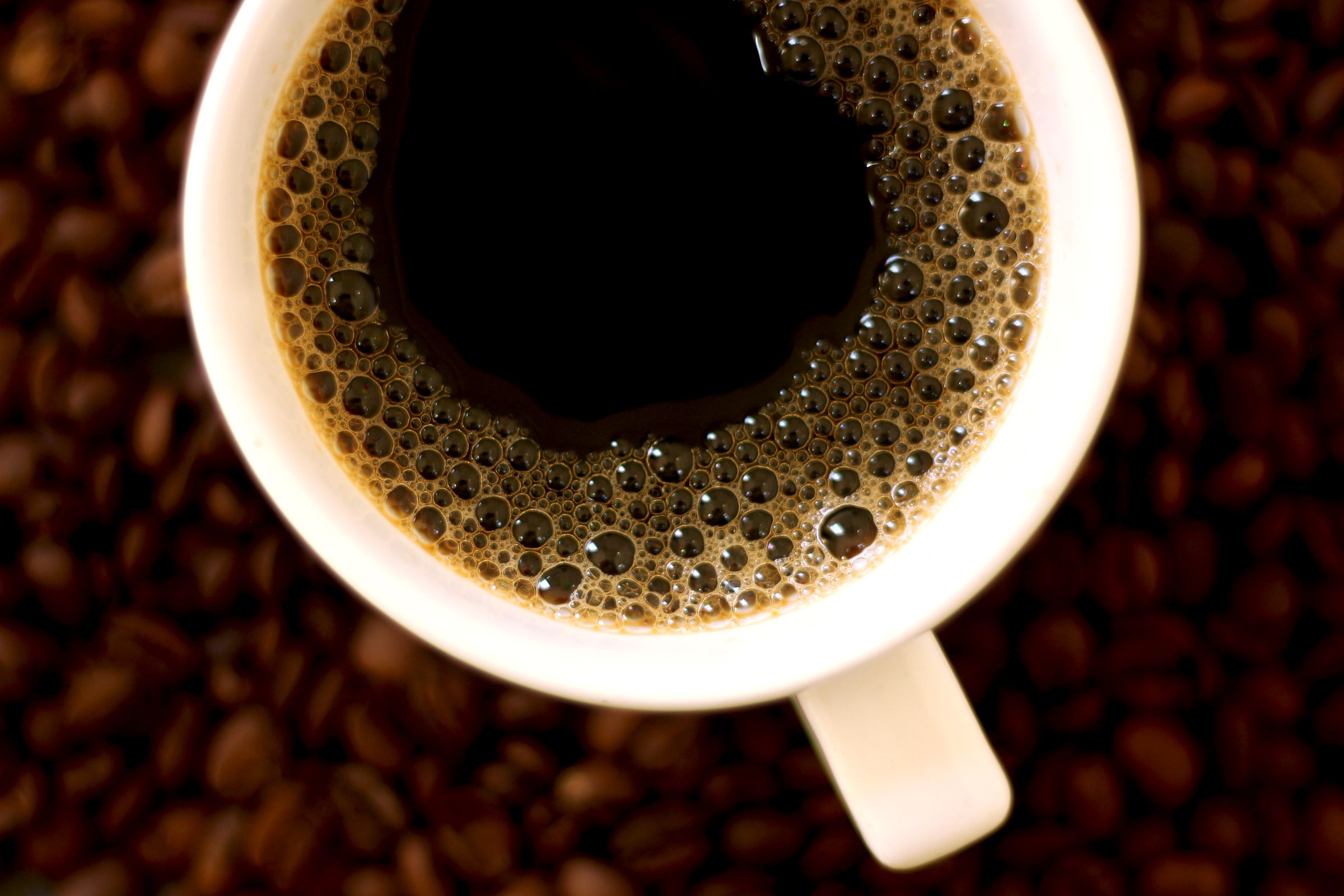
Do not confuse bean variety with overall quality. Robusta is not inherently inferior, and Arabica does not guarantee universal enjoyment. Pure coffee concerns its ingredients; suitability also depends on roast, grind, freshness, water and brewing recipe. When a seller can explain both sides, shoppers need to rely less on impressions.
2.2. Look at the responsible company and batch details
The bag should help you identify the producer or responsible company, net weight, best-before date and any other required information. A clearly stated roast date may help you plan when to use the coffee, but a product still within its shelf life will not necessarily smell exactly as it did when new. After opening, moisture, air and temperature all affect your experience.
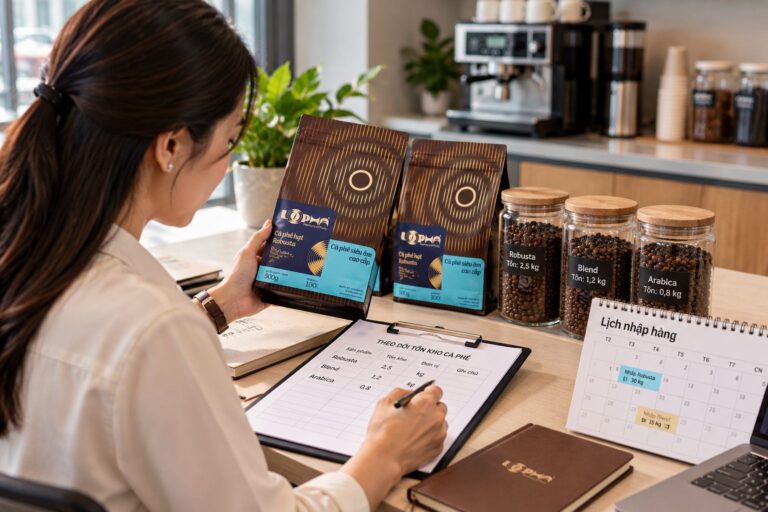
Online photos may not show every side of the packaging. The same product name may also have different weights, whole-bean or ground versions, or grind options. Check the exact variant before choosing. Someone with only a phin will need a grinder for whole beans; for an espresso machine, the fineness of pre-ground coffee is another detail to confirm.
2.3. What can quality records support—and what can they not prove?
Management systems such as ISO or HACCP can tell you about how a company builds and controls its processes, provided the certification applies to the right entity, remains valid and covers the relevant scope. They do not certify that every product tastes ‘the best’ or guarantee that no one will feel uncomfortable after consuming caffeine. Likewise, FDA facility registration should not be described as flavor approval for each coffee bag.
You do not have to read a full laboratory dossier every time you buy coffee. But if you see a strong claim such as ‘removes all residues,’ ask what was tested, on which sample and by whom. Clear, specific answers are usually more reliable than sweeping promises.
3. Two shopping situations: what should you check?
3.1. A daily phin drinker looking for coffee without adulteration
Suppose you brew with a phin every morning, like a bold taste and often add milk. Your first question is simple: does the bag contain coffee alone? After checking the ingredients, choose Robusta, Blend or another variety, then confirm whether the coffee has been ground for a phin. Here, ‘pure’ is the first layer of information, while ‘delicious’ depends on choosing the right beans and brewing them appropriately.
Another person at home may prefer Arabica's clear acidity in a black cup. Even when both people prioritize transparent ingredients, they may select completely different bags. Compare the details that matter to each of them: variety, whole-bean or ground format, brewing equipment and amount consumed. The word ‘clean’ on the front cannot tell you who will enjoy which cup.
3.2. Coffee as a gift: transparency matters as much as appearance
Appearance often comes first when choosing a coffee gift, and understandably so: a gift should be thoughtfully presented. Still, the recipient needs to open and use it. Check whether they own a grinder, prefer a phin, need whole beans or grounds, and can easily read the product information. A beautiful bag full of flattering words but little usage guidance may not deliver a complete experience.
If the brand story mentions cleaning technology or bean origins, use details that can be checked. One accurate fact often feels more convincing than a gift card packed with absolute claims. Transparency does not make a present less elegant; it helps the giver feel more confident in their choice.
4. Can color, foam and aroma identify 100% pure coffee?
4.1. Brew color cannot establish ingredient composition
The same beans can produce drinks of very different colors and strengths when roasted and brewed differently. A very dark cup does not prove adulteration, just as a light-brown cup cannot prove purity. Grind size, coffee-to-water ratio, contact time and brewing equipment can all change the cup's appearance. Popular tricks involving floating grounds or examining foam often overlook these variables.
You can certainly observe unusual signs such as off-odors or damaged packaging. But treat them as reasons to investigate further, not definitive test results. Identifying ingredients, residues or microorganisms requires suitable laboratory measurements.
4.2. Chocolate, floral or fruity aromas do not automatically mean additives
Coffee may naturally suggest chocolate, caramel, flowers or fruit because of the beans, processing and roasting. These are sensory descriptions, not evidence that the named ingredients were added. Conversely, a very strong aroma does not by itself prove added flavoring. If ingredients matter to you, start with the label and declared composition rather than guessing from smell.
Learning to separate tasting notes from ingredients makes coffee more enjoyable. You can appreciate a sweet finish, clear acidity or a bold roasted aroma without treating any one style as absolute proof of quality. What matters is a transparent product and a brewing approach that brings out the flavors you like.
5. Where does cleaning technology fit in the production chain?
Coffee travels from ripe cherries to green beans through post-harvest processing, storage and preparation, then roasting and final production. If an early stage is poorly managed, later steps may not be able to undo every effect. That is why ‘clean’ should be understood across the full journey, rather than reduced to a machine or a seal on the label.
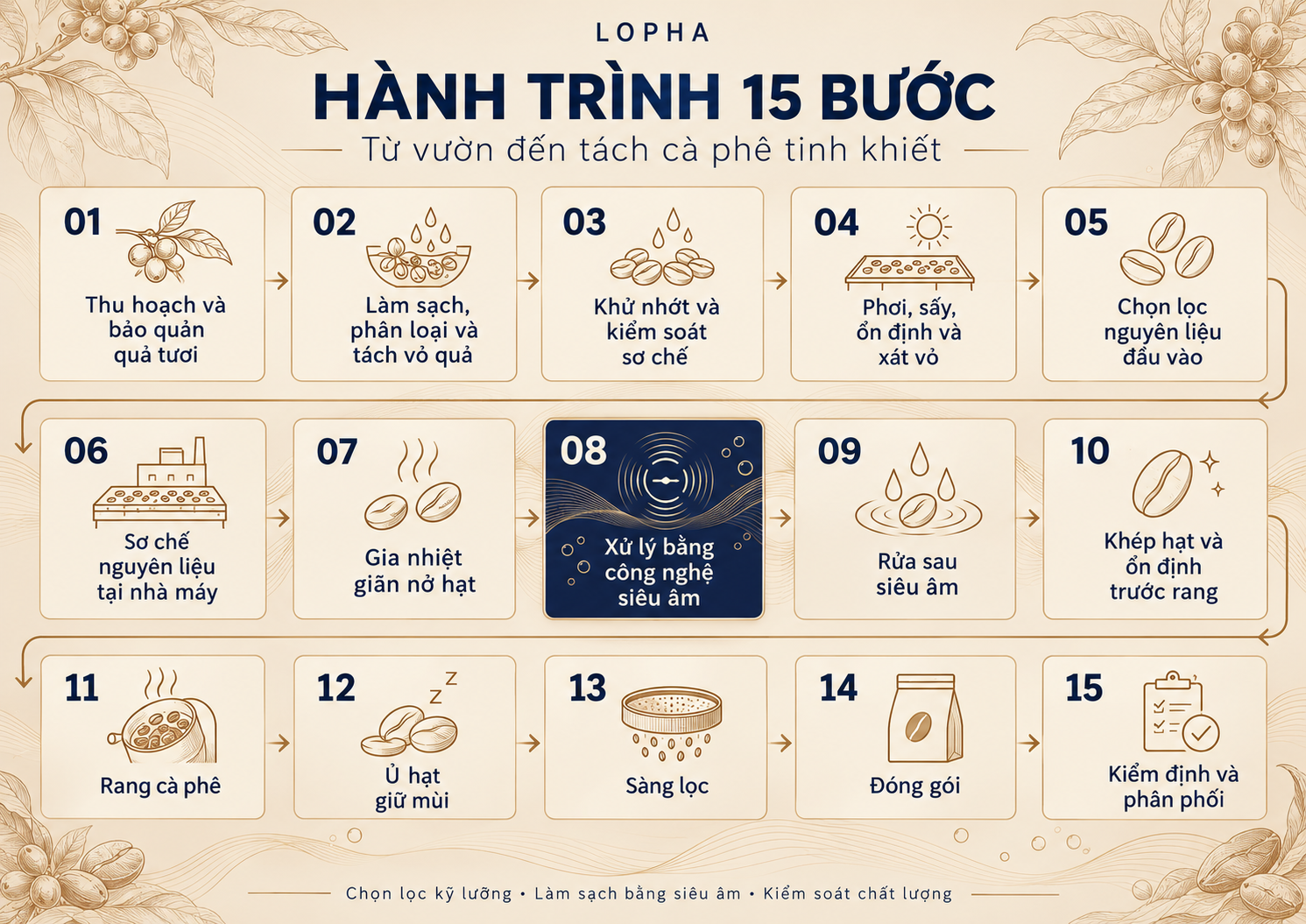
In LOPHA's 15-step production journey, ultrasonic treatment comes between raw-material preparation and the later steps that complete the coffee. Seeing its position between ripe cherries and the finished bag clarifies what happens before the beans enter the tank and what must still happen afterwards. Quality is protected by a sequence of stages; it neither begins nor ends with one device.
Ultrasonic treatment in water can create cavitation, in which tiny bubbles form and collapse. Their localized mechanical action may help dislodge adhering material from areas that are difficult to reach. Effectiveness depends on the type of residue, operating conditions and batch of beans, and must be measured. Explaining these limits gives the technology more credibility than claiming ‘absolute cleaning.’
6. How should you choose when all three descriptions appear?
A useful approach is to move from ingredients to quality information and finally to taste: what is in the bag, what does the seller explain about origins and processing, and what kind of cup do I want to make? For a bold flavor, Robusta or Blend may be good starting points; for clear acidity and brighter aromas, consider Arabica. These are directions to explore, because roasting and brewing still affect what you taste.
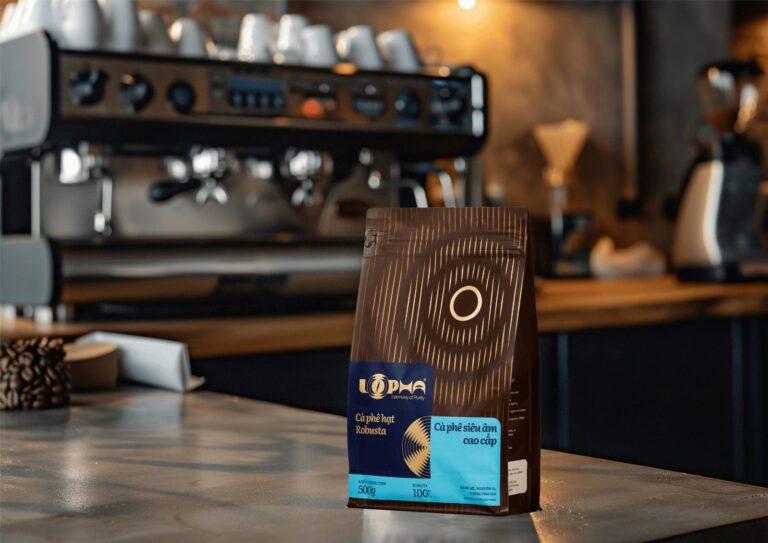
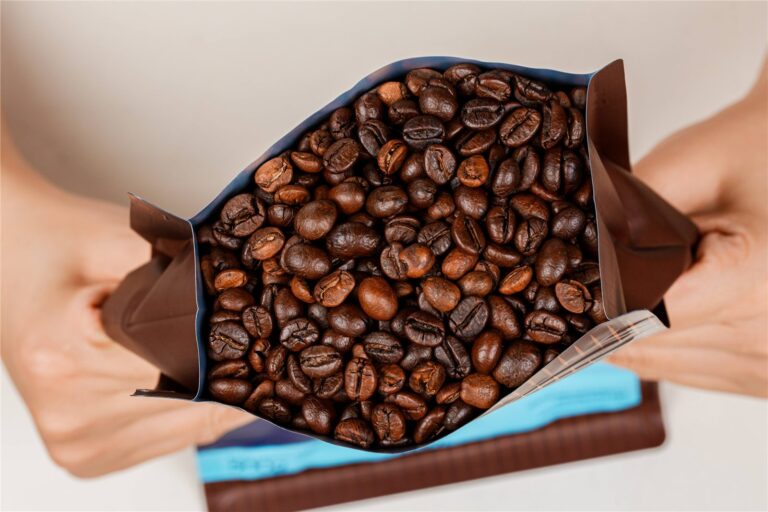
When comparing LOPHA's whole-bean lines, the variety and ingredients help grinder owners narrow their choice before considering flavor. If the morning routine involves only a phin and little time, correctly ground coffee may fit better. The right product should actually become a cup you enjoy, not sit unused on a shelf.
Do not expect one phrase to solve every concern. ‘100% pure’ is useful for questions about ingredients. ‘Clean’ needs to be explained through processes and evidence. ‘Purity’ needs to be understood in the way the company uses it, without pretending it is a universal certification. Distinguishing these layers makes it easier to find coffee you enjoy while keeping a critical eye on attractive claims.
7. Three things to double-check before ordering
First, does the product photograph show the exact version you intend to buy? Do not read the main name and overlook the weight, whole-bean or ground format, grind option and storage guidance. A small mismatch may leave the recipient needing extra equipment before they can use the coffee.
Next, are the ingredients and responsible company clear enough to check? If a technical claim or certificate catches your attention, identify which stage, system or parameter it applies to. You do not need to investigate everything during one shopping trip, but you should know what can be verified rather than accepting a slogan automatically.
Finally, what coffee are you buying for your everyday life? Some people need a quick phin before work; others enjoy grinding beans at the weekend. Both routines have room for pure coffee, but call for different choices. Once you know your needs, labels and quality information help you choose more precisely instead of turning shopping into a contest over which brand uses the most appealing adjectives.