2016: One Cup of Coffee Begins a Journey in Search of Purity
Summary: A cup of pure coffee enjoyed at an acquaintance's home made 2016 the starting point of LOPHA's research journey. During the following six years, the brand explored coffee beans, processing approaches, and ultrasonic technology. Every step reflected a shared aim: to respect coffee's natural flavor in the finished product.
In 2016, a cup of clean, pure coffee enjoyed at an acquaintance's home left an unusual impression. Its flavor differed from anything the journey's initiator had experienced before, raising questions about the nature of coffee beans that felt close to everyday life yet were difficult to answer. From that experience, LOPHA began a decade-long search for purity.
The first six years, from 2016 to 2022, were dedicated to understanding raw materials and suitable processing approaches. It marked a shift from a very personal impression in the cup toward the goal of making coffee with clear ingredients and carefully maintained quality over time.
From a 2016 Experience to a Clear Research Goal
The year 2016 marked a turning point with several layers of meaning for Long Phan and LOPHA's coffee journey. Alongside the coffee import-export activities in the company's story, a special tasting experience inspired an ambition to rediscover the beans' original flavor. What began as bringing coffee to markets gradually became a question of how to understand the beans more deeply.
The period from 2016 to 2022 was therefore about more than any one technology. For six years, LOPHA looked for solutions suited to its raw materials and quality objectives. Research and experiments revealed that, if an authentic flavor was to reach more people, the first sensory impression needed the support of purposeful production.
Importing and exporting coffee gave the 2016 story a distinctive setting: Vietnamese beans were not only part of everyday life but were also reaching markets with diverse needs and expectations. Questions of quality therefore mattered to both businesspeople and coffee drinkers. From this milestone, LOPHA's research sought a distinctive voice for Vietnamese coffee, guided by purity and authenticity.
From the Aspiration for Purity to a Research Direction
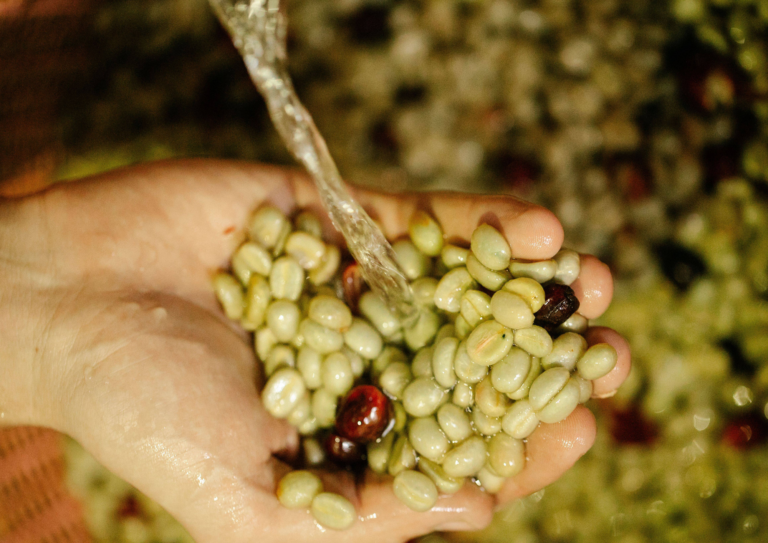
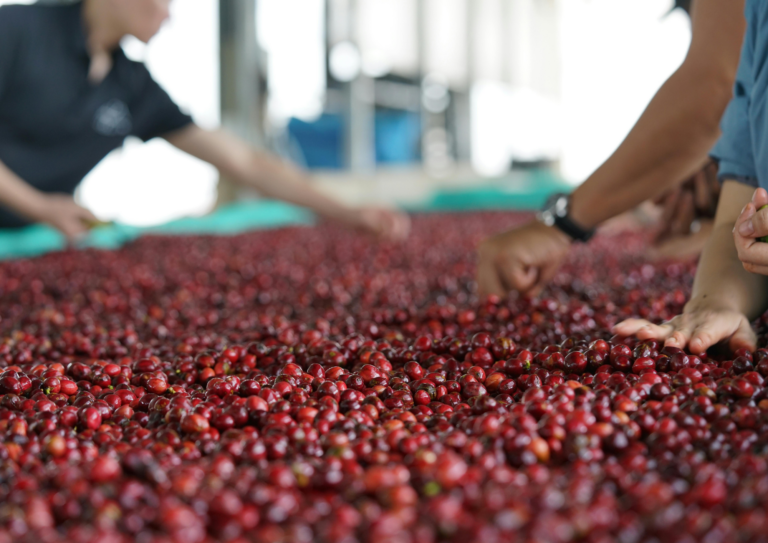
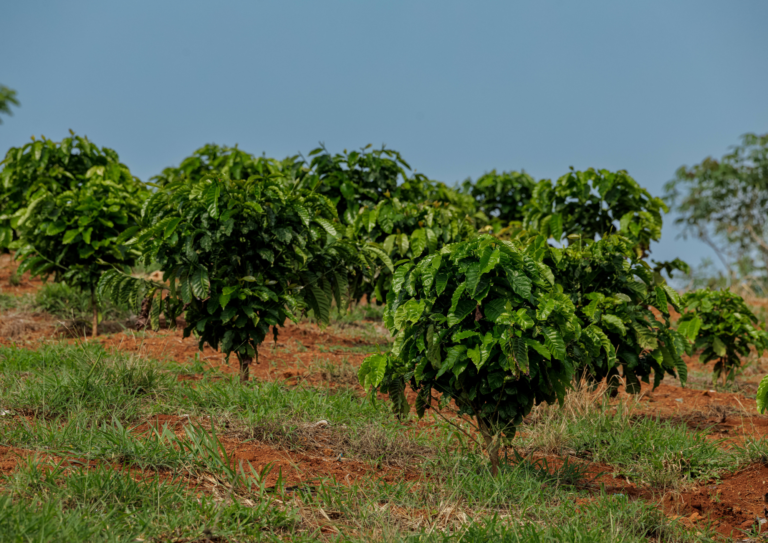
LOPHA's goal from the beginning was to make pure coffee with clearly stated ingredients. But consistent product quality also required understanding how raw materials grow, are harvested, undergo initial processing, and are stored. Its six years of research therefore ranged from studying bean characteristics to exploring cleaning approaches suited to its product direction.
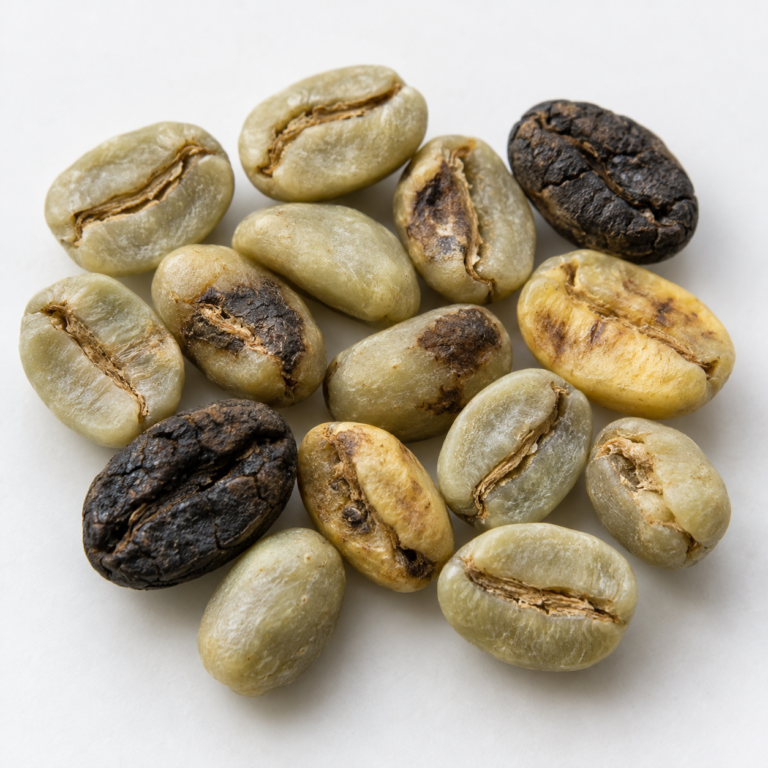
When a brand chooses purity as its aim, its first responsibility is to define what that means. Is the product made entirely of coffee? How are substances adhering to raw materials handled? What can be tested, and what is only being inferred from taste or feeling? These questions turn an appealing concept into a set of problems that need to be addressed one by one.
Over six years, LOPHA gradually moved from aspiring to preserve original flavor toward questions that could be observed and evaluated. Patience mattered because coffee raw materials vary, and a suitable process must accomplish its cleaning objective while respecting the bean's properties. Through that exploration, ultrasonic technology became a direction connected with the brand's next stage of development.
What Makes a Processing Approach Worth Pursuing?
In selecting coffee-processing solutions, LOPHA examined the function of each technology. Some methods remove larger foreign materials; others help address substances attached to the bean's surface. Because equipment serves different purposes, understanding the raw material and choosing an appropriate application became essential parts of the research.
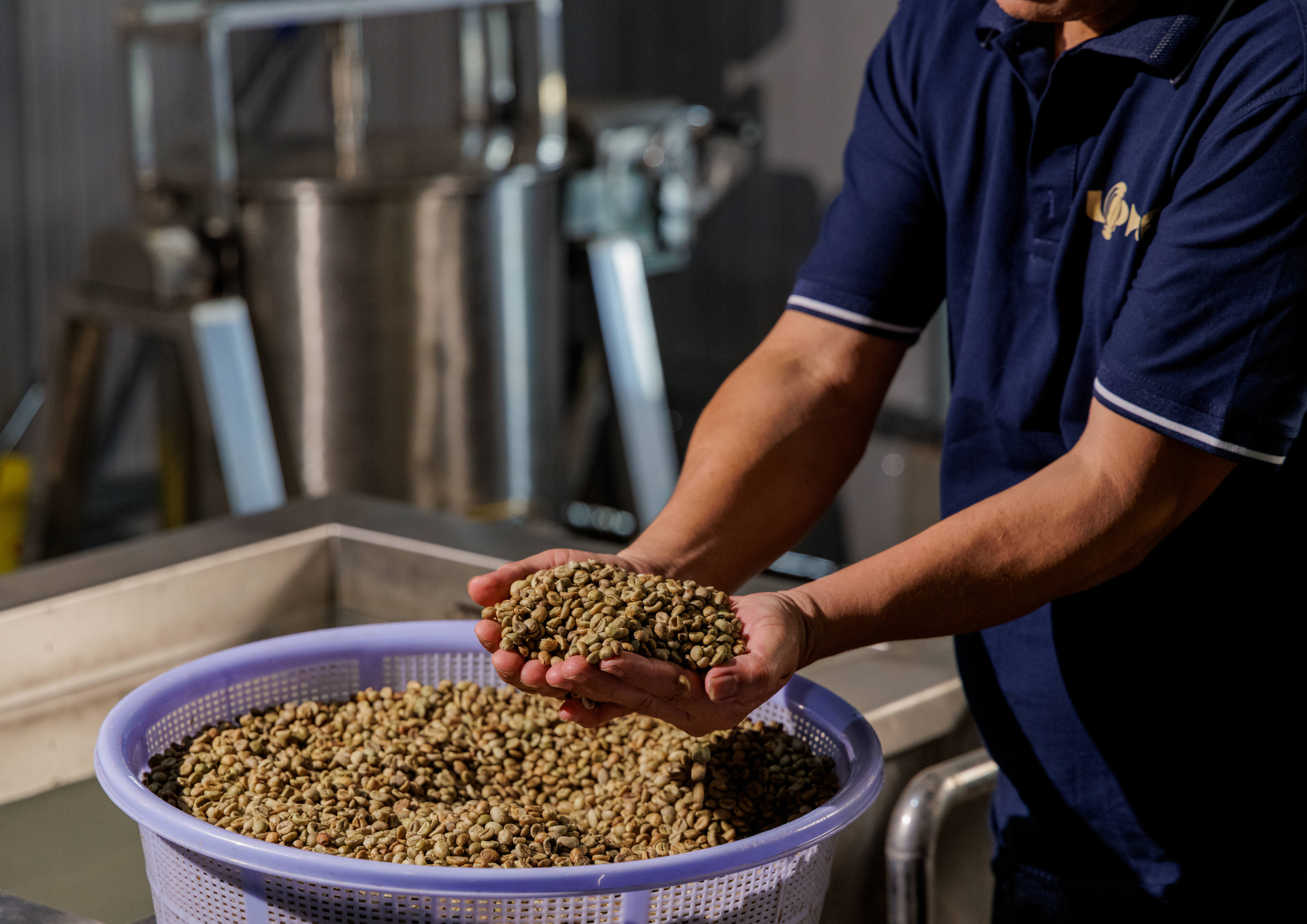
In choosing technology, LOPHA considered both the condition of the bean's surface and aspects of quality that are difficult to observe directly. Each processing approach has a different function and evaluation method. Looking at several factors together helped the brand select solutions suited to its beans and production goals instead of relying on its first impression of a new machine.
A processing change might make a cup more aromatic, but flavor also depends on the origin of the beans, the roast level, and the brewing method. LOPHA therefore spent time understanding how these factors interact. The ultimate aim was to develop an application suited to the raw materials and a sustainable approach to production.
Ultrasonics was the processing direction LOPHA chose to research, but the value of the technology lies in its specific role along the processing journey. Physical effects in water can help clean the beans; the outcome also depends on raw-material quality and subsequent stages. This keeps technology focused on its proper purpose: helping create coffee with clear ingredients and dependable flavor.
Six Years of Staying Committed to the Research Goal
Six years of research allowed LOPHA to build knowledge about both raw materials and technology. From an initial impression in a cup, the brand progressed toward more concrete objectives: cleaning the beans, preserving their flavor characteristics, and preparing for practical production. Each answer led to further work, creating a foundation for the process-refinement stage that began in 2022.
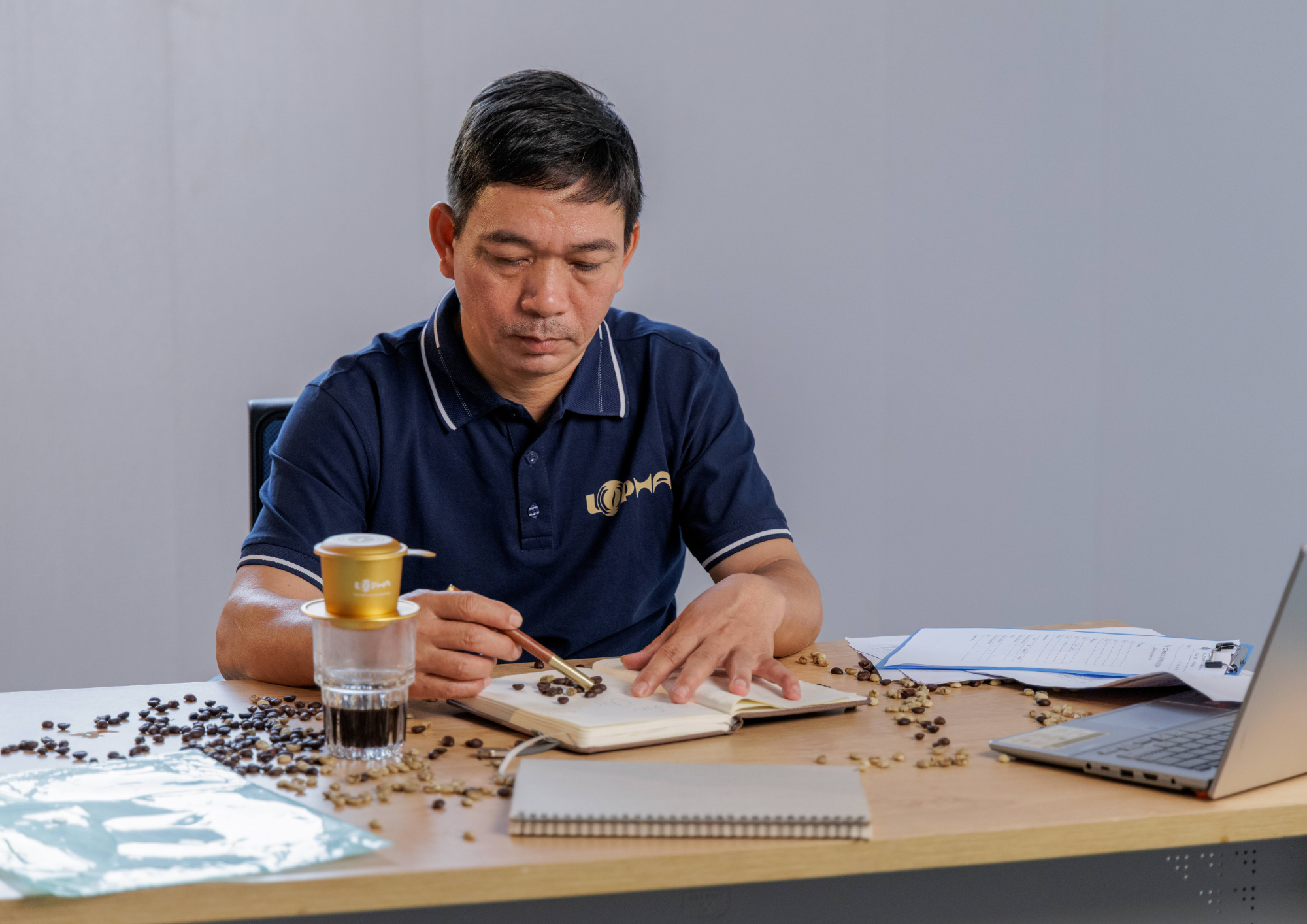
At first, interest may have come from a remarkable flavor. But to prepare for production, sensory impressions had to be considered alongside other matters: protecting raw materials, operational practicality, hygiene requirements, and the ability to assess results. A good flavor at one moment is valuable; creating conditions where flavor can develop consistently is the longer-term challenge.
Coffee makes patience necessary for another reason: no two agricultural lots are exactly alike. Harvest seasons, growing regions, and storage methods create differences. A process that works only under ideal input conditions is difficult to apply in everyday production. It is therefore important to ask how widely a technology can be used and when it needs to work alongside other solutions.
Spending years on research also means accepting a deliberate pace of development. Market products can be refined over time, but questions about raw materials require persistence: observe, evaluate, and then choose an appropriate direction. For LOPHA, those first six years were the time needed to connect its aspiration for original flavor with a technological solution that could be developed further.
Learning to Listen to the Beans Rather Than Force a Result
Listening to the beans is a poetic image, but it also has a practical meaning. It means recognizing that each raw material has strengths, limits, and distinct responses to processing. Arabica drinkers may seek delicate aromas and bright acidity, while Robusta lovers value a full body and lingering finish. A suitable processing solution does not have to make these varieties alike; it should give each a chance to express its own character.
This approach requires balancing two goals that can pull in different directions. One is cleaning and managing undesirable factors; the other is avoiding unnecessary interference with the raw material's character. A slogan cannot resolve that tension. We need to understand which step is changing, why the change matters, and whether it creates problems elsewhere in the process.
Respecting nature does not mean relaxing quality controls. Coffee is a food product, so water, equipment, hygiene, and coordination among processing steps all matter. For LOPHA, original flavor is best preserved when respect for the beans is paired with a responsible production system.
Why the First Six Years Were Not the End
Researching a technology can help answer whether something is possible. Production raises further questions: can a process run consistently, work with different lots of raw materials, and protect quality through later stages? That is why LOPHA's story continued after its first six years with three more years of process research and refinement.
A suitable processing approach must be connected to the entire operation. Like instruments coming together in harmony, the growing region, people, equipment, and processes each contribute to the finished product. LOPHA therefore continued refining production between 2022 and 2025, allowing research achievements to find practical expression in everyday factory work.
For LOPHA, six years of research formed a journey from a memorable cup of coffee to informed choices about raw materials and technology. The knowledge gained created a foundation for further production refinement from 2022, bringing the brand's commitment to purity into each product.
Those first six years did not end with a claim that every coffee question had been answered. Instead, they established an attitude: one successful tasting is not the finish line, modern technology is not magic, and truth must not be traded for an attractive story. For LOPHA, research matters most when it leads to products that coffee lovers can trust over time.