How Does Coffee Seasonality Affect Supply and Production Planning?
Summary: Coffee harvest season gives the entire supply chain its own rhythm. Harvest timing, weather and raw material conditions can cause both volume and bean characteristics to vary from month to month. These changes affect purchasing schedules, inventories and even product research plans. For LOPHA's growing region and partner network in Lam Dong, understanding seasonality helps connect raw material supply with long-term production needs.
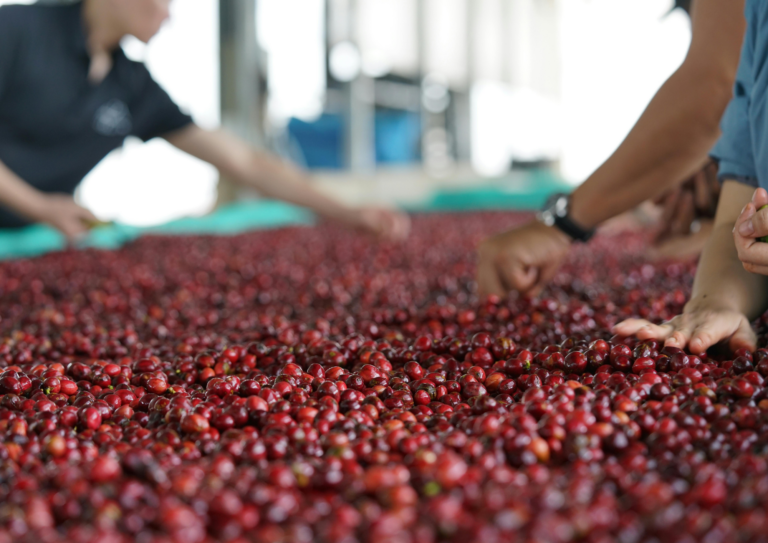
Coffee harvest season often brings to mind branches turning red with ripe cherries and the bustle of picking across the highlands. Yet behind that scene lies an important business challenge: raw coffee does not arrive in the same quantities or condition throughout the year.
Seasonality therefore affects not only purchasing dates, but also sample-testing schedules, production plans, inventories and the ability to fulfil orders. For LOPHA Coffee, paying attention to growing regions and bean characteristics means treating the harvest cycle as part of product development rather than simply a date on the calendar.
1. Harvest Seasons Set the Rhythm of the Coffee Industry
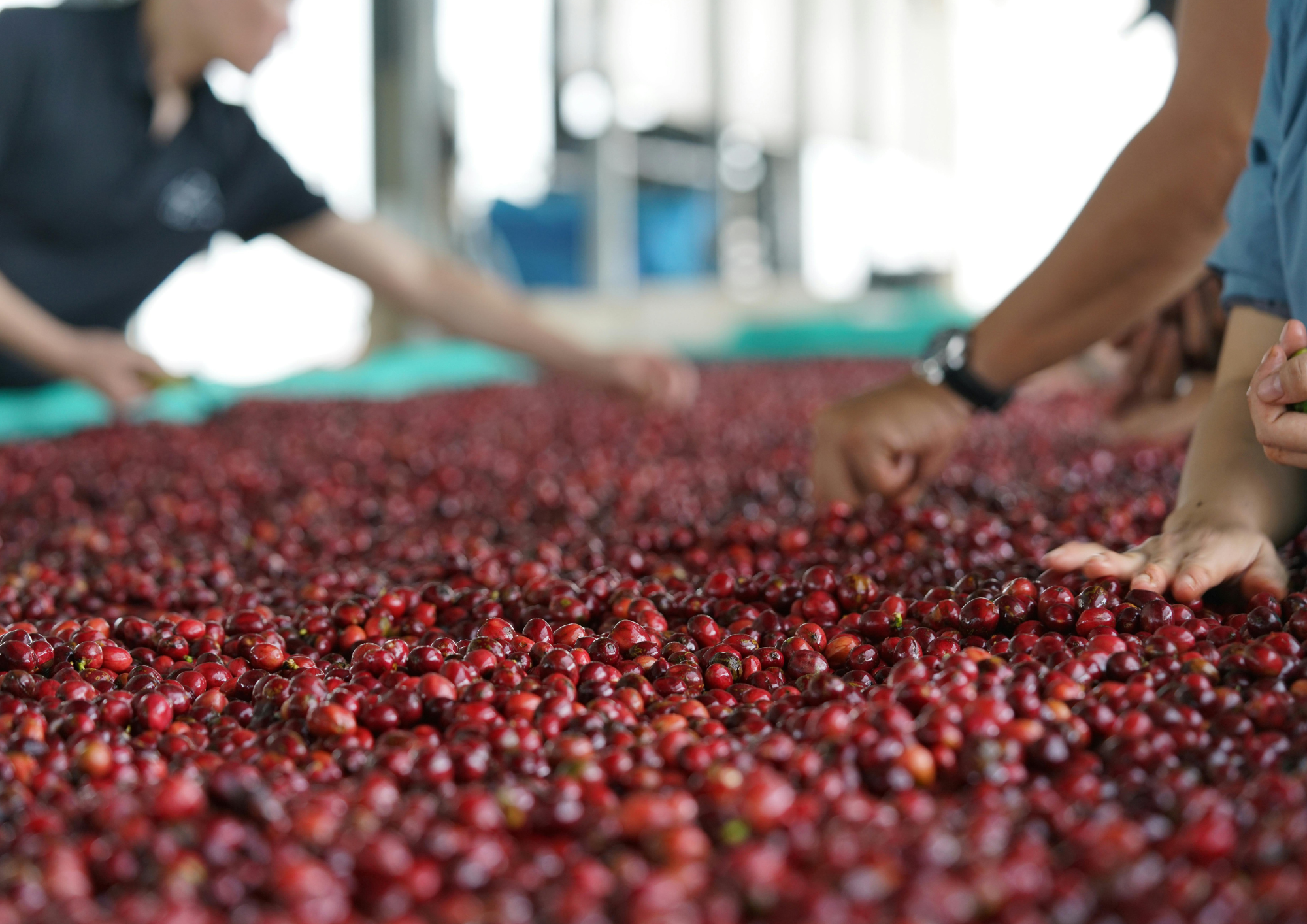
Coffee is an agricultural crop shaped by weather, plant growth and local growing conditions. Flowering, fruit development and ripening do not take place at exactly the same time in every region or every year.
1.1. When Is Robusta Harvested in Lam Dong?
A study of how temperature and rainfall affect Robusta in Lam Dong reported that harvesting in the surveyed area usually lasted from late October to December. This is a reference period for the study area; it does not mean every coffee farm in the province ripens on the same day.
Rainfall and temperature influence the trees throughout the year. Even when the cherries begin to ripen, prolonged rain or a shortage of workers can affect the speed of picking, transport and raw material intake.
Businesses therefore need to watch the signs of each season rather than relying solely on a fixed schedule set months in advance.
1.2. Monthly Supply Is Not a Straight Line
During the main harvest, the quantity of fresh cherries or green coffee coming onto the market may rise sharply. Outside the harvest season, supply depends more heavily on beans that have already been processed and stored.
Businesses may need to receive deliveries frequently for several weeks, then turn their attention to inventory management. Without coordination between intake capacity, warehousing and production schedules, even an abundant harvest can place pressure on operations.
LOPHA's initial growing area is associated with approximately 55 tonnes of fresh coffee cherries per year, but that does not mean nearly 4.6 tonnes are available every month. Cherries ripen seasonally, so dividing annual output into twelve equal parts would give a misleading forecast. During harvest, demand for workers, supplies and receiving facilities can rise quickly; afterwards, the priority shifts to storing processed raw materials. Annual output must therefore be understood alongside the harvest calendar, not used as a substitute for it.
2. Why Can Two Lots of the Same Coffee Variety Differ?
Even two Robusta lots from different regions or harvest dates may have distinct characteristics. That does not necessarily mean something went wrong: agricultural products naturally vary with conditions and harvest timing.
2.1. How Are Weather and Bean Condition Connected?
Rain, temperature and cultivation conditions can affect how coffee cherries develop. Once the beans go into storage, their moisture history and storage duration continue to matter for raw material stability.
When a lot therefore tastes different from an earlier one, it is worth looking at seasonal context and raw material conditions before blaming the roasting recipe. Studying seasonality helps product developers identify which factors to examine first.
2.2. Why Keep Separate Records for Each Lot?
When raw materials are recorded by lot, receipt date and source, a business can compare production results across deliveries. This is particularly useful when investigating unusual changes in flavour or planning a new purchase.
Lot information also helps separate raw material issues from equipment or operational problems. Not every lot requires identical treatment; decisions should reflect its documented characteristics.
3. How Does Seasonality Shape Research and Product Planning?
Coffee product development requires raw material samples that are comparable enough to produce meaningful results. If two trials use very different beans without recording those differences, their outcomes may reflect seasonality more than the method being studied.
3.1. Raw Material Research Should Follow the Harvest Calendar
Businesses can plan trials using early-, mid- and late-season material to understand variation and characteristics that may affect the finished product. This is a research-planning approach, not a claim that every coffee must follow one fixed testing timetable.
LOPHA focused on raw material and technology research from 2016 to 2022. From an R&D perspective, understanding seasonal variation helps explain why one sample cannot represent all the coffee available at every point in time.
3.2. Purchasing and Inventory Plans Should Reflect Sales Demand
During the harvest season, businesses have access to fresh raw materials but must also manage intake pressure. Outside the season, poorly planned stocks may lead to shortages or storage periods that are too long.
If a café orders coffee every month but the raw material is harvested mainly during a limited period, its supplier must balance buying and usage schedules. This business challenge directly affects the customer's experience.
One practical way to think about it is to compare three timelines: when raw materials can be purchased, how long processing is expected to take and how quickly the sales channel uses finished coffee. If HORECA customers order roasted coffee regularly every month while fresh cherries are available only during the harvest, a business must keep raw material collection plans separate from roasted coffee delivery plans. The two timetables are not identical, but they need continuous coordination to avoid running short just as demand rises.
4. How Do Changing Market Prices Complicate Planning?
Coffee prices change with supply and demand, weather and market expectations. The International Coffee Organization (ICO) publishes an international reference price indicator regularly. Its September 2025 report recorded an average composite indicator price of 324.62 US cents per pound, up 9.3% from the previous month.
This example shows that prices are not fixed from year to year. However, an international price index is not the same as the price LOPHA actually pays at any particular purchasing location.
4.1. Both High and Low Prices Influence Buying Decisions
When prices rise, businesses need to review raw material budgets and selling prices. When prices fall, buying as much as possible may still be unwise because of limits on storage space, cash flow and the ability to preserve quality.
The priority is to prevent short-term price changes from disrupting overall product quality or relationships with suppliers in the growing regions.
4.2. Why Should Businesses Plan for Multiple Scenarios?
Instead of assuming one price and one supply volume, a company can develop scenarios for favourable availability, shortages or delayed deliveries. It can then adjust order quantities, production schedules and inventory levels more proactively.
This is supply management thinking, distinct from the technical decisions involved in harvesting or processing each coffee lot.
5. How Does LOPHA Connect Growing Regions to Production Needs?
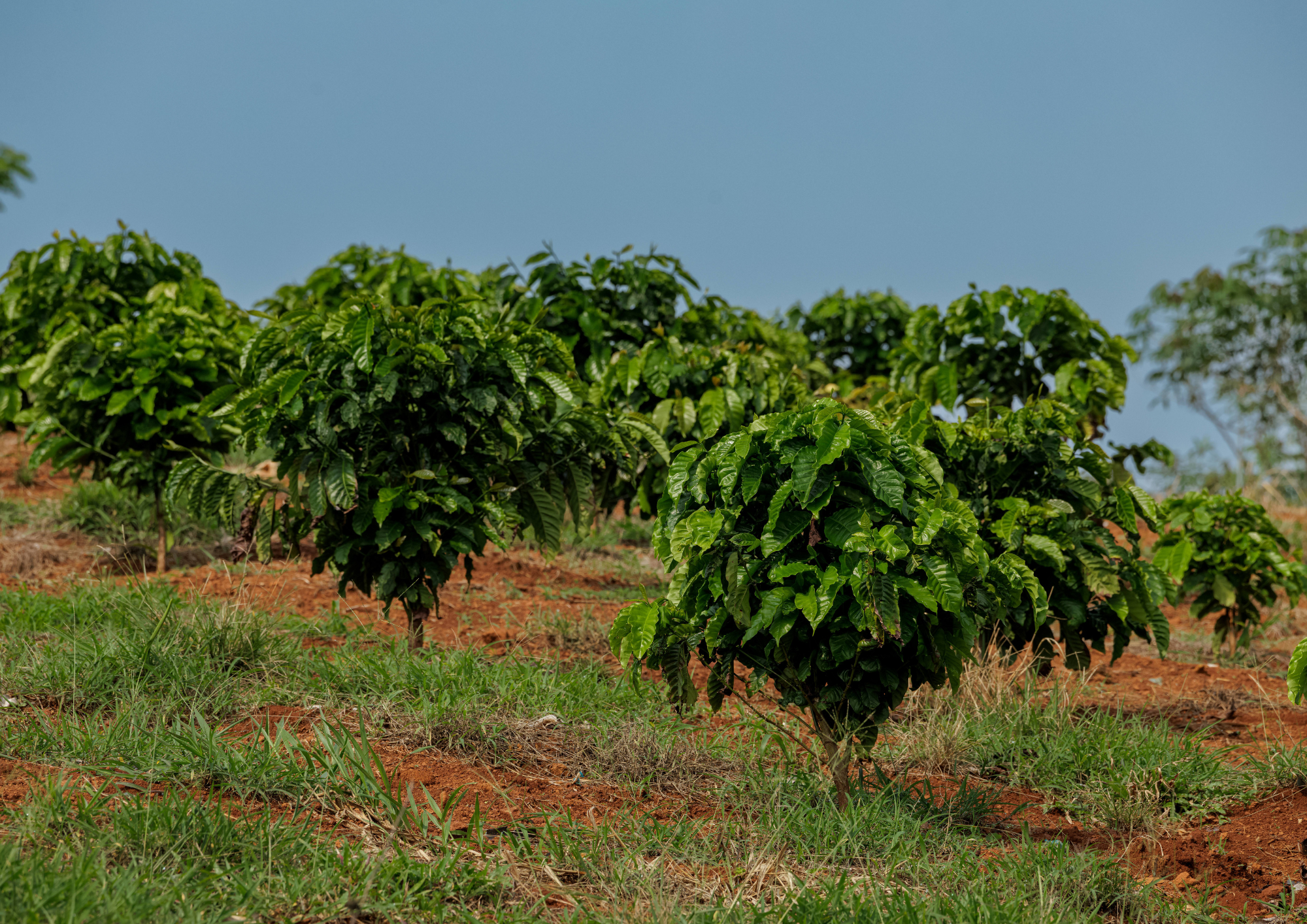
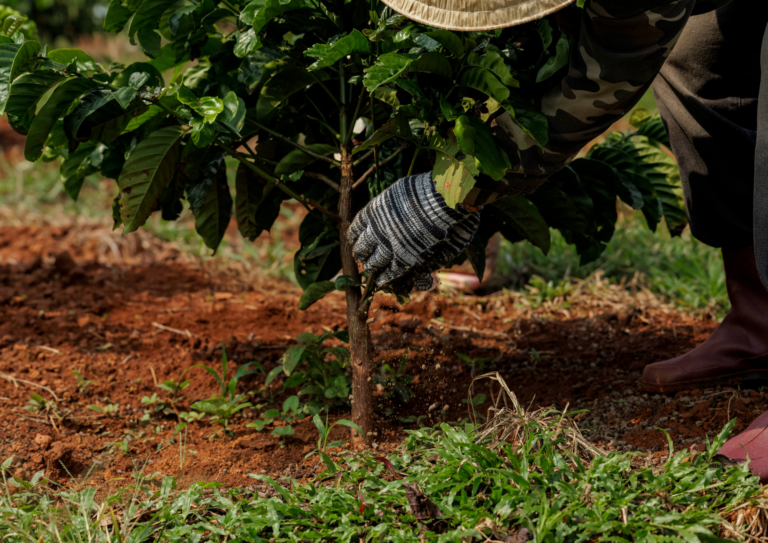
LOPHA's initial growing area covers approximately 10 hectares and produces around 55 tonnes of fresh cherries annually, while its current supply network includes partnerships with 10 cooperatives. These figures describe different things: output from the initial growing area is measured in fresh cherries, whereas factory output refers to coffee produced by the processing facility.
5.1. Diversifying Supply While Keeping Product Information Clear
Working with different partners creates access to coffee from different regions and times of year, but it also requires appropriate descriptions and distinctions between raw materials. Tonnes of fresh cherries cannot simply be added to tonnes of finished coffee to calculate total commercial capacity.
At LOPHA, the connections between raw material sourcing and coffee production provide a foundation for planning supply against product requirements rather than buying only in response to immediate shortages.
5.2. Seasonality Is Useful Data, Not a Barrier
Harvest cycles introduce natural fluctuations, but understanding timing and supply characteristics helps a business plan more proactively. As records from several seasons accumulate, purchasing and product development decisions can be made with a richer understanding of real conditions.
That is why LOPHA's growing-region story is not only about hectares or output. It is also about the working rhythm of growers, partners and the factory.
6. From Ripe Cherries to a Consistent Cup
Harvest is a crucial time for growers, but what drinkers expect is coffee that continues to meet their quality expectations long after the season has ended. To achieve this, a business must connect seasonal knowledge with purchasing, research and production plans.
Consistency does not mean denying natural variation. It begins with understanding that variation, monitoring raw materials and improving coordination throughout the operation.
For LOPHA, attention to seasonality is part of the journey from raw material to finished product, where quality is considered over time rather than on just one harvest day.