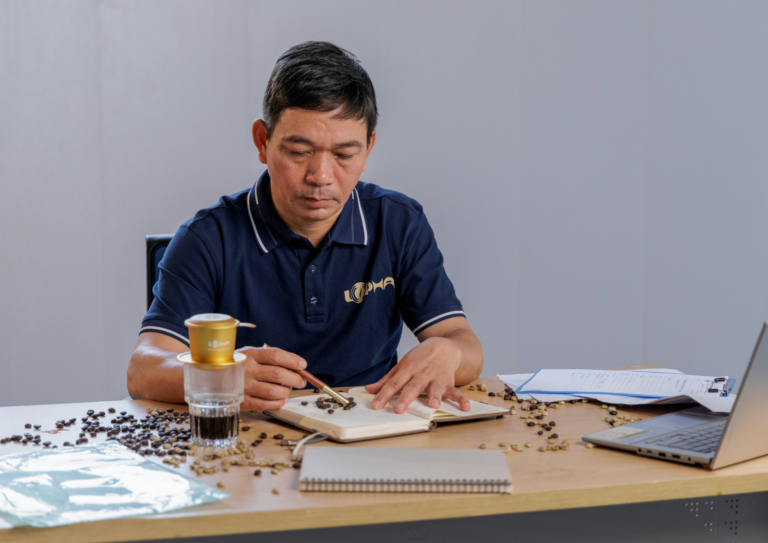
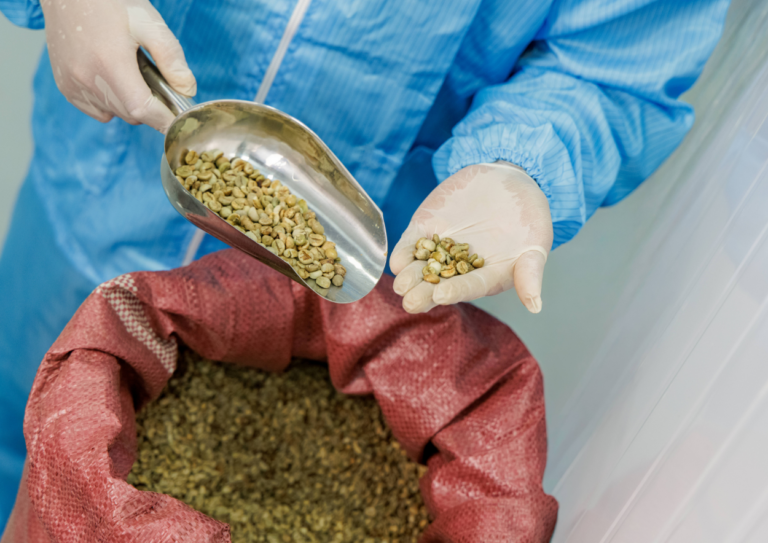
Six Years of Research: LOPHA’s Search for Pure-Coffee Solutions
Summary: The six years from 2016 to 2022 helped LOPHA turn its aspiration for purity into concrete questions about raw materials, processing, and quality. This stage enabled the brand to identify a technology direction with lasting potential.
Some questions seem easy to answer with a few tests. But when the goal is pure coffee with consistent quality, answers call for long-term observation and persistence. Between 2016 and 2022, LOPHA gradually turned curiosity about a special cup of coffee into research into beans and technology.
Throughout this journey, the key was not simply choosing new equipment. Each approach needed to be judged by its specific function, suitability for the beans, and potential to become part of a production system. Understanding why research was necessary also helps coffee drinkers appreciate the time the brand devoted to raw materials.
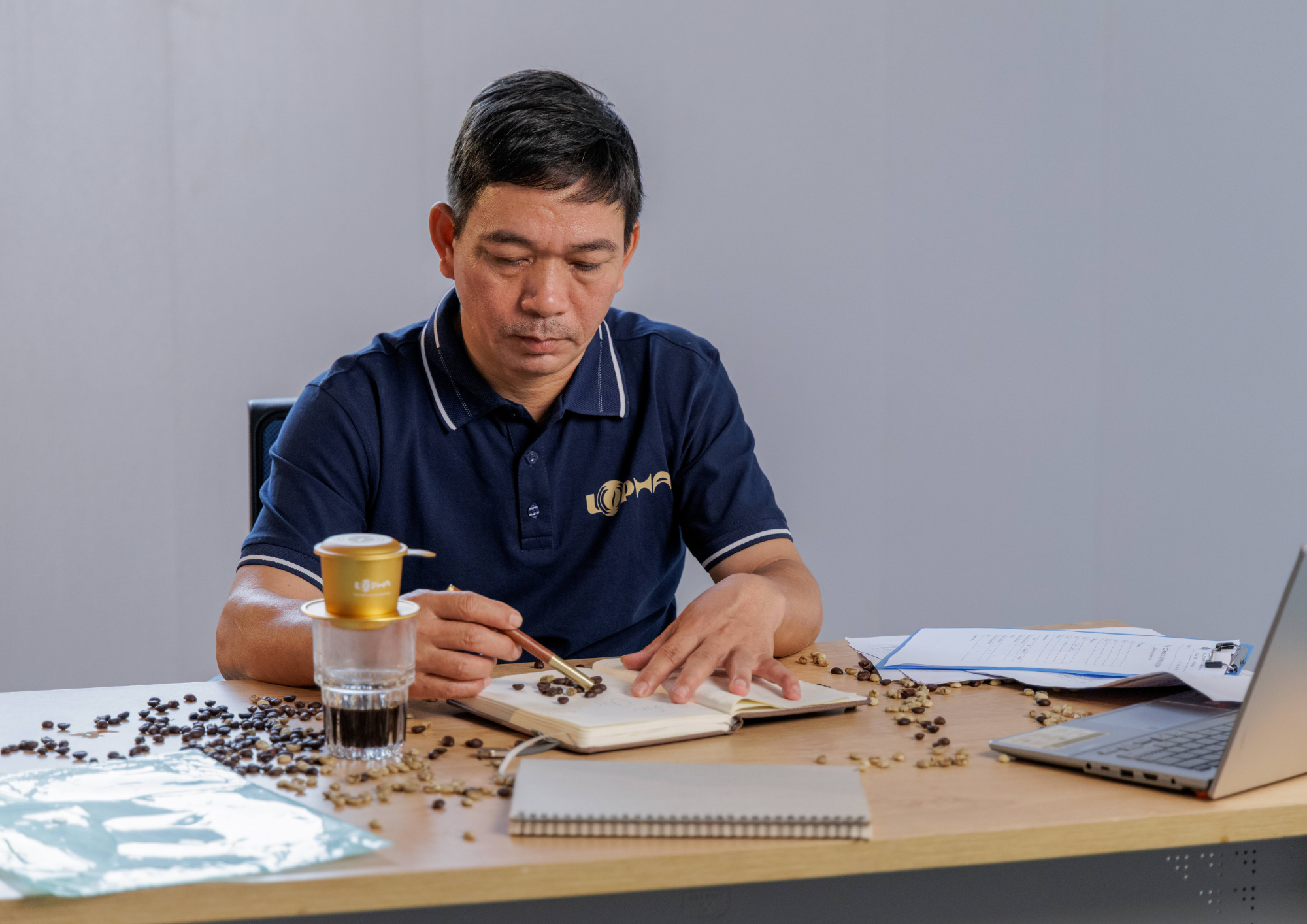
Research required LOPHA to observe raw materials under varied conditions. Processing one bean variety might not yield exactly the same results as another; roast level and brewing also affect the experience in the cup. By considering each factor, the brand gradually developed an approach suited to its quality goals.
The journey was not a race to create the strongest possible flavor. It was an effort to process raw materials more appropriately while respecting each coffee variety's natural characteristics. There is a gap between a promising idea and an idea that works in everyday life; research was LOPHA's way of gradually closing that gap.
Every Experiment Begins with a Specific Question
An experiment is meaningful when it starts with a clear question. With coffee, that question might concern removing a particular type of impurity, the bean's surface after treatment, preserving bean characteristics, or equipment suitability in production conditions. Without a defined objective, almost any result can be interpreted to support what someone wants to hear.
For example, a lot of green coffee beans with dust or fragments of husk on the surface may look noticeably different after cleaning. Yet visual inspection and specialized tests reveal different aspects of the raw material. In its research, LOPHA aimed to understand what each treatment could do so results would be assessed against the right goals and then applied appropriately.
Another set of questions concerns the beans themselves. Arabica and Robusta can differ in size, density, and surface characteristics. They need not respond identically to the same treatment. If researchers test only one raw material and extend the conclusion to all others, their claim goes beyond what was actually observed. Recognizing that boundary makes experiments more valuable.
The coffee world often focuses on how the first sip feels. But technology research asks more than 'Does it taste better?' The appeal of a cup also depends on roast level, grind size, water temperature, and the person preparing it. If those factors change at the same time, it becomes hard to identify what a particular treatment contributed. Separating causes is quiet but important work.
Familiar Methods and New Technology Can Work Together
Innovation in coffee does not have to replace every familiar method. Sorting, cleaning, and preparing the raw material serve different purposes, and each approach works best in the task it suits. LOPHA researched ultrasonics as an additional solution within the processing system, connected to the steps before and after it.
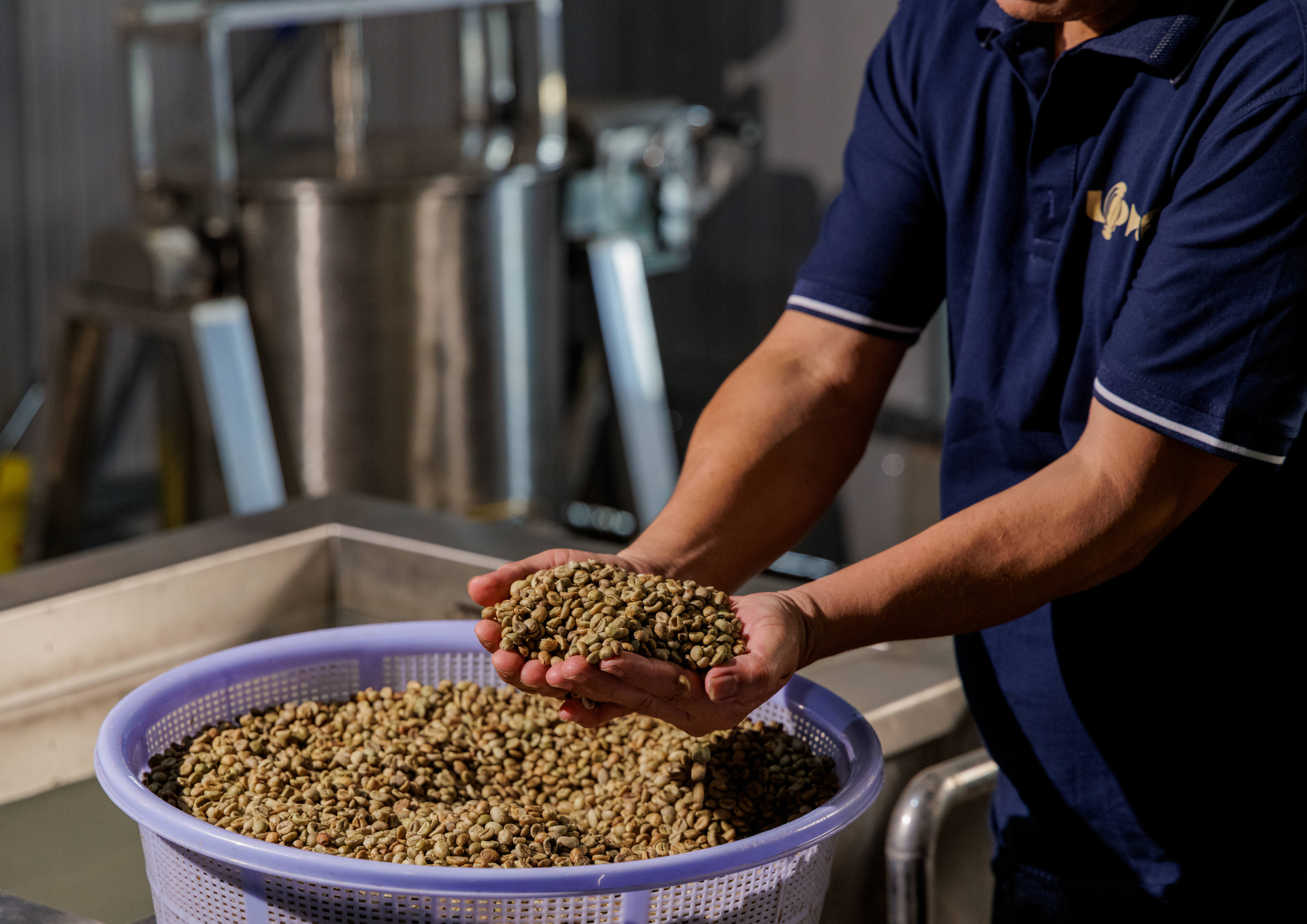
At LOPHA, ultrasonic technology is applied as part of a system of successive stages. Coordination between raw-material selection, cleaning, and bean preparation allows each method to serve its own function while supporting products with clear ingredients and consistent quality.
Ultrasonics is neither the first nor the final step in LOPHA's production process. It sits within a sequence of preparation, treatment, and finishing. This distinction shows the difference between studying a physical mechanism and building an entire method for making coffee. A mechanism has value only when used in the right place for the right purpose.
In LOPHA's production, ultrasonics is placed alongside the work of growers, raw-material selectors, and roasters. This cooperation gives the technology a defined role in building quality rather than making it a separate attraction. For customers, it is reflected in the brand's care for ingredients, bean origins, and the finished product.
What Makes an Initial Result Trustworthy?
A good result from one treatment can have many causes. The starting lot may already have been uniform; the operator may have chosen suitable conditions; or the subsequent step may have been performed carefully. Without knowing the starting point, it is difficult to measure the change. Before-and-after comparisons therefore need a consistent context and suitable testing methods.
In research, before-and-after images can illustrate a raw material's condition. Specialized indicators require appropriate assessment methods, alongside observation and sensory evaluation. Bringing these perspectives together helps LOPHA understand the role of each solution and translate research into real factory operations.
LOPHA also considers the consistency of tasting conditions when conducting sensory assessment. Even for the same coffee sample, grind size, dose, water ratio, and the condition of roasted beans can change impressions. Observing these factors consistently helps researchers understand why differences occur and select a direction for product development.
During the first six years, LOPHA progressively defined what each researched solution could address, which beans it suited, and whether it could be applied at the factory. The outcome of that search was more than choosing a technology: it also involved learning how to make the choice work in later production.
Choosing Technology for Its Practical Strengths
Every technology has a defined scope. For LOPHA, the important questions are where ultrasonics can assist cleaning and how it works alongside the other stages. That approach focuses investment where it matters while maintaining attention to raw-material and finished-product quality throughout.

LOPHA uses ultrasonics to help clean the surface of coffee beans in water. Any claimed effectiveness needs to be understood in relation to the relevant test method and conditions; the technology therefore sits within a broader production system that also includes raw-material selection, equipment hygiene, and finished-product quality control.
Understanding what a method can and cannot do also helps producers identify the work that must happen beforehand. Unsuitable raw materials still need to be recognized; equipment must be cleaned and checked; the finished product must meet applicable requirements. Experiments are most useful when they help improve the entire system, not when they merely produce an absolute marketing claim.
Six years of research allowed LOPHA to explore different processing approaches before choosing solutions better suited to coffee beans. The observations gathered during this time prepared the brand to move from research into refining its production activities in 2022.
From the First Experiments to LOPHA Products
Coffee drinkers do not necessarily want to study operating parameters. They want to know why a brand chose its methods and how those choices benefit the product. The truthful answer is not simply that a machine is more modern; technology must suit a defined goal and work within a controllable process.

Think of the moment you open a bag of coffee. Aroma may be the first thing that reaches you. Then come flavor in the cup, consistency from one brew to another, and information on the packaging. No single production stage can take full credit for those experiences. They result from many choices, one of which is the processing technology used.
As LOPHA explored processing solutions, it developed a careful, persistent principle: every technology choice should begin with a clear purpose for the beans. Observation and evaluation matter more than hasty conclusions, because only an approach suited to the raw material and real production can accompany a brand for the long term.
If a cup of coffee makes someone curious about what happened to the beans before they reached them, that curiosity is valuable. LOPHA's research journey began in much the same spirit: refusing overly quick explanations or beautiful images alone, and working to distinguish what comes from the raw material from what people actually contribute. Understanding the difference helps coffee lovers appreciate the genuine value of a product.