Coffee Research and Development: From an Idea to a Market-Ready Product
Summary: An interesting coffee idea is not enough to create a product that can serve customers consistently. Research and development (R&D) means defining the problem, evaluating raw materials, running tests and checking whether results can be repeated. Drawing on LOPHA's journey from 2016 to 2022, this article explores why technology research must be connected to customer needs, operating costs and honesty in product information.
A new coffee idea can appear in an instant: an unexpected flavour, a different way of treating raw beans or a product for customers whose needs are not yet well served. But turning that idea into a bag of coffee that can be sold consistently means answering many questions along the way.
That is the role of coffee research and development, commonly called R&D. For LOPHA, the six years from 2016 to 2022 were devoted to studying raw materials and exploring technologies aligned with its commitment to purity. This story also shows why a business needs more than initial inspiration to develop a product people can rely on.
1. What Problems Does R&D Actually Solve in Coffee?
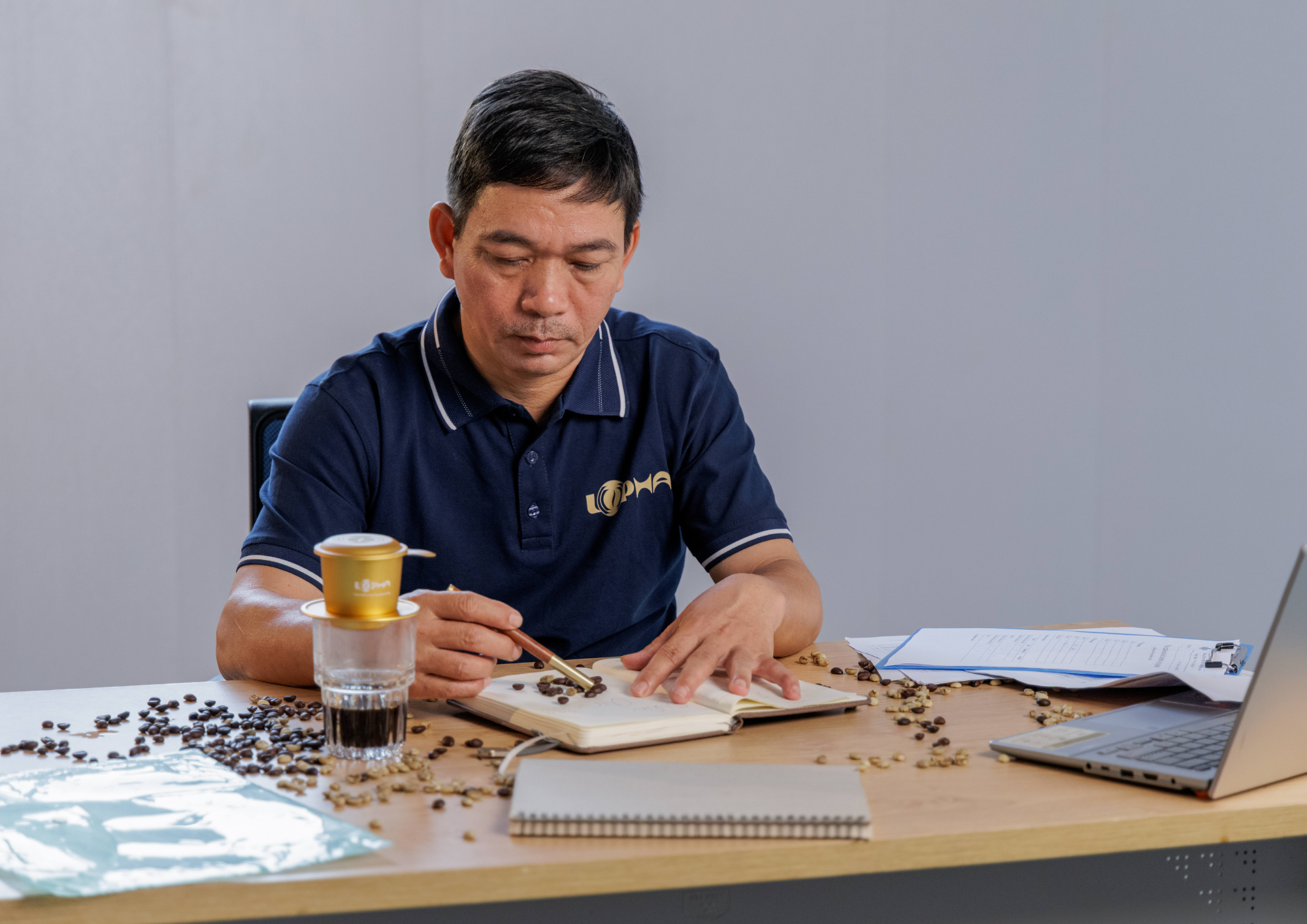
R&D is not simply about inventing new recipes in a laboratory. It helps a business turn a real need or problem into an approach that can be assessed. In coffee, the starting point might be inconsistent raw materials, a desire to express a bean's natural characteristics more clearly or the needs of a particular customer group.
1.1. Start with a Clear Question, Not an Exciting Technology
A new technology may attract attention, but a business needs to identify the problem it addresses and what would count as a useful result. If the aim is to treat the surface of raw beans, the method must be evaluated under suitable conditions. If the aim is to improve product consistency, the team needs to define how a real change in consistency will be recognised.
LOPHA is not simply chasing an appealing flavour description. Research into raw coffee from 2016 to 2022 led it to explore ultrasonic technology as a way to support surface cleaning before roasting. This illustrates how a research direction can begin with the needs of the raw material itself.
1.2. The Difference Between an Idea and a Testable Hypothesis
The idea of 'making better coffee' is too broad because people's preferences differ. A testable hypothesis is more specific: will changing a processing condition lead to a measurable difference in a chosen characteristic?
In research, teams can compare samples prepared under similar conditions, record the results and check whether any differences recur. This reduces the risk of making a decision based on a single lucky trial.
Imagine a development team wanting to find out whether raw material preparation affects roasting results. Rather than roasting two arbitrary batches and choosing whichever tastes better, the team would use samples with broadly comparable starting conditions, keep the roast process consistent and alter only the factor being studied. If a clear difference appears, further tests can determine whether it can be reproduced or was simply random variation. This helps avoid praising a product on the strength of one fortunate batch that cannot be replicated later.
2. From Raw Material to Sample: What Should Be Recorded?
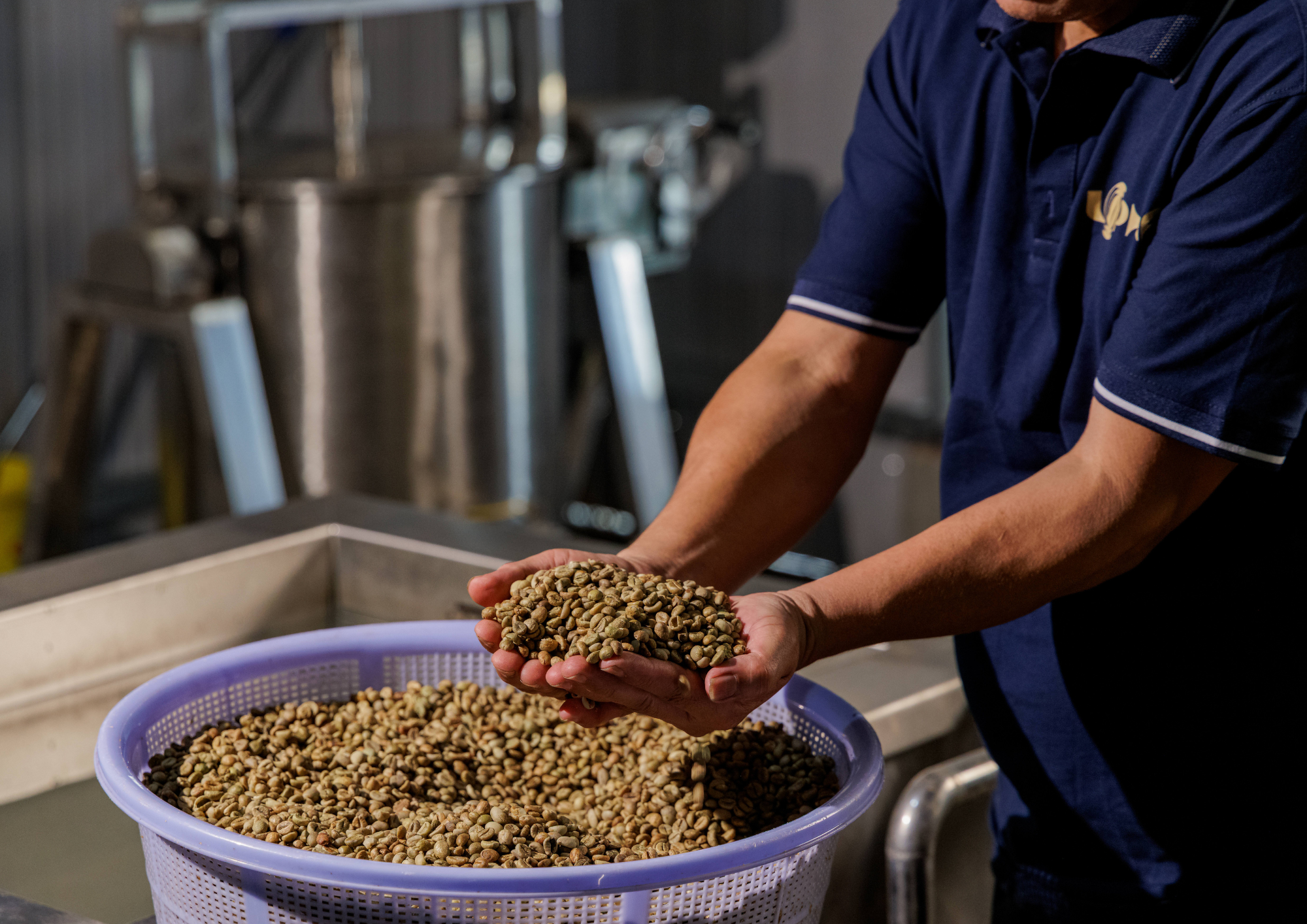
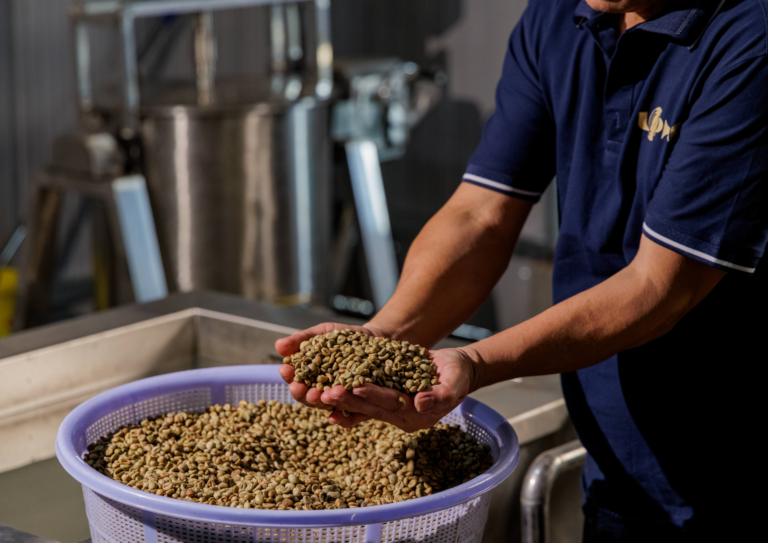
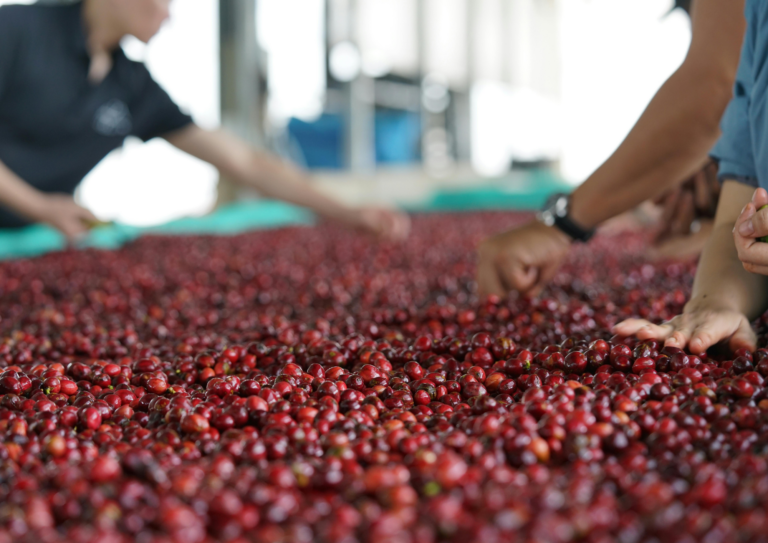
Coffee is an agricultural product, so no two batches are completely identical. Growing region, harvest season, storage conditions and lot characteristics may all influence research results. If the initial conditions are not distinguished from the effects of the method being tested, conclusions about what caused a change will be uncertain.
2.1. One Good Sample Does Not Prove a Solution Works
For example, two coffees with different moisture contents or roast levels may taste different even when no new technology has been used. When comparing samples, the starting conditions and test methods therefore need to be described clearly enough to avoid confusion.
For consumer products, assessment goes beyond raw material specifications to aroma, taste and suitability for particular preferences. However, enthusiasm at one tasting cannot entirely replace evidence about composition or the ability to maintain quality.
2.2. Records Turn Experience into Shared Company Knowledge
A simple test record might include the sample code, test date, raw material type, processing conditions and observations. With this information, researchers can revisit why one sample performed better than another and avoid repeating unnecessary mistakes.
That is the difference between experimenting on impulse and following a methodical R&D process. Knowledge is no longer kept only in one person's memory; it can be shared with other teams as a product continues to develop.
3. How Can You Tell Whether an Idea Is Worth Pursuing?
Not every interesting result needs to become a product. A research approach may have technical strengths but be too expensive, difficult to operate or poorly matched to customer needs. Deciding whether to continue requires considering both practical value and feasibility.
3.1. Three Questions: Effectiveness, Repeatability and Cost
First, does the proposed solution achieve the intended result? Second, can that result be repeated in further tests under suitable conditions? Finally, do the costs of raw materials, machinery, people, time and energy allow it to be used in practice?
For instance, a method that works well on a small sample but requires excessive time per batch may be difficult to scale. By contrast, a simpler method that is easy to operate and delivers stable results may offer greater value.
3.2. When Should Coffee Drinkers Join the Evaluation?
Research on raw materials can address technical questions, but a commercial product must meet a real customer need. Tastings with an appropriate customer group help identify which characteristics people value, which descriptions are easy to understand and whether the product works with familiar brewing methods.
Someone who enjoys strong, bitter Robusta may respond differently from someone who loves the pronounced acidity of Arabica. One overall preference score should therefore not be treated as an absolute measure for every type of coffee.
Even when focusing on three familiar coffee ranges, the tasting group should match the evaluation's purpose. Someone accustomed to strong phin coffee may find Arabica's acidity too prominent; a person who prefers delicate aromas may not choose Robusta for everyday drinking. Recording whether participants use a phin, an espresso machine or another device helps place their feedback in context. R&D is not about finding one 'best cup' for everyone, but about developing products for different needs.
4. From Research Findings to LOPHA's Product Direction
At LOPHA, the experience that sparked the journey in 2016 led to years of research into raw materials and technology. This approach is connected to Purity, Honesty and Authenticity: a commitment to pure coffee, truthful descriptions of what a product can offer and the preservation of its original character.
4.1. Ultrasonic Research Has a Specific Purpose
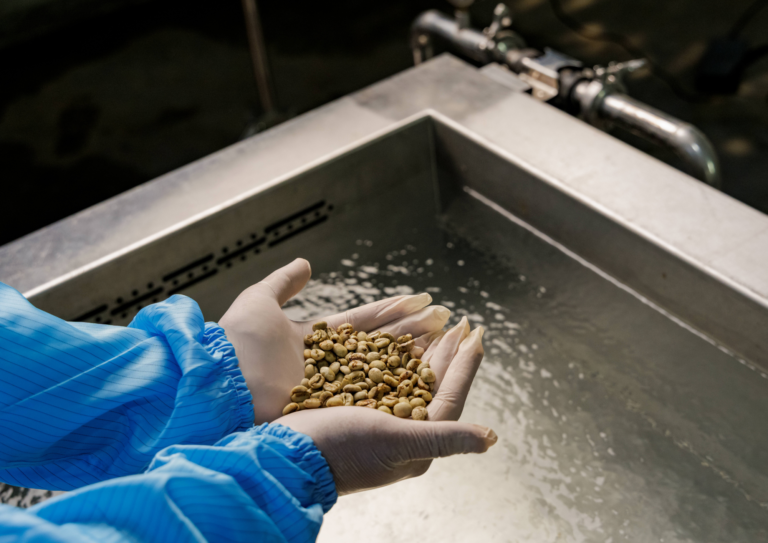
LOPHA researched the use of ultrasonic waves in water to help clean the bean surface. The value of that research lies in choosing a specific task to address, not assuming one technology can solve every quality issue.
For customers, technical knowledge matters when it connects to a clearly understood product. LOPHA's Arabica, Robusta and Blend ranges provide different taste experiences, helping people select coffee that suits them rather than relying on a promise that every cup will taste alike.
4.2. R&D Builds a Foundation, Not Just a Recipe
Once a business has learned how to ask questions, record results and assess materials, that foundation can support future product development. Not every test sample needs to become a commercial product; some findings help clarify technological limits or identify approaches that are not suitable.
In LOPHA's purity journey, the six years of research were a distinct stage preceding the transition to production development in 2022. Transferring research findings to a factory is a further challenge, not the entirety of R&D itself.
5. What Does R&D Mean to Coffee Drinkers?
Customers may not care about the name of a machine in a research room, but they do care about a product's ingredients, whether its flavour suits them and whether the information matches their experience. R&D helps a business answer those questions more clearly.
A systematically developed product can be described in more useful terms: the bean variety, expected taste, suitable brewing methods and anything worth knowing before use. That is especially helpful when so many pure-coffee choices are available and newcomers are unsure where to start.
6. The Value of Research Lies in Continued Improvement
No single test can guarantee that a product will suit every market forever. Raw materials change with the seasons, and drinking habits and customer needs evolve. R&D is therefore an ongoing capability to learn and improve with purpose, not just a one-off invention project.
For LOPHA, the initial six years spent exploring solutions laid an important foundation before research moved into production-scale applications. Lessons from that stage continue to inform choices about raw materials and product development.
From the cup that first sparked curiosity to products for many different preferences, R&D's most valuable contribution is turning curiosity into decisions grounded in evidence and useful to the people who drink the coffee.