The Coffee Roasting Process at LOPHA
Summary: Green coffee beans look and smell very different from the roasted coffee we know. Under heat, they change colour, expand and develop aroma. Roasting is the eleventh step in LOPHA’s journey and the point at which careful raw-material preparation meets the craft of flavour development.
From green coffee beans to familiar coffee aromas
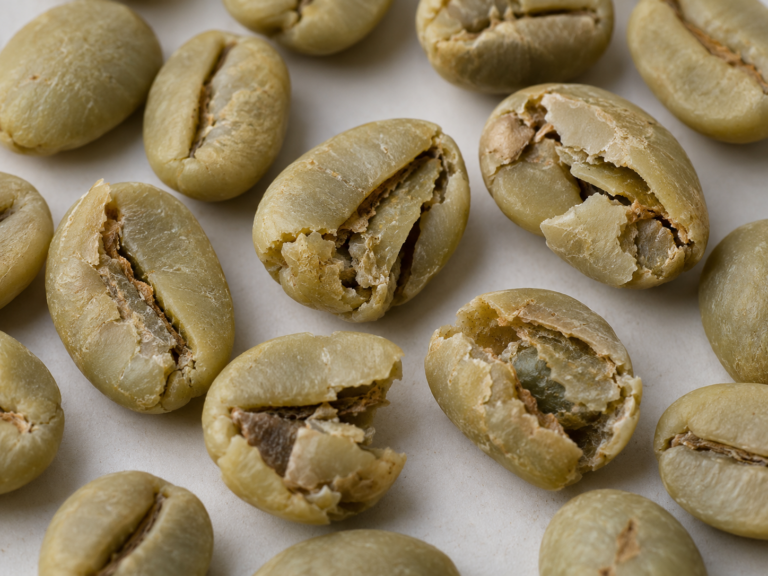
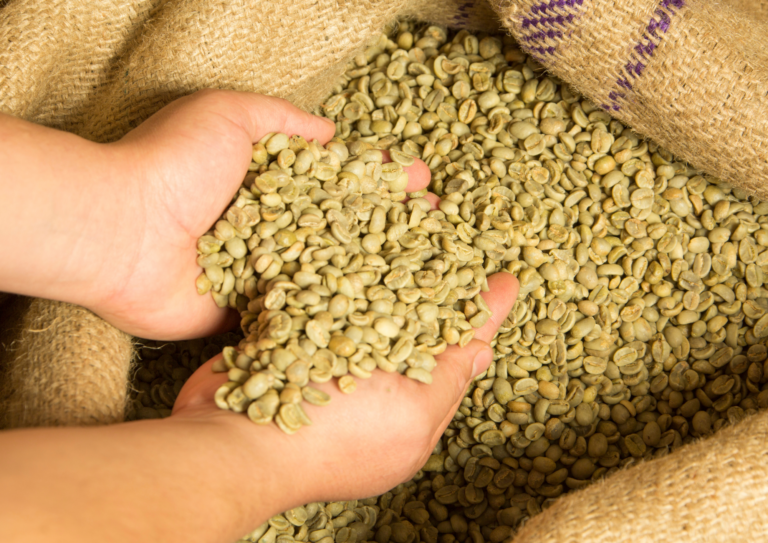
Green coffee has a very different smell and structure from roasted coffee. When the beans begin to absorb heat, they undergo a series of changes involving water, gases, natural compounds and their internal structure. These transformations gradually produce the colour and aromas associated with roasted coffee.
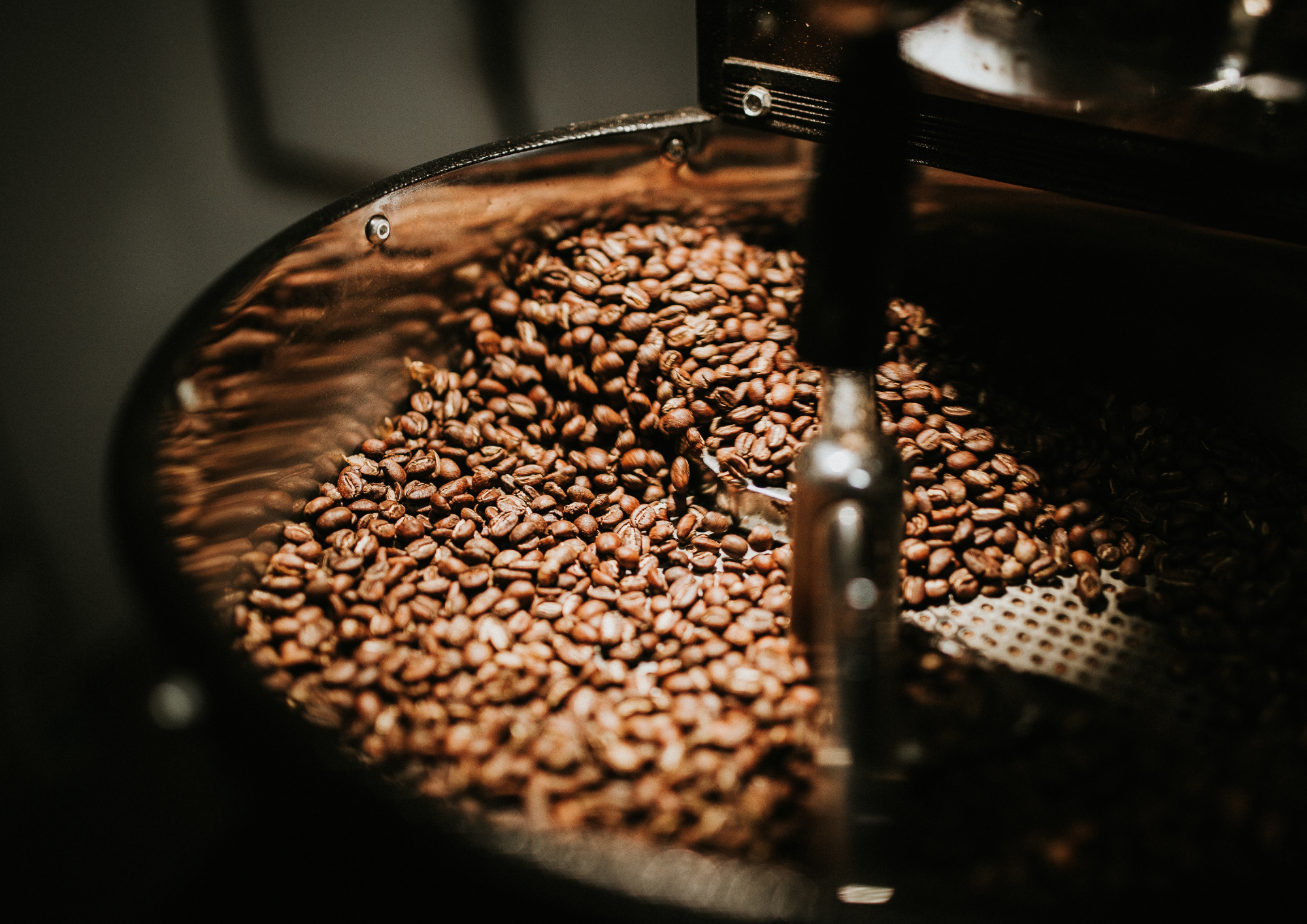
Roasting is therefore much more than turning a bean brown. If we judge quality only by colour, we overlook the way heat was applied and how the beans developed. A suitable roasting process needs to consider the characteristics of the material and the intended sensory result.
Coffee drinkers should also distinguish raw-material quality from roasting skill. Arabica, Robusta and even different lots of the same variety can respond differently depending on origin, processing and storage. Roasting brings out qualities already associated with the material; it cannot simply create every desirable characteristic out of nothing.
What happens when beans absorb heat?
As green coffee is heated, the water inside begins to move and leave the bean under changing conditions. At the same time, natural components undergo thermal transformations. Temperature and time affect how those changes develop, so the roaster must manage heat rather than merely keep the machine hot.
The expansion that occurs later in roasting is linked to steam, gases produced and changes in bean structure. Under certain conditions, noticeable cracking sounds may accompany these changes. The timing and behaviour of the beans give the roaster information, but no single observation can describe every aspect of the roast.
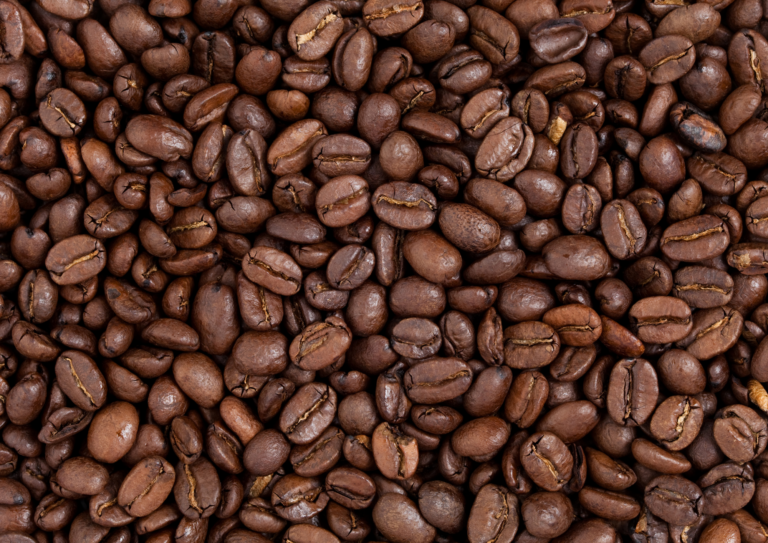
Colour and aroma also evolve with time. The more plant-like smell of raw coffee gives way to aromas that may remind us of baked goods, nuts or other familiar foods. The exact result depends on the beans and on the way the roast is developed.
The reactions that create colour and aroma
The Maillard reaction is among the important groups of reactions during coffee roasting. It involves compounds associated with amino groups and reducing sugars and contributes to colour and aroma development. It is not one simple event, but a network of transformations that unfolds as the beans receive heat.
Thermal changes involving sugars also contribute to flavour. Caramelisation is often mentioned when discussing roasted coffee, but the chemistry of roasting is more complex than a single reaction. Aroma emerges from many interacting compounds and processes rather than one ingredient turning into caramel.
Many aroma compounds are volatile. Small differences in temperature or exposure time can influence how certain groups develop or are lost. This is why roasting requires attention to the progress of the batch rather than reliance on one fixed description of colour or temperature.
A suitable roast matters more than a very dark one
Customers often see roast levels described as light, medium and dark. These categories offer a general picture of flavour tendencies, but they are not precise guarantees that every coffee with the same label will taste identical. Bean characteristics and the roasting profile also matter.
Lighter roasts are often chosen to express more of the coffee’s origin characteristics and acidity, but still require careful development. Medium roasts can seek a balance among aromas, body and other qualities. Darker roasts may bring more pronounced roasted notes and bitterness, yet greater darkness is not automatically better quality.
Flavour also depends on the brewing water and extraction method. Beans that work well as espresso may not produce the same impression when brewed in a phin or through another method. The most useful roast choice is therefore the one that suits the coffee and the drinker’s preferences, not simply the darkest option.
Arabica and Robusta in the roasting drum
Arabica and Robusta differ in many raw-material characteristics. During roasting, the roaster observes how each coffee receives heat, reacts and develops aroma. Rather than forcing them to follow exactly the same curve, a suitable approach reflects their individual behaviour and the product’s intended flavour profile.


Robusta is often associated with a fuller body, noticeable bitterness and a lingering finish. These qualities appeal to people who enjoy traditional Vietnamese phin coffee and other strong styles. Arabica may offer more delicate aromas and clearer acidity. Both can be valued for their own identities instead of being measured against a single ideal taste.
LOPHA develops its Arabica and Robusta products with distinct drinking experiences in mind. For customers, the practical approach is to choose a coffee based on its flavour characteristics and preferred brewing method. A roast should help express the coffee’s natural personality rather than erase the differences between varieties.
Cooling and stabilising coffee after roasting
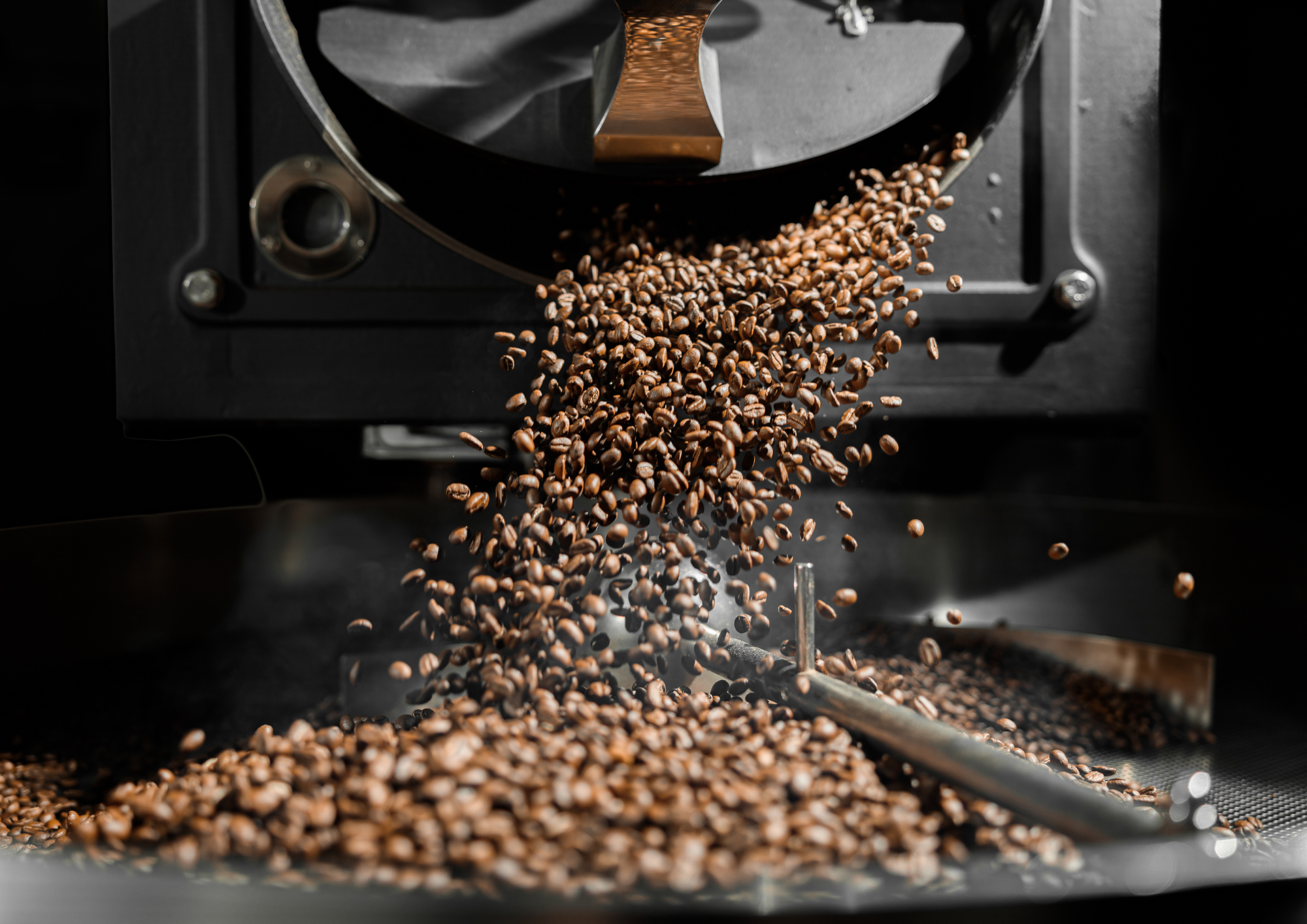
When coffee leaves the roasting zone, it still holds heat inside. If cooling is not handled appropriately, the beans can continue to undergo heat-related changes, affecting the intended roast outcome. Cooling therefore forms an important transition between flavour development and later handling.
After cooling, roasted beans continue to release carbon dioxide formed and trapped during roasting. This phenomenon, commonly called degassing, influences how coffee behaves during packaging and brewing. The required resting conditions depend on the product and its intended use.
For that reason, the best time to drink coffee after roasting cannot be reduced to one fixed number of days for every product. Espresso, phin coffee and other methods may respond differently to the state of the beans. Good handling after roasting is part of the overall flavour experience.
Evaluating a roast through the cup
A roasting batch with attractive colour and well-recorded settings still needs evaluation through brewed coffee. Tasting helps determine whether the intended aromas, body, acidity, bitterness and aftertaste have developed as expected. The cup connects technical roasting decisions with the experience of the person who drinks the coffee.
When comparing batches, the tasting method should be consistent. A change in grind size or water temperature alone can alter what the taster perceives. A meaningful comparison therefore requires attention not only to the roast, but also to how the samples are brewed and assessed.
Understanding roasting helps coffee lovers see the value of each part of the sequence: beans absorb heat, transform and develop aromas, then cool and continue changing as they rest. The finished cup reflects those linked stages rather than simply the colour of the roasted beans.
Roasting to develop coffee’s natural flavour
Roasting turns the potential of green coffee into the flavours we can enjoy in the cup. Yet even an excellent roast depends on suitable raw material and careful preparation beforehand. In LOPHA’s 15-step journey, roasting is an essential part of bringing out the bean’s natural character, not a substitute for everything that comes before it.