Cracked or Broken Coffee Beans After Pulping: Causes and Effects
Summary: Not every coffee bean remains perfectly intact after the fruit skin and pulp are removed. Uneven raw materials or mechanical forces can leave some beans chipped, cracked or broken. Understanding how this damage occurs shows why cherry selection and careful adjustments to the pulping stage matter to the quality of green coffee.
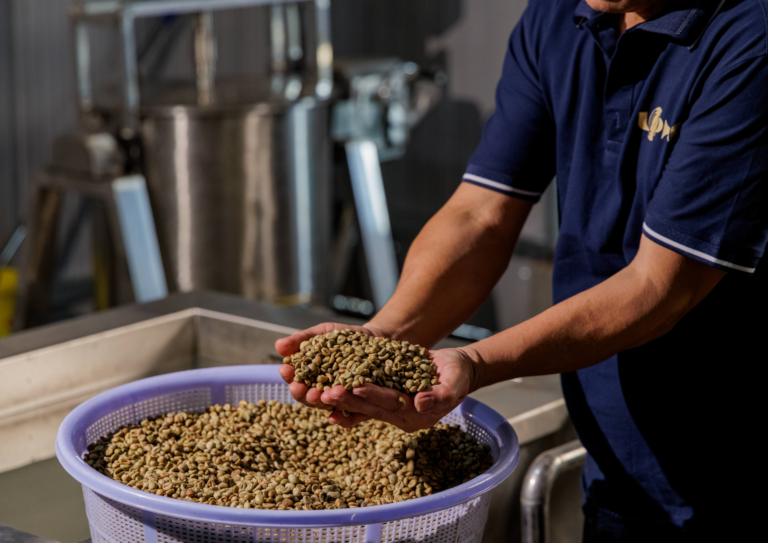
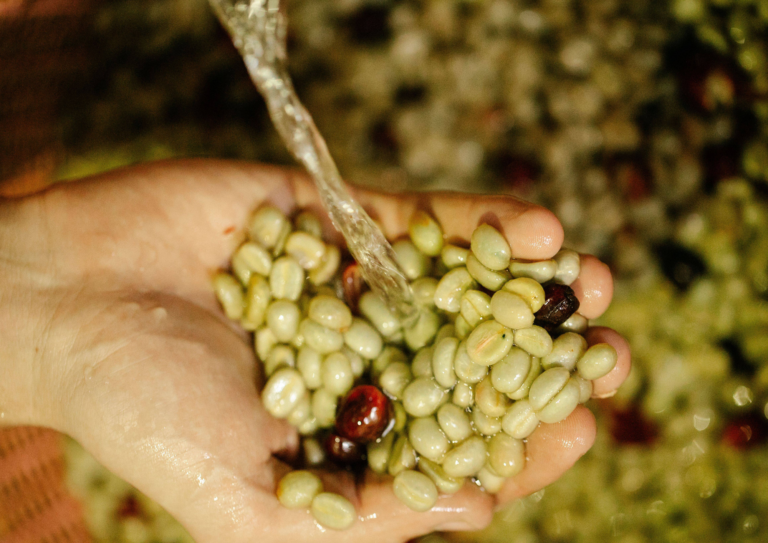
Coffee cherries entering a pulping machine often look similar on the outside. Yet the beans emerging from the machine may tell a different story: some remain whole, others have a chipped corner and some bear a tiny crack that is difficult to spot immediately. Why do beans passing through the same stage emerge in such different conditions?
A crack does not automatically make a coffee bean unusable. However, severe damage can create difficulties during drying, transport and roasting. At LOPHA, examining damaged beans after pulping offers a deeper view of primary-processing quality than merely asking whether the machine removed the cherry skin.
1. What are cracked or broken beans after pulping?
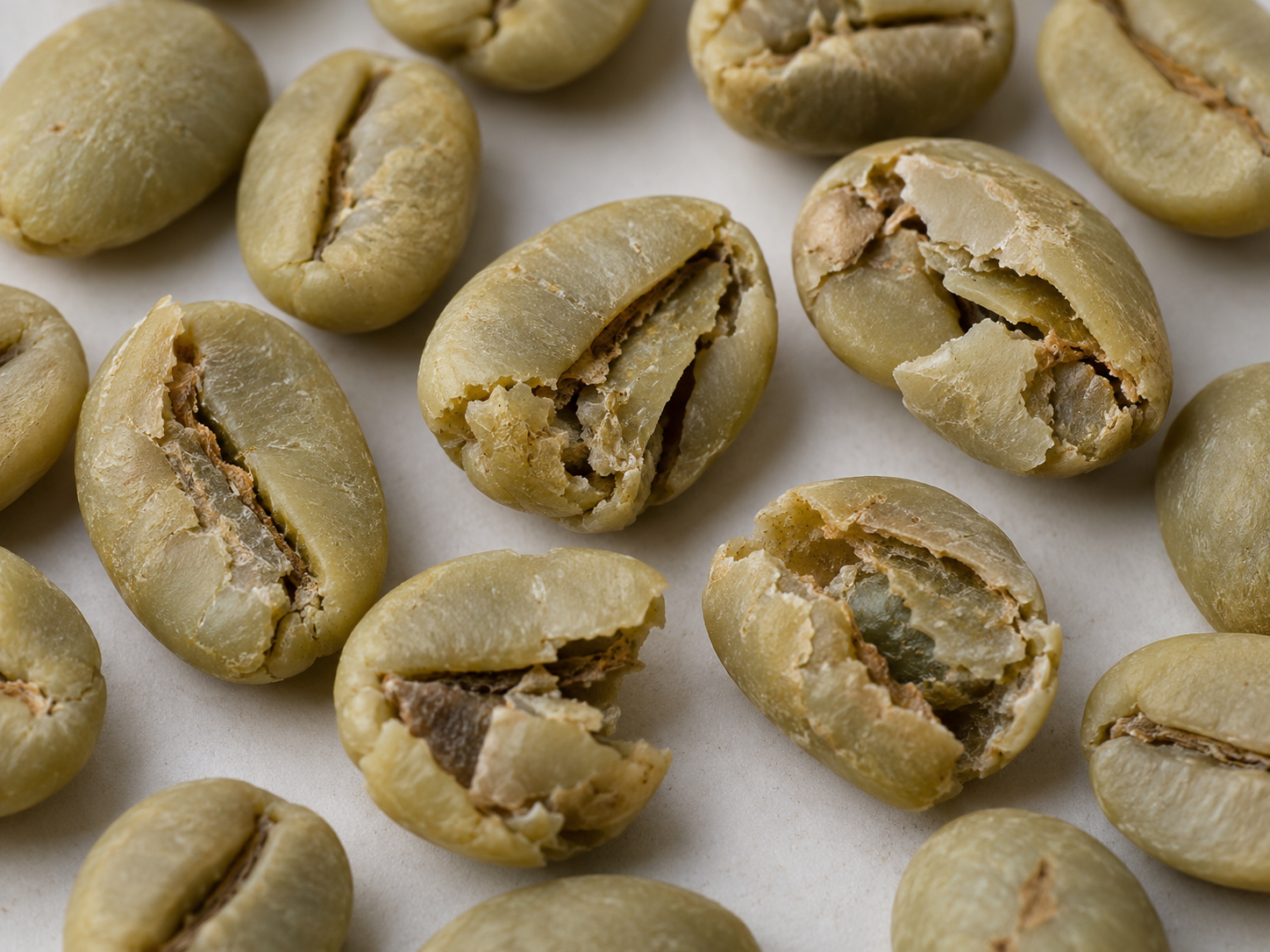
Once the fleshy part of the cherry has been removed, the coffee seed usually remains protected by parchment, depending on the processing method. Some visible damage occurs only to this outer layer; other damage becomes apparent when parchment is removed to produce green beans. A tear in the parchment should therefore not automatically be taken to mean that the bean inside is damaged.
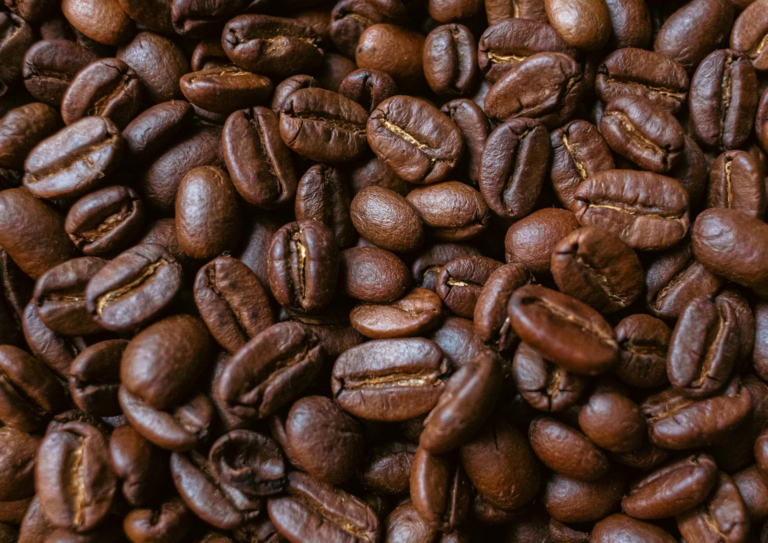
A cracked bean may show a fracture line or a chip along one edge. A broken bean has generally separated into smaller pieces and lost its original shape. Some damage is caused by equipment, while other defects originate in bruising during harvesting or transport and become visible only after processing.
Different levels of damage have different consequences. A shallow surface scratch and a bean broken in half should not be assessed in exactly the same way. When selecting raw material, producers need to distinguish these conditions so they can respond appropriately rather than put every affected bean into one broad defect category.
2. Why can pulping damage coffee beans?
A pulping machine is designed to apply enough pressure to separate the cherry's outer layers from the seed. When raw-material characteristics and machine settings do not match, that force may reach further into the bean. The result can be unwanted squeezing, pinching or forceful impact.
2.1. Cherries in the same lot vary in size
Coffee is an agricultural crop. Even on a single tree, cherries can differ in size, skin firmness and stage of development. When large and small cherries pass through the same machine gap, they may experience different levels of pressure. Settings suitable for one group may not be ideal for all the others.
If the pulping gap is too narrow for the fruit, the risk of excessive pressure on the bean can rise. If it is too wide, some cherries may not be fully pulped and need additional treatment. The aim is balance: remove the pulp effectively while minimising damage to the beans.
2.2. Ripeness and cherry condition affect pulping
Unripe cherries generally have skin and pulp tissues that differ from those of suitably ripe fruit. Overly soft, bruised or long-stored cherries also behave differently from fresh, intact ones. When a lot contains too many mixed conditions, selecting an appropriate pulping pressure becomes more difficult.
This is one reason LOPHA pays attention to ripeness at the growing area. In the 15-step journey to pure coffee, harvesting and selection always come before pulping: good inputs create more stable conditions for the work that follows.
2.3. Equipment and operating practices also matter
Worn pulping components, excessive feed rates or foreign material mixed with the cherries can all change how pressure is applied. Even when a machine is working normally, failing to adjust it for different lots can increase the proportion of damaged beans.
It is also important to distinguish throughput from effectiveness. A faster processing line is not necessarily better if many damaged beans need extra sorting later. Post-pulping quality should be judged by how well the beans are protected, not merely by the amount of fruit the machine handles in an hour.
3. How can damage be distinguished from natural bean shape?
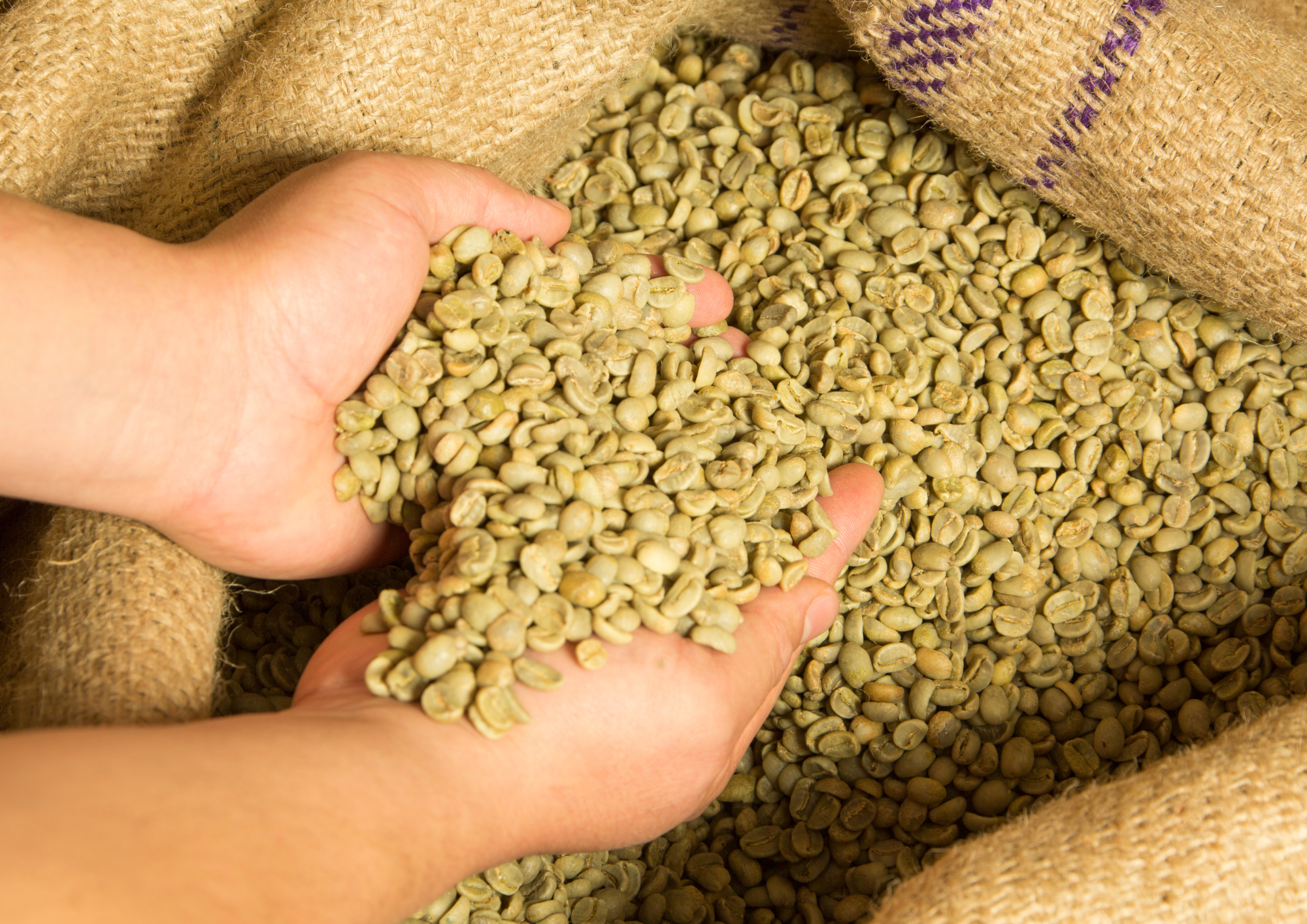
Not every coffee bean is rounded or identical in size. Some are slightly asymmetrical, have a deep central crease or consist of two sides that have not developed in exactly the same way. These features are not necessarily caused by pulping.
Look instead for clear signs of physical change: a newly formed fracture, an unusually sharp edge, a missing fragment or a compression mark indicating structural damage. If samples from the same lot are available before and after pulping, comparison is more informative than looking at an isolated bean.
Damage can also be confused with defects formed at other stages. Insect-damaged beans may have holes or feeding marks; discoloured beans may reflect raw-material condition or storage; mechanically broken beans often show fractures or chips. Several signs can occur together, so identifying the cause requires an understanding of the full process, not appearance alone.
For coffee lovers, this explains why the shape of green beans can reveal useful information. A real photograph comparing intact and damaged beans is more helpful than a general statement that 'the raw materials have been sorted'.
4. How can cracks affect drying?
Pulped coffee is not usually ready for roasting. Depending on the method, it may still undergo mucilage treatment, drying, moisture stabilisation and hulling before it becomes green coffee. Within this sequence, bean integrity may affect how the material interacts with moisture and the surrounding environment.
A bean with a damaged surface may exchange moisture differently from an intact bean. That does not mean every cracked bean dries at the same faster rate or will inevitably spoil. Drying also depends on remaining protective layers, bed thickness, airflow, temperature and turning practices.
The more important issue is that lots containing beans in very different conditions can be harder to keep uniform. Some beans may be intact and others chipped, while the cherries they came from may also have differed in ripeness. Without suitable sorting and control, an average moisture measurement can conceal significant differences between groups.
Broken beans can also produce small fragments during hulling, screening and transport. These pieces need to be separated so they do not remain mixed with coffee intended for roasting. This is a direct connection between protecting beans early and making later sorting more effective.
5. How might cracked beans behave differently during roasting?
Roasting exposes coffee beans to heat, developing their characteristic colour and aroma. Whole beans and small broken fragments differ in shape, mass and surface area. If they share the same roast batch, they will not necessarily respond to heat in the same way.
Under some roasting conditions, a small fragment can change colour more quickly than a larger bean. When a batch contains many fragments, achieving a consistent roast becomes more challenging. But a crack should not automatically be blamed for burnt or bitter flavours: taste depends on many factors, including variety, green-bean condition and the roast profile.
Coffee drinkers often wonder why one product produces a more consistent cup than another. The answer is not found only in the final stage. Reducing damage during pulping gives later selection and roasting a better chance of producing reliable results.
6. How can cracks and breakage be reduced?
No single action addresses every cause. First, cherries need careful harvesting and transport to limit bruising. Fruit in different conditions should be sorted appropriately, because uniform lots are usually easier to process under suitable settings.
Next comes the match between equipment and raw material. Checking machine condition, adjusting the gap or applied force for different cherry groups and inspecting beans after pulping all have practical value. Timely examination of a small sample can reveal a rising rate of chipping before the entire lot is processed.
Inspection should not focus on cracked beans alone. Operators also need to check for incompletely removed pulp, fruit requiring reprocessing and other unusual signs. An adjustment that reduces damage but leaves too many cherries unpulped may not be the right solution. Good quality means balancing several requirements within the same stage.
At LOPHA, harvesting, cleaning, sorting, pulping and inspection are connected activities. Reducing damage at the second step helps protect bean condition for the remaining stages of the production process.
7. An intact bean is part of quality, not the whole story
A whole coffee bean is not proof of high quality by itself. It may have defects that are hard to see, unsuitable moisture content or a history of poor storage. Conversely, a small chip does not justify declaring an entire lot low quality.
What matters is the pattern across the lot: are there unusually many damaged beans, which stage caused the damage and how could it affect subsequent processing? Identifying the cause allows a more proactive response than waiting until roasting reveals a problem.
Pulping is only one step in a coffee bean's journey. Yet careful cherry selection, machine adjustment and inspection at this stage help protect the quality of the coffee we enjoy later. That is the practical value of looking after the bean as soon as it leaves the fleshy cherry.