Mucilage Removal and Controlled Coffee Fermentation
Summary: Touch a coffee bean just after the cherry has been pulped and you may notice that it still feels slippery and sticky. This is the natural mucilage surrounding the bean. There is no single method that must always be used to remove it: some processes rely on controlled fermentation, while others use mechanical demucilaging equipment. What matters is choosing an appropriate method and avoiding unwanted changes in the raw material.
What is the mucilage surrounding coffee beans?
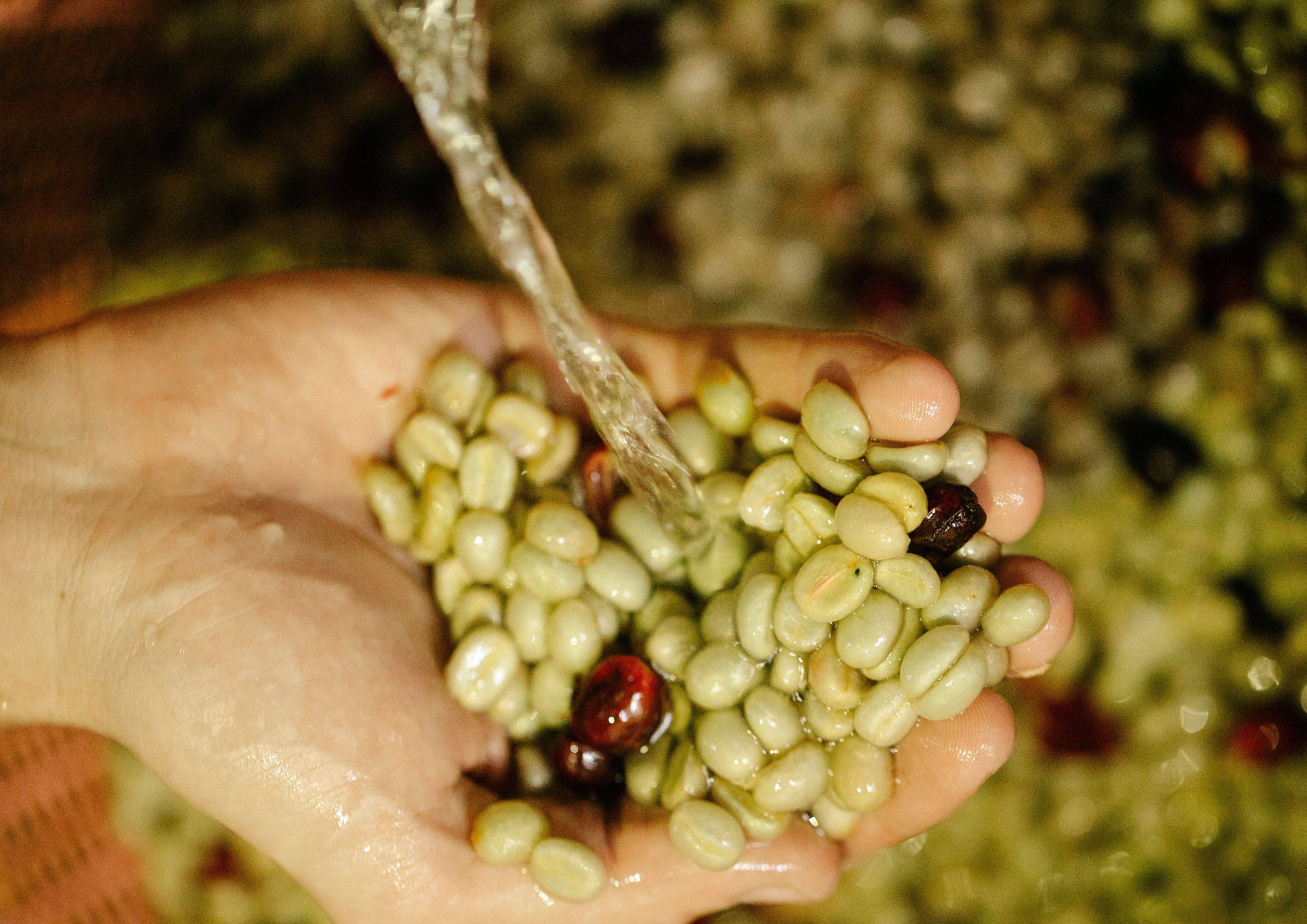
A coffee cherry has several layers around its seeds. The skin and fruit flesh are on the outside; farther in is a sticky layer known in coffee processing as mucilage, followed by the parchment and the seed itself. After cherries pass through a pulper during wet processing, the skin and most of the flesh are removed, but mucilage usually remains attached to the parchment. That is why processing does not end once the outer skin has been taken off.
You can feel the mucilage as a slippery, sticky coating on a freshly pulped bean. Calling it simply “slime,” however, can give the mistaken impression that it is dirt. In fact, mucilage is a natural part of the fruit, formed as the coffee plant develops. The processor’s task is not to decide that mucilage is inherently good or bad, but to choose how it should be handled for the coffee being produced.
In wet processing, mucilage is assessed after pulping. Not all processing methods, however, follow the same sequence. Some retain much of the mucilage during drying, while others dry the entire cherry. Understanding where mucilage sits within the fruit therefore helps us distinguish common coffee-processing methods instead of assuming that every coffee must have its sticky layer washed off immediately after harvest.
Why does mucilage need suitable treatment?
Mucilage is a natural mixture containing substantial water and organic substances such as sugars and pectin. Pectin contributes to the layer’s viscosity and ability to retain moisture around the bean. The proportions of its components can vary with the variety, ripeness, growing conditions and post-harvest handling. As a result, freshly pulped beans do not have identical stickiness from one batch to another.
Because it contains so much water, mucilage can support microbial activity under favourable conditions. In certain processing methods, changes to the compounds in this layer help break it down so that it can be removed more easily. Biological processes can, however, take different directions. Without suitable control of conditions and time, unwanted changes may produce unusual odours or complicate the steps that follow.
The ability of mucilage to hold water also matters when beans move on to sun-drying or mechanical drying. Depending on how much remains, it can affect the bean surface and drying rate. If beans are spread in thick layers or not turned sufficiently, uneven moisture may become harder to manage. By contrast, treating the mucilage in a way that suits the chosen processing method gives producers greater control over drying conditions and quality risks.
What is the purpose of controlled fermentation?
In traditional wet processing, coffee seeds remain coated with mucilage after the cherry skin and pulp are removed. The layer contains organic substances that can undergo biological changes. Fermentation helps break down the mucilage to a point where it can be washed away appropriately before drying. Its basic purpose is therefore to manage the sticky coating and the condition of the raw material, not simply to make the coffee taste as intense as possible.

In LOPHA’s 15-step journey, controlled fermentation is one option described for mucilage removal near the source; mechanical demucilaging is another. This does not mean that every LOPHA coffee batch must undergo a lengthy fermentation. The essential point is to process the raw material with an appropriate method and move it to the next stage under controlled conditions.
How do temperature and time affect fermentation?
Temperature affects the speed of many biological processes. Certain reactions may occur faster in warmer conditions, but a higher temperature does not automatically produce a better outcome: the balance of microorganisms and the rate of change can also shift. Two coffee batches fermented for the same number of hours in different environments may reach different stages of mucilage breakdown. A processing time therefore means little without its operating context.
Batch size, ambient temperature, cherry ripeness and the condition of the containers can all affect fermentation. Producers cannot simply watch the clock and apply an identical duration to every lot. They need to observe the mucilage and any changes in the material to determine when the beans should move to the next stage.
How does mechanical mucilage removal work?
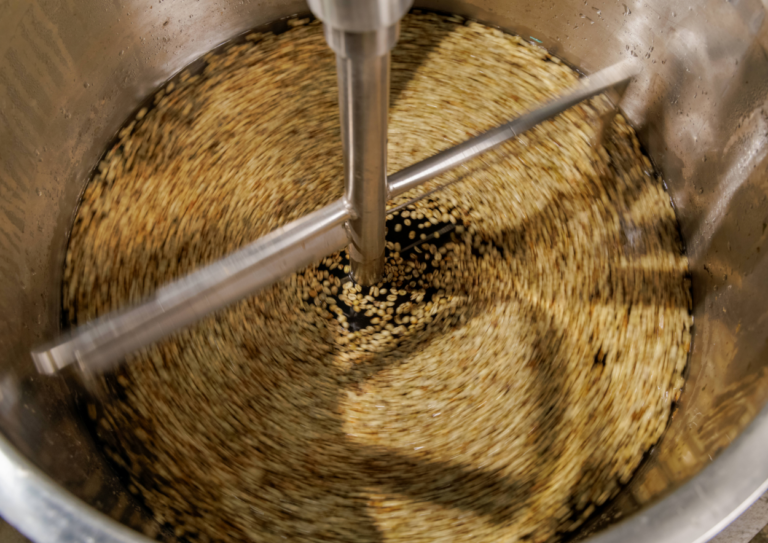
Machine designs vary, but the general principle is to move beans through a controlled area of mechanical contact. Friction, agitation or contact between surfaces helps loosen the sticky layer. Water may be added to wash the detached mucilage away from the beans and help maintain processing conditions. The design of the contact area, movement speed and feed rate can all affect actual performance.
Wastewater and the organic matter removed from the beans must also be managed. Mucilage contains organic substances, so the resulting effluent is not simply clean water after use. When designing a processing area, appropriate collection and treatment support hygiene and continuous operation. Alongside mucilage-removal efficiency, by-product handling matters: equipment is truly effective only when both the processed beans and waste streams are kept under control.
How do fermentation and mechanical demucilaging differ?
The clearest difference is how they work. During fermentation, biological and enzymatic changes alter the mucilage over time. With mechanical demucilaging, equipment creates movement and contact forces to help remove the layer. Processing times, operational requirements and risks requiring attention therefore differ. These should not be treated as two names for the same operation.
There is also a difference in production planning. With suitably sized equipment and reliable electricity, water and staffing, a mechanical process may simplify the scheduling of cherry intake and onward drying. On the other hand, poor machine adjustment, unsuitable water or highly variable cherries can still cause problems. The choice of method should reflect actual conditions and product requirements, not just the wish to reduce processing hours.
Washing after mucilage removal prepares beans for drying
Mucilage contains organic compounds, including substances rich in pectin and sugars. In a process designed to remove mucilage, an uneven coating left on the beans can change surface stickiness and the way beans are exposed to the drying environment. Areas with more mucilage may behave differently from areas where the layer has been removed, making batch uniformity harder to monitor.
If organic residue remains and the beans are held in unsuitable conditions before drying, unwanted changes may continue. However, residual mucilage is not always a defect: in honey processing, retaining part of the mucilage is intentional. Only when the processing method has been clearly established can an operator judge whether the remaining layer is appropriate or needs further treatment.
At LOPHA, the selection and control of processing methods should suit the condition of the raw material. Washing is necessary in some methods, but using more water does not automatically make better coffee. The important result is the condition of the beans after treatment, not the number of times a particular action has been repeated.
Proper mucilage removal leaves beans ready for drying
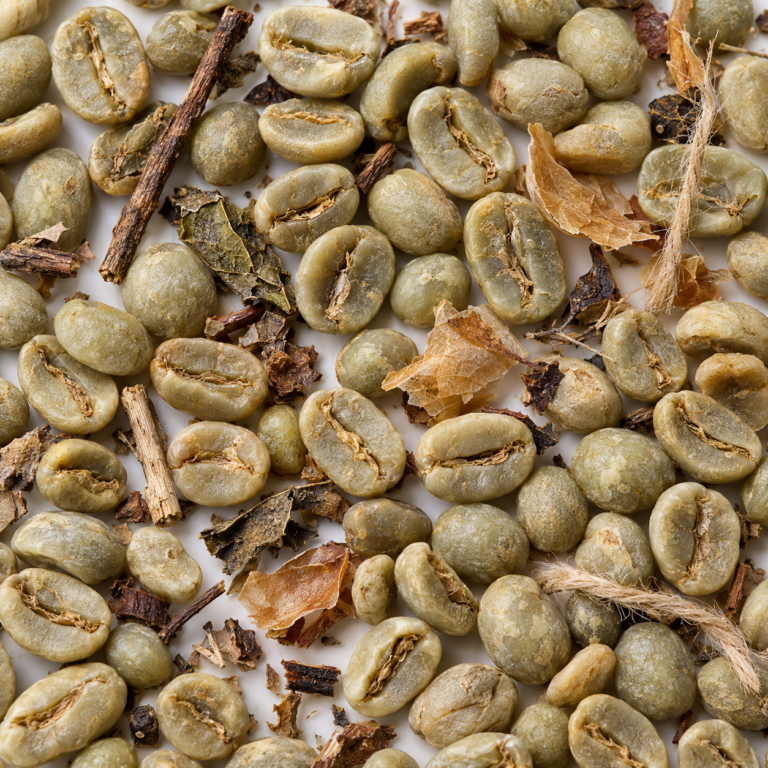
No one mucilage-removal technique is right for every processing method. What matters across approaches is keeping the beans under controlled conditions and sending them to drying in a suitable state. LOPHA later selects and cleans the resulting green coffee beans, with ultrasonic treatment serving as a separate step before roasting. That is why maintaining stable material conditions from the mucilage-removal stage is so important.