Long Phan’s Journey Bringing Vietnamese Coffee to the US and EU Markets
Summary: Experience introducing Vietnamese coffee to US and EU markets helped Long Phan understand the importance of origin, quality, and product information. The requirements of international trade also helped shape the thinking behind the LOPHA brand in later years.
The journey from a coffee bean grown in the highlands to a product sold overseas is much longer than the distance it travels. It involves origin, ingredients, storage, agreements between buyers and sellers, and the different regulations of each market. For Long Phan, experience trading and importing and exporting coffee established a practical foundation for LOPHA Coffee's later development.
When we speak of Vietnamese coffee in the United States and the European Union (EU), our interest extends beyond the opportunity to reach distant coffee drinkers. We also ask how information about the beans can be communicated reliably, from the supplier to the final customer. The business foundation established in 2007 helped Long Phan approach this question through real commercial experience.
From Vietnam's Coffee Regions to Markets That Demand Clarity
Vietnam has a deep connection with the global coffee industry, particularly Robusta. Yet it takes time to move from simply having a product on the market to earning genuine trust. A brand may become known for its flavor, but lasting trade relationships also require both sides to understand exactly what is being bought and sold.
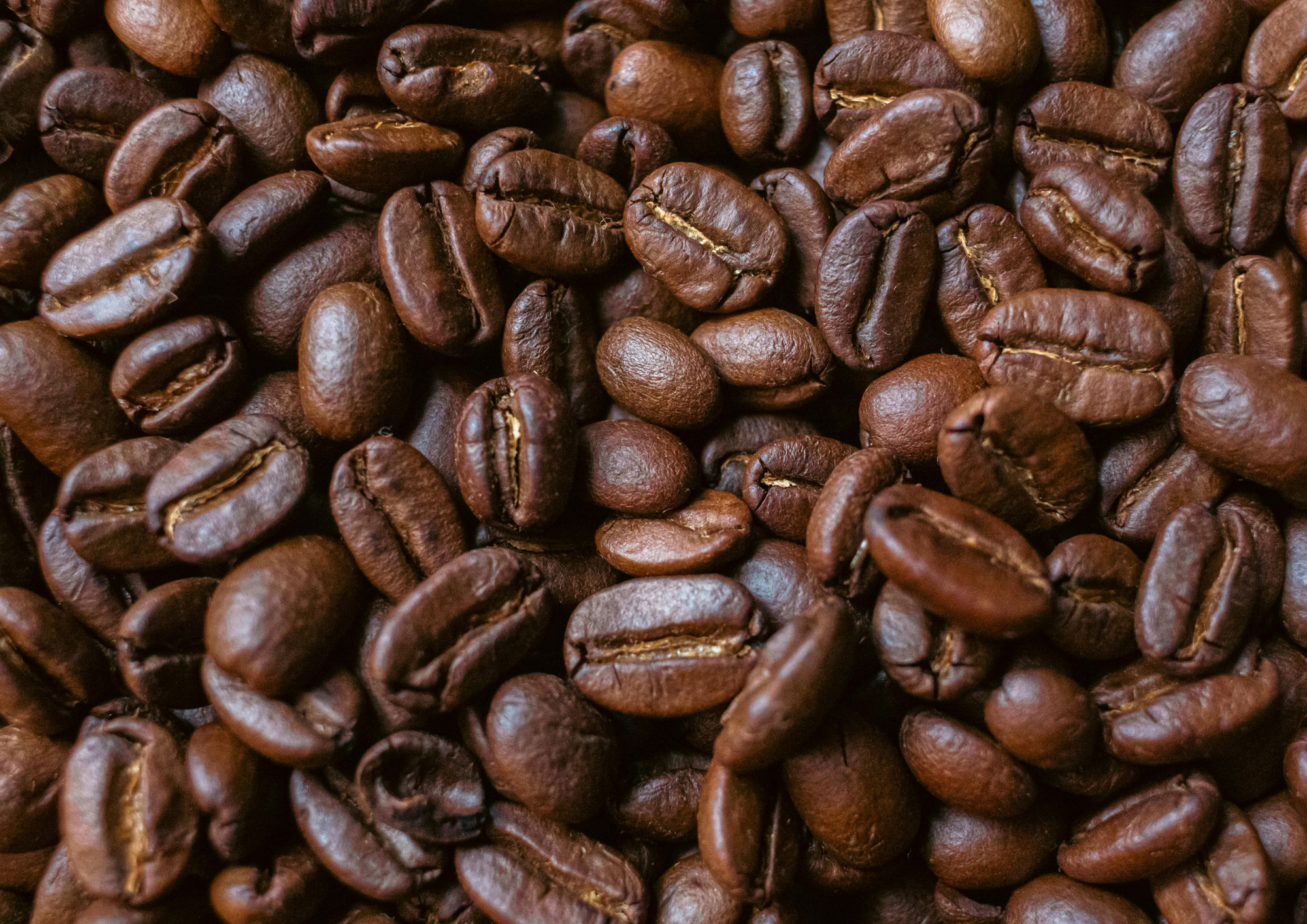
At home, customers might choose a bag of coffee out of habit, on a recommendation, or because of a previous experience. Those considerations still matter when products travel farther, but they must be accompanied by information about origin, ingredients, specifications, and delivery conditions. Buyers in the US or EU cannot stand in the growing region or factory to watch every step, so they depend on the product and the information provided by the supplier.
Through importing and exporting coffee, Long Phan learned that general promises about quality cannot replace transparency. Products described as Vietnamese coffee can differ in bean variety, processing method, roast level, packaging, and intended use. Accurate descriptions allow partners to make appropriate decisions and help coffee drinkers develop realistic expectations.
International trade requires clarity for each individual shipment. Well-organized origin documents, product descriptions, and delivery terms make communication easier for both sides. Through its import-export work, Long Phan gained experience connecting product information with the expectations of customers in different markets.
The US and EU: Different Requirements for Coffee Exports
The US and EU have separate food-regulatory systems. They cannot be treated as a single set of standards, nor does compliance in one market automatically guarantee compliance in the other. Product characteristics, whole-bean or ground format, packaging, and the party responsible for placing goods on the market can all affect the applicable obligations.
In the United States, food exporters must consider applicable food-safety rules, facility registration when required, prior notice for incoming shipments, and labeling. The FDA regulates these matters under specific rules; registering a facility does not mean that the FDA has certified each product. Understanding what each procedure does helps companies handle imports and exports accurately and professionally.
In the EU, food safety, traceability, and residue limits for relevant substances are also important. Requirements depend on the product and the particular circumstances rather than one fixed checklist for every situation. An exporter cannot simply memorize a few numbers and assume it has satisfied every requirement for bringing coffee to the European market.
Both the US and EU take food information seriously. In working with international partners, Long Phan became increasingly attentive to raw-material origins, quality records, and published product information. This experience continued to influence how LOPHA developed its pure-coffee brand.
Pesticide Residues and Food-Safety Information
When talking about a good cup of coffee, people often mention aroma, intensity, or aftertaste. But food trade also involves information that cannot be detected by taste or smell: safety criteria. Pesticide residues are one example. This issue relates to growing conditions, agricultural inputs, and the limits permitted by regulations in force in the destination market.
Beyond flavor, food markets also consider safety indicators that cannot be judged by sight or smell. Pesticide residues, microorganisms, and related factors require specialized methods of control. International trading experience helped Long Phan understand the importance of test information alongside each coffee lot's sensory quality.
Raw-material quality is shaped by many factors, from cultivation to harvesting and storage. In international trade, test results describe the samples assessed against particular indicators, while origin records explain where a product came from and how it was managed. Together, these details help partners understand the lots of coffee they are selecting.
Today, LOPHA's commitment to pure coffee and its interest in cleaning technology are part of this broader journey. The brand pays attention to quality starting with the raw materials, while the factory continues that work and finishes the product. New technology cannot replace every safety requirement, but it can make a suitable contribution within a responsibly organized production system.
Labeling: Small Print, a Big Commitment
The product name is often the first thing people notice on a bag. Then come the whole-bean or ground format, weight, storage instructions, and other details. For consumers, this information helps them understand what they are buying. In import-export activity, labels also relate to compliance with the rules of the receiving market.
Nutrition information is not presented in exactly the same way for every type of coffee or every market. Labeling obligations may depend on product form, ingredients, packaging, and applicable regulations. The goal is not to squeeze as many words as possible onto a bag, but to give the right information in the right context, clearly and without misleading consumers.
A bag of pure coffee should clearly state its ingredients. For a single-variety product, its name should help customers recognize that fact. For a blend, the information should match the actual composition. Flavor descriptions should also respect the difference between a person's sensory impressions and properties that can be established through quality documentation.
These practical needs taught Long Phan why a sincere product description can carry more weight than an elaborate slogan. When customers receive clear information, they do not have to guess at the essentials. Trust develops step by step: first in what is stated, then in the desire to choose the product again.
From Trading Experience to a Distinctive Coffee Identity
Coffee importing and exporting are different from technology research. One involves transactions, standards, customers, and markets; the other explores beans, processing methods, and product characteristics. Yet experience in the first field can help a business recognize the questions it will need to answer in the second.
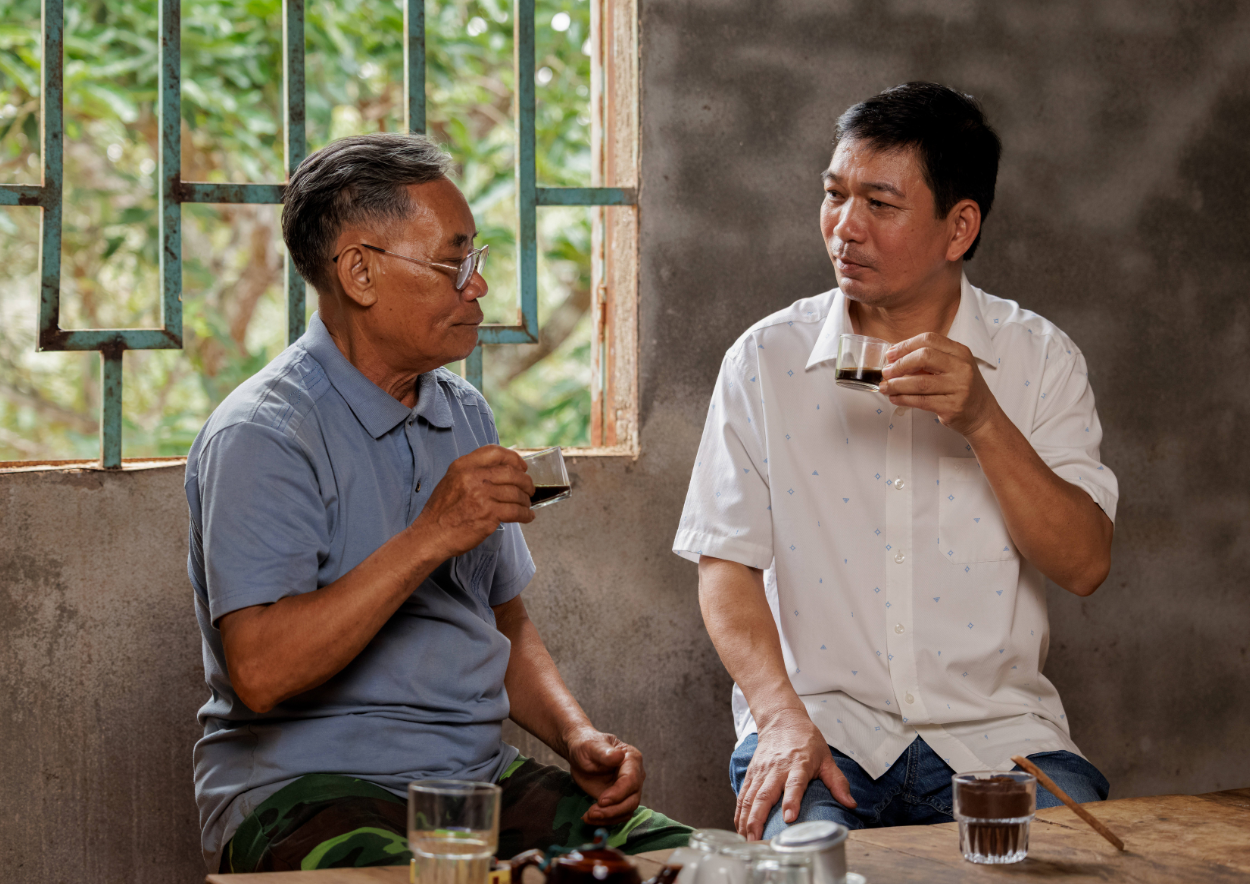
For Long Phan, its commercial background meant that coffee became about more than enjoying a good drink. To travel far, a product needs a recognizable identity and quality that can be maintained. Buyers need to understand which coffee they are choosing, why it differs, and what stands behind the claims on the packaging.
In 2016, a memorable coffee-tasting experience opened a new direction for LOPHA's research. That moment belongs to the brand's origin story, while the years of trading before it provided a practical way to think about quality. From then on, the journey was not simply about sending coffee farther geographically but about exploring the deeper value of Vietnamese coffee beans.
Today, coffee lovers may come to LOPHA for a simple reason: a love of bold Robusta, curiosity about Arabica, or a preference for clearly stated ingredients. Behind that choice, however, is a business history that includes international trade followed by years of searching for a distinctive path. That is the link between Long Phan's foundation and LOPHA's ambition: for Vietnamese coffee to be appreciated not just for its origin, but also for the honesty of how the product is made.