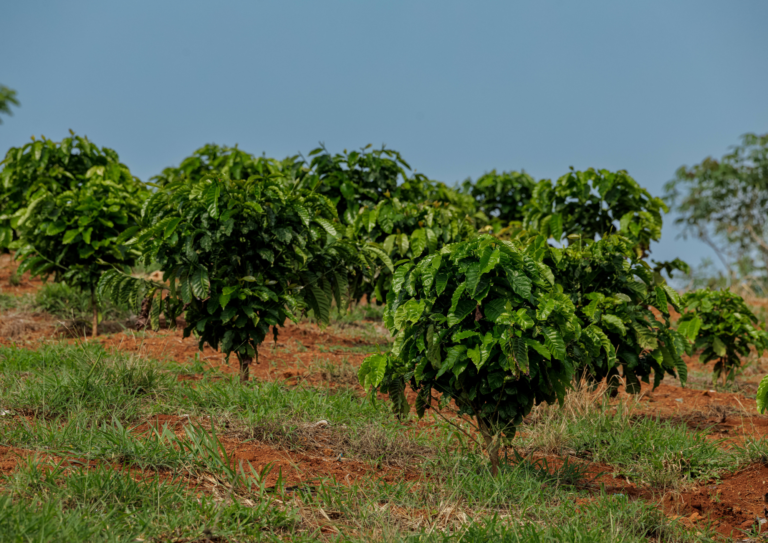
Harvesting Coffee Cherries at the Right Ripeness
Summary: At LOPHA, a coffee bean’s journey begins long before the raw material reaches a processing facility. On the same branch, you may find unripe, ripe, and overripe cherries. Choosing when to harvest affects how consistent the entire batch will be. That is why harvesting at the right ripeness and keeping freshly picked cherries in good condition is the first step in LOPHA’s 15-step journey of purity.
Properly ripe cherries lay the foundation for good coffee
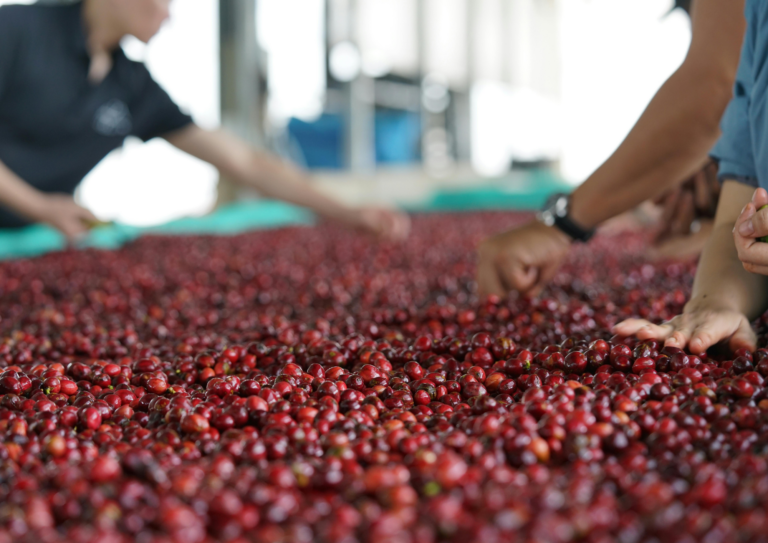
Coffee cherries on the same branch do not all ripen at once. Some remain green, some are just changing color, some have reached the right stage of ripeness, and others have stayed on the branch too long. At first glance, the main difference seems to be skin color. Yet beneath that skin, the composition and condition of the coffee beans are changing too. Ripeness tells us about the development of the raw material, not merely whether the fruit looks attractive.
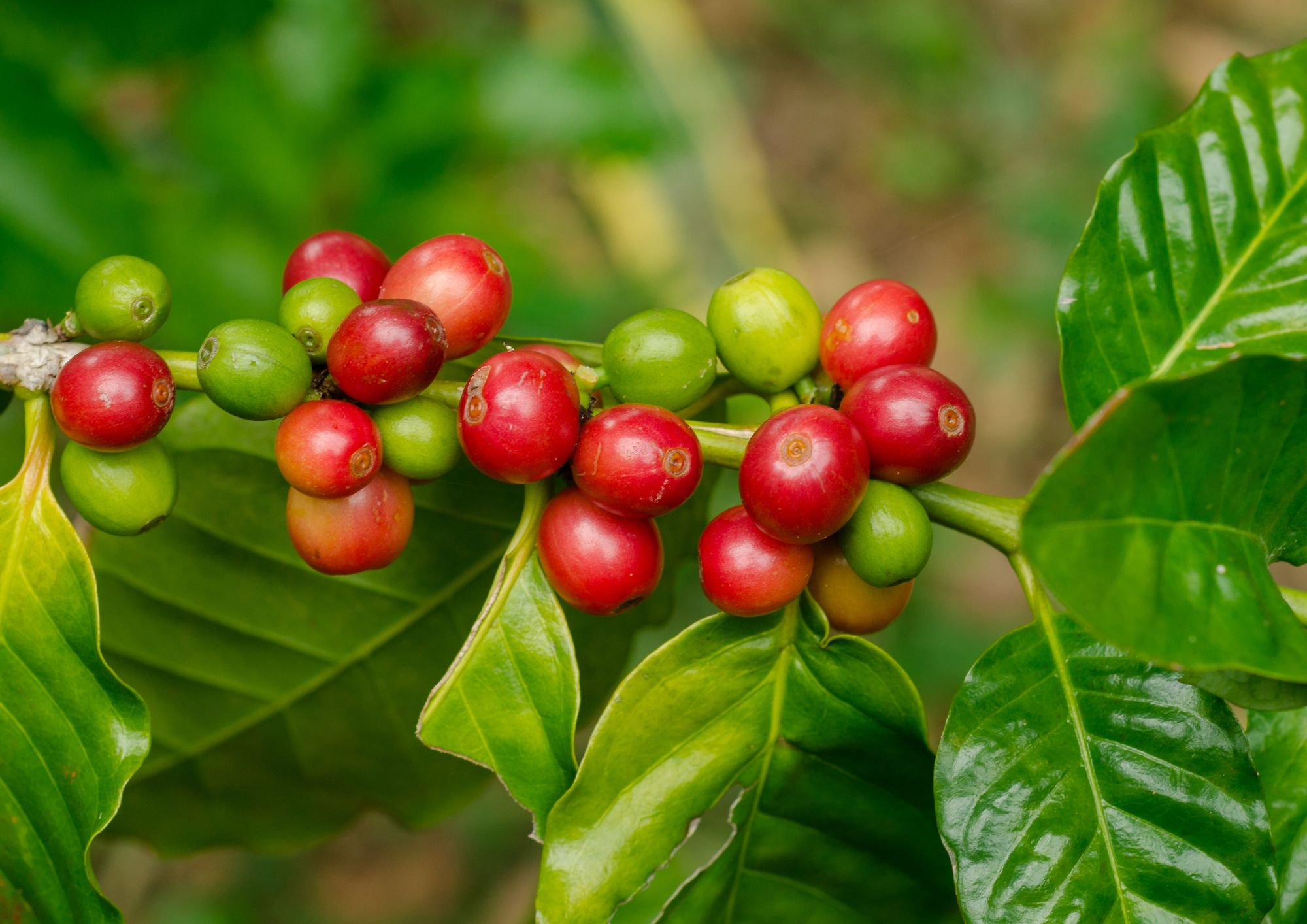
While a cherry is still unripe, its physiological development continues. As it approaches ripeness, the flesh, mucilage, and beans inside undergo changes involving the accumulation and transformation of organic compounds. These changes happen gradually rather than at the flip of a switch. Beans from cherries that have not reached suitable ripeness may behave differently from beans in ripe fruit during pulping, drying, and roasting.
This matters to coffee drinkers as well. Packaging often mentions Arabica or Robusta, growing altitude, and roast level. But these details do not tell the whole story of the cherry’s condition when it was picked. Ripeness is an early link in the chain that can influence how the bean’s natural characteristics are expressed later.
How unripe, ripe, and overripe cherries differ
Unripe cherries generally differ from ripe ones in both physical condition and composition. If processed together in one lot, they can introduce inconsistencies: some cherries may be harder to pulp, the beans inside may be less developed, or defects may become apparent during roasting. That does not mean every unripe cherry produces the same flavor defect. However, a high proportion of unripe fruit makes quality control more difficult. Producers must either devote more effort to sorting or accept greater variation in the raw material.
At the other extreme, overripe cherries are not automatically better. Spending too long on the branch, especially when fruit cracks, dries out, becomes contaminated, or is exposed to unfavorable conditions, can lead to unwanted changes. Cherries that fall to the ground may also come into contact with soil, dirty water, and environmental microorganisms. Whether very soft or very dark cherries are suitable must therefore be judged according to the actual condition of each lot.
These three stages also reveal the difference between two easily confused ideas: suitable cherry ripeness and sweetness in the finished cup. Ripeness relates to how the raw material develops, but the sweetness, acidity, and bitterness we taste after roasting result from many other factors, including processing, bean chemistry, roast level, and brewing. A redder cherry does not necessarily produce a sweeter cup.
Selective picking instead of harvesting everything at once
Coffee harvesting often brings to mind a farmer carrying a basket between rows of trees heavy with fruit. Yet the most important choice is not simply how to pick. It is deciding which cherries to take, which to leave on the branch, and when to come back. Selective picking prioritizes cherries that have reached an appropriate stage rather than clearing an entire growing area in one pass. This shifts attention away from the amount gathered immediately and toward producing a more consistent batch of raw material.

Cherries on the same tree may ripen at different times. Weather, the tree canopy, and uneven development across branches can make it difficult for a single harvest to collect fruit at the same stage. When pickers select only suitable cherries, the unripe ones remain for later rounds. This means more picking trips, but less sorting may be needed after harvest.
For LOPHA, viewing coffee’s journey from the growing area to the finished product makes harvesting the first practical expression of respect for the raw material. Factory processes can only evaluate and handle beans that have already been picked; they cannot change the harvesting history of each cherry.
Careful picking also protects the coffee tree
Picking fruit at the right stage does not mean any harvesting technique will do. Pulling entire clusters too forcefully may dislodge unripe cherries, damage fruit-bearing branches, or mix different stages of ripeness in the same basket. Pickers need to handle each branch carefully, avoid breaking parts of the tree, and protect the cherries left for later harvests.
Where ripe cherries are scattered throughout a plot, selecting them one by one takes longer than harvesting everything together. That is a real labor trade-off and should not be overlooked. If we only compare the kilograms picked per hour, the fastest method may have an obvious advantage. But once sorting time, rejection rates, fruit damage, and raw-material consistency are considered, the comparison has to cover the full processing chain.
A picker’s responsibility does not end when the basket is full. Noticing damaged fruit, reporting areas with unusually high rejection rates, and keeping the harvest clean during collection all contribute to the final result. Quality at this stage comes from many small actions carried out consistently and with care.
Keeping cherries fresh after harvest
Fresh coffee cherries are often transported or collected in relatively large quantities. When they sit for too long, heat from biological activity, weather conditions, and limited airflow can alter the environment inside the pile. Cherries in the center may be exposed to different conditions from those on the outside. A cool-feeling surface therefore does not always reflect the condition of the whole lot.
Higher temperatures generally speed up many biological changes and microbial activities, although the extent depends on the conditions. Bruised fruit, unfavorable moisture, or contamination can make quality even harder to manage. The practical approach is to avoid unnecessary delays and coordinate harvesting with the processing facility’s ability to receive the fruit. Picking more than can be processed promptly creates pressure between these two stages.
It is sometimes said that coffee cherries must be processed within one fixed number of hours. In practice, the appropriate timing also depends on ripeness, weather, processing method, and storage conditions. The priority is to prevent freshly picked cherries from being crushed, building up heat, or fermenting unintentionally while they wait.
From picking baskets to traceable coffee lots
At the end of a harvest day, what matters is not just the weight of fruit collected, but the ability to answer basic questions: where did the cherries come from, when were they picked, how were they sorted, and how long did they wait before processing? This information helps distinguish batches collected at different times, investigate irregularities, and clarify responsibility when the raw material changes hands.
Traceability does not have to begin with expensive technology. A simple lot code, a dated receiving log, and identification labels at the collection point are more useful than mixing unrecorded batches together. As operations grow, those records can be connected with processing information, moisture measurements, green-coffee lots, and factory production batches to give a fuller picture.
Immediately after harvest, the time and conditions in which fresh cherries are held become important. Once the fruit leaves the branch, another sequence of changes begins. Without proper control, part of the benefit of careful selection in the field may be lost before processing even starts.
Cherry ripeness is where quality begins
Harvesting at suitable ripeness does not automatically guarantee a delicious cup, but it helps reduce variation at the very beginning of the bean’s journey. For LOPHA, quality control is most meaningful when careful choices in the growing area are followed by suitable processing, cleaning, and roasting.