How Do Bean Size and Moisture Affect Heating?
Summary: Beans exposed to heat in the same stage do not necessarily respond in the same way. Large beans, small beans and groups with different moisture levels may behave differently. During preparation before ultrasonic treatment, consistent raw materials provide a sounder basis for controlling heating conditions. It is also important not to confuse preparatory heating with flavour-developing roasting.
Place two green coffee beans side by side: one large, the other small. If they receive heat for the same length of time, will their interiors change in exactly the same way? Not necessarily. Size, moisture and initial condition can all affect how a bean takes up heat.
LOPHA's processing journey includes a bean-heating and expansion stage before ultrasonic cleaning. This is not the final coffee-roasting stage. To understand why raw-material consistency matters, we can begin with some simple ideas about how heat moves into a small bean.
1. Heating before ultrasound is different from roasting coffee
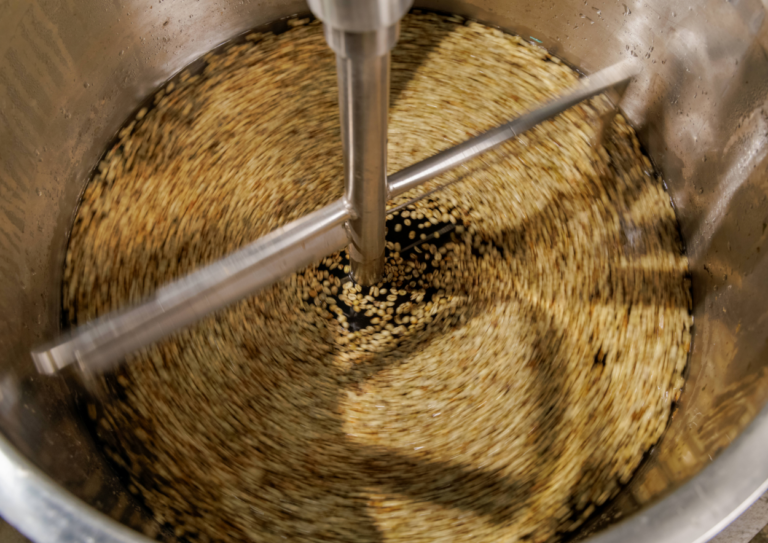
When people hear about heating coffee beans, they often imagine a roasting machine and the aroma rising from it. But heating during preparation for ultrasound serves another purpose. This is a stage before ultrasonic treatment and before the final flavour-developing roast.
The goal is not to make the beans dark brown or give them a characteristic roasted aroma, but to manage raw-material condition during heat treatment under suitable conditions. Specific temperatures, times and structural changes must be based on the facility's actual process. A single figure should not be applied to every operation simply because both involve heat.
In LOPHA's 15-step journey, heating is stage seven, following green-bean preparation and preceding ultrasonic technology. This position shows it is a preparatory link, not a substitute for roasting later on.
2. Why does bean size change how heat is absorbed?
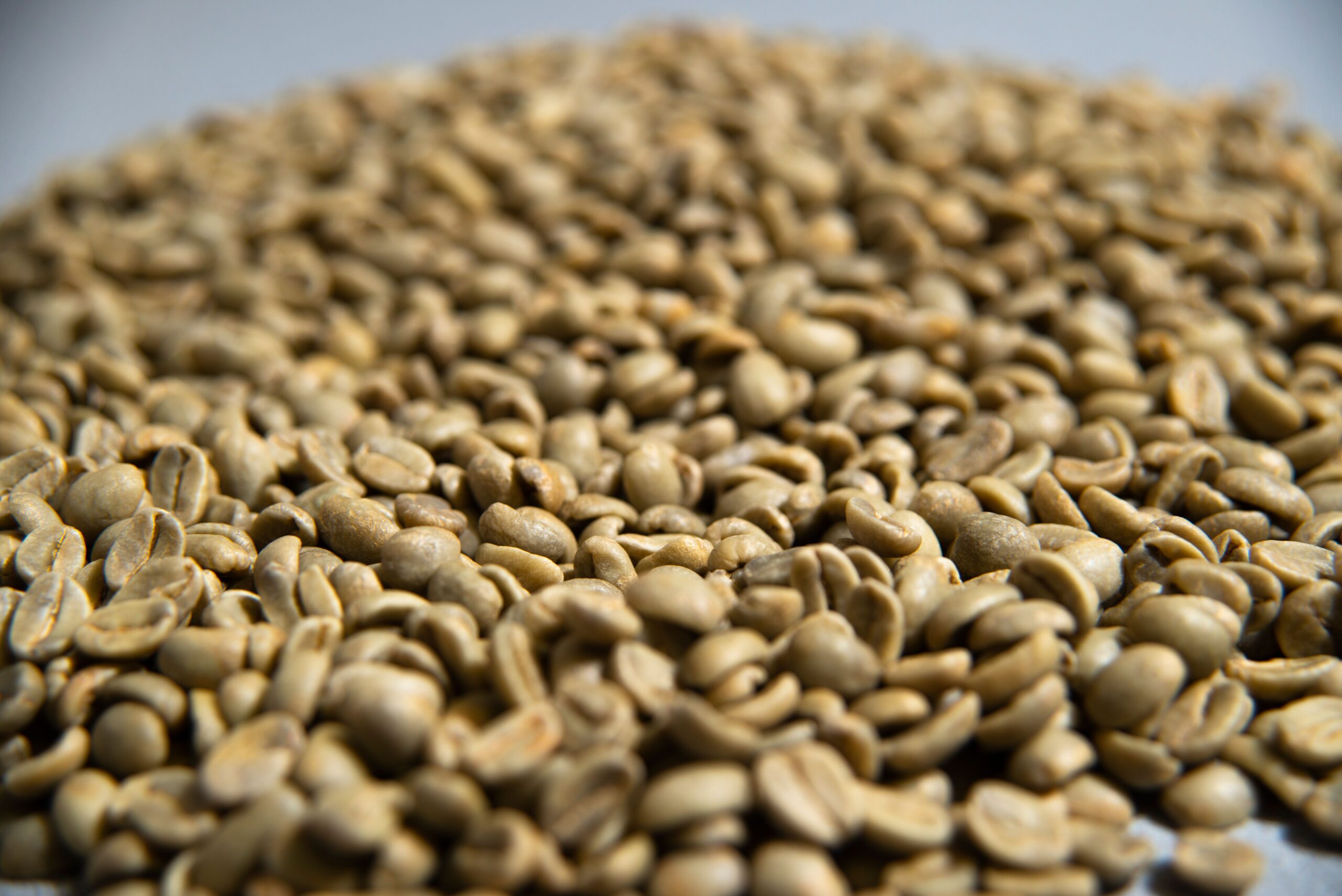
A coffee bean is not a flat sheet. It has an outer surface, an interior and a particular size. When the surrounding temperature changes, heat moves from the exposed surface towards the centre. The distance heat travels and the ratio of surface area to volume differ between small and large beans.
2.1. Do small and large beans heat up at the same rate?
Under comparable conditions, smaller beans may have the advantage of a shorter distance for heat transfer. But the actual rate also depends on contact with the heating environment, airflow or liquid movement, moisture and other characteristics. We cannot simply claim that every small bean always heats faster than every larger one.
The useful conclusion is that a lot with very different bean sizes should not be treated as a completely uniform group. Size distribution is one factor worth monitoring when evaluating any stage involving heat.
3. Similar-sized beans may still respond differently
Two beans of similar length may differ in density, internal water content or structural condition following earlier processing. A cracked bean and an intact one may also respond differently to their surroundings.
Grading by size therefore supports consistency but does not guarantee it. Looking only at size and assuming all other characteristics match can cause important differences to be overlooked during treatment.
4. How does green-bean moisture affect heating?
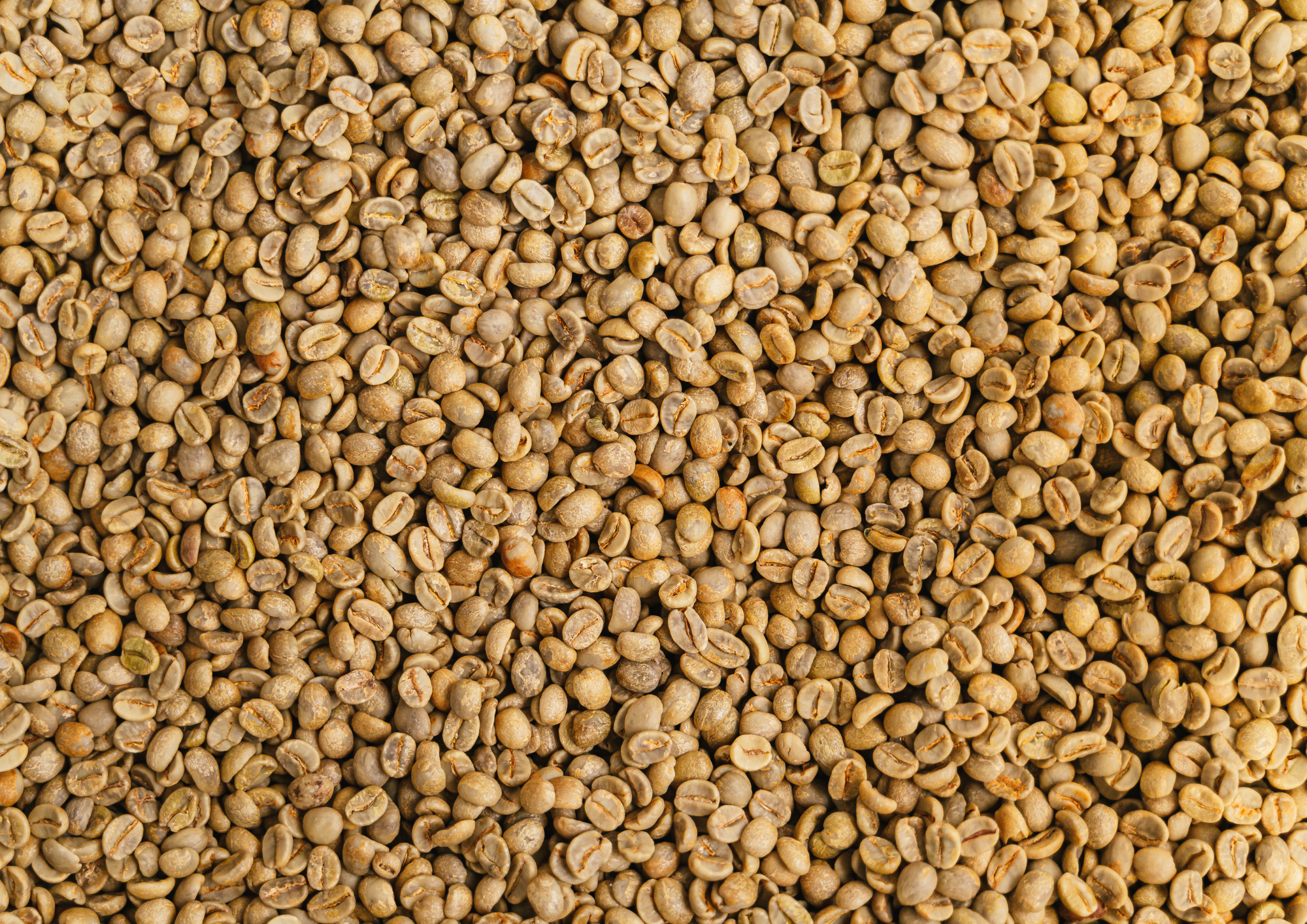
Water remaining in dried green coffee is part of the bean's natural raw-material condition. When the bean is heated, energy affects not just its solid components but also the water inside. How that water changes depends on treatment conditions and may influence the bean's response.
4.1. Do wetter beans always warm more slowly?
Water has different thermal properties from many of the dry components of coffee. Two beans containing different amounts of water may therefore require different heating conditions to reach comparable states. However, the simplistic rule that 'wetter beans always heat more slowly' does not hold for every machine and situation.
Bean shape, contact with the heat source and process controls also matter. It is more accurate to regard moisture as a variable worth monitoring, especially when material is processed in multiple batches.
4.2. What can average moisture conceal?
Imagine two groups of beans with almost identical average moisture. One group is fairly uniform, while the other contains both rather dry and wetter beans. The same average does not mean that individual beans in the two groups are in the same condition.
When exposed to heat, these differences may cause beans to respond differently. That is why green-bean drying and storage affect preparation for factory operations. The quality of one stage can make the next stage easier or harder.
5. Heating cannot correct every raw-material defect
If green coffee contains foreign objects, spoiled beans or defects originating in harvesting and primary processing, heating will not make them disappear. Nor does it replace sorting or the necessary checks before treatment.
Some differences are part of the bean's natural structure; other problems arise from storage or processing. Each needs to be understood according to its cause. Where input material lacks uniformity, it would be wrong to assume that changing the temperature alone will restore all its quality.
This explains why LOPHA places heating after raw-material selection and preparation. A processing stage makes sense when it receives materials suitable for the purpose it is intended to serve.
6. Why must heating connect with the next ultrasonic stage?
Heating and ultrasound use different mechanisms. Heating involves thermal treatment; ultrasound creates physical effects in the treatment medium to help clean the bean surface under suitable technological conditions. These should not be combined into a single operation and assumed to deliver identical results.
The condition of prepared beans may influence how they enter the ultrasonic stage. Yet actual effectiveness must be assessed under real operating conditions; it cannot be inferred simply because the beans were heated. Temperature, treatment time and the response of each raw material must all be managed according to the relevant process.
For coffee drinkers, the simplest explanation is that each stage has its own task. Harvesting seeks suitable cherries, primary processing protects the beans, selection checks the inputs and heating adds another preparation stage before treatment continues. You do not need every machine specification to see why a sensible sequence matters.
7. What should coffee producers examine in a lot?
Before assessing a heat-treatment stage, raw-material quality needs to be understood from several angles: bean size, moisture, uniformity and the presence of defects that could affect the process. All can be assessed through suitable sampling and checks.
If a lot contains several very different bean groups, grading or organising treatment by group may help. The practical approach still depends on scale, equipment and production objectives. There is no reason to use one identical method for every Arabica or Robusta lot when raw-material conditions vary.
Measured parameters must also be distinguished from final flavour. Uniform bean size does not guarantee a more aromatic cup, but can contribute to more consistent processing conditions. Flavour depends on many later stages, particularly roasting and brewing.
8. Uniformity is the foundation of a heat-treatment stage
A large bean is not inferior to a small one just because of size, and a different moisture level alone does not define an entire lot's quality. The important question is how those differences affect appropriate processing.
Seen in its proper place in the LOPHA journey, heating helps explain why green-bean selection and storage cannot be overlooked. Inputs in suitable condition create a more reliable basis for controlling later stages and help support production consistency.
A cup of coffee cannot tell the full story of heat and moisture. Yet behind its familiar flavour are countless small raw-material decisions that help every step serve its purpose before the beans are roasted and reach the drinker.