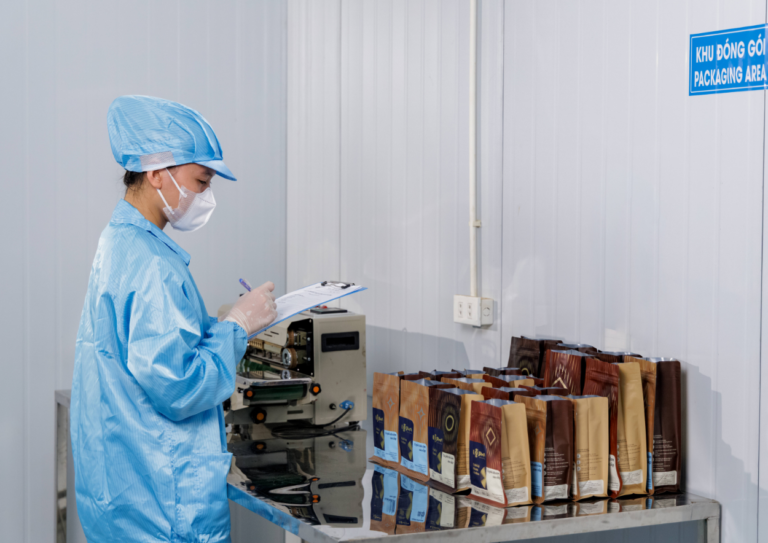
2025: Completing LOPHA’s Ten-Year Journey in Search of Purity
Summary: After six years of research and three years refining production, LOPHA devoted 2025 to revisiting initial processing at origin. This expanded its understanding of quality from the growing region to the factory and finished product.
After six years researching technology and three years refining production, LOPHA chose to devote 2025 to studying initial processing more deeply in its growing regions. This return was meaningful: understanding what a factory can achieve makes it clearer what must be protected before raw materials arrive there.
The final year of the ten-year journey did not diminish the value of technology. Instead, it connected research with where the coffee bean begins. Purity could now be viewed more completely: raw materials, people, processing methods, and production all contribute to final quality.
LOPHA currently cooperates with ten cooperatives in its raw-material network. These relationships may continue to expand according to development needs and the partners' ability to uphold shared quality commitments.
From the work undertaken in 2025, the story grew into a quality journey spanning activities in both growing regions and the factory. Coffee lovers can follow the stages through LOPHA's 15-step system. In the ten-year brand journey, what stands out is the decision to return to the beginning after years of research and technological refinement.
Why Does Research Lead Us Back to the Beginning?
A cup of coffee is often judged at the end: does it smell good, is it strong, how does the finish feel? That makes it easy to focus on roasters or processing technology because they are closer to the finished product. Yet the more we understand any one stage, the more we see how its result depends on the raw material it receives. Adding extra processing at the end cannot always correct what happened earlier.
That limitation makes returning to the growing regions meaningful. If LOPHA's goal is to let beans express their natural characteristics, the factory needs to know more about its inputs. How were the beans developed and prepared? Do the partners share an understanding of raw-material requirements? What information from origin might allow more accurate evaluation later?
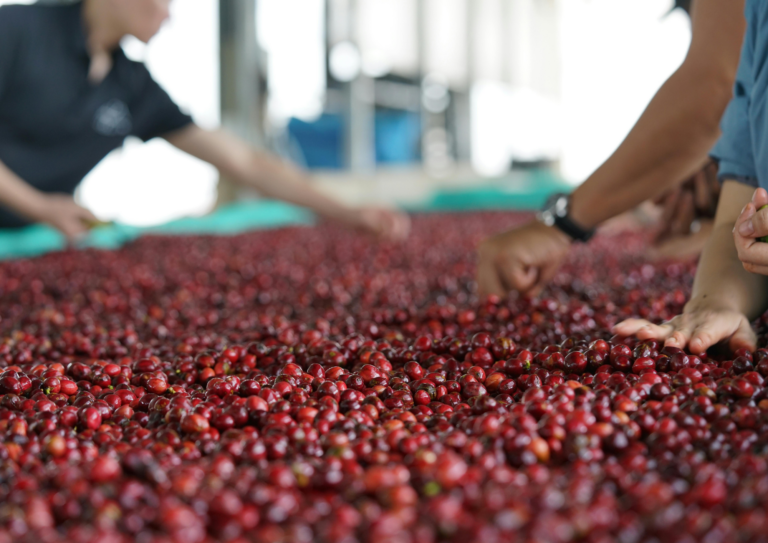
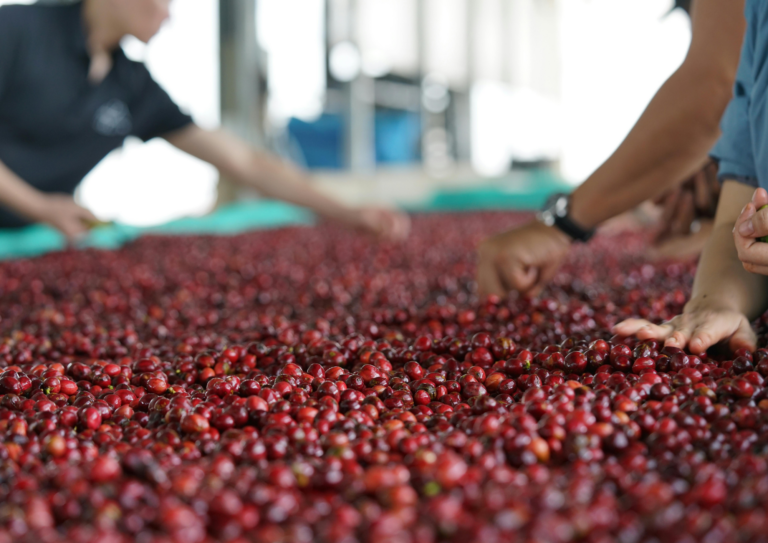
In 2025, LOPHA went deeper into researching initial processing methods in growing regions. The goal was not to replace growers' work with new equipment but to connect raw-material preparation with requirements established at the factory. This cooperation offered a broader view of quality: what needs protecting begins early in the bean's journey.
The important change was in the questions themselves. Instead of asking only how the factory could treat raw materials, the brand became more interested in the condition those materials should be in when they arrive. This second question does not make technology less important; it helps identify the proper limits and opportunities of factory work.
A Growing Region Is More Than a Name on a Label
For coffee lovers, names such as the Central Highlands or Lâm Đồng bring to mind hillsides, climate, and distinctive red soil. These images make origin stories attractive, but origin cannot be reduced to a beautiful photograph. Growing-region information also concerns how lots are formed, delivery conditions, and relationships between growers and processors.
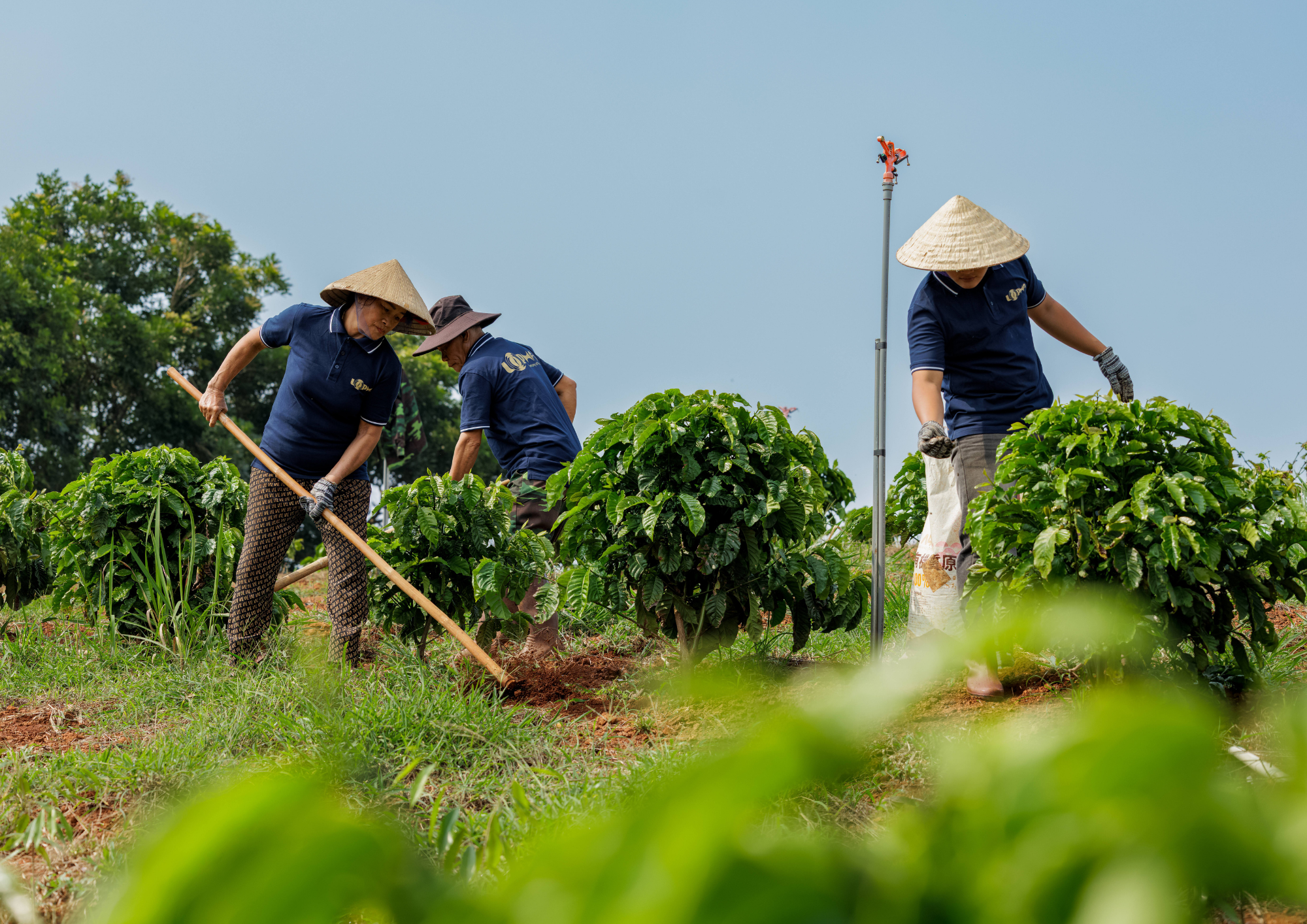
Vietnam's Central Highlands is an important raw-material region in LOPHA's production story. Wet and dry seasons, soil conditions, and the individual characteristics of different coffee lots create diversity that product makers need to understand. Respecting those differences allows LOPHA to treat origin as part of quality rather than merely a place printed on a bag.
If you have tried two bags of the same coffee variety from different harvests, you may have noticed differences in aroma or brewing experience. Some come from the natural variation of agricultural products; others relate to processing and storage. No single cause explains every variation. Reliable information helps us understand a product's context rather than guess.
A growing region is therefore more than a place to buy beans. It is where work begins to protect qualities that the factory will later develop. When producers respect the natural variation between lots, they can see raw materials as the outcome of a full growing season rather than anonymous sacks distinguished only by weight.
Returning Does Not Mean Leaving Earlier Research Behind
Imagine a chef with excellent equipment and sound technique whose dish still depends on the quality of the ingredients. Taking care of the kitchen does not make ingredient selection unnecessary. Instead, better technical understanding helps a chef set more appropriate requirements for the ingredients. Coffee involves an even longer relationship because many parties participate between the farm and the cup.
A year studying initial processing was therefore not a return to square one. It connected six years of technology research and three years of process refinement through a new question: how can what happens before the factory better match the production goals afterward? It was a question about connections, not a competition over which stage matters most.
Harvesting, pulping, mucilage removal, and drying each have their own functions in LOPHA's coffee-production journey. But returning to origin meant more than listing the operations: it changed how the brand considered the relationships among coffee professionals and the different stages of the value chain.
One Year Can Change the Questions We Ask
The year 2025 marked a shift in LOPHA's approach to coffee quality. After researching technology and refining production, the brand paid greater attention to what happens before beans reach the factory. Returning to initial processing showed that purity is pursued throughout the raw material's journey, from the growing region to the finished product.
A year of deeper research at origin gave LOPHA a broader view of quality. Initial processing depends on raw materials, local conditions, and harvest seasons, making understanding and cooperation among participants essential. No single approach suits every growing region, but respect for ingredients and proactive quality protection can be shared principles across the journey.
This transition mattered to the brand because it remained true to the original aspiration. If a distinctive cup in 2016 made LOPHA want to understand authentic flavor, returning to the growing region brought the question closer to where it began. Flavor is not only about technology; it also reflects soil, climate, and growers' hard work.
Giving Growers Their Rightful Place in the Story
Coffee advertising often shows products, brewing machines, and sometimes impressive modern equipment. Growers appear less often, although their work belongs to the earliest stages. Returning to the growing regions offered a chance to tell a more balanced coffee story and give due respect to people whose efforts precede factory operations.
Connections between LOPHA, growers, and initial-processing facilities are built on understanding one another's work. Weather, harvest seasons, and local capacity all influence how raw materials are prepared. Two-way communication helps link requirements at origin with factory operations and lays a foundation for long-term cooperation.
Revisiting initial processing also brought LOPHA closer to everyday work in its growing regions. Each household, cooperative, and farm has its own circumstances, and cooperation must start from that reality instead of applying one formula everywhere. Respect for differences and transparency are foundations for expanding these relationships in the future.
For coffee drinkers, understanding this connection makes the cup more meaningful. Flavor comes not only from a roast recipe or a machine, but also from raw materials cared for by many people. We do not need to know every farmer's name to value their work; recognizing that quality is the result of connected contributions is enough.
Completing a Circle and Beginning a New Chapter
Returning to growing regions gave LOPHA's ten-year story the shape of a circle. Beginning with curiosity about a flavor, it moved through research and factory development before coming back to where beans first grow. But the circle was not static. Looking again at the starting point, LOPHA carried the knowledge gained from every preceding stage.
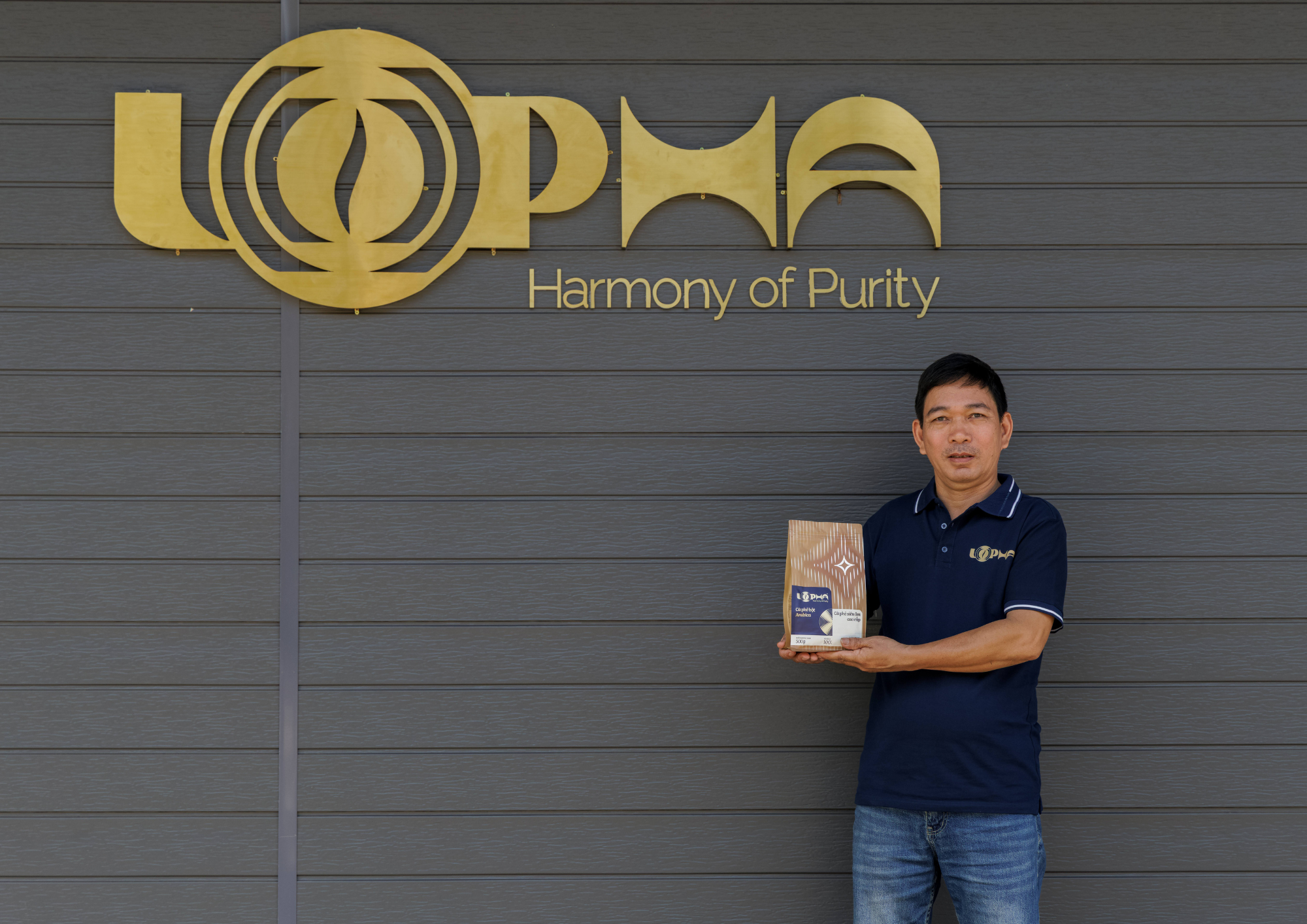
Attention to processing at origin made LOPHA's journey more complete. Factory technology continues to matter, while those who grow and initially process coffee also help preserve the beans' characteristics throughout the chain.
When customers hold a bag of LOPHA coffee, they may choose it for its flavor or convenience. But for those who want to know more, the growing-region story shows that the product did not begin at the sales counter. It had a long journey before taking the familiar form in the bag. Recognizing that fact makes the final stage of ten years not an ending but an invitation to keep learning from the beginning.
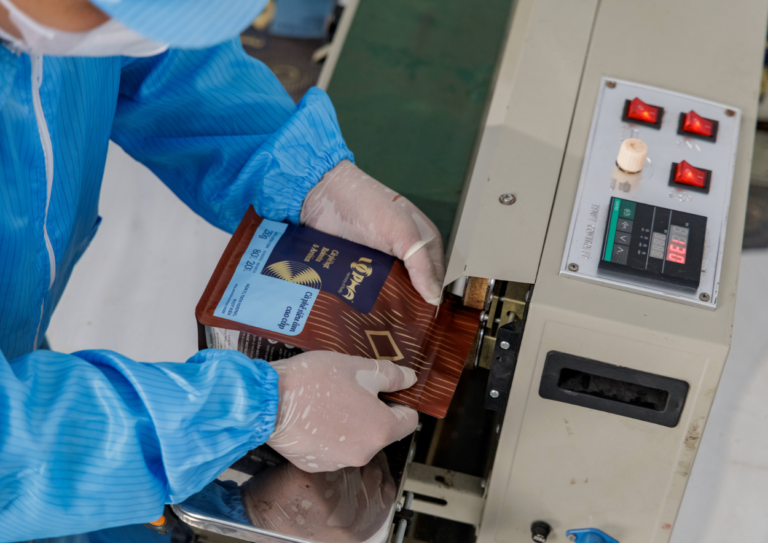
Through its initial-processing research in 2025, LOPHA connected four steps at origin with eleven factory operations in its 15 Steps of Purity. What matters is not simply a longer process, but the decision to understand the bean from an earlier point in its journey toward the finished product.