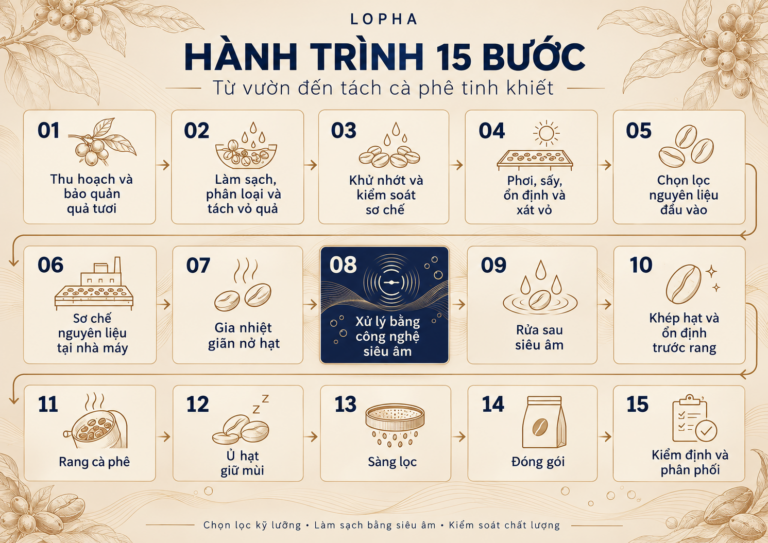
Why Did LOPHA Return to Researching Coffee Processing at Origin?
Summary: Returning to processing at origin helped LOPHA understand what happens before beans arrive at the factory. This decision in 2025 continued its research journey and opened the way for closer coordination with growing regions.
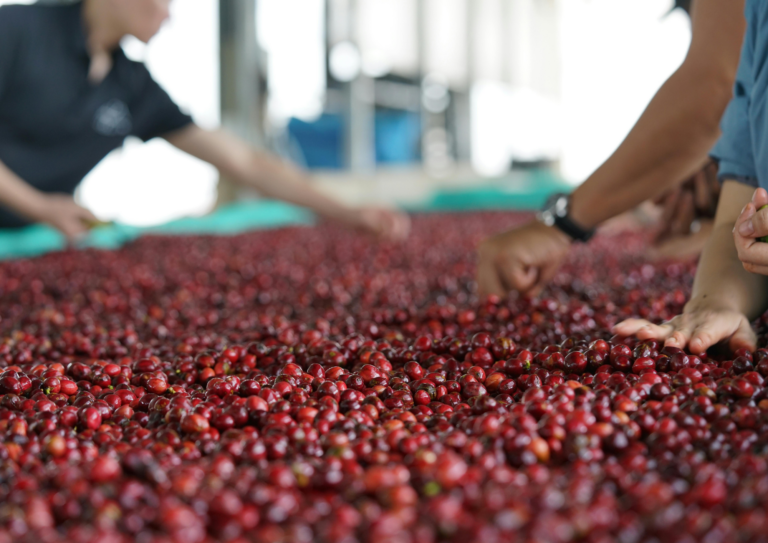
After years exploring and refining technology, the question that kept LOPHA researching arose somewhere very familiar: the growing region. Before reaching the factory, coffee beans have already traveled a long path, from ripening cherries to the first preparation stages. That earlier work cannot be treated as separate from the story of quality.
In 2025, LOPHA focused on studying initial processing methods at origin, building on six years of technology research and three years of refining production. It was a particularly meaningful return: once the brand understood the factory's role, it became even clearer that purity must be protected before ingredients reach the factory door.
A Factory Cannot Rewrite the History of a Coffee Bean
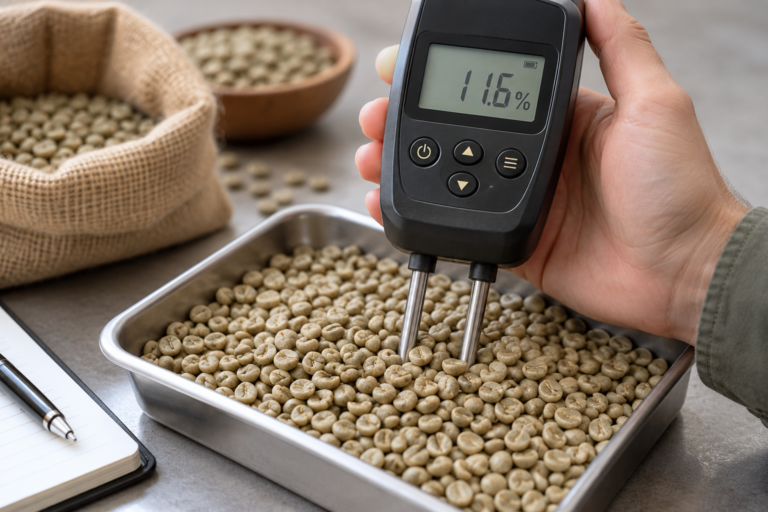
By the time a bean reaches the factory, it already carries the influence of variety, harvest season, growing conditions, and post-harvest work. Even lots with the same variety name can differ in condition or raw-material characteristics. Such differences are not necessarily defects, but they need to be understood so that receiving and processing can be appropriate.
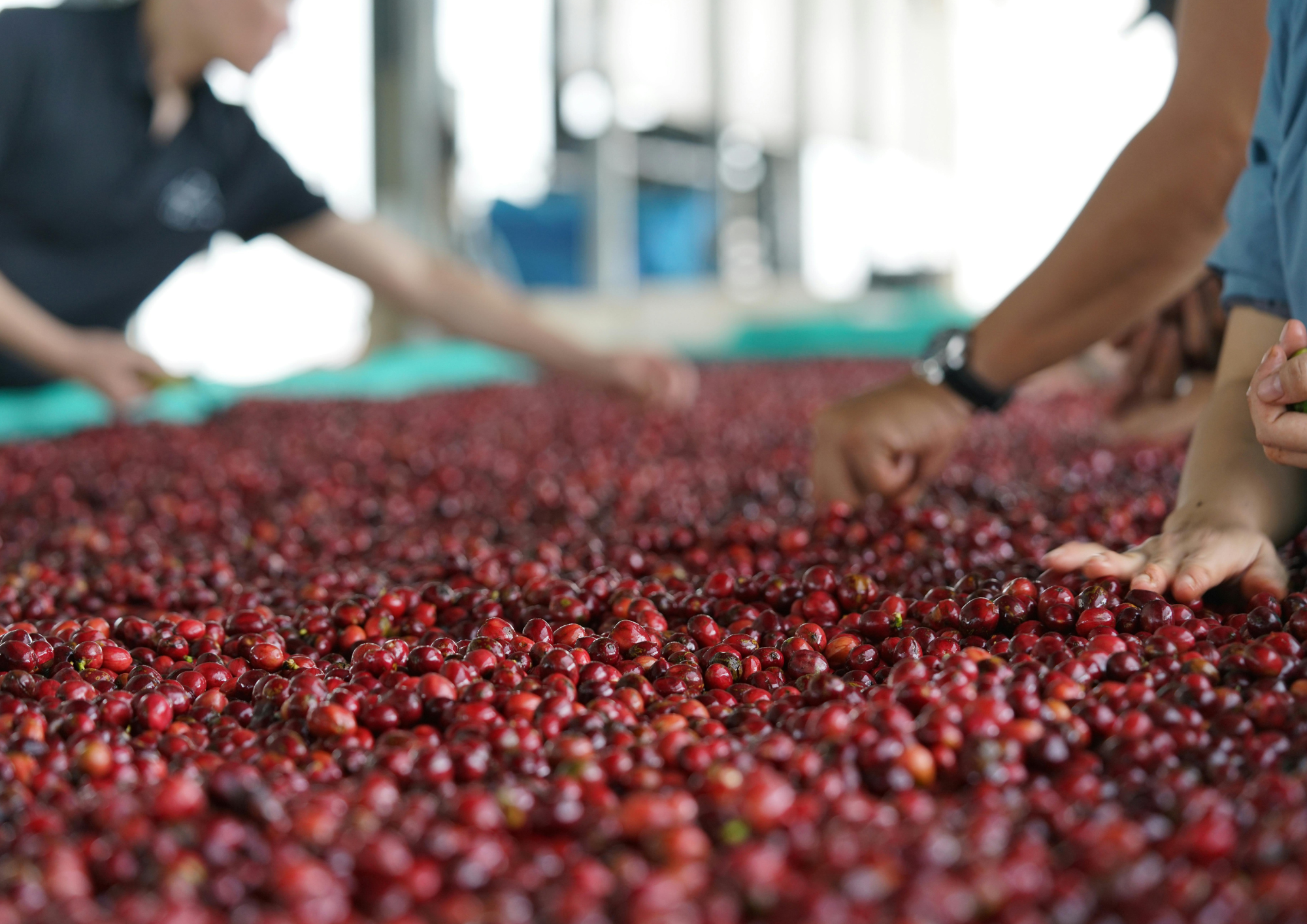
Modern technology can perform important tasks, but it cannot replace every decision made at origin. Preparation before the factory can make later stages easier or more difficult. That is why studying initial processing is not a sideline to research: it is directly connected to finished-product quality.
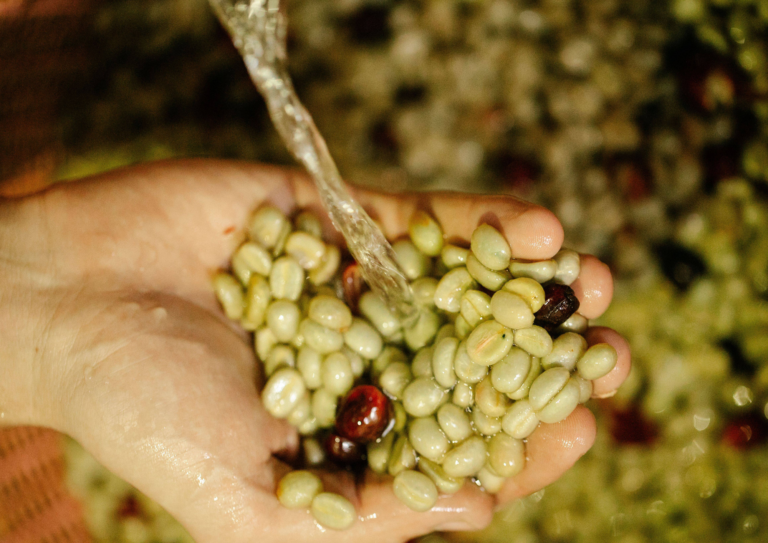
During the first six years, LOPHA sought solutions for coffee beans, with ultrasonic technology becoming an important research direction. The next three years connected that approach with production. By 2025, the question grew broader: not just what to do with beans when they arrive at the factory, but also what they have experienced beforehand.
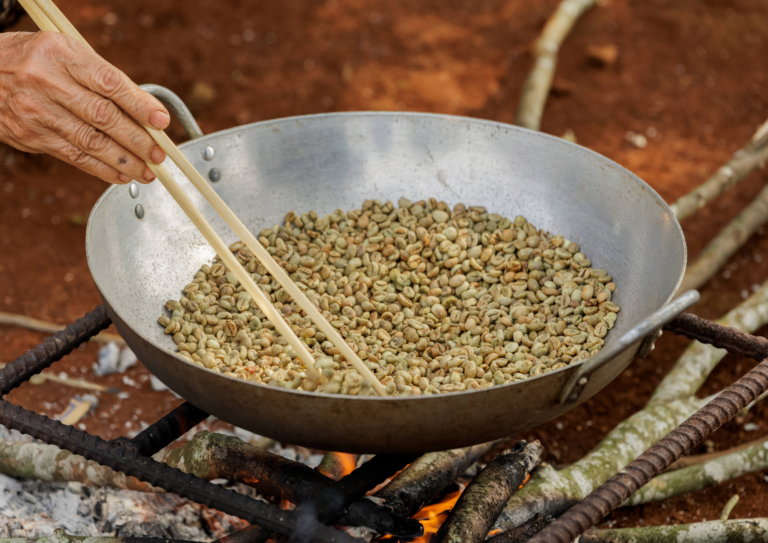
Initial processing connects freshly harvested coffee cherries with the raw materials delivered to the factory. From 2025, LOPHA examined that connection more deeply and developed coordination between growing regions and subsequent processing stages to better preserve the beans' characteristics.
Why Focus on Initial Processing in the Final Year?
Research does not always progress in a straight line from old methods to new. Sometimes, understanding one stage more deeply reveals that something important is missing from the stage before it. LOPHA's decision to devote 2025 to initial processing can be seen as a natural development in its thinking about quality.
As factory processes became more refined, requirements for incoming raw materials grew more specific. The factory needed to receive lots with information and conditions suited to production goals. Coffee professionals therefore had to consider not only the beans once they had become green coffee, but also decisions made earlier in the life of the cherry.
This is an important lesson in food production: quality cannot always be created entirely at the final step. If undesirable changes occur at origin, later stages may need extra work to deal with them. Conversely, materials properly prepared from the beginning create better conditions for consistent processing.
The year 2025 thus expanded LOPHA's area of concern. Purity was no longer imagined only as treatment in the factory; it became a connected journey from growing region to finished product. Technology retained its own role but was not separated from the people who produce the raw materials.
People at Origin Hold Part of the Quality Story
Talking about initial processing means talking about the people who work with coffee before beans reach the factory. Growers follow the plants through wet and dry seasons and make decisions about care and harvesting. Those who prepare raw materials after harvest continue the work at a stage that strongly influences bean condition.
LOPHA currently works with ten cooperatives in its raw-material network. These connections allow participants to understand each other's requirements better. Growers bring practical knowledge of plants and harvest seasons; the factory brings an understanding of incoming-material characteristics and processing needs. Good communication helps both sides select suitable practices.
The current cooperative network is not a fixed limit. As needs and operations grow, LOPHA may expand its relationships with suitable partners. What matters most is not just how many partners there are, but how well they work together, since coffee will pass through many hands before reaching the drinker.
Respecting growers also keeps the coffee story from relying too heavily on one machine or production line. Behind each product are land, working time, and experience accumulated across harvest seasons. For a brand that values authenticity, these are indispensable parts of what makes a coffee bean valuable.
Initial Processing and Its Connection to Production
A system works smoothly only when successive tasks are connected. In growing regions, bean preparation needs to be understood against the factory's requirements. At the factory, receiving and processing need to take account of characteristics developed earlier. The two sides complement each other instead of separately trying to solve the same problems without communication.
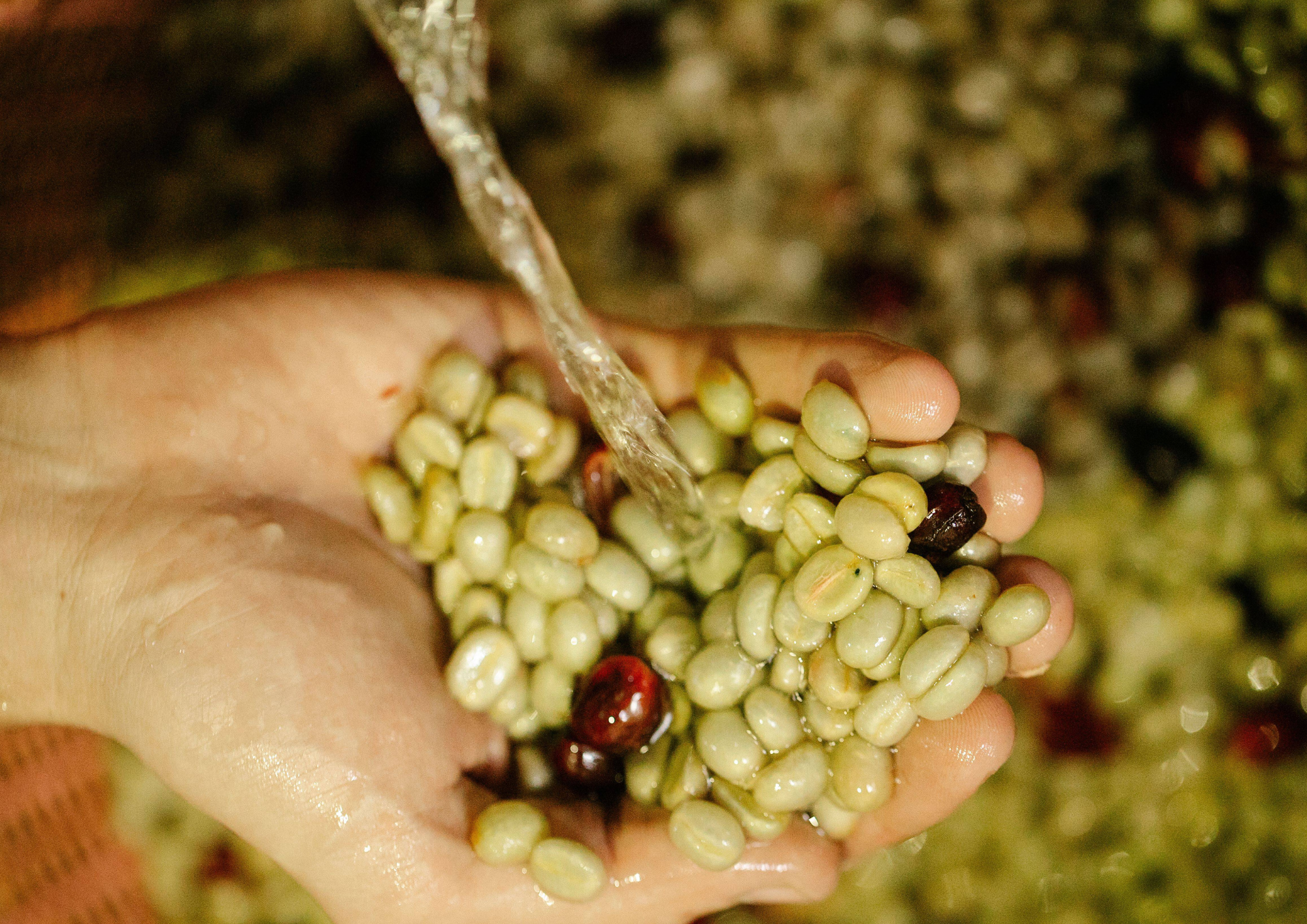
LOPHA's factory in Lâm Đồng currently occupies approximately 0.5 hectares and produces 300 tonnes of coffee annually. Those numbers describe an actual operating scale. Behind that output, however, is the continuing need to connect with raw-material sources, where product quality begins developing through many small decisions.
In LOPHA's development, studying processing at origin was a step toward strengthening that connection. Rather than focusing on materials only once they entered the production line, the brand paid greater attention to how beans could be prepared appropriately from the start. A system-wide connection helps each stage fulfill its role while preserving achievements from earlier work.
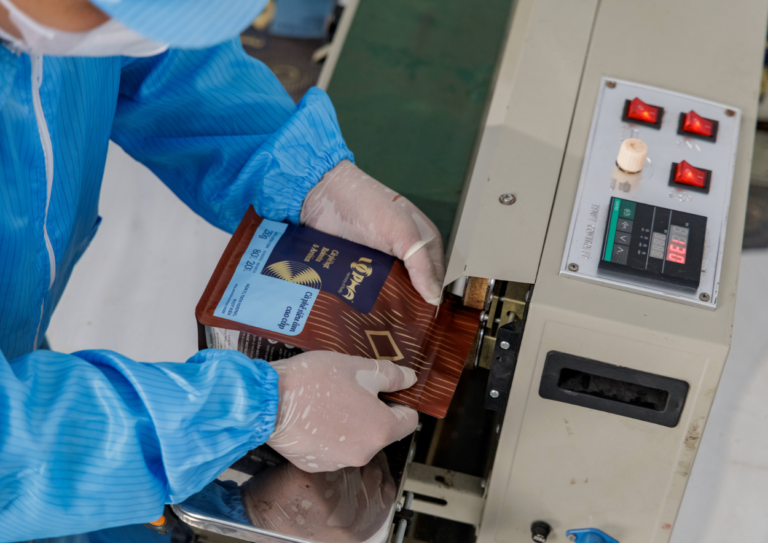
When customers open a bag of LOPHA coffee, they find clearly stated ingredients and product information. Behind that are connections among growers, the raw-material network, and the processing factory. Long-term efforts at origin contribute to the value of the product they enjoy today.
Returning to Origin to Go Further
There is something interesting about LOPHA's ten-year journey: it started with a cup in someone's hands, moved deep into technology, reached the factory, and finally returned to where the bean begins. It may look like a circle, but every stage gave the brand a deeper understanding of the previous one and raised more practical questions for what came next.
The year 2025 was not the end of research. It marked the completion of a broader perspective in which growing regions, initial processing, and the factory are connected parts of one journey. Understanding where beans begin also provides a stronger foundation for developing products in the years ahead.
From technological research to refining production processes and caring more closely about origin, LOPHA chose a path that requires persistence. Those decisions may be invisible when coffee is poured, but they give the product greater depth. That is why purity at LOPHA is about more than technology: it begins with respect for the bean before it even leaves the land where it grew.