How Does Pre-Roast Coffee Bean Moisture Affect Quality?
Summary: Two green coffee lots can look almost identical yet have different moisture contents. Even within one lot, some beans may be wetter and others drier than average. This variation affects how beans respond to heat during roasting, showing why pre-roast stabilisation is more than simply leaving the beans to wait.
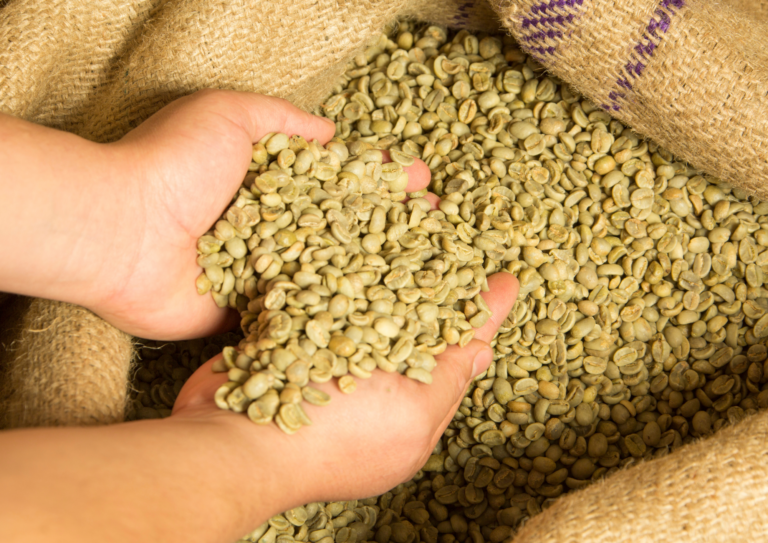
When we think about roasted-coffee quality, roast level, temperature and time usually come to mind. Yet before those figures become meaningful, the green beans' condition has already established part of the starting point for roasting. Moisture is one important factor.
Coffee beans do not need to be completely free of water to be roasted. More important is having suitable moisture content and uniformity for the intended process. At LOPHA, this relates to the pre-roast stabilisation stage between wet treatment and flavour-developing roasting. Why can beans in the same batch still react differently to heat?
1. What does pre-roast moisture content mean?
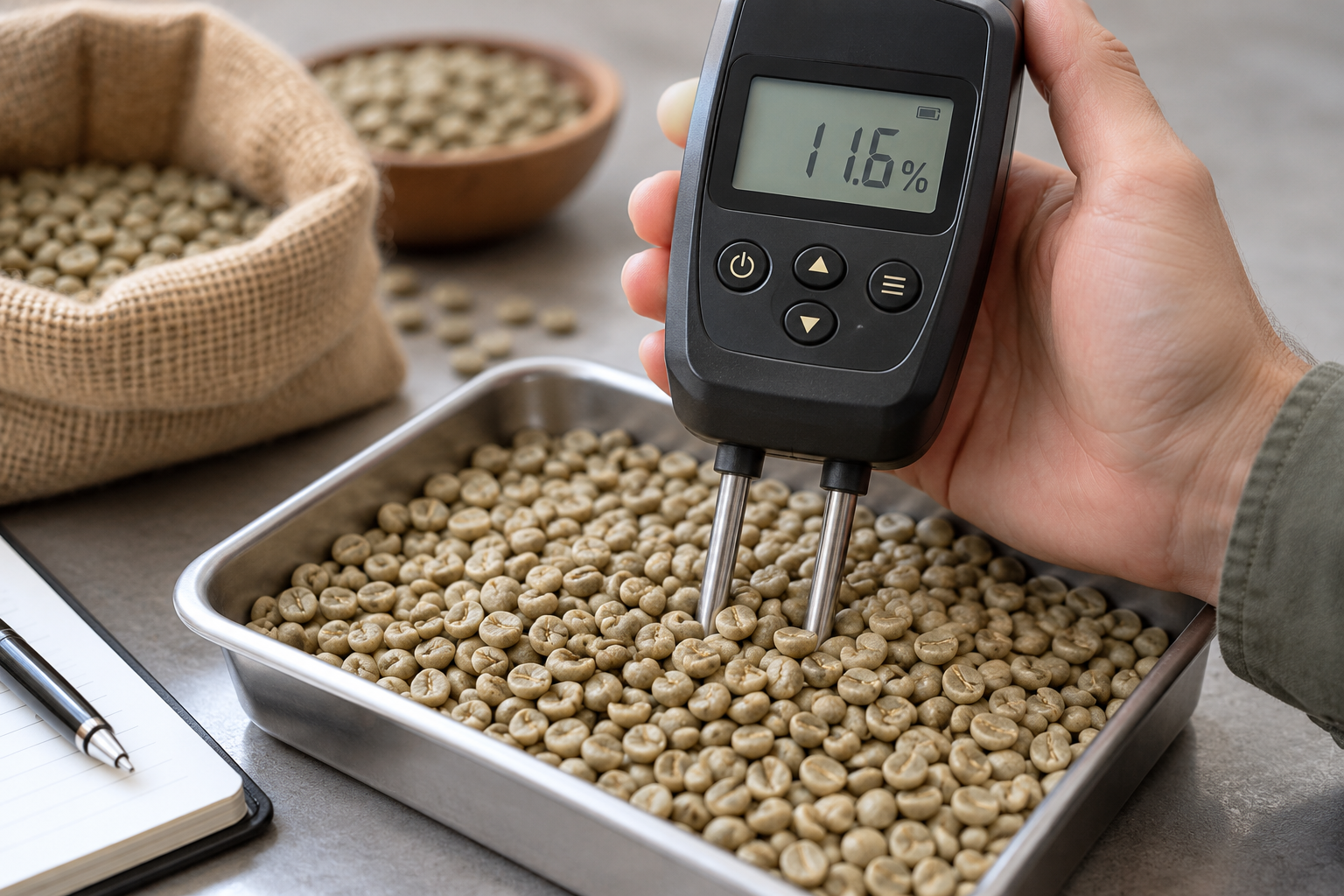
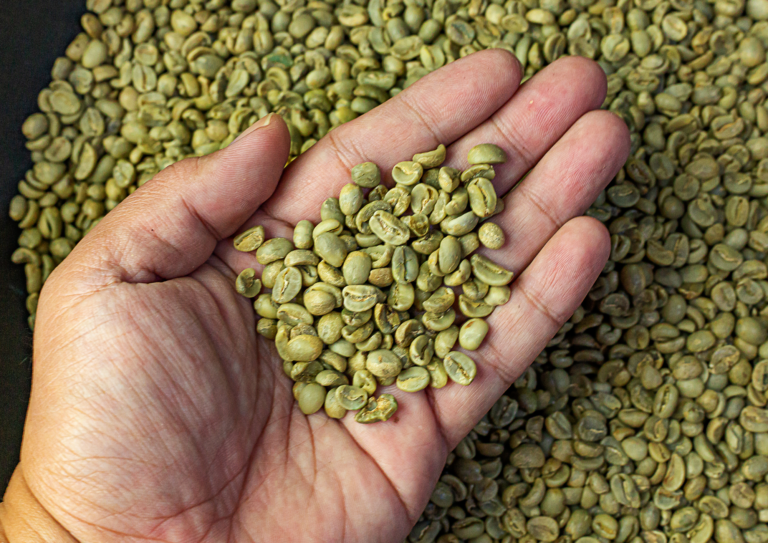
Moisture content indicates how much water is present in raw material at the time of assessment. Green coffee retains water within the bean structure even after drying and storage. Two lots of the same coffee variety therefore do not necessarily have identical moisture content.
Lower moisture does not always mean better quality. Overly dry beans or unsuitable moisture distribution may create their own problems; excessive moisture can also complicate storage and consistent roasting. The objective is raw material suited to the intended quality standard, not drying at any cost.
Alongside the average value, moisture distribution among beans matters greatly. A lot in which most beans are fairly similar differs from one containing both very dry and much wetter groups, even where the calculated average is close.
2. What role does water inside the beans play during roasting?
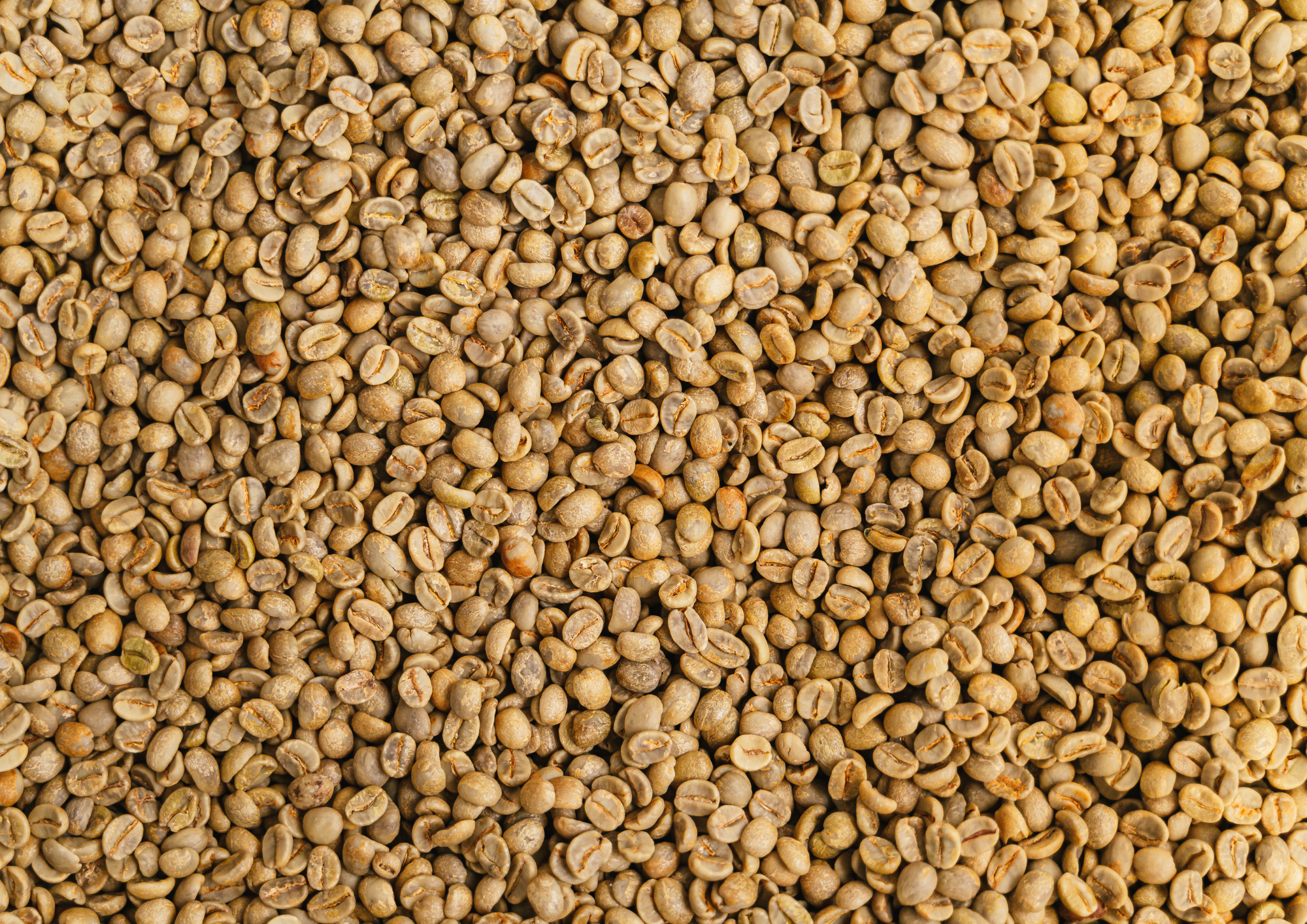
Heat from the roaster enters the beans and changes the state of many components, including water. During heating, moisture can move and escape as other physical changes take place. Heat transfer is therefore closely linked to bean structure, moisture and roasting conditions.
2.1. Do beans with different moisture levels roast alike?
Under similar conditions, different amounts of water can change how beans absorb heat and what happens inside them. But moisture alone cannot tell us which bean will become darker or develop a stronger taste. Size, density, maturity, machinery and the roast profile all matter.
Variation within the batch is the main concern. When moisture differs greatly, achieving uniform roasting may be more difficult because the beans do not all begin in the same condition.
2.2. Are moisture and bean density the same thing?
No. One bean may be denser than another without containing the same amount of water. Density, size and moisture all influence how beans react to heat, but each describes a different property. Treating one measurement as a substitute for all the others gives an incomplete picture.
Coffee drinkers need not measure each bean before brewing. Still, the distinction shows why roasters must pay attention to raw material rather than apply the same temperature formula to every batch.
3. Why is a good average moisture reading not enough?
Imagine two green coffee lots with the same average moisture reading. The first is fairly uniform; the second includes bean groups with very different moisture conditions. Judged by the average alone, the lots look similar. Examined by distribution, they are not.
Differences may originate in uneven drying, storage conditions, the characteristics of separate bean groups or time allowed for stabilisation. Beans in different parts of a pile may receive unequal heat and airflow. Storage continues to influence their condition after transport.
That is why representative sampling matters. One convenient handful may not describe the whole lot. Checking several locations in a suitable way helps avoid missing major differences, especially when raw material passes through several operations before roasting.
4. Can beans be roasted immediately after wet treatment?
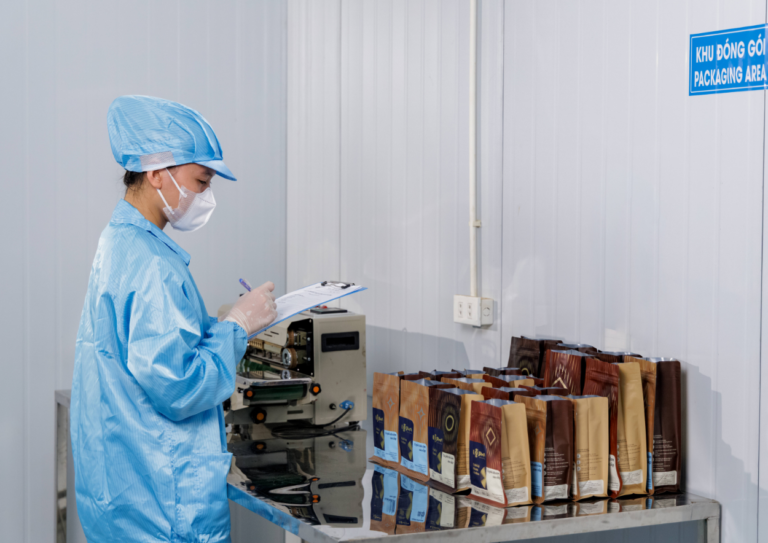
In the LOPHA journey, coffee emerging from ultrasound and rinsing should not be assumed ready to enter the roaster without assessment. The next stage involves bean closure and stabilisation before roasting. Its central purpose is to prepare beans in a condition that supports stable operations later on.
This pre-roast stabilisation must not be confused with resting after roasting. The former concerns green-bean condition before the roasting heat; the latter concerns roasted coffee, including gas release and changes in aroma over time. They occur at different points and serve different purposes.
Suitable condition should not be defined merely by a surface that looks dry. Raw material needs to be assessed with appropriate criteria and methods. Where moisture remains uneven and uncontrolled, repeatable roast results become more difficult to achieve.
In LOPHA's 15-step journey, the stages between ultrasound and roasting remind us that preparation may not create dramatic images, but it can help prevent unwanted variation.
5. How might uneven moisture affect the cup?
If a roast batch contains beans whose colour and aroma develop unevenly, brewing results may be less repeatable. Yet we cannot taste bitterness or acidity in one cup and immediately conclude that green-bean moisture is the cause. Flavour also reflects variety, roast level, grind size and brewing method.
For example, Robusta naturally tends towards a bolder, more distinctly bitter profile than Arabica; bitterness alone does not mean the raw material became damp. Likewise, the clear acidity typical of Arabica does not automatically signal an underdeveloped roast. Natural coffee characteristics must be distinguished from production defects.
Moisture control seeks to reduce one source of processing variation. A batch with relatively consistent starting conditions is usually easier to manage alongside other variables. This cause-and-effect benefit does not need to be turned into a promise that every cup will taste exactly the same.
6. How can pre-roast moisture be controlled?
Appropriate drying and storage provide the foundation. Producers then need to understand which stages the material has passed through, its current condition and any meaningful differences within the lot. Representative sampling and suitable measurements provide a sounder assessment than appearance alone.
6.1. Lot management and storage conditions
Keeping lots separate by origin, treatment date and storage conditions makes it easier to trace the cause of an unusual roast. If different raw-material groups are mixed without records, identifying where variation began can be very difficult.
6.2. Do not rely on a single number
Moisture readings should be considered alongside bean condition, uniformity and storage history. A single measurement cannot capture every factor relevant to roasting. That is why raw-material control should continue from drying through the factory stages.
At LOPHA, factory treatment and preparation connect raw-material selection with the flavour-developing roast. Stabilising beans before roasting protects continuity across the process; it is not a trick for changing a coffee variety's natural identity.
7. A good roast starts with beans in suitable condition
Green-bean moisture matters, but it is not the sole determinant of quality. Beans also need appropriate selection, cleaning, storage and preparation. Attention to these factors gives the roaster a better foundation for developing the qualities inherent in the raw material.
Understanding pre-roast moisture helps us avoid overly simple explanations. Wetter beans are not inevitably worse, and drier beans are not automatically easier to roast. What counts is the suitability and consistency of the coffee lot throughout production.
For LOPHA, pre-roast stabilisation follows cleaning and prepares the beans for flavour development. A consistent cup needs more than a good roasting machine; it also needs care for the beans before roasting starts.