Why Can Two Coffee Batches at the Same Roast Level Taste Different?
Summary: Two coffee bags may both say 'medium roast', yet produce different aromas, acidity, body and aftertaste. That is not necessarily a mistake. Roast level describes only part of the finished coffee's condition; the variety, green-bean quality and the way the roast develops also shape flavour.
A medium-roast Arabica and a medium-roast Robusta can offer completely different experiences. Even two Robusta batches labelled with the same roast level may not share identical aroma, body or aftertaste. So what does 'medium roast' actually tell us, and why can't it predict every flavour in the cup?
To answer, think of roast level as one piece of information, not a fixed flavour formula. At LOPHA, selecting green coffee and developing aroma through roasting are connected steps. A roaster does not create every characteristic of the bean from nothing; it reveals and transforms what the raw material already contains.
1. The same roast level does not mean identical beans
Terms such as light, medium and dark roast give drinkers a general idea of how far a bean has developed under heat. However, roasting companies do not always classify levels in precisely the same way, and a label cannot tell us everything about the heating history of a batch.
Two beans with almost identical roasted colour may still differ in structure, mass, expansion and aroma compounds. Where they come from different varieties or growing areas, sensory results are even less likely to be predictable from colour alone.
Arabica and Robusta offer a familiar example. Arabica often expresses clearer acidity, while Robusta generally delivers greater body and more distinct bitterness, depending on raw material and roasting. Medium roasting does not turn Robusta into Arabica or eliminate all their natural differences.
2. How do green-bean characteristics affect roasted flavour?
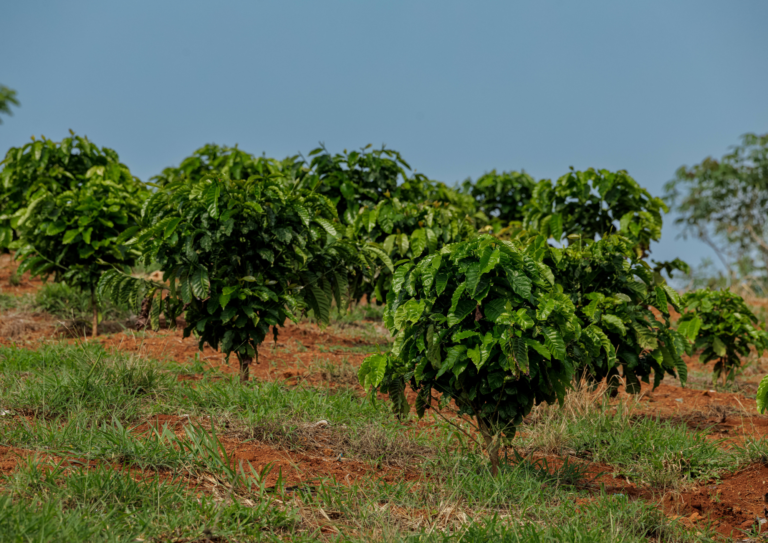
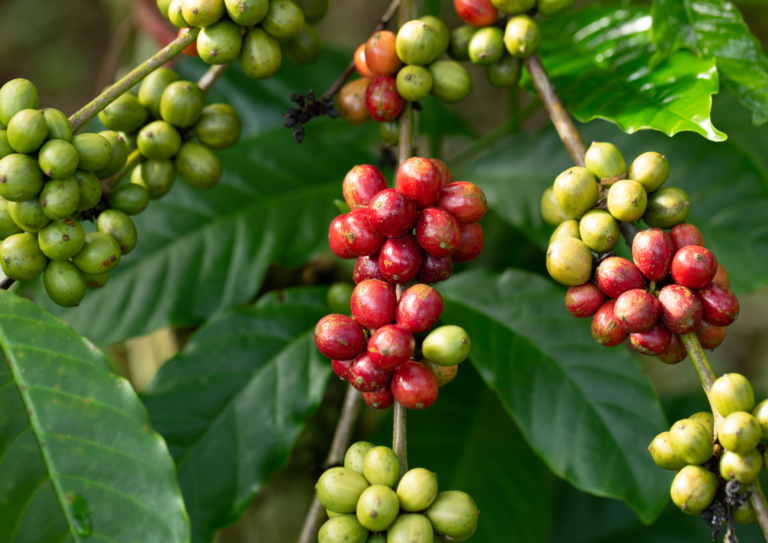
Green coffee is not a uniform substance. Beans differ in variety, size, density, moisture, natural chemical composition and processing method. These differences create the starting conditions for changes and reactions during roasting.
2.1. Each coffee variety carries its own characteristics
Arabica and Robusta can be roasted to similarly named levels yet still produce different sensory profiles. This does not prove one batch is better; it reflects differences in the raw material and the intended flavour development.
LOPHA offers Arabica, Robusta and Robusta-Arabica blends for different preferences. In an 80% Robusta and 20% Arabica blend, the final profile depends on the blend composition and how the component beans are roasted. Roast-level labels alone cannot decide which cup will suit someone better.
2.2. Processing and storage leave lasting effects
Beans prepared through different processing methods may begin with different conditions and compositions. Drying, moisture and green-bean storage continue to influence how they behave in the roaster. More stable raw material gives the roaster a sounder basis for adjustments.
This is why LOPHA's 15-step journey starts long before the roasting machine. Treating roasting as the only stage that determines everything ignores the cumulative effects of raw material and post-harvest preparation.
3. Similar roast colour can conceal different heating histories
Imagine two bakers removing products from the oven with similar golden crusts. One used gradual heat; the other raised the temperature quickly at one stage. Similar surfaces do not guarantee identical textures and flavours inside. Coffee offers a comparable lesson.
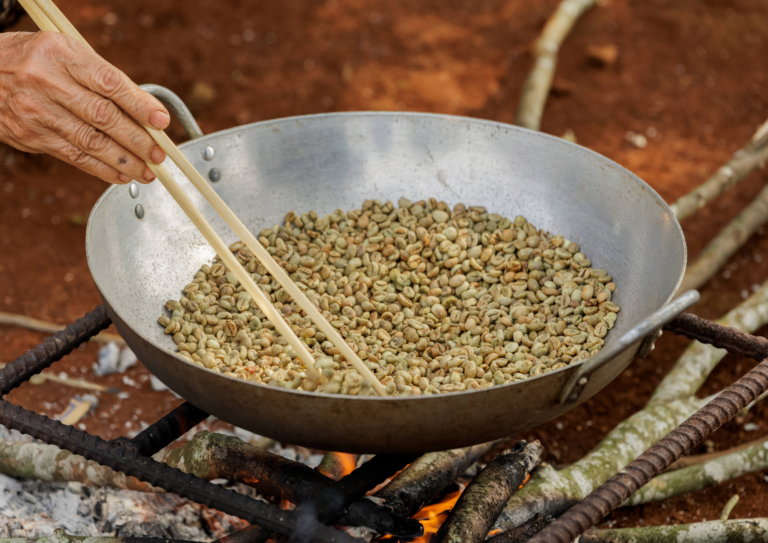
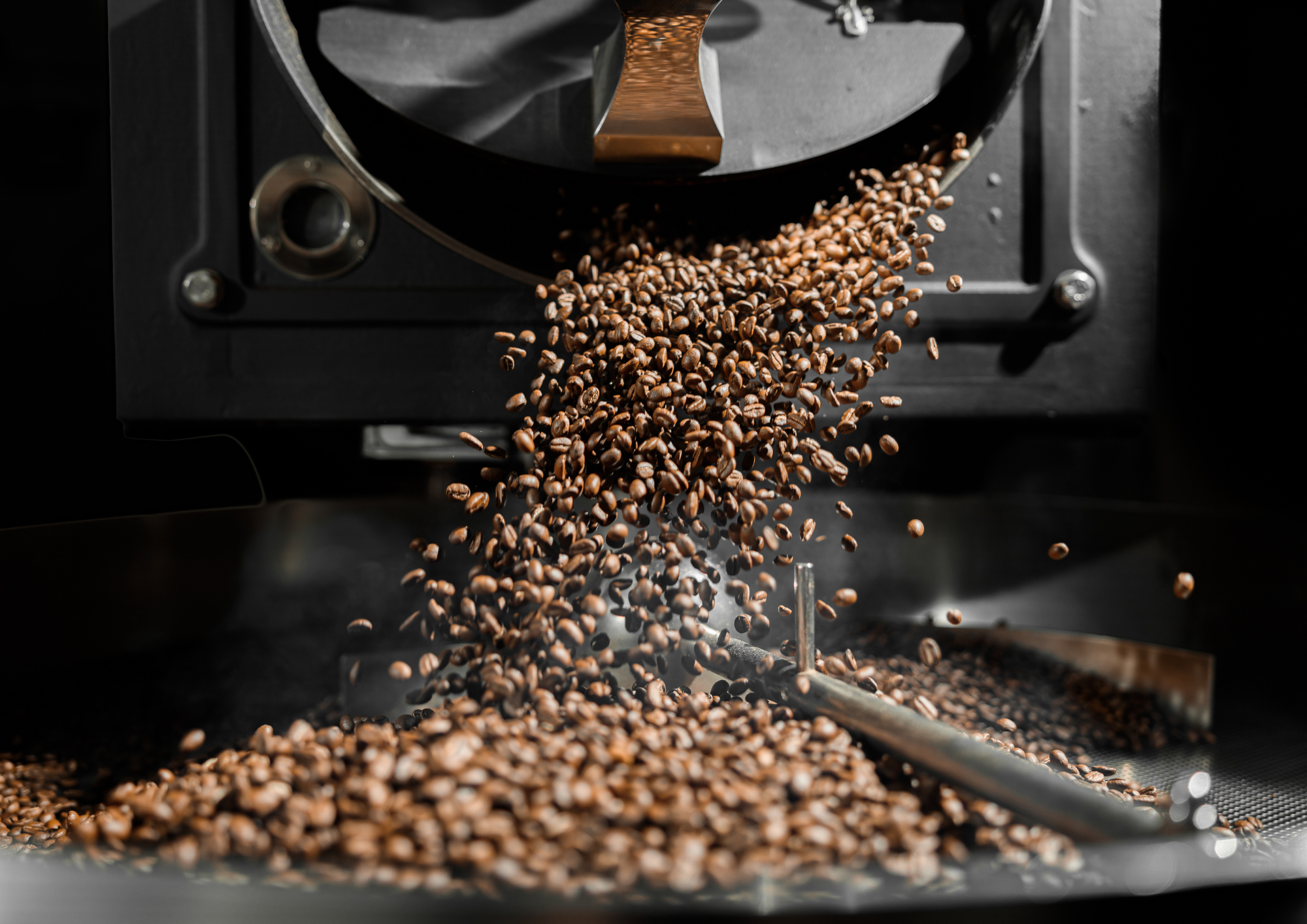
During roasting, heat changes bean colour, structure and aroma-forming compounds. These changes unfold over time, so the temperature at one moment cannot describe everything that happened between the beginning and end of a batch.
3.1. Time and heat transfer can change the outcome
Two batches reaching similar roast colours may differ in heating rate and development time, leading to different sensory results even when their original beans are fairly similar. But there is no simple rule that a longer roast is always sweeter or a faster one always more aromatic.
Equipment, batch weight, airflow and heat adjustments all influence the roast. That is why roasters usually monitor several signals rather than watch only for a particular shade of brown.
4. Colour is a clue, not a final judgement
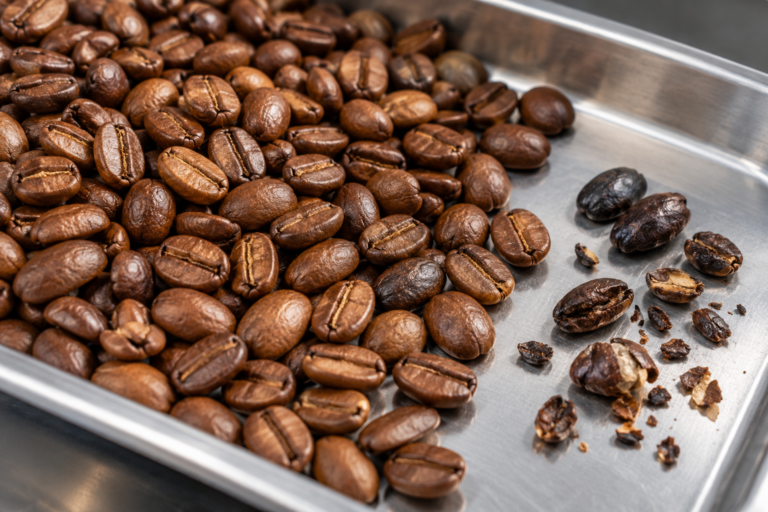
Bean colour helps indicate development, but does not prove that a cup has balanced flavour. A reasonably uniform-looking batch may still require aroma evaluation and brewing tests. Conversely, small colour differences alone do not justify declaring every bean defective.
5. Why can two cups from the same roast taste different?
Roasting is not the only thing that changes flavour. Storage, time since roasting, grind size, water volume, temperature and brewing method all affect the cup. When two cups taste different, we should first ask whether they were really prepared under comparable conditions.
Espresso uses pressure to push water through finely ground coffee, while the Vietnamese phin relies mainly on gravity. Even with the same roasted beans, the results are unlikely to be identical. Coffee-to-water ratio and contact time also affect strength, acidity, bitterness and mouthfeel.
A familiar example is coffee ground slightly too fine, causing a phin to drip slowly or making espresso extraction difficult to manage. Blaming the roast for the resulting cup can overlook the role of brewing technique.
6. How to compare two roast batches more fairly

To identify differences between roast batches, keep as many comparison conditions consistent as possible: brewing method, coffee quantity, water volume and temperature. Comparing a strong phin brew with a weak filter coffee tells us more about the method than about the roast batches.
Notice the aroma just after brewing, acidity, bitterness, body and aftertaste. Elaborate descriptions are unnecessary. Everyday observations such as 'more full-bodied', 'clearer acidity' or 'a gentler aroma' are valuable when recorded consistently.
Repeat the test rather than deciding after one cup. Small brewing variables can affect coffee. Keeping preparation consistent reduces unintended influences and makes differences in the beans easier to recognise.
7. At the same roast level, should you choose Arabica, Robusta or a blend?
There is no single right choice for everyone. If you enjoy the clear acidity and distinctive aroma of Arabica, 100% Arabica may suit you. If you prefer full body, pronounced bitterness and a lasting finish, Robusta is worth exploring. A blend may offer another balance for drinkers who enjoy elements of both.
Remember that roast-level information is only an initial guide. Preference also depends on brewing method and personal taste. Someone accustomed to strong phin coffee may experience the same product differently from an espresso or filter-coffee drinker.
The coffees in LOPHA's shop are developed for a range of drinking habits. Rather than choosing solely by the word 'medium' on a bag, customers can use the composition and suggested brewing method to find a more suitable match.
8. Consistency does not mean every cup must be identical
Consistency is an important production goal, but coffee remains an agricultural product shaped by natural differences and processing conditions. Sound control reduces unwanted variation; it does not erase differences between bean varieties or brewing methods.
Two batches at the same roast level tasting different does not necessarily indicate an error. The important question is whether the difference reflects raw-material characteristics, an intentional roast choice or unwanted variation. Understanding its origin helps us select coffee more thoughtfully rather than expect all medium roasts to taste the same.
For LOPHA, roasting is where the bean's characteristics develop into a drinking experience, not where everything that happened earlier disappears. Seen that way, a familiar label on the bag becomes a starting point for discovery, not a promise of absolutely identical cups.