From a Remarkable Cup of Coffee to the Desire to Rediscover Its Original Flavor
Summary: Some experiences last only a few minutes yet leave us with questions for years. For LOPHA, a distinctive cup of coffee in 2016 inspired the desire to understand beans more deeply and preserve their natural characteristics.
Some cups of coffee simply help us feel more awake in the morning. Others leave us wondering what created the flavor we have just enjoyed. For LOPHA, an unusual coffee-tasting experience in 2016 was one of the latter: it did not end with the final sip but opened a new path.
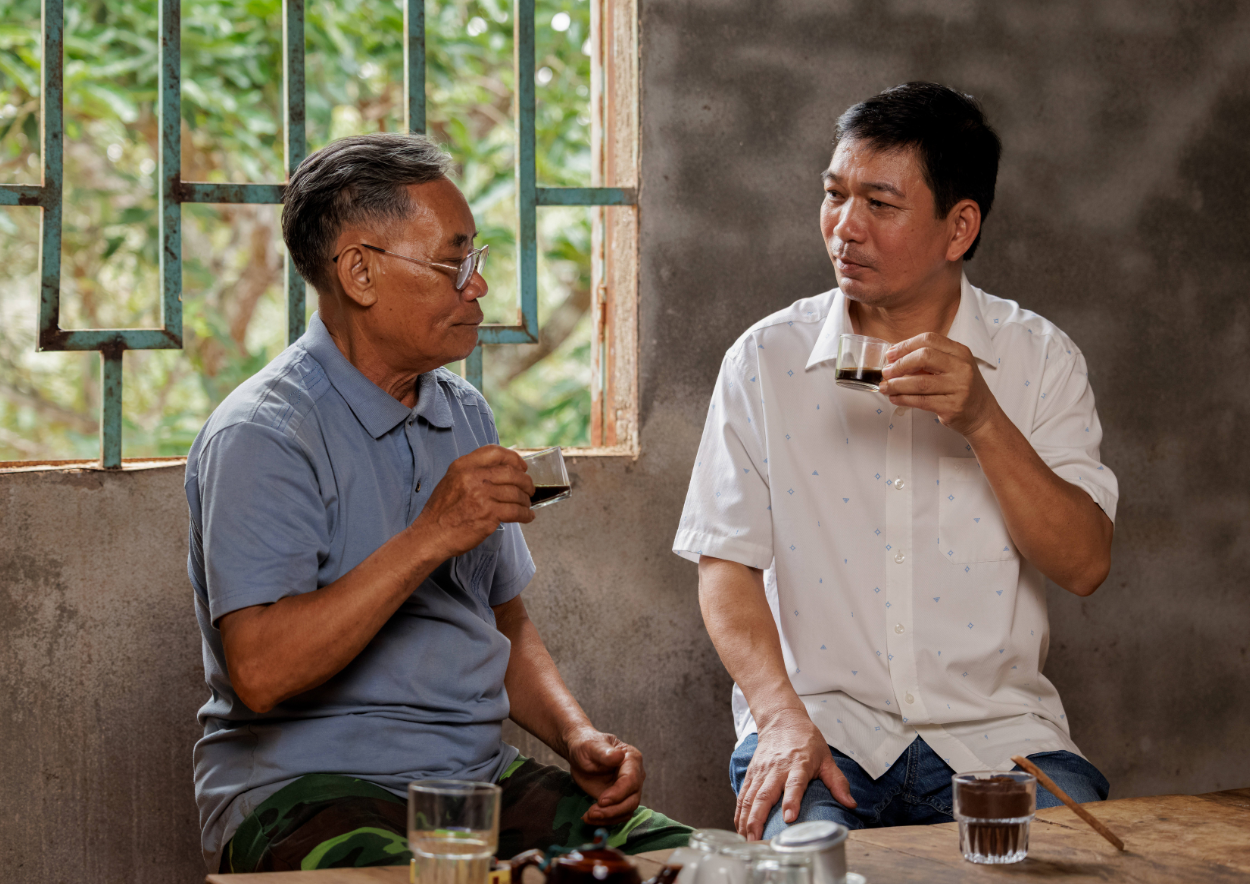
In 2016, while visiting an acquaintance, the person who initiated LOPHA was offered a cup of clean, pure coffee from plants grown under distinctive care conditions. Its clear, natural aftertaste sparked a desire to learn more about the beans. The journey began not with a formula or machine, but with curiosity about coffee's original flavor.
One Cup of Coffee Inspires a Passion for Research
The impression left by that cup in 2016 remains a special memory in LOPHA's story. The sensations it brought inspired further exploration of coffee beans and how flavor develops. From a personal experience, LOPHA chose a long-term research path so that what had made the cup memorable could be preserved in the creation of its products.
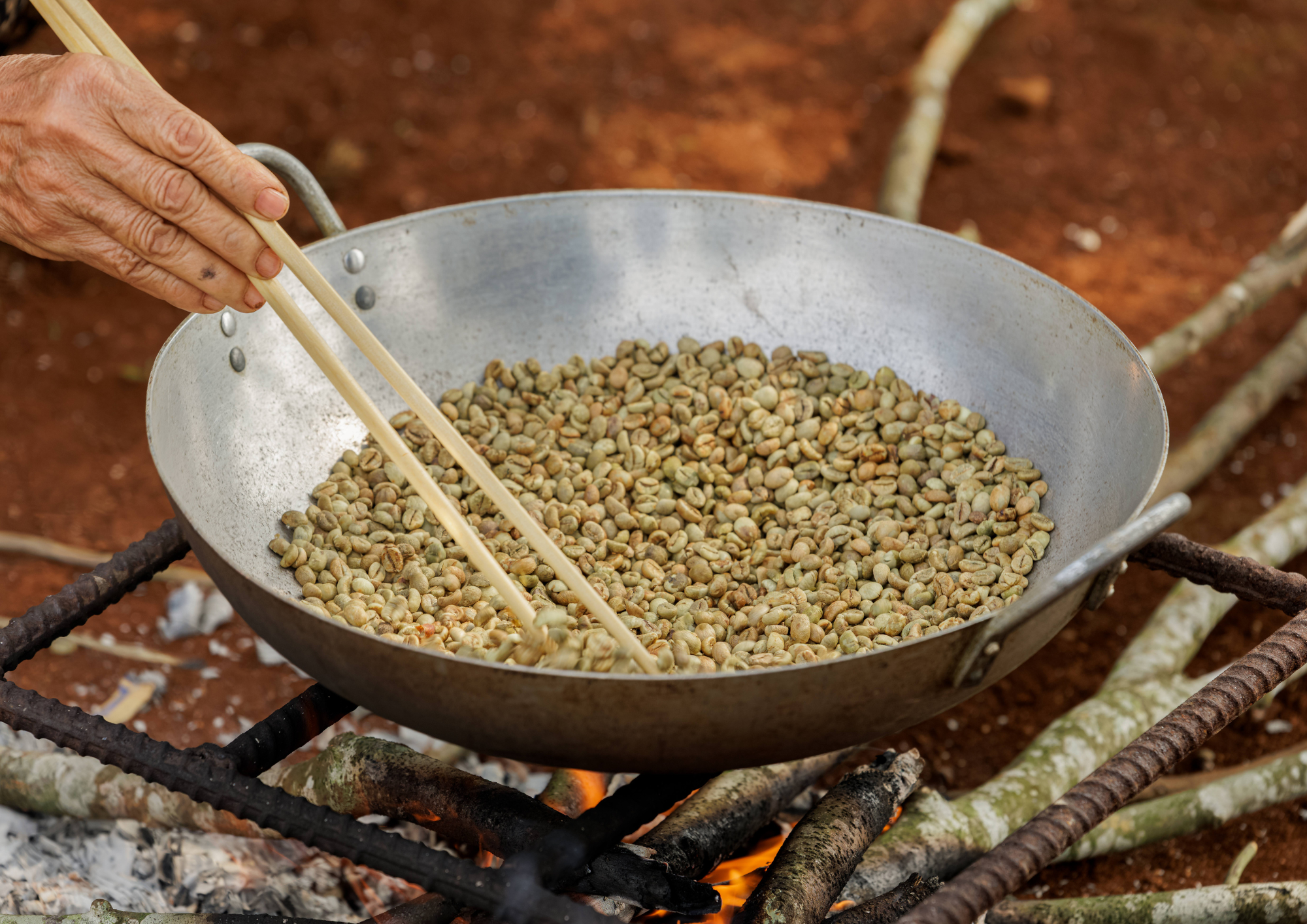
Every coffee bean carries the characteristics of its variety, growing region, and journey from ripe cherry to finished product. Flavor in the cup is also influenced by processing, roasting, and brewing. Recognizing these connections, LOPHA began looking at the entire coffee-making journey rather than trying to recreate one sensation with a specific brewing formula or roast level.
A memorable flavor can make us want to taste it again and again. To share that experience with more people, LOPHA needed a clearer understanding of what made it special: where the beans grew, the steps they had passed through, and the role of roasting and brewing. Those questions opened a direction for research beginning with the raw material.
From Flavor in the Cup to the Bean's Earlier Journey
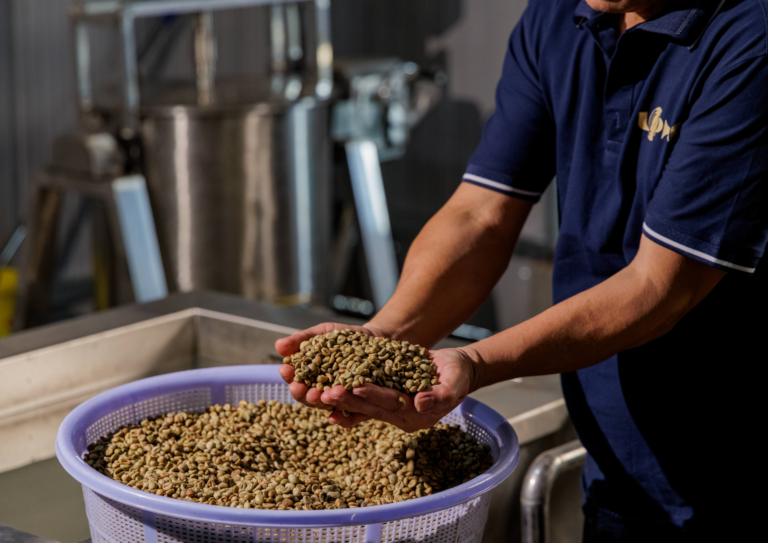
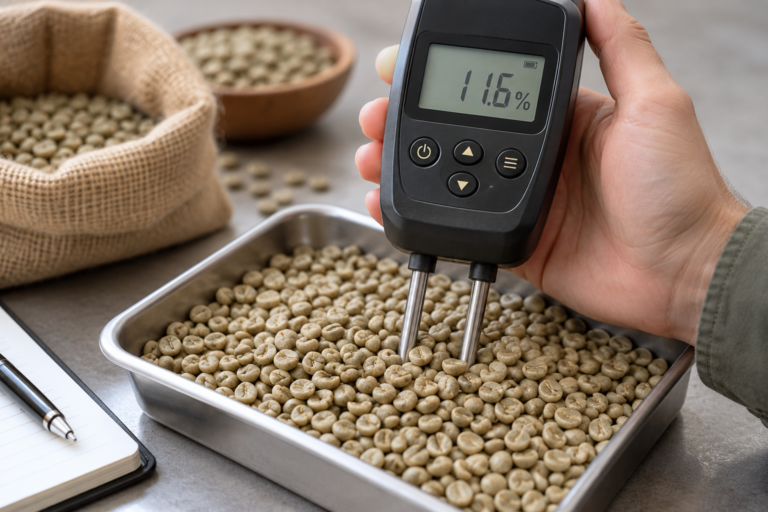
When coffee tastes good, our first reaction is often to praise the roaster or the person who brewed it. Both deserve recognition. But focusing only on the final stage overlooks everything that came before. The bean developed inside a cherry and passed through harvesting and initial processing before transport, roasting, and grinding. Every stage can affect the raw material, even when drinkers never see it.
LOPHA's question gradually changed from 'What is special about this flavor?' to 'What made this flavor possible?' That shift meant searching for a stronger roast was no longer the only destination. A suitable roast can bring out a bean's qualities, but roasting cannot create every quality missing from the original ingredient. Likewise, a noticeable aroma does not automatically establish a product's origin or composition.
With so many drinks to choose from today, it can be easy to equate 'delicious' with 'strong.' Yet an elegant Arabica does not need Robusta's pronounced bitterness to be appreciated, and a full-bodied Robusta does not need to taste like Arabica. This variety is part of coffee's appeal. For us, preserving original flavor gradually came to mean understanding what each bean can express when processed appropriately.
One Experience Opens New Research Questions
Our response to coffee depends on individual taste, caffeine intake, brewing method, and personal physiology. For LOPHA, the original experience mattered primarily because it inspired the desire to understand beans, clean raw materials, and preserve natural flavor. This commitment to quality was pursued through research and production, not absolute promises about how someone will feel after drinking coffee.
That distinctive experience in 2016 encouraged LOPHA to ask questions that could be studied. The brand explored conditions affecting beans, raw-material selection, and technologies suited to the goal of cleaning. A memorable cup gradually grew into practical research and production, driven by a desire to share original coffee flavor with more people.
That distinction matters even more when discussing health. LOPHA's origin story includes concerns about unpleasant experiences after drinking coffee. But restlessness or nausea can be associated with caffeine, the amount consumed, individual physiology, and other factors. One personal experience cannot establish that impurities were the sole cause or guarantee that coffee treated with a particular technology will never produce such reactions.
A Decision That Goes Beyond Making Coffee Taste Better
There are many ways to create an appealing coffee: change a blend, try a different roast level, or develop a distinctive brewing method. LOPHA values flavor too, but its research decision led to a deeper question about the beans before roasting. Why do two beans respond differently? Which cleaning method is appropriate? How can results stay consistent across multiple batches?
To achieve consistent quality, LOPHA studied what happens before roasting. Roasting develops aroma, but variety, growing region, and raw-material preparation also contribute to the final characteristics. These connections led the brand to a longer-term research journey.
During the first six years, LOPHA explored several coffee-processing technologies before choosing to research ultrasonic applications. That decision developed over time, moving from an initial aspiration to specific research activities. From 2022 onward, the approach was integrated more closely with factory processes, gradually translating research results into products for coffee drinkers.
How 2016 Changed LOPHA's View of Original Flavor
Original flavor does not mean a coffee bean remains unchanged after harvest. Each variety can still express its own character following initial processing and roasting. An Arabica with distinct acidity, a bold Robusta, or a balanced blend can all offer different experiences when their ingredients are described transparently.
What LOPHA carried from its original experience was respect for the beans' inherent characteristics. Clear ingredients, suitable raw-material selection, and purposeful processing allow each variety to show its personality. From distinctly acidic Arabica to strong, clearly bitter Robusta, LOPHA wants customers to appreciate those differences naturally and choose what suits their tastes.
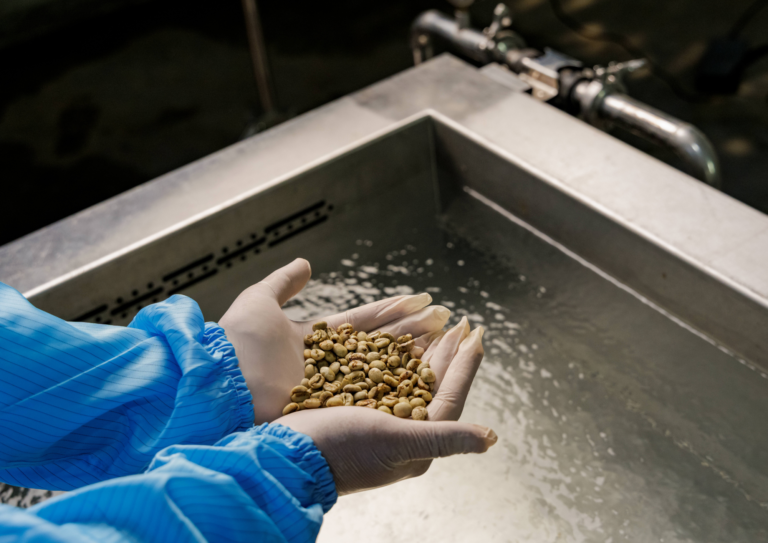
At LOPHA's factory today, beans may be cleaned, treated with ultrasonics, roasted, and packed. These processes do not contradict the idea of authenticity. On the contrary, LOPHA's production approach places technology within a purposeful chain of operations. Technology contributes to one stage; finished flavor results from many choices made both before and afterward.
If the cup in 2016 raised the question 'Where does authentic flavor come from?', the following years taught us that no single place holds the entire answer. It lies in the raw materials, in how people care for them, and in the honesty with which we explain what has been accomplished.
From a Personal Memory to Something Worth Sharing
A special moment may belong to one person alone. But when it becomes the motivation for building a brand, it carries another responsibility: can what moved us be shared consistently with others? That question took LOPHA beyond personal impressions to the need for a factory, a process, and clear product information.
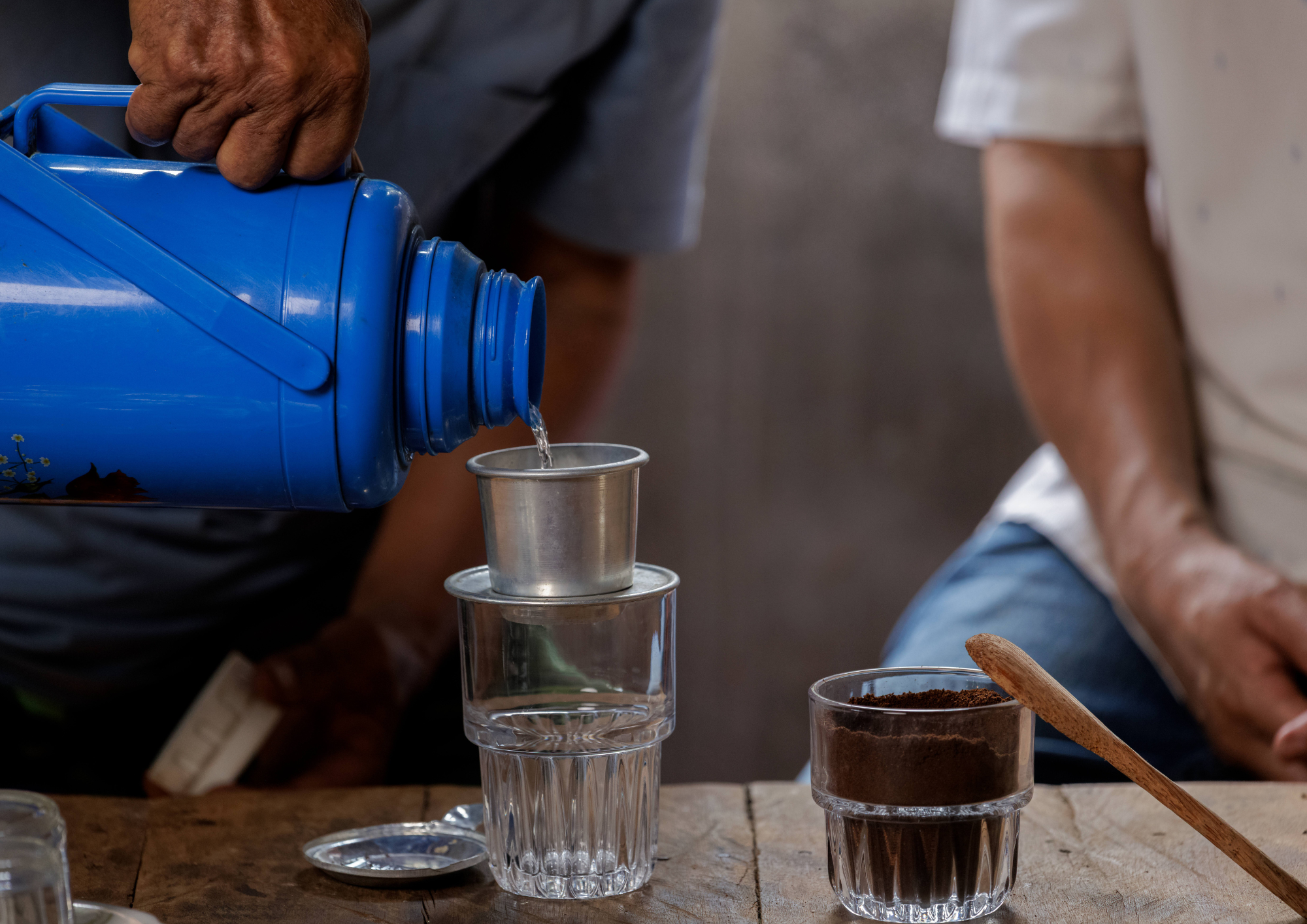
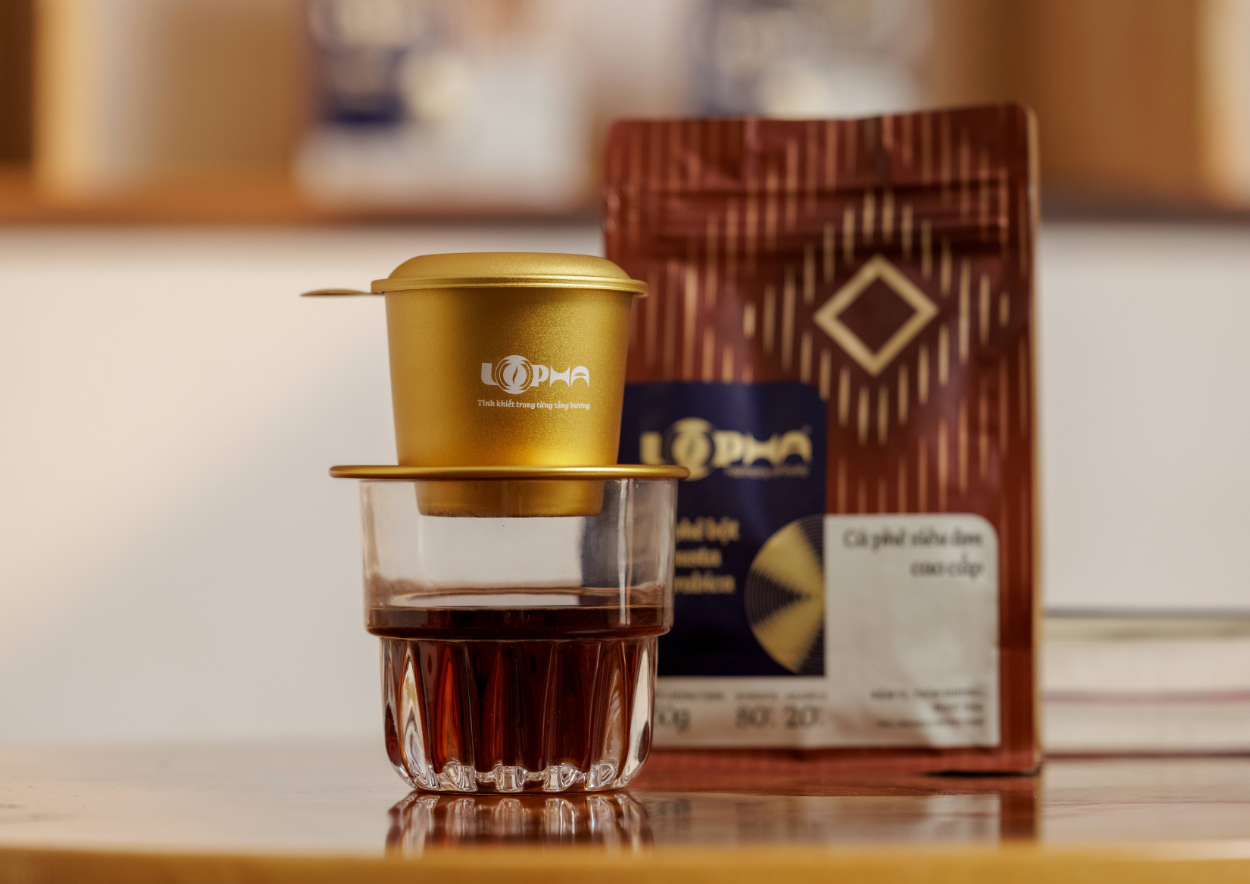
Today, LOPHA Coffee lovers can explore choices from Arabica to Robusta. Each has its own drinking characteristics; it does not need to reproduce the remembered cup of 2016 to be worthwhile. What we hope to preserve is the spirit of that moment: approaching beans with curiosity and giving authentic flavor an opportunity to speak for itself.
For coffee drinkers, the lesson may be equally simple. There is no need to find the one 'right' coffee for everyone. Pay attention to what you enjoy: the aroma when opening the bag, the first sip, and the sensations that linger afterward. Together with clear product information, these impressions make choosing coffee both interesting and informed.
A decade ago, LOPHA's journey began with a different kind of cup. That memory accompanied the brand through six years of research, three years refining production, and a return to the source in 2025. Throughout the journey, LOPHA has wanted to share original flavor through coffee products with transparent ingredients and carefully considered origins.